“You Are Here” is the reassuring little icon on a trail map that gives you your bearings, lets you know, in the grand scheme of things Where. You. Are. It’s often the first thing you see when you start out on an adventure somewhere. These days, with things so frighteningly askew, it’s good to have a sense of where you are in that grand scheme. And there is nothing better to make you feel a little more grounded, a little more connected to the bigger picture, than a walk in the woods!
Join me for a walk at one of my favorite places to unwind, regroup, and find inspiration.
INGREDIENTS: collage, color scans, digital art, ephemera, essays, original photographs, poetry, quotes, vintage artwork. With thanks to GIS Specialist Nicole Castro, Erwin Raisz, Ted Andrews, Hans Christian Anderson; Joseph Smith, William Curtis and the Royal Botanic Gardens, Jamie Sams and David Carson, Henry David Thoreau.
Full Color 11×17 folded map with way too many inserts and a curated video playlist. Cost: $8.00.
You can pay through PayPal using a PayPal account or any standard credit card. If you prefer the old school approach, please send your check, made payable to Jen Payne, P.O. Box 453, Branford, CT 06405.
Today, I talk with Kaecey McCormick at Some Thoughts: Everything Creativity, who writes: “I’m thrilled to bring author Jen Payne to the blog today in an interview to discuss life, writing, and her new book, Sleeping with Ghosts. Earlier this month, I hosted a Community Poetry & Prose Night with the theme “The Ghosts We Carry,” and Jen’s book is a wonderful example of how we can be “haunted” by so much and how these “ghosts” show up in our writing.
Kaecey: Jen, welcome! I’m thrilled to chat about your new book, SleepingwithGhosts. The way you blend genres in this collection is fascinating. Sleeping with Ghosts is described as a ‘time-traveling memoir’ into the heart and mind of a poet. What inspired you to choose this format, and what challenges did you face in crafting such a unique narrative?
Jen: Hi Kaecey. Thanks for being part of the Sleeping with Ghosts blog tour!
Like you, I’m not only a writer and poet, I’m also a blogger. I’ve been writing and creating at Random Acts of Writing (randomactsofwriting.net) since 2010. That name, it turns out, was spot-on! My creative work shifts from poetry and flash nonfiction, to essay and photo essay.
As readers will find in Sleeping with Ghosts, I also write a lot of memoir pieces.
The poems in the book have been written over the past 10-15 years, but they cover a time span of 40! From that perspective, time traveling becomes a natural consequence! (It helps that I’m also a closet Trekkie and a bit of a sci-fi nerd.)
I find I have an acute memory for what I call “defining moments” — those places in time when something shifts or changes, times that you bookmark to remember. I am easily able to slip back into those moments and recall the feelings, the conversations, my surroundings. And then I write!
As happened in my previous books of poetry, Evidence of Flossing and Waiting Out the Storm, the poems in Sleeping with Ghosts gathered themselves quite naturally. As soon as I set the intention to create this book, the poems and chapters, and their organization was very clear. The biggest challenge, I suppose, was making sure that the ghosts each got their own say, and that their stories were told to completion.
Kaecey: I can imagine that covering a time span of 40 years meant some “ghostly” challenges! You did a wonderful job making sure each voice was heard. Much of your writing in this collection reflects on past relationships or experiences. I’m wondering, was there a defining memory or experience that sparked the creation of Sleeping with Ghosts? How did it start and how did the concept evolve from that initial inspiration?
Jen: Indirectly, yes.
I’ve been a writer all my life: journalist, copy editor, freelance writer, marketing wordsmith. I started my own graphic design and marketing business, Words by Jen, when I was 27, and spent a great deal of time writing for other people.
But the year I turned 40, I reconnected with someone I had been deeply, crazy in love with. We hadn’t spoken in 15 years, and our reconnection felt monumental and…karmic.
When it didn’t work out (again), everything broke wide open for me. I had to find a way to write from that place, from that broken-hearted, emotional, vulnerable place. That’s really when I began writing the good stuff!
(Actually, you can read about the whole experience in my book Water Under the Bridge: A Sort-of Love Story.)
Kaecey: It’s amazing how those difficult experiences can spark our creativity. And speaking of difficult, your work often explores themes of memory, creativity, and loss. How do you navigate writing about such personal experiences while still making them resonate universally? What advice do you have for poets and other writers who are tackling big themes like grief?
Jen: I think I write about my own experiences because I have to — it’s how I process things, how I connect with the world. Not to be cliche, but writing is my love language.
I’m a bit of an introvert, so writing and storytelling are my way of sharing, of having a conversation, of participating.
I’m not sure I intentionally try to make my work resonate universally, so much as the stories are universal. We all experience these moments —right? The broken heart, the unrequited love, the death of a friend, the relationship we need to leave.
But not everyone has the courage to talk about their experiences. It’s hard work talking about disappointment, broken hearts, loss, and grief.
What inspired me most to write from the heart, to be brave about it, was Brené Brown’s book Rising Strong. In it, she writes, “When we deny our stories, they define us. When we own our stories, we get to write the ending.”
So my advice to writers tackling the big life themes would be a) read Brené’sbook, and then b) be brave and write!
Kaecey: Love that. I’m a Brené Brown fan! So yes! And I appreciate what you just said about our stories as universal human experiences. You’ve also written about our connection to the natural world, and in previous interviews, you mentioned the “alchemy” of emotions, nature, and creativity. I’m hoping you can elaborate on how this idea informs your writing, whether that’s in the language and imagery itself or as part of your process, particularly in this new book, Sleeping with Ghosts?
Jen: There is a certain kind of magic that happens when we can step out of our day-to-day and let new information come in. For me, that very often happens when I walk in the woods or on the beach. For others, the magic happens in meditation or after physical activity.
We’re all so busy these days. And when we’re not busy with actual work — job, house, family, life — we’re regularly seduced by technology and our scrolling, binging culture. Creativity requires us to get away from all of that. How can we hear our Muses when everything else is demanding our attention?
I think it’s important for writers and artists to find those things that let them reconnect with their creative voice. One poet I know recently went on a week-long silent mediation, and when I marveled at that to his wife, she said “That’s him. I prefer moving meditation, like tai chi or yoga.”
For me, being in nature is a critical component of my writing. Whether it’s a regular walk at my favorite nature preserve or a week-long writing retreat by the water — I need that time away to process through the stories and the things I want to say.
And yes, very often there is an overlap of my connection with nature and the imagery and language in my writing, including Sleeping with Ghosts. Of course!
My book Waiting Out the Storm was a very personal tribute to a dear friend who died suddenly. I found the most comfort being in nature, and witnessing how life and death and rebirth play out all around us. Nature was my solace.
That’s what I mean by alchemy — we are part of a much larger universe than our day-to-day. If we can be open to that, give ourselves time and space to come back to our awareness of that, it can infuse our writing and our sense of self in pretty amazing ways!
Kaecey: Beautifully put, Jen. And so helpful for other writers to read about that part of the process. Speaking of process, I feel like, as writers, we’re often surprised by something in our work or in the process itself. Maybe you start a poem about the lipstick case you lost and end up writing about the death of your cat. Maybe you want to write about the sunlight and you end up writing about your toddler’s whining. (Or maybe that’s just me!) In looking back at your journey with Sleeping with Ghosts, what has been the most surprising or rewarding aspect of creating this collection and sharing it with others?
Jen: This is a great question. Our writing can come as a surprise sometimes, can’t it?
One of the most surprising things about Sleeping with Ghosts for me has been how these poems assume their own personality, and almost innately tell the story of each particular ghost…despite the fact that they were written at different times over the past 15 years.
The ghost in I Am a Rock/I Am an Island is unrequited loved no matter when I write about it — in the moment or 10 years later. The ghost in Seeing Red is angry all the time — then and even now.
The other surprising thing — and probably my favorite part about writing this book — is that the ghosts found ways to speak to me. They often showed up to remind me about a moment or a conversation that should be included. Sometimes they needed a final say — and they would chime in while I was on a walk or they’d show up in a dream. “Sleeping in Truro” was one ghost’s final say-so, and “Dear Jenny” was a ghost who appeared just months before the book went to press. When I asked the ghosts to give me a final poem for the book, they sent my Dad who asked, “Did you love?”
I did, I have…and now I get to share that with my readers!
Kaecey: “Did you love?” What a beautiful question and how wonderful to be able to answer in the way that you did! Jen, thank you so much for being here with me today. It’s be a joy to talk to you about writing, life, and your inspiration!
Jen: Kaecey, thank you for these thoughtful questions and the chance to dig a little deeper into the inspiration and ghosts in Sleeping with Ghosts! I appreciate it!
I started my business, Words by Jen, in 1993. It was a part-time effort at first, offering writing and “desktop publishing” services to a small-but-growing list of local businesses, artists, and non-profits. By 1996, I had moved my office from the second bedroom of an apartment to commercial office space and was ready to leave my job at a local print shop to dedicate my time to my own work.
Back then — pre-Google and social media— one of the best ways to market a business was to have a listing in the phone book. Phone books, for those of you who might not know, were kept in every household and included all of the landline phone numbers in your town. There was a white pages section for home phone numbers and a yellow pages section for business phone numbers and advertising.
In the fall of 1995, I placed a yellow page ad in a phone book that would be in every home within 20 miles of my office.
The very first phone call I received was from a woman named Dale Carlson. Dale was a well-known New York City author who had moved to a shoreline town here in Connecticut and started her own, small publishing company, Bick Publishing House.
We met over coffee at a local breakfast spot, and had a very long conversation about how we might work together. She was as curious about me and Words by Jen as I was about the strong force of a woman sitting across the table from me.
Dale was 60 years old when we met, with an impressive resume of writing and publishing experience. She’d written more than two dozen books at the time, had been published by Atheneum Books, Doubleday, and Simon & Schuster, and was the winner of both an ALA Notable Book Award and the Christopher Award.
She had traveled all over the world, practiced yoga and meditation, was an advocate for folks with mental illness and addiction, read voraciously, and had recently become a licensed wildlife rehabilitator.
I, on the other hand, was barely 30 and just starting out in my career…and my life. I must have seemed so young and naïve to her. Still, something clicked for both of us and we agreed to draw up a contract for “book design and marketing services.”
From that first meeting, Dale and I went on to create more than 30 books, from her first series of wildlife rehabilitation manuals in the late 1990s to her final book OUT OF ORDER: Young Adult Manual of Mental Illness and Recovery. We started on that journey together before independent publishing was a thing, before print-on-demand and Amazon and self-publishing. Dale had taken us out to the leading edge of this new industry, and it was an amazing ride!
She knew, for example, Jan Nathan — the founder of Publishers Marketing Association (PMA) which became the Independent Book Publishers Association (IBPA). Her books were edited by Ann Maurer, who had a long history of editing for well-known publishers, and our team included Jean Karl from Atheneum and award-winning artists like cover designer Greg Sammons and illustrator Carol Nicklaus.
During our time together, I gathered a set of design and publishing tools that still serve me well today, including a well-worn copy of The Chicago Manual of Style that Dale gave me all those years ago. From her, I learned about book industry standards for design,how to edit and organize content professionally, what makes for a good cover design and effective back cover content, how to position a book properly for booksellers and libraries, and so much more.
Ask me what inspired me to write books and how I came to start my own publishing company — Three Chairs Publishing — and I will tell you about the 25+ years that Dale and I worked together: the long hours of editing around her kitchen table, selecting art and cover designs, developing a house style, and promoting her books.
The skills I learned from her then I apply now to my own books, and to the growing list of self-published authors I get to work with as Words by Jen. All total, I have had the privilege of shepherding well over 150 books out into the world, from Dale’s books and my own, to a long list of poetry, art, history, fiction, and non-fiction titles.
And to think it all started with that yellow page ad, all so many years ago!
Photo: Jen and her mentor, Dale Carlson, at the launch of Jen’s first book, Look Up! Musings on the Nature of Mindfulness, in 2014. Sleeping with Ghosts is her fifth book under the imprint of Three Chairs Publishing.
For the poet is a light and winged and holy thing, and there is no invention in him until he has been inspired and is out of his senses, and the mind is no longer in him… — Plato
Ghosts, Muses, Inspiration, Universe, God. Call it what you will — there is another layer of this world that we live in, and if you can quiet your mind, sometimes, you can hear it and be inspired by it!
As I was finishing up the manuscript for Sleeping with Ghosts, my editor and I both agreed something was missing. While I loved the final poem “Missing Banksy,” its alluded message about impermanence wasn’t quite strong enough to hold up the end of the book. But what would? I had no idea!
When I get stuck like that and can’t find answers — about my writing or about life in general — I like to walk in the woods. It’s where I can settle my mind, slow down the busy-ness, and sometimes…sometimes…hear ghosts.
On this particular walk, I started out at the trailhead by asking the Universe to help me find a final poem, a final message for the book. Often, I can entice Inspiration with a request like that, and this time, it responded in the voice of my Dad.
It’s not the first time my Dad’s ghost has spoken to me. He told me to PAY ATTENTION on I-95 once and saved me from a pretty awful accident; he often shows up unexpectedly as a hawk with a call of I AM HERE; and he responded to my poem query with a series of questions that became the poem “The Final Ghost.”
But connecting with our ghosts can be challenging! There is so much noise in the world today — we’re busier than ever, more distracted by things, more seduced by technologies. There are so many things demanding our attention, how can we possibly hear Ghosts, listen to Muses, or tune into our Inspiration?
One of my all-time favorite movies is Contact with Jodi Foster. The scene I think about often is when she is in the portal pod that’s been reconfigured with an anchored chair and seat belt — things to keep her rooted in place as she travels across space through wormholes. But as she starts her journey, the chair and seat belt cause more harm than good. She may be OK to Go, but they keep her too firmly in place. It’s only when she releases what holds her down that she projects openly forward.
In the same way, listening to your Ghosts requires that you release what’s holding you back.
For Jodi Foster’s character Ellie Arroway, what was holding her back was physically obvious. For me, I know that my biggest obstacle is technology and how it eats up my time and siphons my attention span.
So, what gets in the way of listening to your Ghosts?
Just this weekend, I talked with a woman who told me in a whispered voice how she stopped listening to her Ghosts because it seemed a little scary. And I have a friend who is a phenomenal painter, but she often ignores her Inspiration because it feels too powerful, almost possibly un-godlike.
But the idea of listening to Ghosts or Inspiration or Muses reaches far back into human history.
Did you know that “the word inspiration ultimately derives from the Greek for ‘God-breathed’ or ‘divinely breathed into.’ In Greek myth, inspiration is a gift of the muses, the nine daughters of Zeus and Mnemosyne (Memory).”
Similarly, “the Oxford English Dictionary defines inspiration as “a breathing in or infusion of some idea, purpose, etc. into the mind; the suggestion, awakening, or creation of some feeling or impulse, especially of an exalted kind.”
In his article “How to Find Inspiration, the Psychology and Philosophy of Inspiration,” writer and philosopher Neel Burton offers seven 7 simple strategies to encourage inspiration:
1. Wake up when your body tells you to. 2. Complete your dreams. 3. Eliminate distractions, especially the tedious ones. 4. Don’t try to rush or force things. 5. Be curious. 6. Break the routine. 7. Make a start.
I am a part of all that I have met; Yet all experience is an arch wherethro’ Gleams that untravell’d world whose margin fades For ever and forever when I move. How dull it is to pause, to make an end, To rust unburnish’d, not to shine in use! As tho’ to breathe were life! Life piled on life Were all too little, and of one to me Little remains: but every hour is saved From that eternal silence, something more, A bringer of new things…
We all have ghosts — those lingering memories that resurface when a song comes on, when a certain scent fills the air, or when we wander in our dreams. Those are the kinds of ghosts that appear in Sleeping with Ghosts — the memories of moments and people who have wandered into my own life, the lovers and soulmates and muses to whom the book is dedicated.
As I was gathering the poems for this book, I kept hearing the phrase “I am a part of all that I have met.” It’s a line from Alfred, Lord Tennyson’s poem “Ulysses,” in which the protagonist reflects on his life and sees the fabric that is woven between him and his experiences. That is the essence of Sleeping with Ghosts, we are all connected — by memory, by story, by experience. To emphasize that, readers will find common phrases, themes, and symbols repeated throughout the chapters and stories in the book — a weaving of love, hope, and loss. (Humor, too.)
In total, there are 14 chapters in the book, including seven primary ghosts about whom I’ve written most frequently. These are the stories that captured my attention (and my heart) and left a shadow of memory long enough for me to step into now and then, to revisit and repurpose them into poems. The seven ghosts include a first love, the last love, secret encounters, and those defining moments that come from living life with an open heart.
There are two chapters dedicated to my muses — the people who have inspired my life in a variety of ways, including life-long friends and cherished mentors — and a chapter that narrates the Ephemera of life’s encounters.
My favorite section of the book is called Dreamwork. It’s a collection of 12 poems presented like an inquiry or analysis with dated entries that note the particular ghosts as they reappear in dream form. These dream-ghosts are the wistful spirits of What If or Might Have Been, Ulysses’ “untravell’d world whose margin fades.” I truly believe that dreams offer all of us an opportunity to reconnect with our memories, heal old wounds, and reinterpret moments in new and helpful ways.
I hope this book, as a whole, offers readers a chance to see things in new ways. That in the shadowy corners of their own memories, they might conjure up the “something more, A bringer of new things…” for themselves.
Remember, we all have ghosts. Give them a direct line to your Muse, and you never know what will happen!
My mother, who is easily insulted, often remembers the time a therapist called her a storyteller. Mom recounts the comment as one might an injustice, and she twists and elongates the word “storyteller” to make it sound as painful as it felt for her.
What’s the old saying? The truth hurts.
That’s the funny thing about my mother’s story — she IS a storyteller. Long before neurodivergent was a word, my mother was making her way through life with the only tools she had, and one of those was storytelling. Often and on repeat. It’s how she relates to the world and people around her.
I have a friend whose mother was also a storyteller. She had a degree in drama, was in numerous theatrical productions, taught children how to act and perform, and went on to start a successful annual storytelling festival. She also found connection in telling stories.
The act of storytelling is as diverse as these two examples and includes four primary forms: oral, visual, written, and digital. Within each of those forms, there are a myriad of vehicles: books and magazines, visual arts, stage, radio, film, television, video, internet.
Consider all of the ways storytelling comes into your own life! It’s part of the fabric of who we are. Think about it! What would we be without our fairytales, folktales, fables, religions, and mythologies? We are built on story!
And quite literally. This is what social scientist Brené Brown, says about storytelling in her book Rising Strong: How the Ability to Reset Transforms the Way We Live, Love, Parent, and Lead.
“We are wired for story. In a culture of scarcity and perfectionism, there’s a surprisingly simple reason we want to own, integrate, and share our stories….We do this because we feel the most alive when we’re connecting with others and being brave with our stories — it’s in our biology. The idea of storytelling has become ubiquitous. It’s a platform for everything from creative movements to marketing strategies. But the idea that we’re “wired for story” is more than a catchy phrase. Neuroeconomist Paul Zack has found that hearing a story — a narrative with a beginning, middle, and end — causes our brains to release cortisol and oxytocin. These chemicals trigger the uniquely human ability to connect, empathize, and make meaning. Story is literally in our DNA.”
Like my mother, I’m also a storyteller. I frequently use analogy and story not only to talk about my own experiences, but to say, “I understand yours, too. Let’s talk about it.” It was Brené Brown who gave me the courage to tell those stories on paper, and who inspired several of my books, including my new collection of poems, Sleeping with Ghosts.
That book, Rising Strong, still sits on my coffee table — dogeared and well-worn — as a reminder to be brave, to show up, and to keep telling my stories. The book ends with her “Manifesto of the Brave and Brokenhearted,” which I’ll share with you here as inspiration for you to tell your own stories because what you have to say — no matter how you say it — is important!
Photo by Kool Shooters/Pexels.Brown, Brené. Rising Strong: How the Ability to Reset Transforms the Way We Live, Love, Parent, and Lead. United States: Random House Publishing Group, 2017.
“You Are Here” is the reassuring little icon on a trail map that gives you your bearings, lets you know, in the grand scheme of things Where. You. Are. It’s often the first thing you see when you start out on an adventure somewhere. These days, with things so frighteningly askew, it’s good to have a sense of where you are in that grand scheme. And there is nothing better to make you feel a little more grounded, a little more connected to the bigger picture, than a walk in the woods!
Join me for a walk at one of my favorite places to unwind, regroup, and find inspiration.
INGREDIENTS: collage, color scans, digital art, ephemera, essays, original photographs, poetry, quotes, vintage artwork. With thanks to GIS Specialist Nicole Castro, Erwin Raisz, Ted Andrews, Hans Christian Anderson; Joseph Smith, William Curtis and the Royal Botanic Gardens, Jamie Sams and David Carson, Henry David Thoreau.
Full Color 11×17 folded map with way too many inserts and a curated video playlist. Cost: $8.00.
You can pay through PayPal using a PayPal account or any standard credit card. If you prefer the old school approach, please send your check, made payable to Jen Payne, P.O. Box 453, Branford, CT 06405.
People often comment about the visual nature of my creative work, and how my writing is usually accompanied by photography or artwork.
As a graphic designer, artist, and writer, I firmly believe that partnering visuals and words layers the intentions of my work and makes the communication more palpable.
Two of my previous books, Look Up! Musings on the Nature of Mindfulness and Evidence of Flossing: What We Leave Behind, were as much about the color photographs as they were about the essays and poems. As a matter of fact, the whole concept of the poems in Evidence of Flossing was inspired by a series of photographs I took showing discarded dental flossers in random places.
Odd, I know, but they spoke to the message — our disrespect of nature — in a necessary and immediate way. Sometimes writing takes a while to be absorbed, while images have a speedy hook!
LOOK: THIS IS WHAT I WANT TO TELL YOU! (Read More)
I love that the cover of my new book, Sleeping with Ghosts, does exactly that: it grabs your attention!
The cover photograph is by Polish artist Malgorzata Maj, who I connected with online back in 2015. (Yes, I’ve known the book’s title and have had that photo saved for nine years!)
Małgorzata is a contemporary painter and photographer known for her symbolic nighttime landscapes and ethereal portraits exploring the world of the Unknown. She graduated in 2004 (Olsztyn/Poland) with the title of Master in Arts. Influenced by 19th-century symbolism, her photographic works feature a bold painterly approach to the compositions she depicts. She has exhibited in galleries across the U.S. and Europe, and published her works on numerous book covers and magazines. Today she mostly focuses on traditional media such as oil painting and continues to explore themes and ideas less accessible for photographic medium.
In a bit of happenstance, on her website, Malgorzata says she “explores haunted places, past memories, and hidden feelings and symbols,” which really is the essence of Sleeping with Ghosts.
“Photography has this unique quality of something real and intangible,” she says, “…something that I find difficult to speak about. It is the language of ghosts.”
For the cover, I accented Malgorzata’s photograph with a cluster of stardust that appears in several places within the book. It’s from a series of images in a Lunar Calendar collection by Lana Elanor that includes stars, moons, and constellations.
Elanor is an independent artist from Ukraine who now lives in Tulum, Mexico. She is “a meditative person passionate about art, travel, and the study of the conscious and unconscious mind.”
About her work she says, “I’ve loved creating art for as long as I can remember myself. Only beauty itself is a catalyst for the awakening of this world, so I’m totally in love with the concept to make this place more beautiful than it was when we got here.”
The illustrations that introduce each chapter, and entice the reader from the Table of Contents, are by Ukrainian artist Michael Rayback. I connected with Michael about his art in 2022, and we were both excited to include his work in my book. But Michael lives in Kyiv, and our last correspondence was several months after Russia invaded Ukraine.
I check his social media from time to time, to see if he is back online, but unfortunately, we have not reconnected. When I think of him, I remember this quote I saw on one of his sites:
“Art is self-expression, therefore all that you see here is a part of me. I know many languages of self-expression. I like drawing, I love photo art, cinema is one of the main parts of my life, I like cooking tasty and healthy food. I wake up at five in the morning to be alone and tune in for a new day, and the sun tells me that I’m doing everything right and inspires me to new creativity. I do yoga and meditate. All this helps me to explore myself, I learn something new every day, and every day I try to be a little better.”
Something we can all aspire to, right?
I do hope you appreciate the collaborative nature of Sleeping with Ghosts. Please visit these artists online and discover more of their work!
Did you know that Picasso created more than 50,000 works of art, but only about 100 of those are considered masterpieces? That’s less than 1% of his work!
I think about that little fact every April, when I attempt to write a poem a month for NaPoWriMo (National Poetry Writing Month). There aren’t a lot of masterpieces, for sure, but a few have been published. So there’s that.
Of course, lots of folks will point out the averages — ONE percent?!? And you’ll never be at a loss for angsty advice about being a writer. Ernest Hemingway said “There is nothing to writing. All you do is sit down at a typewriter and bleed.” Robert DeNiro considers a writer on a good day to be “isolated, neurotic, caffeine-addled, crippled by procrastination, consumed by feelings of panic, self-loathing, and soul-crushing inadequacy.”
Oh my. Does it have to be that painful?
I’ve been privy to lots of conversations about writing lately. I don’t have time, they say, or my work isn’t good enough, I can’t stop editing, what will people think?
I like what writing guru Natalie Goldberg advises: “Say what you want to say. Don’t worry if it’s correct, polite, appropriate. Just let it rip.”
That’s the approach I go by every April — just write. I suppose it’s the approach I take all year long. Just do it, like Nike says.
Author Neil Gaiman suggests, “This is how you do it: you sit down at the keyboard and you put one word after another until it’s done. It’s that easy, and that hard.”
Exactly, it’s that easy and that hard. I think it’s kind of like the lottery slogan: you can’t win if you don’t play. How are you ever going to write a masterpiece if you’re not writing all along?
Are you looking for a few unique gift ideas? Here are some suggestions from Three Chairs Publishing.
1.
If your New Year’s resolutions include adding more creativity into your life, then check out Mary O’Connor’s book Say Yes! to Your Creative Self. It includes original photographs and haiku, along with writing prompts and suggestions for making creativity part of our everyday lives. ($19.95)
Sleeping with Ghosts by Jen Payne offers an intimate exploration of memory and meaning. Its 100 poems short prose pieces, and whimsical illustrations, introduce the readers to those ghosts, lovers, dreams, and muses that haunt all of us. A cozy read for winter days. ($20.00)
Consider this collection of 50 “buttons”— thoughts, ideas, memories, musings — that capture 89 years of stories and conversations from Judith Bruder. Read the essays and listen to the original podcasts using QR codes included in From My Button Box: Collected Essays in a Pandemic Time. ($21.95)
Now in its 10th year of publication, LOOK UP! Musings on the Nature of Mindfulness by Jen Payne continues to inspire readers with its essays, poetry, and color photos that remind us what happens when we make time to look up and see the world around us. A perfect gift for nature and animal lovers. ($25.00)
A one-year subscription to Manifest (zine) include 4 issues of this hold-in-your-hands art installation that featuring writing, photography, and artwork, along with bits and pieces of creative whatnot and a curated playlist. Pick 4 past issues or be surprised with the upcoming 2025 collection. ($25.00)
What inspired this new book and its focus on past relationships? Good question. I have always had an acute ability to recall moments in time — I call them “defining moments.” You know, the point in time when something shifts or that you bookmark to remember later? As a writer, those “defining moments” are a pretty fertile source of inspiration for all of my work, most especially when it comes to writing memoir and poetry.
I think it’s called autobiographical memory — like photographic memory, but related to people, conversations, emotions, and interactions. I can easily find and settle down into memories and re- experience them in order to write about them. Sometimes I consciously rummage around to find something interesting, but often, the memories just show up — like ghosts — and ask to be written about.
I’m also a storyteller by nature. I frequently use analogy and story not only to talk about my own experiences, but to say, “I understand yours, too. Let’s talk about it.”
WOW:This book of poetry if so personal. Have you ever found it difficult to write about relationships featured in your poetry?
JEN: Some of these poems were definitely a challenge to write. There’s often sadness or grief knotted up in a memory. So when I untangle it to tell the story, those emotions resurface. But it’s more cathartic than difficult.
Other poems come more easily, welcoming the chance to reconnect with a love story, or remember moments with a dear friend, or find counsel from cherished mentors.
Have you read Brené Brown’s book Rising Strong? It’s one of my most dogeared books. She talks about being brave, showing up, telling our stories. It ends with her “Manifesto of the Brave and Brokenhearted”:
We are the authors of our lives. We write our own daring endings.
We craft love from heartbreak, compassion from shame, grace from disappointment, courage from failure.
Showing up is our power. Story is our way home. Truth is our song. We are the brave and broken hearted. We are rising strong.
I love that!
I have to tell you…a side story…that the process of revisiting the ghosts in this book was fascinating. I had two amazing editors who read and critiqued every chapter, poem by poem. I spent hours with each of them, reviewing and reconsidering. It gave me the chance to dive deep into those past stories and live with the ghosts again for a while. That was an incredible experience — to be steeped in memory like that — it was visceral. Heartbreaking and beautiful all at once.
The insights and time from these two women were a true gift. The book is enormously more powerful as a result.
WOW:I am in awe of poets because I simply don’t have that lyrical talent. Tell us a little about how a poem is born. Does it come out in a rush of words or do you have to fight to create each line?
JEN: I know that some poets anguish over poems for weeks and months. To be honest? I don’t have that kind of patience. On the rare occasion when I do anguish, I end up with an over-kneaded poem that’s too tough and lost its original flavor.
I always say the poems “show up,” which is what it really feels like. Something will trigger a memory or offer up the first line…and whoosh…there’s the poem!
Ok, it’s not that quick of a process. I probably spend at least an hour or two on a poem — write, rework, read it out loud a few times, rework some more, repeat. Sometimes I go back later and edit, but not much and not often.
The poem that took the longest to write in Sleeping with Ghosts was probably “Under His Spell.” That took a few days, mostly because it’s a rhyming poem, and I don’t often rhyme. (In general, I resist writing to [poetic] form…though I’ve been challenged recently to give it a try.)
“Dear Jenny,” one of my favorites, took almost no time at all. That one showed up as if I was channeling the ghost himself and just transcribing his words. Like magic!
Poetry always kind of feels like magic to me.
WOW:A magic that is out of reach for so many of us. So tell us, how do you curate a poetry book? Do you select a topic and write poems, do you look at poems you’ve already written and perceive a common thread or is it some combination of the two?
JEN: Would you believe I’ve had the title of this book in my mind for more than 10 years? I even saved the cover art and artist’s name in a file for safekeeping!
The poems span about 20 years of work. The curating of them was fairly straightforward when it came to the ghost chapters — the seven ghosts are seven of those defining moments for me, with plenty of poems written over the years. But there were other poems — like the small pieces of stories you find in the Ephemera chapter, or the ghosts that reappear in Dreamwork — that needed to be included.
My favorite chapter to put together was Muses — these are the women who have shaped and continue to shape my life. It felt important to include them.
Most of the poems were already written, but about a dozen of them are new, written specifically for the book or because of the book. The very last poem I wrote for Ghosts is called “The Poet at Midnight,” which describes, in a sense, what the curating often feels like — a wandering through old memories and the discovery of which ones we hold onto.
WOW:Fascinating! I love the idea that you saved that image, knowing that someday there would be a book to go with it. Let’s take a peek at your life beyond poetry.In addition to a poetry and prose writer, you are also an artist, photographer, graphic designer (let me know if I’ve forgotten anything). Do you have a favorite creative outlet?
JEN: Writer, artist, photographer, graphic designer, yes. Also blogger and zinester…business owner (Words by Jen) and publisher (Three Chairs Publishing).
I don’t think I see them as individual roles, so much as tools I use for my Creativity. And I don’t have a favorite, really. Sometimes I love poetry — like in April when I write a poem a day for NaPoWriMo (National Poetry Writing Month), and sometimes I’m all about creating the next zine. It’s more like whichever burner is fired up is the one I’m cooking on today — LOL!
I need to create. It’s my raison d’être — who I am and how I move around in this world.
I’m just lucky that I get to participate in the creative process all day long, either for my clients or with my own various ideas and projects.
WOW:What a lovely life to lead. You mentioned being a zinester. Could you tell us a little more about MANIFEST (zine)?
JEN: The zine is like storytelling lite!
I had always dreamed of doing installation art — in my “spare time.” LOL! — like large spaces filled with words and visuals that visitors could walk through and experience. As an alternative, I came up with the idea of doing a zine that could hold the same ideas on a much smaller scale.
I had published another zine back in the early 90s, so I was familiar with the format and the (fabulous) zine community. It just felt like the perfect venue for my essays and poetry, and my other creative pursuits, like collage and photography.
MANIFEST comes out quarterly with a different theme for each issue. It has covered topics like change and transition, solitude, the pandemic, time and time travel — sometimes politics, like gun control and women’s rights. I just mailed issue #15 called Write, about finding inspiration.
WOW: So where are you finding inspiration? What are you working on now?
JEN:Mostly, right now, I’m working on shepherding Sleeping with Ghosts out into the world. So there’s a lot of publicity work and events to prepare for, including my blog tour with you!
But I also have the next issue of MANIFEST (zine) in process, and I’m trying to decide if I should resurrect an old manuscript or start fresh with a new project of essays and poems. Maybe also a podcast?
I guess we’ll have to wait to find out, right? Folks can follow along on my blog and social media for all of the latest HERE.
Thank you for your time, Jodi. It’s been great to talk with you!
WOW:And you. I’ll let you get back to your being creative and your WOW blog tour with Sleeping with Ghosts.
“If one… is blessed with the gift, of the most perfect balloon,… one must make all accommodations to hold fast… else that perfect thing might slip from a grasp….”
Payne’s latest collection of poems, musings, and artwork is a bouquet of balloons—lovers, friends, and moments she could let slip away but that she keeps close through her writing about them. Grouped around seven (plus a final) ghost and a few intermediary themes, the poems are arranged and curated. Each section features a title page with artwork that spills over into the succeeding pages, creating both distinct moodscapes and an overarching synthesis. The poems are of a variety of lengths and styles. Few rhyme, some are one-hundred-word prose poems, and one about a necklace aptly curves down the page. Along with the whimsical illustrations, the song lyrics that several poems reference set an overall lively tone.
Although many poems are dedicated to someone specific, the people in the poems are unnamed. The subject matter of stars, ghosts, and dreams set the poems on an abstract plane, but they remain concrete by being located specifically in cities, bedrooms, houses, woods, and shared books. The poems give voice to letters never sent, connect people when in-person communication was lacking during the pandemic, and put words to elusive feelings hard to name in any clinical way.
In many of the ghost poems, lovers’ rendezvous are clandestine or fleeting. Likewise, the poems let readers into a delicate and secret balance between worlds. Like one poem about a dream lingering into wake-time, the collection is liminal, linking opposites: definite and indefinite, reality and fantasy, timeless and time-specific, and indescribable and descriptive. The final poem, dedicated to Payne’s father, crystallizes the collection’s intimate and loving atmosphere. She looks at her child self—hopeful, aspiring, tender—through her father’s eyes. So, too, the poems reflect back childlike wonder that enlivens and inspires.
Some of my all-time favorite books on writing are classics, like Bird by Bird: Some Instructions on Writing and Life by Anne Lamott, Poemcrazy by Susan Goldsmith Wooldridge, or Writing Down the Bones: Freeing the Writer Within by Natalie Goldberg. Those were the must-read books when I was coming of age as a writer.
I’ll be dating myself even further when I say that I much prefer Goldberg’s Wild Mind: Living the Writer’s Life to her popular Writing Down the Bones. I remember reading Wild Mind while sitting in an airport and feeling compelled — literally dragged to my feet — to go buy a notebook and pen so I could write right there.
That’s some powerful how-to magic.
That’s the kind of book you want in your TBR pile if you’re a writer in need of writerly guidance. Something that feels like magic!
One of my most dog-eared books is Brené Brown’s Rising Strong: How the Ability to Reset Transforms the Way We Live, Love, Parent, and Lead, which isn’t a how-to-write book at all. It’s a spellbinding get-out-of-your-comfort-zone-and-tell-your-story kind of book.
For a quick dose of that kind of brave magic, read any of The Moth compilations: Occasional Magic: True Stories About Defying the Impossible, A Point of Beauty: True Stories of Holding On and Letting Go, or All These Wonders: True Stories About Facing the Unknown. Talk about how to tell a story. Wow!
For those of you having a hard time finding inspiration? You gotta shake it up!
Do you know Keri Smith? She’s most well-known for her book Wreck This Journal. But she has a whole, delicious series of books that make you look at the world in curious new ways. Try The Wander Society or How to Be an Explorer of the World, and you’ll see what I mean.
For me, the key to writing is seeing the world with fresh eyes — which is what Smith’s books help you do. But there are other ways to do this.
Lots of writers write books about writing, right? Who better to know how to do it than a Stephen King (On Writing) or a Margaret Atwood (On Writers & Writing)?
But I find I am more inspired to write my own stories when I can get lost in one of theirs, like Atwood’s MaddAddam series, or Ransom Riggs’ Miss Peregrine’s Peculiar Children series.
Some of my favorite more recent get-lost books — the ones that help me shake up day-to-day — include The Book of Form and Emptiness, Ruth Ozeki, Cloud Cuckoo Land, Anthony Doerr, The Starless Sea, Erin Morgenstern, and The Watchmaker of Filigree Street series by Natasha Pulley.
Of course, you have to find your own favorite authors and genres, but don’t be afraid to mix it up! I spent one winter in a back-to-back foray of historical fiction books about World War II, while just this spring I devoured Tony DiTerlizzi’s young adult sci-fi series The Wondla Trilogy!
These might seem a little off-track from the topic of “How to Read Like a Writer,” but as Steve King himself says:
“If you want to be a writer, you must do two things above all others: read a lot and write a lot. There’s no way around these two things that I’m aware of, no shortcut… If you don’t have the time to read, you don’t have the time or the tools to write.”
Today, I talk with more Charity Howard at Chit Chat with Charity. You might remember her from the “Power of Writing Through Poetry, Memories” review she did of Sleeping with Ghosts. Today, we chat interview-style. Check it out!
JEN: Hi Charity.
Thank you for being part of the WOW! Women on Writing blog tour for my book Sleeping with Ghosts, and for taking the time to ask some good questions!
What is your favorite part of your book and why?
JEN: I love that Sleeping with Ghosts is not just a book of poetry or a memoir, but it’s also a visual experience. The stunning cover photo, by Polish artist Malgorzata Maj, captures the mood of the book so perfectly. The artwork by Michael Rayback and Lana Elanor illustrates the themes of the individual chapters and adds a bit of whimsy to the pages.
And while I love all of the poems, I think my favorite part is the Table of Contents and how it tells the story of the book at a glance. I like how it’s not just a block of text with page numbers, but a cipher for how to read the book. It feels like one of those maps you find at the beginning of adventure books or a legend that tells you how to travel forward.
What is your biggest inspiration for this poetry and musings book? Or perhaps the poem that stands out the most for you?
JEN: First and foremost, I am a storyteller. It’s how I relate to the world, how I communicate experience and understanding. I talk in story…remember the time?
Many of the poems and musings in this book are stories that live inside me already. But it’s not like I am thinking about, or “dwelling on” things, all the time. The stories just get primed to come to the surface sometimes.
It’s like when you hear an old song on the radio or smell a certain perfume in the air, and it reminds you of a memory? As a writer, I am able to follow those memories and pull out a poem or a short story.
A good example of this, and one of my favorite poems in the book, is called “Chester, 1 a.m.” I was driving down the highway when the Jethro Tull song Bourée came on the radio, and I was immediately transported back many, many years to this short, sweet memory…
CHESTER, 1:00 A.M. You will always be blue flannel, a plaid hard crush against skin, Bourée on a flute in the dark, and the taste of unseen spirits. Your sudden kiss, the punch-drunk dance against kitchen counter — what did you want from me in that brief romance? I still wonder.
That’s how inspiration works for me. My muse shows up in many forms with suggestions for which way to take my writing next. And I follow.
What is your advice for poets as they write their inspired work?
JEN: Listen to your Muses, not your Critics!
Your Critics are going to tell you how to write and what to write. They’ll tell you what’s good and bad, correct and incorrect. They’ll be rather black-and-white about things.
Your Muses, on the other hand, are creative and wild, and they love to color outside of the lines. Play with that and with them, and just follow your heart.
Be brave enough to tell your story the way you want to tell it!
What do you feel is the most important part of your writing process?
JEN: Making time for it. Period.
We’re all so busy with so many things that need to get done in a day. But that creative process, the process of expression, is so important to our well-being. As important as movement or rest or nourishment.
And just like those things, you have to make time for your creative work.
I am a notoriously early riser, and I will often spend the first few hours of my day writing. I love the quiet of the early morning before everything is awake and noisy again.
A 3 a.m. start works really well for me, but you have to find what works for you. Maybe it’s the other side of the clock midnight-writing, or an hour at a coffee shop with your laptop.
Remember, your creativity is a gift, and it’s important that you give it time to exist and prosper.
What would you say to describe your book to help entice readers to pick it up?
JEN: One of my readers — who is also a ghost in the book — once said my writing is “funny, sad, sexy, maddening.”
Sleeping with Ghosts is a time-traveling memoir that introduces readers to some charming characters — star-crossed teenagers, secret lovers, and long-term loves. It’s about romance, heartbreak, dreams, found love and lost love, memories. It’s also a book filled with story, inspiration, creativity, and pages and pages of beautiful muses without whom this book (and I) might not exist.
Guilford Art Center is excited to welcome local author Jen Payne to its AUTHORS IN THE SHOP series hosted by Three Chairs Publishing. For four Saturdays in November, authors will be in The Shop signing books and talking with Holiday Expo shoppers from 12:00 – 2:00 p.m.
Saturday, November 16 Learn about the ghosts in Jen Payne’s new book Sleeping with Ghosts: Poems & Musings, an intimate exploration of memory and meaning.
Known for her meditations and musings about our outside world, Connecticut writer Jen Payne takes readers inside this time…into the heart and mind of a poet, where memories wander, hearts break, and ghosts appear in dreams. Those ghosts — her lovers, soulmates, and muses — reveal themselves slowly, one at a time, in this wistfully reflective, time-traveling memoir.
AUTHORS IN THE SHOP is a great opportunity to spend some one-on-one time with local authors and to get a head start on your holiday shopping. (Signed books make awesome gifts!) Refreshments will be served. (Click here for more information.)
Out and about for Shoreline Arts Trail? Be sure to make time to explore Holiday Expo 2024! The Shop and Gallery at Guilford Art Center are filled with holiday gifts from local and American artists, makers and designers; craft categories include accessories, candles, cards, ceramics, clothing, fiber art, glass, homewares, jewelry, leather, Christmas ornaments, soaps, specialty foods, stationery…as well as signed books from our guest authors.
Authors in The Shop at Guilford Art Center and Holiday Expo are free and open to the public. Guilford Art Center is located at 411 Church Street, Guilford, off I-95, exit 58. The Shop is open 7 days a week, Monday-Saturday, 10:00 a.m. – 5:00 p.m., and Sunday 12:00 – 5:00 p.m. For more information, visit www.guilfordartcenter.org.
Today’s WOW! Blog Tour finds me over at Erin Al-Mehairi’s blog HOOK OF A BOOK! as a Guest Writer. There’s also a poem preview and some reading recommendations. Check it out!
People often comment about the visual nature of my creative work, and how my writing is usually accompanied by photography or artwork.
As a graphic designer, artist, and writer, I firmly believe that partnering visuals and words layers the intentions of my work and makes the communication more palpable.
Two of my previous books, Look Up! Musings on the Nature of Mindfulness and Evidence of Flossing: What We Leave Behind, were as much about the color photographs as they were about the essays and poems. As a matter of fact, the whole concept of the poems in Evidence of Flossing was inspired by a series of photographs I took showing discarded dental flossers in random places.
Odd, I know, but they spoke to the message — our disrespect of nature — in a necessary and immediate way. Sometimes writing takes a while to be absorbed, while images have a speedy hook!
LOOK: THIS IS WHAT I WANT TO TELL YOU! (Read More)
I love that the cover of my new book, Sleeping with Ghosts, does exactly that: it grabs your attention!
The cover photograph is by Polish artist Malgorzata Maj, who I connected with online back in 2015. (Yes, I’ve known the book’s title and have had that photo saved for nine years!)
Małgorzata is a contemporary painter and photographer known for her symbolic nighttime landscapes and ethereal portraits exploring the world of the Unknown. She graduated in 2004 (Olsztyn/Poland) with the title of Master in Arts. Influenced by 19th-century symbolism, her photographic works feature a bold painterly approach to the compositions she depicts. She has exhibited in galleries across the U.S. and Europe, and published her works on numerous book covers and magazines. Today she mostly focuses on traditional media such as oil painting and continues to explore themes and ideas less accessible for photographic medium.
In a bit of happenstance, on her website, Malgorzata says she “explores haunted places, past memories, and hidden feelings and symbols,” which really is the essence of Sleeping with Ghosts.
“Photography has this unique quality of something real and intangible,” she says, “…something that I find difficult to speak about. It is the language of ghosts.”
For the cover, I accented Malgorzata’s photograph with a cluster of stardust that appears in several places within the book. It’s from a series of images in a Lunar Calendar collection by Lana Elanor that includes stars, moons, and constellations.
Elanor is an independent artist from Ukraine who now lives in Tulum, Mexico. She is “a meditative person passionate about art, travel, and the study of the conscious and unconscious mind.”
About her work she says, “I’ve loved creating art for as long as I can remember myself. Only beauty itself is a catalyst for the awakening of this world, so I’m totally in love with the concept to make this place more beautiful than it was when we got here.”
The illustrations that introduce each chapter, and entice the reader from the Table of Contents, are by Ukrainian artist Michael Rayback. I connected with Michael about his art in 2022, and we were both excited to include his work in my book. But Michael lives in Kyiv, and our last correspondence was several months after Russia invaded Ukraine.
I check his social media from time to time, to see if he is back online, but unfortunately, we have not reconnected. When I think of him, I remember this quote I saw on one of his sites:
“Art is self-expression, therefore all that you see here is a part of me. I know many languages of self-expression. I like drawing, I love photo art, cinema is one of the main parts of my life, I like cooking tasty and healthy food. I wake up at five in the morning to be alone and tune in for a new day, and the sun tells me that I’m doing everything right and inspires me to new creativity. I do yoga and meditate. All this helps me to explore myself, I learn something new every day, and every day I try to be a little better.”
Something we can all aspire to, right?
I do hope you appreciate the collaborative nature of Sleeping with Ghosts. Please visit these artists online and discover more of their work!
My mother, who is easily insulted, often remembers the time a therapist called her a storyteller. Mom recounts the comment as one might an injustice, and she twists and elongates the word “storyteller” to make it sound as painful as it felt for her.
What’s the old saying? The truth hurts.
That’s the funny thing about my mother’s story — she IS a storyteller. Long before neurodivergent was a word, my mother was making her way through life with the only tools she had, and one of those was storytelling. Often and on repeat. It’s how she relates to the world and people around her.
I have a friend whose mother was also a storyteller. She had a degree in drama, was in numerous theatrical productions, taught children how to act and perform, and went on to start a successful annual storytelling festival. She also found connection in telling stories.
The act of storytelling is as diverse as these two examples and includes four primary forms: oral, visual, written, and digital. Within each of those forms, there are a myriad of vehicles: books and magazines, visual arts, stage, radio, film, television, video, internet.
Consider all of the ways storytelling comes into your own life! It’s part of the fabric of who we are. Think about it! What would we be without our fairytales, folktales, fables, religions, and mythologies? We are built on story!
And quite literally. This is what social scientist Brené Brown, says about storytelling in her book Rising Strong: How the Ability to Reset Transforms the Way We Live, Love, Parent, and Lead.
“We are wired for story. In a culture of scarcity and perfectionism, there’s a surprisingly simple reason we want to own, integrate, and share our stories….We do this because we feel the most alive when we’re connecting with others and being brave with our stories — it’s in our biology. The idea of storytelling has become ubiquitous. It’s a platform for everything from creative movements to marketing strategies. But the idea that we’re “wired for story” is more than a catchy phrase. Neuroeconomist Paul Zack has found that hearing a story — a narrative with a beginning, middle, and end — causes our brains to release cortisol and oxytocin. These chemicals trigger the uniquely human ability to connect, empathize, and make meaning. Story is literally in our DNA.”
Like my mother, I’m also a storyteller. I frequently use analogy and story not only to talk about my own experiences, but to say, “I understand yours, too. Let’s talk about it.” It was Brené Brown who gave me the courage to tell those stories on paper, and who inspired several of my books, including my new collection of poems, Sleeping with Ghosts.
That book, Rising Strong, still sits on my coffee table — dogeared and well-worn — as a reminder to be brave, to show up, and to keep telling my stories. The book ends with her “Manifesto of the Brave and Brokenhearted,” which I’ll share with you here as inspiration for you to tell your own stories because what you have to say — no matter how you say it — is important!
Photo by Kool Shooters/Pexels.Brown, Brené. Rising Strong: How the Ability to Reset Transforms the Way We Live, Love, Parent, and Lead. United States: Random House Publishing Group, 2017.
Today, the Sleeping with Ghosts WOW! Women on Writing Blog Tour stop features a really thoughtful BOOK REVIEW by Kaecey McCormick:
If you’re ready to take a thoughtful, heartfelt stroll through memory and meaning, Sleeping with Ghosts is absolutely worth your time. Jen’s gentle but honest voice will stay with you long after the last page is turned.
For the poet is a light and winged and holy thing, and there is no invention in him until he has been inspired and is out of his senses, and the mind is no longer in him… — Plato
Ghosts, Muses, Inspiration, Universe, God. Call it what you will — there is another layer of this world that we live in, and if you can quiet your mind, sometimes, you can hear it and be inspired by it!
As I was finishing up the manuscript for Sleeping with Ghosts, my editor and I both agreed something was missing. While I loved the final poem “Missing Banksy,” its alluded message about impermanence wasn’t quite strong enough to hold up the end of the book. But what would? I had no idea!
When I get stuck like that and can’t find answers — about my writing or about life in general — I like to walk in the woods. It’s where I can settle my mind, slow down the busy-ness, and sometimes…sometimes…hear ghosts.
On this particular walk, I started out at the trailhead by asking the Universe to help me find a final poem, a final message for the book. Often, I can entice Inspiration with a request like that, and this time, it responded in the voice of my Dad.
It’s not the first time my Dad’s ghost has spoken to me. He told me to PAY ATTENTION on I-95 once and saved me from a pretty awful accident; he often shows up unexpectedly as a hawk with a call of I AM HERE; and he responded to my poem query with a series of questions that became the poem “The Final Ghost.”
But connecting with our ghosts can be challenging! There is so much noise in the world today — we’re busier than ever, more distracted by things, more seduced by technologies. There are so many things demanding our attention, how can we possibly hear Ghosts, listen to Muses, or tune into our Inspiration?
One of my all-time favorite movies is Contact with Jodi Foster. The scene I think about often is when she is in the portal pod that’s been reconfigured with an anchored chair and seat belt — things to keep her rooted in place as she travels across space through wormholes. But as she starts her journey, the chair and seat belt cause more harm than good. She may be OK to Go, but they keep her too firmly in place. It’s only when she releases what holds her down that she projects openly forward.
In the same way, listening to your Ghosts requires that you release what’s holding you back.
For Jodi Foster’s character Ellie Arroway, what was holding her back was physically obvious. For me, I know that my biggest obstacle is technology and how it eats up my time and siphons my attention span.
So, what gets in the way of listening to your Ghosts?
Just this weekend, I talked with a woman who told me in a whispered voice how she stopped listening to her Ghosts because it seemed a little scary. And I have a friend who is a phenomenal painter, but she often ignores her Inspiration because it feels too powerful, almost possibly un-godlike.
But the idea of listening to Ghosts or Inspiration or Muses reaches far back into human history.
Did you know that “the word inspiration ultimately derives from the Greek for ‘God-breathed’ or ‘divinely breathed into.’ In Greek myth, inspiration is a gift of the muses, the nine daughters of Zeus and Mnemosyne (Memory).”
Similarly, “the Oxford English Dictionary defines inspiration as “a breathing in or infusion of some idea, purpose, etc. into the mind; the suggestion, awakening, or creation of some feeling or impulse, especially of an exalted kind.”
In his article “How to Find Inspiration, the Psychology and Philosophy of Inspiration,” writer and philosopher Neel Burton offers seven 7 simple strategies to encourage inspiration:
1. Wake up when your body tells you to. 2. Complete your dreams. 3. Eliminate distractions, especially the tedious ones. 4. Don’t try to rush or force things. 5. Be curious. 6. Break the routine. 7. Make a start.
Today, the Sleeping with Ghosts WOW! Women on Writing Blog Tour stop features a BOOK REVIEW by Beverley A Baird:
I would highly recommend Payne’s poetry memoir. Love fills its pages, and the words conjure intriguing images. There are so many special poems that I’m sure you will fall in love with, just as I did. So many lines as well, that you will remember and come back to.
I am a part of all that I have met; Yet all experience is an arch wherethro’ Gleams that untravell’d world whose margin fades For ever and forever when I move. How dull it is to pause, to make an end, To rust unburnish’d, not to shine in use! As tho’ to breathe were life! Life piled on life Were all too little, and of one to me Little remains: but every hour is saved From that eternal silence, something more, A bringer of new things…
We all have ghosts — those lingering memories that resurface when a song comes on, when a certain scent fills the air, or when we wander in our dreams. Those are the kinds of ghosts that appear in Sleeping with Ghosts — the memories of moments and people who have wandered into my own life, the lovers and soulmates and muses to whom the book is dedicated.
As I was gathering the poems for this book, I kept hearing the phrase “I am a part of all that I have met.” It’s a line from Alfred, Lord Tennyson’s poem “Ulysses,” in which the protagonist reflects on his life and sees the fabric that is woven between him and his experiences. That is the essence of Sleeping with Ghosts, we are all connected — by memory, by story, by experience. To emphasize that, readers will find common phrases, themes, and symbols repeated throughout the chapters and stories in the book — a weaving of love, hope, and loss. (Humor, too.)
In total, there are 14 chapters in the book, including seven primary ghosts about whom I’ve written most frequently. These are the stories that captured my attention (and my heart) and left a shadow of memory long enough for me to step into now and then, to revisit and repurpose them into poems. The seven ghosts include a first love, the last love, secret encounters, and those defining moments that come from living life with an open heart.
There are two chapters dedicated to my muses — the people who have inspired my life in a variety of ways, including life-long friends and cherished mentors — and a chapter that narrates the Ephemera of life’s encounters.
My favorite section of the book is called Dreamwork. It’s a collection of 12 poems presented like an inquiry or analysis with dated entries that note the particular ghosts as they reappear in dream form. These dream-ghosts are the wistful spirits of What If or Might Have Been, Ulysses’ “untravell’d world whose margin fades.” I truly believe that dreams offer all of us an opportunity to reconnect with our memories, heal old wounds, and reinterpret moments in new and helpful ways.
I hope this book, as a whole, offers readers a chance to see things in new ways. That in the shadowy corners of their own memories, they might conjure up the “something more, A bringer of new things…” for themselves.
Remember, we all have ghosts. Give them a direct line to your Muse, and you never know what will happen!
Today’s WOW! Women on Writing Blog Tour stop features a BOOK REVIEW by Shoe’s Seeds & Stories:
These are poems to savor, even when they are heartbreaking, whether Payne is writing about New Hampshire in 1992 (I can picture the hidden meadow of lupines, the strawberry moon, the breathtaking stars), a terminal romance in “The Wrong Impression”, or baking a cake in “Real Plums, Imaginary Cake” (the title is a nod to novelist Mary McCarthy’s quote about writing: “I am putting real plums in an imaginary cake.’) I appreciate that Payne not only writes about lovers but also about friendship, such as in the poems “When the Mania Collapses in On Itself Again” and “Love They Neighbor as Thyself”. I enjoyed meeting the ghosts Payne introduces in the memoir, and I think you will too.
Today, I talk with more Charity Howard at Chit Chat with Charity. You might remember her from the “Power of Writing Through Poetry, Memories” review she did of Sleeping with Ghosts last week. Today, we chat interview-style. Check it out!
JEN: Hi Charity.
Thank you for being part of the WOW! Women on Writing blog tour for my book Sleeping with Ghosts, and for taking the time to ask some good questions!
What is your favorite part of your book and why?
JEN: I love that Sleeping with Ghosts is not just a book of poetry or a memoir, but it’s also a visual experience. The stunning cover photo, by Polish artist Malgorzata Maj, captures the mood of the book so perfectly. The artwork by Michael Rayback and Lana Elanor illustrates the themes of the individual chapters and adds a bit of whimsy to the pages.
And while I love all of the poems, I think my favorite part is the Table of Contents and how it tells the story of the book at a glance. I like how it’s not just a block of text with page numbers, but a cipher for how to read the book. It feels like one of those maps you find at the beginning of adventure books or a legend that tells you how to travel forward.
What is your biggest inspiration for this poetry and musings book? Or perhaps the poem that stands out the most for you?
JEN: First and foremost, I am a storyteller. It’s how I relate to the world, how I communicate experience and understanding. I talk in story…remember the time?
Many of the poems and musings in this book are stories that live inside me already. But it’s not like I am thinking about, or “dwelling on” things, all the time. The stories just get primed to come to the surface sometimes.
It’s like when you hear an old song on the radio or smell a certain perfume in the air, and it reminds you of a memory? As a writer, I am able to follow those memories and pull out a poem or a short story.
A good example of this, and one of my favorite poems in the book, is called “Chester, 1 a.m.” I was driving down the highway when the Jethro Tull song Bourée came on the radio, and I was immediately transported back many, many years to this short, sweet memory…
CHESTER, 1:00 A.M. You will always be blue flannel, a plaid hard crush against skin, Bourée on a flute in the dark, and the taste of unseen spirits. Your sudden kiss, the punch-drunk dance against kitchen counter — what did you want from me in that brief romance? I still wonder.
That’s how inspiration works for me. My muse shows up in many forms with suggestions for which way to take my writing next. And I follow.
What is your advice for poets as they write their inspired work?
JEN: Listen to your Muses, not your Critics!
Your Critics are going to tell you how to write and what to write. They’ll tell you what’s good and bad, correct and incorrect. They’ll be rather black-and-white about things.
Your Muses, on the other hand, are creative and wild, and they love to color outside of the lines. Play with that and with them, and just follow your heart.
Be brave enough to tell your story the way you want to tell it!
What do you feel is the most important part of your writing process?
JEN: Making time for it. Period.
We’re all so busy with so many things that need to get done in a day. But that creative process, the process of expression, is so important to our well-being. As important as movement or rest or nourishment.
And just like those things, you have to make time for your creative work.
I am a notoriously early riser, and I will often spend the first few hours of my day writing. I love the quiet of the early morning before everything is awake and noisy again.
A 3 a.m. start works really well for me, but you have to find what works for you. Maybe it’s the other side of the clock midnight-writing, or an hour at a coffee shop with your laptop.
Remember, your creativity is a gift, and it’s important that you give it time to exist and prosper.
What would you say to describe your book to help entice readers to pick it up?
JEN: One of my readers — who is also a ghost in the book — once said my writing is “funny, sad, sexy, maddening.”
Sleeping with Ghosts is a time-traveling memoir that introduces readers to some charming characters — star-crossed teenagers, secret lovers, and long-term loves. It’s about romance, heartbreak, dreams, found love and lost love, memories. It’s also a book filled with story, inspiration, creativity, and pages and pages of beautiful muses without whom this book (and I) might not exist.
Today, I talk with Kaecey McCormick at Some Thoughts: Everything Creativity, who writes: “I’m thrilled to bring author Jen Payne to the blog today in an interview to discuss life, writing, and her new book, Sleeping with Ghosts. Earlier this month, I hosted a Community Poetry & Prose Night with the theme “The Ghosts We Carry,” and Jen’s book is a wonderful example of how we can be “haunted” by so much and how these “ghosts” show up in our writing.
Kaecey: Jen, welcome! I’m thrilled to chat about your new book, SleepingwithGhosts. The way you blend genres in this collection is fascinating. Sleeping with Ghosts is described as a ‘time-traveling memoir’ into the heart and mind of a poet. What inspired you to choose this format, and what challenges did you face in crafting such a unique narrative?
Jen: Hi Kaecey. Thanks for being part of the Sleeping with Ghosts blog tour!
Like you, I’m not only a writer and poet, I’m also a blogger. I’ve been writing and creating at Random Acts of Writing (randomactsofwriting.net) since 2010. That name, it turns out, was spot-on! My creative work shifts from poetry and flash nonfiction, to essay and photo essay.
As readers will find in Sleeping with Ghosts, I also write a lot of memoir pieces.
The poems in the book have been written over the past 10-15 years, but they cover a time span of 40! From that perspective, time traveling becomes a natural consequence! (It helps that I’m also a closet Trekkie and a bit of a sci-fi nerd.)
I find I have an acute memory for what I call “defining moments” — those places in time when something shifts or changes, times that you bookmark to remember. I am easily able to slip back into those moments and recall the feelings, the conversations, my surroundings. And then I write!
As happened in my previous books of poetry, Evidence of Flossing and Waiting Out the Storm, the poems in Sleeping with Ghosts gathered themselves quite naturally. As soon as I set the intention to create this book, the poems and chapters, and their organization was very clear. The biggest challenge, I suppose, was making sure that the ghosts each got their own say, and that their stories were told to completion.
Kaecey: I can imagine that covering a time span of 40 years meant some “ghostly” challenges! You did a wonderful job making sure each voice was heard. Much of your writing in this collection reflects on past relationships or experiences. I’m wondering, was there a defining memory or experience that sparked the creation of Sleeping with Ghosts? How did it start and how did the concept evolve from that initial inspiration?
Jen: Indirectly, yes.
I’ve been a writer all my life: journalist, copy editor, freelance writer, marketing wordsmith. I started my own graphic design and marketing business, Words by Jen, when I was 27, and spent a great deal of time writing for other people.
But the year I turned 40, I reconnected with someone I had been deeply, crazy in love with. We hadn’t spoken in 15 years, and our reconnection felt monumental and…karmic.
When it didn’t work out (again), everything broke wide open for me. I had to find a way to write from that place, from that broken-hearted, emotional, vulnerable place. That’s really when I began writing the good stuff!
(Actually, you can read about the whole experience in my book Water Under the Bridge: A Sort-of Love Story.)
Kaecey: It’s amazing how those difficult experiences can spark our creativity. And speaking of difficult, your work often explores themes of memory, creativity, and loss. How do you navigate writing about such personal experiences while still making them resonate universally? What advice do you have for poets and other writers who are tackling big themes like grief?
Jen: I think I write about my own experiences because I have to — it’s how I process things, how I connect with the world. Not to be cliche, but writing is my love language.
I’m a bit of an introvert, so writing and storytelling are my way of sharing, of having a conversation, of participating.
I’m not sure I intentionally try to make my work resonate universally, so much as the stories are universal. We all experience these moments —right? The broken heart, the unrequited love, the death of a friend, the relationship we need to leave.
But not everyone has the courage to talk about their experiences. It’s hard work talking about disappointment, broken hearts, loss, and grief.
What inspired me most to write from the heart, to be brave about it, was Brené Brown’s book Rising Strong. In it, she writes, “When we deny our stories, they define us. When we own our stories, we get to write the ending.”
So my advice to writers tackling the big life themes would be a) read Brené’sbook, and then b) be brave and write!
Kaecey: Love that. I’m a Brené Brown fan! So yes! And I appreciate what you just said about our stories as universal human experiences. You’ve also written about our connection to the natural world, and in previous interviews, you mentioned the “alchemy” of emotions, nature, and creativity. I’m hoping you can elaborate on how this idea informs your writing, whether that’s in the language and imagery itself or as part of your process, particularly in this new book, Sleeping with Ghosts?
Jen: There is a certain kind of magic that happens when we can step out of our day-to-day and let new information come in. For me, that very often happens when I walk in the woods or on the beach. For others, the magic happens in meditation or after physical activity.
We’re all so busy these days. And when we’re not busy with actual work — job, house, family, life — we’re regularly seduced by technology and our scrolling, binging culture. Creativity requires us to get away from all of that. How can we hear our Muses when everything else is demanding our attention?
I think it’s important for writers and artists to find those things that let them reconnect with their creative voice. One poet I know recently went on a week-long silent mediation, and when I marveled at that to his wife, she said “That’s him. I prefer moving meditation, like tai chi or yoga.”
For me, being in nature is a critical component of my writing. Whether it’s a regular walk at my favorite nature preserve or a week-long writing retreat by the water — I need that time away to process through the stories and the things I want to say.
And yes, very often there is an overlap of my connection with nature and the imagery and language in my writing, including Sleeping with Ghosts. Of course!
My book Waiting Out the Storm was a very personal tribute to a dear friend who died suddenly. I found the most comfort being in nature, and witnessing how life and death and rebirth play out all around us. Nature was my solace.
That’s what I mean by alchemy — we are part of a much larger universe than our day-to-day. If we can be open to that, give ourselves time and space to come back to our awareness of that, it can infuse our writing and our sense of self in pretty amazing ways!
Kaecey: Beautifully put, Jen. And so helpful for other writers to read about that part of the process. Speaking of process, I feel like, as writers, we’re often surprised by something in our work or in the process itself. Maybe you start a poem about the lipstick case you lost and end up writing about the death of your cat. Maybe you want to write about the sunlight and you end up writing about your toddler’s whining. (Or maybe that’s just me!) In looking back at your journey with Sleeping with Ghosts, what has been the most surprising or rewarding aspect of creating this collection and sharing it with others?
Jen: This is a great question. Our writing can come as a surprise sometimes, can’t it?
One of the most surprising things about Sleeping with Ghosts for me has been how these poems assume their own personality, and almost innately tell the story of each particular ghost…despite the fact that they were written at different times over the past 15 years.
The ghost in I Am a Rock/I Am an Island is unrequited loved no matter when I write about it — in the moment or 10 years later. The ghost in Seeing Red is angry all the time — then and even now.
The other surprising thing — and probably my favorite part about writing this book — is that the ghosts found ways to speak to me. They often showed up to remind me about a moment or a conversation that should be included. Sometimes they needed a final say — and they would chime in while I was on a walk or they’d show up in a dream. “Sleeping in Truro” was one ghost’s final say-so, and “Dear Jenny” was a ghost who appeared just months before the book went to press. When I asked the ghosts to give me a final poem for the book, they sent my Dad who asked, “Did you love?”
I did, I have…and now I get to share that with my readers!
Kaecey: “Did you love?” What a beautiful question and how wonderful to be able to answer in the way that you did! Jen, thank you so much for being here with me today. It’s be a joy to talk to you about writing, life, and your inspiration!
Jen: Kaecey, thank you for these thoughtful questions and the chance to dig a little deeper into the inspiration and ghosts in Sleeping with Ghosts! I appreciate it!
I started my business, Words by Jen, in 1993. It was a part-time effort at first, offering writing and “desktop publishing” services to a small-but-growing list of local businesses, artists, and non-profits. By 1996, I had moved my office from the second bedroom of an apartment to commercial office space and was ready to leave my job at a local print shop to dedicate my time to my own work.
Back then — pre-Google and social media— one of the best ways to market a business was to have a listing in the phone book. Phone books, for those of you who might not know, were kept in every household and included all of the landline phone numbers in your town. There was a white pages section for home phone numbers and a yellow pages section for business phone numbers and advertising.
In the fall of 1995, I placed a yellow page ad in a phone book that would be in every home within 20 miles of my office.
The very first phone call I received was from a woman named Dale Carlson. Dale was a well-known New York City author who had moved to a shoreline town here in Connecticut and started her own, small publishing company, Bick Publishing House.
We met over coffee at a local breakfast spot, and had a very long conversation about how we might work together. She was as curious about me and Words by Jen as I was about the strong force of a woman sitting across the table from me.
Dale was 60 years old when we met, with an impressive resume of writing and publishing experience. She’d written more than two dozen books at the time, had been published by Atheneum Books, Doubleday, and Simon & Schuster, and was the winner of both an ALA Notable Book Award and the Christopher Award.
She had traveled all over the world, practiced yoga and meditation, was an advocate for folks with mental illness and addiction, read voraciously, and had recently become a licensed wildlife rehabilitator.
I, on the other hand, was barely 30 and just starting out in my career…and my life. I must have seemed so young and naïve to her. Still, something clicked for both of us and we agreed to draw up a contract for “book design and marketing services.”
From that first meeting, Dale and I went on to create more than 30 books, from her first series of wildlife rehabilitation manuals in the late 1990s to her final book OUT OF ORDER: Young Adult Manual of Mental Illness and Recovery. We started on that journey together before independent publishing was a thing, before print-on-demand and Amazon and self-publishing. Dale had taken us out to the leading edge of this new industry, and it was an amazing ride!
She knew, for example, Jan Nathan — the founder of Publishers Marketing Association (PMA) which became the Independent Book Publishers Association (IBPA). Her books were edited by Ann Maurer, who had a long history of editing for well-known publishers, and our team included Jean Karl from Atheneum and award-winning artists like cover designer Greg Sammons and illustrator Carol Nicklaus.
During our time together, I gathered a set of design and publishing tools that still serve me well today, including a well-worn copy of The Chicago Manual of Style that Dale gave me all those years ago. From her, I learned about book industry standards for design,how to edit and organize content professionally, what makes for a good cover design and effective back cover content, how to position a book properly for booksellers and libraries, and so much more.
Ask me what inspired me to write books and how I came to start my own publishing company — Three Chairs Publishing — and I will tell you about the 25+ years that Dale and I worked together: the long hours of editing around her kitchen table, selecting art and cover designs, developing a house style, and promoting her books.
The skills I learned from her then I apply now to my own books, and to the growing list of self-published authors I get to work with as Words by Jen. All total, I have had the privilege of shepherding well over 150 books out into the world, from Dale’s books and my own, to a long list of poetry, art, history, fiction, and non-fiction titles.
And to think it all started with that yellow page ad, all so many years ago!
Photo: Jen and her mentor, Dale Carlson, at the launch of Jen’s first book, Look Up! Musings on the Nature of Mindfulness, in 2014. Sleeping with Ghosts is her fifth book under the imprint of Three Chairs Publishing.
“Power of Writing Through Poetry, Memories” BOOK REVIEW by Charity Howard
“If you enjoy poetry I recommend picking up this book. If you are not sure of your joy of poetry this still is an interesting read. She brings chapter after chapter of her thoughts and symbolism to us. The titles of each chapter are also a real delight. A major thing I love about this poetry book is at the end of the book where the author added some special elements. She gives us some added information or insight into the poems. This divine information adds greatly to the energy and dynamic of this book. It is perfect allowing for an even better reading experience.”
“It feels both extremely personal and universal. Despite the poems drawing on Payne’s experiences, many times I felt as if she had looked through a magic lens at my past relationships and emotions.”
Thanks goes out to Jodi Webb for this sweet review of Sleeping with Ghosts on Words by Webb. Jodi’s review is part of the month-long WOW! Women on Writing Blog Tour.
What inspired this new book and its focus on past relationships? Good question. I have always had an acute ability to recall moments in time — I call them “defining moments.” You know, the point in time when something shifts or that you bookmark to remember later? As a writer, those “defining moments” are a pretty fertile source of inspiration for all of my work, most especially when it comes to writing memoir and poetry.
I think it’s called autobiographical memory — like photographic memory, but related to people, conversations, emotions, and interactions. I can easily find and settle down into memories and re- experience them in order to write about them. Sometimes I consciously rummage around to find something interesting, but often, the memories just show up — like ghosts — and ask to be written about.
I’m also a storyteller by nature. I frequently use analogy and story not only to talk about my own experiences, but to say, “I understand yours, too. Let’s talk about it.”
WOW:This book of poetry if so personal. Have you ever found it difficult to write about relationships featured in your poetry?
JEN: Some of these poems were definitely a challenge to write. There’s often sadness or grief knotted up in a memory. So when I untangle it to tell the story, those emotions resurface. But it’s more cathartic than difficult.
Other poems come more easily, welcoming the chance to reconnect with a love story, or remember moments with a dear friend, or find counsel from cherished mentors.
Have you read Brené Brown’s book Rising Strong? It’s one of my most dogeared books. She talks about being brave, showing up, telling our stories. It ends with her “Manifesto of the Brave and Brokenhearted”:
We are the authors of our lives. We write our own daring endings.
We craft love from heartbreak, compassion from shame, grace from disappointment, courage from failure.
Showing up is our power. Story is our way home. Truth is our song. We are the brave and broken hearted. We are rising strong.
I love that!
I have to tell you…a side story…that the process of revisiting the ghosts in this book was fascinating. I had two amazing editors who read and critiqued every chapter, poem by poem. I spent hours with each of them, reviewing and reconsidering. It gave me the chance to dive deep into those past stories and live with the ghosts again for a while. That was an incredible experience — to be steeped in memory like that — it was visceral. Heartbreaking and beautiful all at once.
The insights and time from these two women were a true gift. The book is enormously more powerful as a result.
WOW:I am in awe of poets because I simply don’t have that lyrical talent. Tell us a little about how a poem is born. Does it come out in a rush of words or do you have to fight to create each line?
JEN: I know that some poets anguish over poems for weeks and months. To be honest? I don’t have that kind of patience. On the rare occasion when I do anguish, I end up with an over-kneaded poem that’s too tough and lost its original flavor.
I always say the poems “show up,” which is what it really feels like. Something will trigger a memory or offer up the first line…and whoosh…there’s the poem!
Ok, it’s not that quick of a process. I probably spend at least an hour or two on a poem — write, rework, read it out loud a few times, rework some more, repeat. Sometimes I go back later and edit, but not much and not often.
The poem that took the longest to write in Sleeping with Ghosts was probably “Under His Spell.” That took a few days, mostly because it’s a rhyming poem, and I don’t often rhyme. (In general, I resist writing to [poetic] form…though I’ve been challenged recently to give it a try.)
“Dear Jenny,” one of my favorites, took almost no time at all. That one showed up as if I was channeling the ghost himself and just transcribing his words. Like magic!
Poetry always kind of feels like magic to me.
WOW:A magic that is out of reach for so many of us. So tell us, how do you curate a poetry book? Do you select a topic and write poems, do you look at poems you’ve already written and perceive a common thread or is it some combination of the two?
JEN: Would you believe I’ve had the title of this book in my mind for more than 10 years? I even saved the cover art and artist’s name in a file for safekeeping!
The poems span about 20 years of work. The curating of them was fairly straightforward when it came to the ghost chapters — the seven ghosts are seven of those defining moments for me, with plenty of poems written over the years. But there were other poems — like the small pieces of stories you find in the Ephemera chapter, or the ghosts that reappear in Dreamwork — that needed to be included.
My favorite chapter to put together was Muses — these are the women who have shaped and continue to shape my life. It felt important to include them.
Most of the poems were already written, but about a dozen of them are new, written specifically for the book or because of the book. The very last poem I wrote for Ghosts is called “The Poet at Midnight,” which describes, in a sense, what the curating often feels like — a wandering through old memories and the discovery of which ones we hold onto.
WOW:Fascinating! I love the idea that you saved that image, knowing that someday there would be a book to go with it. Let’s take a peek at your life beyond poetry.In addition to a poetry and prose writer, you are also an artist, photographer, graphic designer (let me know if I’ve forgotten anything). Do you have a favorite creative outlet?
JEN: Writer, artist, photographer, graphic designer, yes. Also blogger and zinester…business owner (Words by Jen) and publisher (Three Chairs Publishing).
I don’t think I see them as individual roles, so much as tools I use for my Creativity. And I don’t have a favorite, really. Sometimes I love poetry — like in April when I write a poem a day for NaPoWriMo (National Poetry Writing Month), and sometimes I’m all about creating the next zine. It’s more like whichever burner is fired up is the one I’m cooking on today — LOL!
I need to create. It’s my raison d’être — who I am and how I move around in this world.
I’m just lucky that I get to participate in the creative process all day long, either for my clients or with my own various ideas and projects.
WOW:What a lovely life to lead. You mentioned being a zinester. Could you tell us a little more about MANIFEST (zine)?
JEN: The zine is like storytelling lite!
I had always dreamed of doing installation art — in my “spare time.” LOL! — like large spaces filled with words and visuals that visitors could walk through and experience. As an alternative, I came up with the idea of doing a zine that could hold the same ideas on a much smaller scale.
I had published another zine back in the early 90s, so I was familiar with the format and the (fabulous) zine community. It just felt like the perfect venue for my essays and poetry, and my other creative pursuits, like collage and photography.
MANIFEST comes out quarterly with a different theme for each issue. It has covered topics like change and transition, solitude, the pandemic, time and time travel — sometimes politics, like gun control and women’s rights. I just mailed issue #15 called Write, about finding inspiration.
WOW: So where are you finding inspiration? What are you working on now?
JEN:Mostly, right now, I’m working on shepherding Sleeping with Ghosts out into the world. So there’s a lot of publicity work and events to prepare for, including my blog tour with you!
But I also have the next issue of MANIFEST (zine) in process, and I’m trying to decide if I should resurrect an old manuscript or start fresh with a new project of essays and poems. Maybe also a podcast?
I guess we’ll have to wait to find out, right? Folks can follow along on my blog and social media for all of the latest HERE.
Thank you for your time, Jodi. It’s been great to talk with you!
WOW:And you. I’ll let you get back to your being creative and your WOW blog tour with Sleeping with Ghosts.
I am very excited to participating in my second WOW! Women on Writing Blog Tour! For four weeks in October and November, Sleeping with Ghosts will be featured more than a dozen blogs and websites across the country with book reviews, guest posts, book giveaways, spotlights, and interviews.
It all starts today with an interview on the WOW! Women on Writing blog The Muffin. I hope you’ll follow along!
Don’t MissAuthors in Conversation: Poets Jen Payne and Julie Fitzpatrick discuss Sleeping with Ghosts at Breakwater Books, October 13
Three Chairs Publishing is pleased to announce the publication of its newest book, Sleeping with Ghosts: Poems & Musings by Branford, Connecticut poet Jen Payne. Known for her meditations and musings about our outside world, Payne takes readers inside this time…into the heart and mind of a poet, where memories wander, hearts break, and ghosts appear in dreams.
Those ghosts — her lovers, soulmates, and muses — reveal themselves slowly, chapter by chapter, in this wistfully reflective, time-traveling memoir that Branford Poet Laureate Judith Liebmann, Ph.D. calls “Beautifully crafted and luminous…an intimate and unforgettable journey of love found and lost, the joys of creativity, and the power of memory.”
Sleeping with Ghosts will be the subject of the Breakwater Books AUTHORS IN CONVERSATION event on Sunday, October 13 (5pm) with Payne and Guilford performer and poet Julie Fitzpatrick. Join them for a convivial exploration of the ghosts and stories from the book. In additional to reading selected poems, the two — who recently collaborated on Fitzpatrick’s poetry book Church on the Screen — will talk about the creative process and the experience of making books.
Come enjoy poetry, creative conversation, and sweet treats during this author event and book signing. Registration is required for the Breakwater event, and books will be available for purchase the night of the event. Please register now at tinyurl.com/ytbujx4h, or visit EVENTS on the Breakwater Books website, breakwaterbooks.net. (Please note there is a $5.50 charge to register, but on the night of the event, you will get a $5 Breakwater Bucks store credit to use any time.)
Sleeping with Ghosts will be featured in a national WOW! Women on Writing Blog Tour beginning October 14, and Payne is part of an Authors in the Shop series planned at Guilford Art Center in November. Details can be found here.
Copies of Sleeping with Ghosts (5.5 x 8.5, paperback, 182 pages, $20.00) will be available at Breakwater Books (81 Whitfield Street, Guilford) and the Guilford Art Center (411 Church Street, Guilford) in October, or pre-order your copy from our Etsy Shop now.
Writing guru Natalie Goldberg advises: “Say what you want to say. Don’t worry if it’s correct, polite, appropriate. Just let it rip.” And author Neil Gaiman suggests, “This is how you do it: you sit down at the keyboard and you put one word after another until it’s done. It’s that easy, and that hard.” Explore what it is about writing — about creating — that has us so frequently stymied. Ask yourself: Why can’t we Just Do It?
INGREDIENTS: collage, color scans, digital art, ephemera, essays, original photographs, poetry, quotes, vintage artwork. With thanks to Emily Dickinson, Peter Fischli and David Weiss, Grey’s Anatomy, Madge Kennedy, the New York Zoological Society, Oliver Twist, Harry Potter, Natasha Pulley, and Taylor Swift.
16-page, Full Color 4.75″ square booklet and a curated Spotify playlist. Cost: $8.00.
You can pay through PayPal using a PayPal account or any standard credit card. If you prefer the old school approach, please send your check, made payable to Jen Payne, P.O. Box 453, Branford, CT 06405.
Do I have as much of a death wish as the motorcyclist weaving weekend traffic, hair in the wind, shirt so caught up in the moment his rib cage is showing, and he not a care in the world?
Am I embracing life as much as the motorcyclist weaving weekend-traffic, his arms outstretched, wind in his face, that loud vroooom of rebellion and joy, not a care in the world?
He used to choke on Cottonwood seeds, the sweet smell of wild roses, strong female voices, and perceived insults in dreams, but never on his own bitter words — that acidic response to the odd, queer, gaudy, perverse — probably never on the dry, brittle body of Christ from whom he now finds absolution that never requires atonement, only tithes and tethers to rank ideas and pungent, noble hatred.
This is my ode to summer its simmeringness its swell of sounds everything astir swarming seething its steamy storms smoldering its days s t r e t c h e d supplemented by sustained sun and incidents of social sustenance sonorous and incessant until September.
In the earthy space where he and his crown have fallen lies a sacred place of rain-brushed roots, rough, rocky undersoil, soft green moss and a small dry hollow in which one might curl up wait out the storm dream of that first root extended deep into the damp and loamy sod its acorn nut split wide open, screaming cap askew, laboring before a symphony release of tendrils here and there here and there excuse me please this place where it all began I touch the underside stroke my hand across time one hundred two hundred his rings indecipherable how many years and storms and creatures like me tucked in for solace and safekeeping can you leave me here please and leave me be to watch the dark clouds gather and pass?
They will no more notice the loss of the White Pine Way than they will the spidery web of atlas lines that told you how to get from here to there. That sacred knowledge — our finger touch of distance and time, the intuitive knowing of how — as foreign as the waypoint Oak that stood mid-path, its forked trunk noting this way to loop back home or that way, the path less traveled that way, where the white pines whispered welcome, and the weathered veins of the world let go just long enough for you to hear your breath and muted footsteps on the soft ground, where you could disappear into shade and shadow and silence… before the storm the shearing off of what we thought we knew for sure, the deception of always and certain revealed now against the stark blue sky.
No one seems to notice the whale doing backflips down the aisle. Small and almost indiscernible from the waves in the bay, maybe it’s the lighting that gives it a forced perspective. Because there, to the east, the sun sits center stage and setting. So while 30 faces bask in the golden glow of stardom, just one looks east at a sideshow not to be missed.
Darlin’ I’m gonna plant my flag with the righteous, the ones Jesus would host on a starlit patio with wine and fresh loaves of bread, talk about the good guys, they’d be his favorites — his ragtag crew of saints and misfits, the migrants who shared his path, the strong sinful woman he loved, the poor and the afflicted, the beggars who had no choice. Forget fear and fallacies, I’m gonna arm myself with love and compassion, unlocked and at the ready, even for you, my sweet, misguided, friend don’t you think love thy neighbor as thyself would look good on a t-shirt, too?
The coffee here in this cottage by the sea is a meditation in itself — never mind the mechanisms of convenience this is hot water from a kettle, poured over rich grounds gravity and steam grace and silence sunrise simmering through glass brewing patience
Three Chairs Publishing is psyched to present MANIFEST (zine) issue #14: You Mean a Woman Can Open It?
As a woman born in the late 60s, there’s never been any question that I can be whatever I want to be. It’s what my parents and teachers taught me. It’s what my role models in the 70s and 80s demonstrated for me — Mary Tyler Moore, Marlo Thomas, Judy Blume, Madeleine Blaise, Madonna, Jane Fonda. And it’s how I’ve lived my life since I was old enough to make my own decisions about things — how I work and play, where I live and love, what I do and how. My own terms. My own expectations.
Of course, that doesn’t sit well with some folks. Mostly male folks of a certain genre. And there have always been attempts to keep me “in my place” — verbally, physically, financially, and so forth. But like so many countless women, I have persevered and succeeded, despite the obstacles and objections.
YOU MEAN A WOMAN CAN OPEN IT? is in honor of ALL the women who can, who do, and who keep on doing — who persist — no matter what.
INGREDIENTS: collaged elements, color copies, color scans, digital art, ephemera, essays, original photographs, poetry, quotes, vintage artwork. With thanks to the voices of #metoo, Ruth Orkin, Man Ray, Augustin Pajou, Céline (Melle-T), Bethany Armitage, Richard Freiherr von Krafft-Ebing, Carol Nicklaus, Elizabeth Warren, and Wonder Woman.
20-page, Full Color 5×7 booklet, free bookmark, and a curated Spotify playlist, Cost: $8.00 or subscribe and get 4 issues for $25.00.
You can pay through PayPal using a PayPal account or any standard credit card. If you prefer the old school approach, please send your check, made payable to Jen Payne, P.O. Box 453, Branford, CT 06405.
A Gift Subscription to MANIFEST (zine) is a one-of-a-kind gift idea for the holidays!
It’s like sending a mini art installation that features interesting images and creative rabbit holes, quotes, poetry, a curated Spotify playlist. Layered with colors, textures, meanings (and music), the result is a thought-full, tactile journey with nooks and crannies to discover along the way. Gift subscriptions cost $25.00 include a custom holiday greeting/gift acknowledgement and four printed issues of MANIFEST (zine) starting with our upcoming winter issue, Great & Small.
Visit our Etsy Shop to order individual issues as gifts or stocking stuffers. Each costs $8.00, which includes some cool extras and shipping. (Each Etsy listing includes a sneak preview video.)
Perfect for the book lover in your life, consider giving a book from Three Chairs Publishing. Each comes signed by the author with a few creative extras.
Looking for a festive shopping experience? Then be sure to visit the Holiday Expo at Guilford Art Center (411 Church Street, Guilford). You’ll find many of our Three Chairs Publishing creations on display, along with ceramics, pottery, glass, jewelry, homewares, fiber art, ornaments, accessories, toys, specialty foods, stationery, leather goods and more. More than 200 American artists, makers and designers are featured in this year’s event. Click here for more information.
Thank you for your support!
Just like shopping local during the holidays, shopping at Three Chairs Publishing’s online shop has ripple effects. Your purchases help to support the women-owned printing company that prints our books, the locally-owned print shops that print our marketing materials, and the U.S. Postal Service which reliably delivers our products to your doorstep. You also help the self-employed editors, proofreaders, typesetters, artists, and tech support folks who help turn my ideas into things I can put into your hands to enjoy.
For all of that, and your continued support of my creative work, thank you. Happy Holidays! — JEN PAYNE
I am always inspired by those life moments that move us most — love and loss, joy and disappointment, milestones and turning points. When I’m not exploring our connections with one another, I enjoy writing about our relationships with nature, creativity, and mindfulness, and how these offer the clearest path to finding balance in our frenetic, spinning world.
Very often, my writing is accompanied by photography and artwork. As both a graphic designer and writer, I think partnering visuals and words layers the intentions of my work, and makes the communication more palpable. I hope you will agree!
“I have lived with several Zen masters — all of them cats,” writes Eckhart Tolle in his book The Power of Now: A Guide to Spiritual Enlightenment. “Watch any plant or animal and let it teach you acceptance of what is, surrender to the Now. Let it teach you Being. Let it teach you integrity —which means to be one, to be yourself, to be real. Let it teach you how to live and how to die, and how not to make living and dying into a problem.”
THE LOLA POEMS is a limited edition, memorial issue of MANIFEST (zine) that honors the passing of my own little Zen master, Lola, by considering the lessons she taught me in our time together.
16-page, 4.25 x 5.5 booklet, Cost: $8.00or subscribe and get 4 issues for $25.00.
You can pay through PayPal using a PayPal account or any standard credit card. If you prefer the old school approach, please send your check, made payable to Jen Payne, P.O. Box 453, Branford, CT 06405.
Taking its theme from the William Butler Yeats poem “A Crazed Girl,” HEROICALLY FOUND considers how we improvise as we go along “no matter what disaster occurred,” finding balance, like the crazed girl, in “her music, her poetry, dancing upon the shore.” Quoting from a variety of spiritual and creative sources, HEROICALLY FOUND posits that the way to find equilibrium in these challenging times is through mindful presence — a meditation that opens our hearts and minds to art, to poetry, and to unexpected blessings. For writer Jen Payne, those blessings often include creativity, inspiration, and beautiful rays of insight revealed during her walking meditations in the woods and along the shore. Come along and see what you can find yourself!
INGREDIENTS: appropriation art, collaged elements, color copies, color scans, colored markers, digital art, ephemera, essays, found art, found objects, found poetry, hand-drawn fonts, handmade rubber stamp art, ink jet copies, land art, laser prints, original photographs, poetry, and quotes. With gratitude to Keri Smith and guest appearances by Dale Carlson, Joseph Cornell, Ami McKay, Charles Simic, William Butler Yeats, and more!
MANIFEST (zine): Heroically Found is part of THE EXCHANGE, a statewide Connecticut Artist Treasure Hunt on view, August 15 – November 1, 2022 (rain or sun). It includes GPS-tracking, QR codes, and adventuring to 15 unique public art installations by 23 participating artists. The designated sites can be accessed through a map with GPS coordinates found at www.SomethingProjects.net.
You can pay through PayPal using a PayPal account or any standard credit card. If you prefer the old school approach, please send your check, made payable to Jen Payne, P.O. Box 453, Branford, CT 06405.
HAPPY INTERNATIONAL ZINE MONTH! Come on over to the Three Chairs Publishing website and join me as we celebrate a month full of zine things! Find out about zines, zine libraries, zine history, how to make your own zine and more!
On May 24, 2022, an 18-year-old with an AR-15 semi-automatic rifle fatally shot nineteen students and two teachers, and wounded seventeen other people, at Robb Elementary School in Uvalde, Texas. MANIFEST (zine): Endemic is a response that event. The proceeds from this issue will be donated to Sandy Hook Promise, a national nonprofit organization founded and led by several family members whose loved ones were killed at Sandy Hook Elementary School on December 14, 2012.
12-page, full-color 5×7, Cost: $8.00or subscribe and get 4 issues for $25.00
Part lit mag, part artist book, part chapbook, MANIFEST (zine) is the eclectic creation of Connecticut writer / poet / artist Jen Payne. Consider it a hold-in-your-hands art installation featuring writing, photography, and artwork, along with bits and pieces of whatnot that rise to the surface as she meditates on themes like change and transition, solitude, time, storytelling, and finding refuge in these turbulent times. Each issue also includes a curated Spotify playlist. Layered with colors, textures, meanings (and music), the result is a thought-full, tactile journey with nooks and crannies for you to discover along the way.
You can pay through PayPal using a PayPal account or any standard credit card. If you prefer the old school approach, please send your check, made payable to Jen Payne, P.O. Box 453, Branford, CT 06405.
It’s definitely BIGGER ON THE INSIDE, but you’ll have to see Sarah Zar’s solo exhibit Guilford Art Center for yourself. This awesome photo is just a hint at what you’ll find. (Photo by Ashley Seneco, GAC Programs Assistant and Visitor Services)
Jen Payne, friend Laura Noe, and Maureen Belden, Executive Director of Guilford Art Center. (Photo by SeaneenThorpe)
Guilford Art Center (Guilford, CT) is currently hosting a tale of two stories about connections made across the world wide web, and together they weave a story of lost histories and creative bravery.
On Valentine’s weekend, Guilford Art Center hosted a fun and electric book signing for local author Jen Payne’s new book Water Under the Bridge. Told through a series of emails, it’s about two former loves who reconnect after 15 years apart and work to reconcile their pasts and futures. It’s a conversation, a memoir, a love story…sort of.
And while premise itself is intriguing, it’s the stunning cover design that first captures your imagination. The image, called Hurricane Woman, was painted by Sarah Zar, a New York-based multi-disciplinary artist. Jen and Sarah connected through their Etsy shops back in 2019.
But the story doesn’t end there.
When the time came to launch the book, Jen saw a great opportunity to weave the common threads — cover art and artist, artist and art center. And so it was that the salon-style exhibit BIGGER ON THE INSIDE found a home in the Center’s lobby gallery.
Sarah’s paintings, often executed in low-lit, moody colors, are filled with bizarre figures, interacting or inhabiting solitary scenes with other unnatural presences, absences, and transpositions. She paints on old book pages and found remnants, preferring the polished texture of things with lost histories. In any medium — painted or three-dimensional — Sarah’s works are often figurative and a bit fabulist. She thinks of her objects as love letters to the unconscious minds of strangers.
On view through April 16, all of the work is for sale and outlined in a full-color price list available in The Shop at Guilford Art Center. Also for sale are copies of Water Under the Bridge: A Sort-of Love Story, signed artist prints of the Hurricane Woman cover art, joy bottles, lover’s eye necklaces, postcards, and signed copies of Sarah’s art book, Riddled With Spots, a popular item at the MoMA gift shop.
A steady stream of guests filled the Art Center with enthusiasm on Saturday, February 12, including Victoria Ferrell of the Guilford Courier who featured her photographs in this Meet the Author feature.
SCENES FROM THE DAY
Sarah Zar’s solo exhibit BIGGER ON THE INSIDE, on view at Guilford Art Center through April 16.
Water Under the Bridge: A Sort-of Love Story is on sale at The Shop at Guilford Art Center.
The book signing event on February 12 was full of joy…so are Sarah Zar’s “Joy Bottles” on sale at The Shop.
Book Signing guests enjoyed gift bags filled with goodies including La Colombe coffee and donuts from Pastry Fusion in North Branford.
The Shop at Guilford Art Center has a wide selection of contemporary handcrafted work by American artisans…
…including books, zines, and postcards created by Jen Payne…
…and a featured selection of work by artist Sarah Zar.
SPECIAL THANKS…
This event could not have happened if it weren’t for the enthusiasm, good work, and warm welcome from the staff at Guilford Art Center: Elena Albergo, Maureen Belden, John Bohannan, Ashley Seneco, Suzanne Hens-Kaplan, DeeDee Hakun, Lisa Ste. Marie, and Lisa Wolkow.
With special thanks to Sue Singleton, GAC Programs Assistant and Visitor Services, who greeted and assisted the many visitors in The Shop during the event.
And to Shoreline Times editor Sue Braden for her excellent feature article about the book and the event! Click on the photo read it now.
WATER UNDER THE BRIDGE: A SORT-OF LOVE STORY ($16) is available at The Shop at Guilford Art Center (411 Church Street, Guilford, CT 06437) and from Three Chairs Publishing.
Jen Payne has published two books of poetry as well as a collection of essays and original photographs. Her work has been featured in numerous publications including the international anthology Coffee Poems: Reflections on Life with Coffee; the Guilford Poets Guild 20th Anniversary Anthology; Waking Up to the Earth: Connecticut Poets in a Time of Global Climate Crisis, edited by Connecticut’s Poet Laureate Margaret Gibson; and The Perch, a publication by the Yale Program for Recovery and Community Health. Payne is the owner of Words by Jen, a graphic design and creative services company founded in 1993. You can read more of her work on her blog Random Acts of Writing, randomactsofwriting.net, and in MANIFEST (zine) which creatively explores concepts of change and transition, solitude, time, storytelling, and finding refuge in these turbulent times.
Sarah Zaris a book-obsessed, multi-disciplinary artist who has exhibited in the U.S. and abroad. Whether drawing, painting, collaging, or sculpting, Zar uses images in a literary, psychological and symbolic way. While finishing her Master’s degree, she played the saw in a gypsy chamber ensemble, taught contemporary art & aesthetics, quantum theory, literary theory, NLP, nonsense cryptology, psychology, and the art of microexpressions. Zar is currently working on community-based artwork in which anyone in the world can be painted into an epic narrative scene about the War on Imagination.
The Guilford Art Center is a non-profit school, shop, and gallery established to nurture and support excellence in the arts. Through classes for adults and children, gallery programs, a shop of contemporary crafts, and special events, the Center provides opportunities for the public to participate in the arts, to experience their cultural and historical diversity, and to appreciate the process and product of creative work. Founded in 1967, the Center currently serves over 2,000 students, presents juried and invitational exhibits of art in the Center’s gallery and operates a shop of fine, handmade American crafts year-round. The Center also presents the Craft Expo, held on the Guilford Green each year in July, that features works by more than 180 of the country’s most distinguished artisans.
Issue #1, DIVINE INTERVENTION What is the force that moves us? Changes us? Propels us with such acceleration that we hardly recognize ourselves. Is it grief, heartbreak, indignation? Or joy, courage, determination? Perhaps it is DIVINE INTERVENTION — masked for our benefit as demon or angel or a hurried white rabbit who intrigues us just enough to move. To trip, fall, test the waters, grow up, expand, explore. And praise be to that because often, so very often, those big and unexpected transitions become our greatest and most profound adventures.
OTHER INGREDIENTS: acetone transfers, acrylic paints, Avery labels, collaged elements, color copies, colored pencils, gold star stickers, Golden gel medium, hand-cut templates, hand-drawn fonts, hand-dyed paper, handmade papers, handmade rubber stamps, ink jet copies, laser prints, metal arrow, mirror labels, original photography, paper napkin, pigment inks, poetry, watercolor paints, with cameo appearances by Sir Isaac Newton Laws of Motion, Dirty Dancing, Star Trek, Solbeam, Eadweard Muybridge, Lewis Carroll, Sir John Tenniel, Alice, The Principals of Cartography, and the Serenity Prayer.
Did you know that each issue of MANIFEST (zine) includes a Spotify playlist especially curated for readers? For the CAT LADY CONFESSIONS issue, I explore all things cat, with songs by artists like Dee-Lite, Peggy Polk, Psapp, Alexis Saski, Lee Ann Womak, and Janet Jackson. It’s purr-fect! Take a listen now!
Issue #2, CAT LADY CONFESSIONS Poor Cat Lady. She always gets a bum rap. No one ever makes fun of Ernest Hemingway, whose Key West home was filled with cats — and he of a certain age. His strapping action figure includes a typewriter and a shotgun. Cat Lady? She gets six cats, bed head, and a ratty bathrobe. Doesn’t she earn points for opening her heart wide open? for loving even the most unlovable? for her strong, independent nature; Her patience and acceptance? for her superpower ability to nurture trust, stillness, solitude, balance? This issue of MANIFEST (zine) explores the oft-maligned life of the cat lady: crazy or contemplative? recluse or dancing to the beat of her own drum? You decide.
POEMS • The Obscurity of This Week’s Words • Bury Me in Yellow • Serenity • Chasing • Note to Self: Smell Roses • The Anatomy of 3 a.m. • Sunday Haiku • Cat Meditation
OTHER INGREDIENTS: acrylic paints, appropriation art, collaged elements, color copies, color scans, colored markers, colored pencils, cracker box, crazy cat lady action figure, Golden gel medium, hand-drawn fonts, hand-dyed paper, handmade cat mask, handmade linoleum block print, handmade papers, ink jet copies, laser prints, latex animal cat head mask, original photography, pigment inks, poetry, ribbon, rubber stamps, soap wrapper, sparkle paint, vintage photographs, watercolor paints, with cameo appearances by Cassastamps, Vikki Dougan , Matt Fry, Carl Larsson, Nina Leen, Pietro Longhi, Amedeo Modigliani, Mary O’Connor, Pixelins by Dana, Eckhart Tolle, Hattie Watson , Helen M. Winslow, and special thanks to Fuzzy, Calico, Crystal, Emily, CJ, Mousse, Little Black Kitty, and Lola.
MANIFEST ZINE Issue #3, It’s About Time! Poems & More by Jen Payne
We humans sure are creative with time, aren’t we? This arbitrary turning clocks backward or forward twice a year, assigning time to zones and lines and frames. I myself try to trick time, setting clocks randomly wrong and always fast as if I can somehow control the hours, beat the Kobayashi Maru of time. Even Albert Einstein said time is an illusion — “a stubbornly persistent illusion” — that time and space are merely “modes by which we think and not conditions in which we live.” Of course, if you think too hard on things like that you end up down rabbit holes and worm holes…want to come along?
Then check out the next issue of MANIFEST (zine). It’s About Time this time — time travel, time loops, time passing — a 28-page, full-color book filled with artwork, photos, poetry, and a curated Spotify playlist just for you. Cost: $6.00.
POEMS • Time Peace • Moonwalk Writer • Time Flies • Time Traveler • There is No Synonym for Reunion • This Affliction of Longing • Shape-Shifter, Time-Shifter Crow • Black Bird Haiku • Missing Banksy
OTHER INGREDIENTS: acrylic paints, appropriation art, collaged elements, color copies, color scans, colored markers, Dymo labels, ephemera, essays, Golden gel medium, hand-drawn fonts, ink jet copies, laser prints, mixed-media collage, one sci-fi geek, original photographs, pigment inks, poetry, postage stamps, postcard art, rubber stamp art, time travelers, vintage magazine pages, vintage photos, vintage postcard, and watercolor paint, with thanks to the Leo Baeck Institute, Joy Bush, Paul Delvaux, Albert Einstein, Esther Elzinga of StudioTokek, Rowland Emmet, the Everett Collection, Michael Jackson, Julien Pacaud, Robert Louis Stevenson and Charles Robinson, Sir John Tenniel, and Rudolph Zallinger.
Issue #3, It’s About Time! 28-page, full-color 7.5 x 5.5 Cost: $6.00
One of my favorite things about the work I get do to for my books and zines is the sleuthing. Hunting down random (often misappropriated) quotes, getting permissions to reprint, finding hard copy proof. Evidence for my readers — and myself — that I have done due diligence to make what you hold in your hands valid and true to the best of my abilities.
As a student of English literature and journalism, and as a life-long writer and citer, I feel an incredible responsibility to validate as many of my references as possible. To remind my readers, for example, that it was Henry Stanley Haskins who wrote “What lies behind us and what lies before us are but tiny matters compared to what lies within us,” not Ralph Waldo Emerson or Gandhi, and not Buddha.
When I was writing LOOK UP! Musings on the Nature of Mindfulness, in which I used that quote, I actually spent six months researching and properly attributing quotes. That task included rabbit holes like the quote sourced to a 1970s motivational poster printed by an academic publisher in Texas written by a retired social worker in Oak Park, Illinois.
I get a little geeky when it comes to that kind of thing. Like a dog with a bone. Truth be told, I love it as much Alice loved going on her adventures!
My most recent adventure involved Leonard Cohen and a 60-year-old book.
While I was working on the spring issue of MANIFEST (zine): CRICKETS, I found a beautiful poem by Cohen called “Summer Haiku.” The poem appeared in his book The Spice-Box of Earth of which there was a rare, limited edition hardcover edition that included illustrations by Frank Newfeld, a renowned Canadian illustrator and book designer.
There were several copies of the book available online starting at around $200, which is a tad higher than my budget for the zine project. Less expensive copies did not include the Newfeld illustrations, and by this point in the adventure those were key.
I did find and purchase issue number 56 of The Devil’s Artisan: A Journal of the Printing Arts that featured Newfeld’s work on delicious, offset-printed, antique laid pages. It even included a letterpressed color keepsake of Newfeld’s illustration for Cohen’s poem “The Gift,” which appears in The Spice-Box of Earth.
I went on to find a bookseller in Canada, Steven Temple, who owns a copy of the 1961 edition. Searching through the 10,000 books he attends to in his home-based bookshop, he found and took the photo of “Summer Haiku” that appears in CRICKETS.
Of course, I was still curious. What did the rest of the book look like? How many poems were there? How many illustrations? How could I see it? Read it?
My local library did not have a copy of the book, nor did Google Books. According to a 2016 article in Toronto Life, the University of Toronto’s Thomas Fisher Rare Book Library is “home to 140 banker’s boxes worth of Cohen’s archives” including “handwritten notes and letters, portraits, CDs, paintings, novel manuscripts, books, early drafts of his poetry and lyrics, and even art he made when he lived as a Buddhist monk.” Would it include a digital copy of The Spice-Box of Earth?
It did not.
Nor did the online Library and Archives of Canada or the Canadian Electronic Library. But on the Hathi Trust Digital Library website there was a helpful “Find in a Library” link that, when clicked, revealed some familiar and within-driving-distance names: Yale University, Wesleyan University, Connecticut College.
Lightbulb! I immediately emailed a woman I know at our local library, Deb Trofatter, who is the Associate Librarian for Reference Services and Technology, and asked…by any chance…can you get a copy of…
Which is how, on May 15, I came to have in my hands a 60-year-old hardcover copy of Leonard Cohen’s The Spice-Box of Earth to savor and share.
NOTES & LINKS
• The Spice-Box of Earth, illustrated by Frank Newfeld. (Toronto: McClelland & Stewart, 1961).
Alice photo from a Fortnum & Mason (London) holiday window display, possibly 2006. Photographer not found yet.
MANIFEST (zine): Crickets is a riff and a rant about the consequences of creative bravery. It’s a 24-page, full color booklet that includes a curated Spotify playlist for your listening pleasure. Click here to order your copy today!
The storm took so much it’s difficult to consider — gone the familiar, the known path. Feet so sure there was no need to gauge progress. It was how I became present again, how I stepped back in the moment.
It was where I could breathe, let go, release my rooted stride. Slough off thoughts. Embrace the solitude with just a heartbeat and birdsong for company.
But her wide canopy of solace is gone now, and I have been hobbled.
Those sacred spaces of breath and respite are changed.
And so am I.
So I take a different path this morning and it comforts me.
It whispers…
This rabbit will caretake the old path.
This turtle, hopeful, lays its eggs. As does the robin.
Part of this snake is here but its heart has moved forward,
and this spider writes her poems in the spaces left behind.
Volume S of our 1976 Encyclopedia Britannica collection did not have much to say about the Spinning Jenny. What it was: an early machine for spinning wool or cotton. Who created it: James Hargreaves from Lancashire, England. When: 1764. And a short sentence about its significance in the industrial revolution.
I can still see the two-sentence paragraph description and its line drawing of the Spinning Jenny sitting on the page. What I could not see at the time was the 500-word essay being requested by my 6th grade social studies teacher Mr. Jacobson.
So I did what any good writer would do. I improvised!
What is a spinning wheel used for? How does it work? Where does the wool and cotton come from? What was life like in Lancashire? What was life like in 1764? Who was James Hargreaves? What was the industrial revolution?
Et voila! Essay.
Pulling from different sources, I spun together that essay and earned an impressive A- for my effort.
Ironically, one of the reasons the Spinning Jenny was so important is that it allowed a worker to use multiple spindles of material in the forming of thread.
Fast forward 40-something years, and I am still spinning. Still pulling from multiple sources to form threads of thought that get woven into my writing and creative work.
I love the experience of that process. Going down the rabbit hole of “what do we have here?” and finding winding paths to all sorts of unexpected discoveries.
I love the organic nature of those discoveries — what reveals itself as I walk along those paths. A bit like Alice, I suppose, wandering and Wondering in that strange, unexplored land.
I love the challenge of digging deeper to find some key piece of information that completes the story. I love doing research and following breadcrumbs.
The best part, of course, is when it can all finally come together. Tie off all of the threads, weave the ends together. See the conclusion of the hard work: the poem, the book, the zine, this essay.
I suppose, if you think about it, that make me a Spinning Jenny, wouldn’t you say?
“For every action there is an equal and opposite reaction,” Isaac Newton said.
“You leave old habits behind by starting out with the thought, ‘I release the need for this in my life’,” author Wayne Dyer said, some 300 years later.
I don’t think either of them were talking about keys…but I am.
I was walking through the woods the other day, thinking about the things we carry with us. The physical things—like keys — and the less tangible, like memories. The things we carry with us can be heavy — grudges or a responsibility. Or they can be light — kind words or the lyrics of a favorite song…
The wind is the whisper of our mother the earth The wind is the hand of our father the sky The wind watches over our struggles and pleasures The wind is the goddess who first learned to fly.
Often, the things we carry with us are no longer necessary.
For example, the key chain I carry holds 11 keys, three key fobs, and bar-coded tags for access to my library, AAA, and mile-long receipts from CVS.
Of those keys, I use three: house, car, post office box. One opens the door to a friend’s house, but I can’t remember the last time I used any of the other ones. That’s seven keys — or about four ounces — I carry around with no purpose.
Imagine if the non-tangible things carried weight as well? An ounce for that grudge, another for that resentment. Two ounces for that grief, and two more for that heartache. Perhaps they do.
But can I “release the need for this in my life,” I wonder as I walk? Can I let go of those old things that no longer serve a purpose? Can I leave stale habits and welcome new ones?
If I want to change things, according to Newton, I must do something: every object tends to remain in its state of motion unless an external force is applied to it.
If I “release the need,” and there is an equal and opposite reaction…will I manifest positive change? What new doors will open?
And won’t I need a new key?
Windsong, John Denver
If you like this poem, you’ll LOVE the Divine Intervention issue of MANFEST (zine)
The S.S. Pussiewillow II is a whimsical machine by inventor-sculptor Rowland Emett, who was known worldwide for his intricate machines that whirr, spin, flash, sway, and quiver, going nowhere, doing nothing, poking fun at technology. It appeared on display circa 1980 in the Flight in the Arts gallery at the National Air and Space Museum in Washington, DC, complemented by music composed and performed on antique harpsichords by Trevor Pinnock. This indescribable kinetic work became a favorite of adults and children alike. The object was taken off display in 1990, but visitors with long memories still ask about it.
From the postcard:
The S.S. Pussiewillow II, a Personal Air and Space Vehicle of unique Stern-wheel configuration, with Flying Carpet attributes, by Rowland Emett, O.B.E. An adapted Kashmir carpet is enmeshed within a light Jupiter-ring, which undulates and spins to provide False Gravity. Twelve variable-speed Zodiacs spin up to ensure activation of suitable Sign, to nullify adverse contingencies. In combined Control Module and Hospitality Room, the Pilot, accompanied by his Astrocat, pedals lightly (aided by helium-filled knee-caps) to energize Stern Paddle-wheel. There is an elevated Power-boost G.E.O.R.G.E. (Geometric Environmental OARiented Row-Gently Energizer), and a Solar Transfuser for trapping random sun-rays. Module is shown in open attitude, revealing possible Extraneous Being being won-over by Afternoon Tea, and toasted tea-cakes.
“A memory I wasn’t entirely sure was real, of finding something that seemed completely but wonderfully out of place in the National Air and Space Museum,” says the person who took the video below, and I completely agree. Like them, I too, remember wandering around the Air and Space Museum and finding myself in this magical room with its dancing machine and fantastical music. I’ve kept the postcard (above) tucked away ever since — what fun to revisit the memory all these years later!
Postcard and text from the National Air and Space Museum, Smithsonian Institution, 1981
If you like this magical creation, you’ll LOVE the It’s About Time issue of MANIFEST (zine). On sale now!
MANIFEST ZINE Issue #3, It’s About Time! Poems & More by Jen Payne
We humans sure are creative with time, aren’t we? This arbitrary turning clocks backward or forward twice a year, assigning time to zones and lines and frames. I myself try to trick time, setting clocks randomly wrong and always fast as if I can somehow control the hours, beat the Kobayashi Maru of time. Even Albert Einstein said time is an illusion — “a stubbornly persistent illusion” — that time and space are merely “modes by which we think and not conditions in which we live.” Of course, if you think too hard on things like that you end up down rabbit holes and worm holes…want to come along?
Then check out the next issue of MANIFEST (zine). It’s About Time this time — time travel, time loops, time passing — a 28-page, full-color book filled with artwork, photos, poetry, and a curated Spotify playlist just for you. Cost: $6.00.
POEMS • Time Peace • Moonwalk Writer • Time Flies • Time Traveler • There is No Synonym for Reunion • This Affliction of Longing • Shape-Shifter, Time-Shifter Crow • Black Bird Haiku • Missing Banksy
OTHER INGREDIENTS: acrylic paints, appropriation art, collaged elements, color copies, color scans, colored markers, Dymo labels, ephemera, essays, Golden gel medium, hand-drawn fonts, ink jet copies, laser prints, mixed-media collage, one sci-fi geek, original photographs, pigment inks, poetry, postage stamps, postcard art, rubber stamp art, time travelers, vintage magazine pages, vintage photos, vintage postcard, and watercolor paint, with thanks to the Leo Baeck Institute, Joy Bush, Paul Delvaux, Albert Einstein, Esther Elzinga of StudioTokek, Rowland Emmet, the Everett Collection, Michael Jackson, Julien Pacaud, Robert Louis Stevenson and Charles Robinson, Sir John Tenniel, and Rudolph Zallinger.
Issue #3, It’s About Time! 28-page, full-color 7.5 x 5.5 Cost: $6.00
As soon as I heard the tone of your voice
I knew I would change the story.
Right there, sitting on the step,
with the phone still warm against my ear,
I said out loud “It will not end this way.”
I never looked back.
I just cut a hole through the wall,
and changed the language of doors.
In the pieces of memory
and scraps of conversations
transcribed in situ
I will tell you about
the headless groom
and the dead dog,
about the failure of Saint Raphael
and the irony of the phrase
“you could get hit by a bus.”
I’ll tell you the 15,000 words that broke me
and the ones that almost put me back together
until I realized my heart was better
cracked wide-open like that anyhow.
Now all I need to do is type
No matter what we think
or how it feels,
we don’t really break break,
even our break downs
imply eventual turn ups.
Oh sure, we bend a little,
(bend over backwards, too)
fold under pressure sometimes
lean into the pain
collapse with exhaustion
appear to come apart at the seams
and yet…
And yet.
Upon this holy ground of spirit
there is still room to breathe,
we are not damaged, we are flexible
we are not falling apart, we are rebuilding
we are not broken or undone.
By the very fibers of our being,
we are strength and grace
unyielding.
Issue #2, DIVINE INTERVENTION Poor Cat Lady. She always gets a bum rap. No one ever makes fun of Ernest Hemingway, whose Key West home was filled with cats — and he of a certain age. His strapping action figure includes a typewriter and a shotgun. Cat Lady? She gets six cats, bed head, and a ratty bathrobe. Doesn’t she earn points for opening her heart wide open? for loving even the most unlovable? for her strong, independent nature; Her patience and acceptance? for her superpower ability to nurture trust, stillness, solitude, balance? This issue of MANIFEST (zine) explores the oft-maligned life of the cat lady: crazy or contemplative? recluse or dancing to the beat of her own drum? You decide.
POEMS • The Obscurity of This Week’s Words • Bury Me in Yellow • Serenity • Chasing • Note to Self: Smell Roses • The Anatomy of 3 a.m. • Sunday Haiku • Cat Meditation
OTHER INGREDIENTS: acrylic paints, appropriation art, collaged elements, color copies, color scans, colored markers, colored pencils, cracker box, crazy cat lady action figure, Golden gel medium, hand-drawn fonts, hand-dyed paper, handmade cat mask, handmade linoleum block print, handmade papers, ink jet copies, laser prints, latex animal cat head mask, original photography, pigment inks, poetry, ribbon, rubber stamps, soap wrapper, sparkle paint, vintage photographs, watercolor paints, with cameo appearances by Cassastamps, Vikki Dougan , Matt Fry, Carl Larsson, Nina Leen, Pietro Longhi, Amedeo Modigliani, Mary O’Connor, Pixelins by Dana, Eckhart Tolle, Hattie Watson , Helen M. Winslow, and special thanks to Fuzzy, Calico, Crystal, Emily, CJ, Mousse, Little Black Kitty, and Lola.
November 2020, 24-Page, Full-Color, 5.5 X 8.5 Booklet, $6.00 (Spotify Playlist)
Issue #1, DIVINE INTERVENTION
What is the force that moves us? Changes us? Propels us with such acceleration that we hardly recognize ourselves. Is it grief, heartbreak, indignation? Or joy, courage, determination? Perhaps it is DIVINE INTERVENTION — masked for our benefit as demon or angel or a hurried white rabbit who intrigues us just enough to move. To trip, fall, test the waters, grow up, expand, explore. And praise be to that because often, so very often, those big and unexpected transitions become our greatest and most profound adventures.
OTHER INGREDIENTS: acetone transfers, acrylic paints, Avery labels, collaged elements, color copies, colored pencils, gold star stickers, Golden gel medium, hand-cut templates, hand-drawn fonts, hand-dyed paper, handmade papers, handmade rubber stamps, ink jet copies, laser prints, metal arrow, mirror labels, original photography, paper napkin, pigment inks, poetry, watercolor paints, with cameo appearances by Sir Isaac Newton Laws of Motion, Dirty Dancing, Star Trek, Solbeam, Eadweard Muybridge, Lewis Carroll, Sir John Tenniel, Alice, The Principals of Cartography, and the Serenity Prayer.
Every year, the ladies at Chikmedia put together a list of must have women-owned products you need for the holidays. The 2020 edition includes fab gift items from:
Wine Shop at Home
Miss Lou Makes
Lay & V
NSW Jewelry Designs
Contribution Clothing
Blendi and…Three Chairs Publishing!
Check out the video now, then head on over to Chikmedia to do a little shopping!
Every year, the ladies at Chikmedia put together a list of must have women-owned products you need for the holidays. The 2020 edition includes fab gift items from:
Wine Shop at Home
Miss Lou Makes
Lay & V
NSW Jewelry Designs
Contribution Clothing
Blendi and…Three Chairs Publishing!
Check out the video now, then head on over to Chikmedia to do a little shopping!
As we watch the fall colors wane and this long, long year slowly fades into winter, I find myself thinking about comfort.
my grandmother’s afghan draped across my lap
cinnamon rolls baking and hot coffee brewing
a favorite sweater, its sleeves stretched long and collar pulled up
roast chicken and red wine for a while, and candles
“Can’t we just not deal for a while and take refuge in a pile of pillows and blankets?” writes Jessie and Nathaniel Kressen in their book Blanket Fort: Growing Up is Optional.
A blanket fort? Yes, that too! I’ve spent some time this fall researching and sketching and making a pile of linens and pillows for a reading nook.
“With so much uncertainty in the world – from the pandemic to politics – it’s hard not to be a little envious of hibernators. For humans, it’s bound to be a challenging winter. But for the bears? It’ll be a blur. They’ll essentially get to skip it all, curled up in their dens, awaiting a sunnier spring.”
Sing ho for the life of a bear?
Or…sing ho for a life that includes a chance to slow down a little. Curl under a favorite afghan, sip hot cup of coffee (or red wine)…and rest, read, and regenerate for the year ahead.
With that in mind, please visit the Three Chairs Publishing online shop today! We’ve got plenty of good reading materials, just in time for winter, the holidays, or your own personal hibernation…whichever comes first.


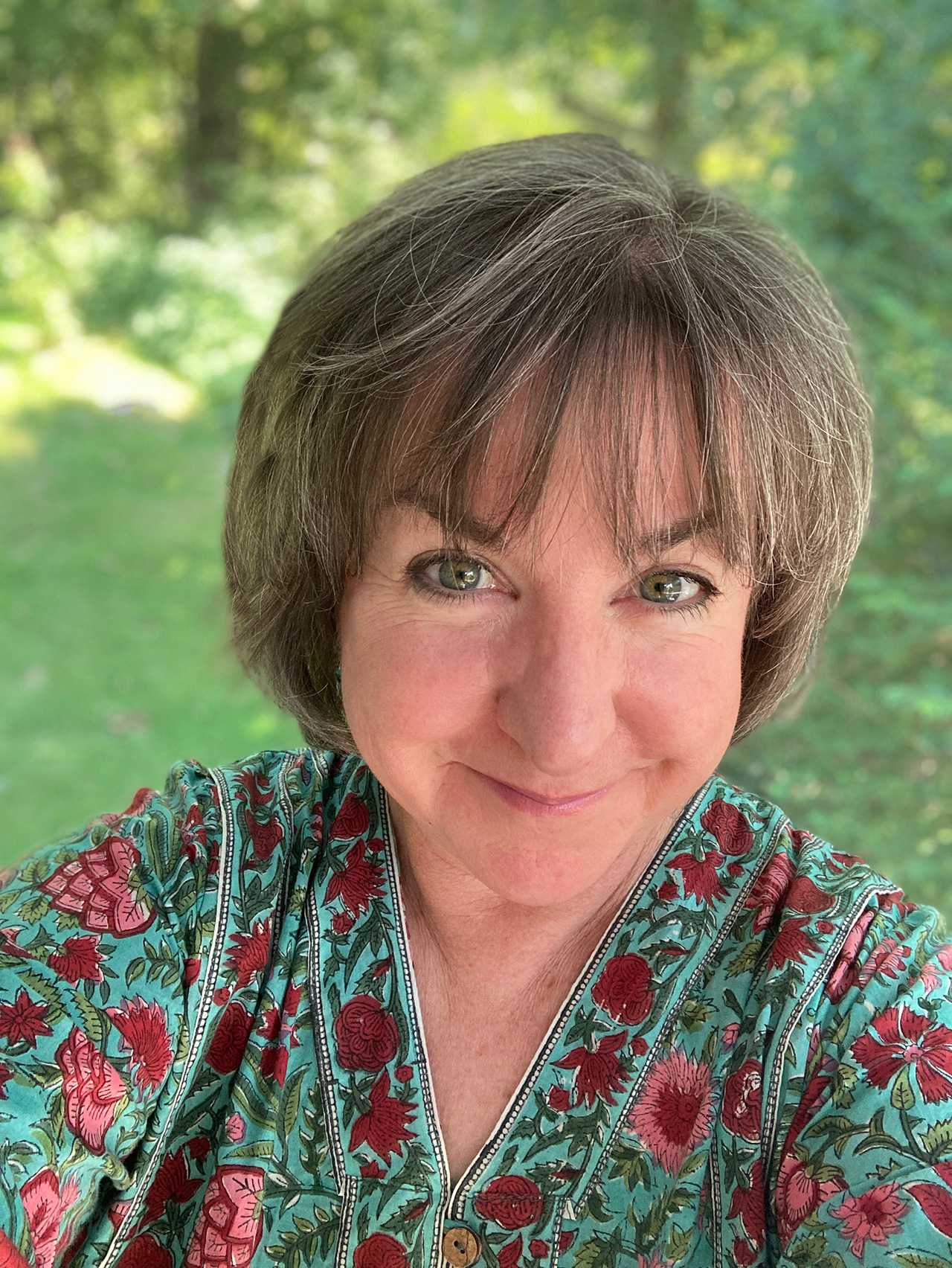

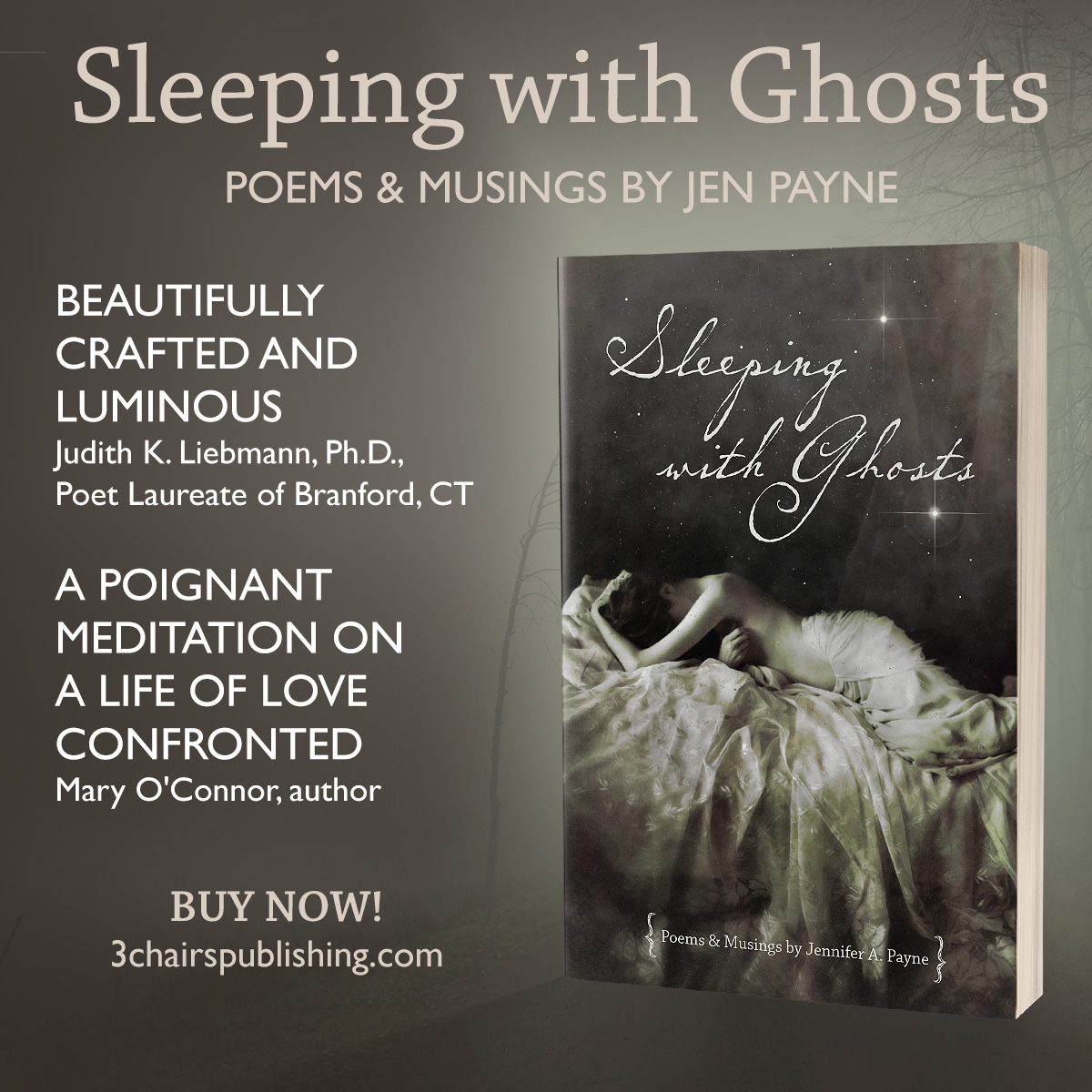





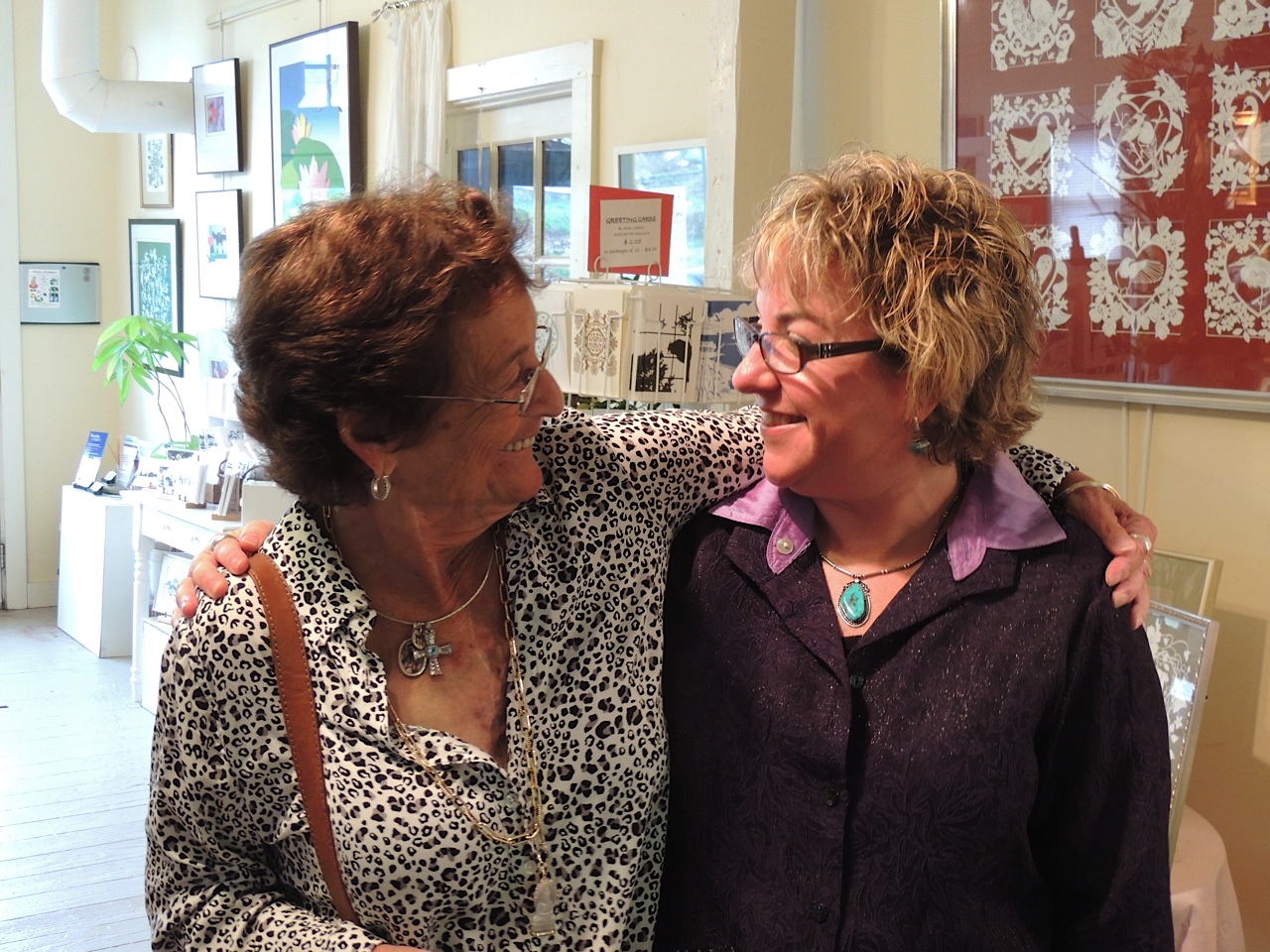

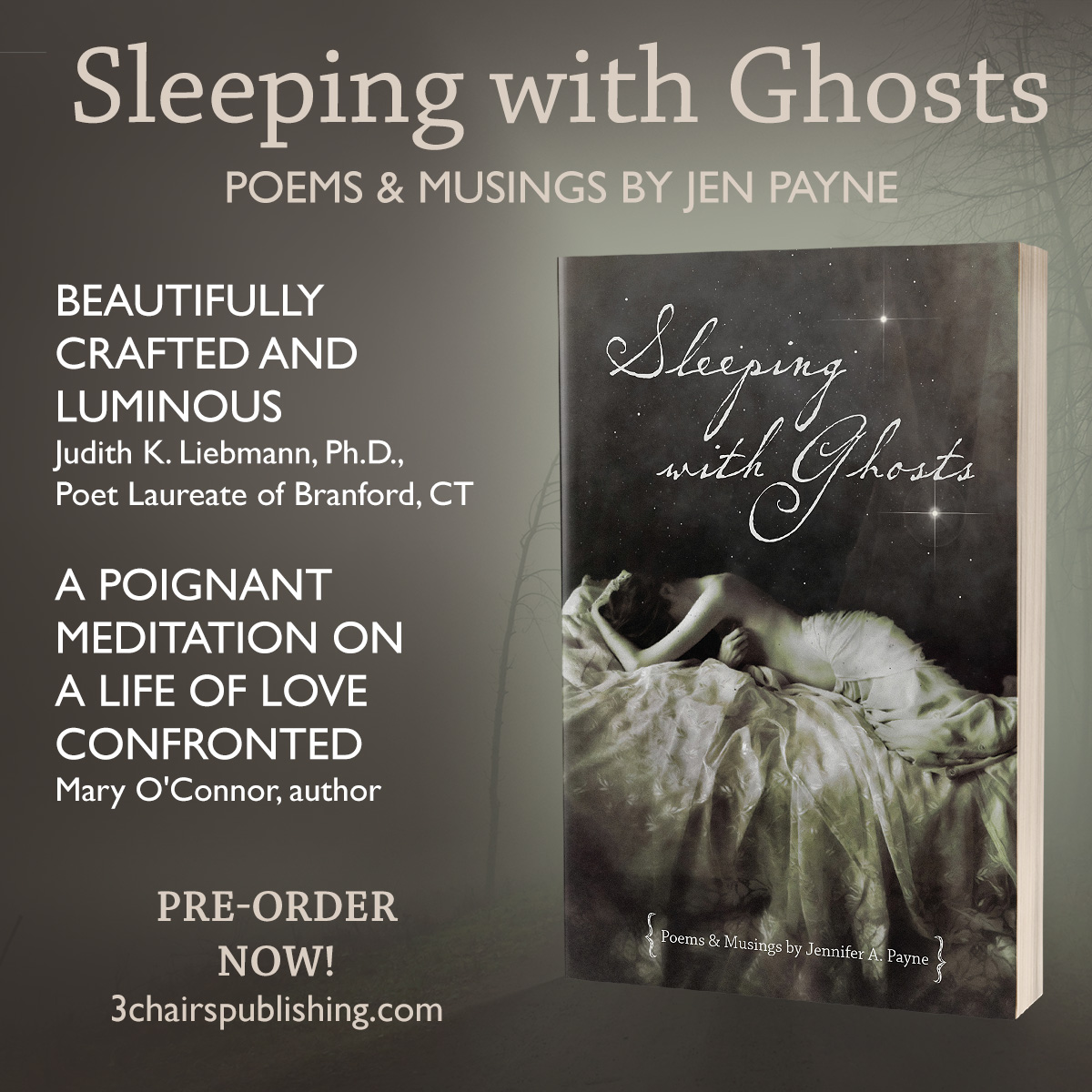



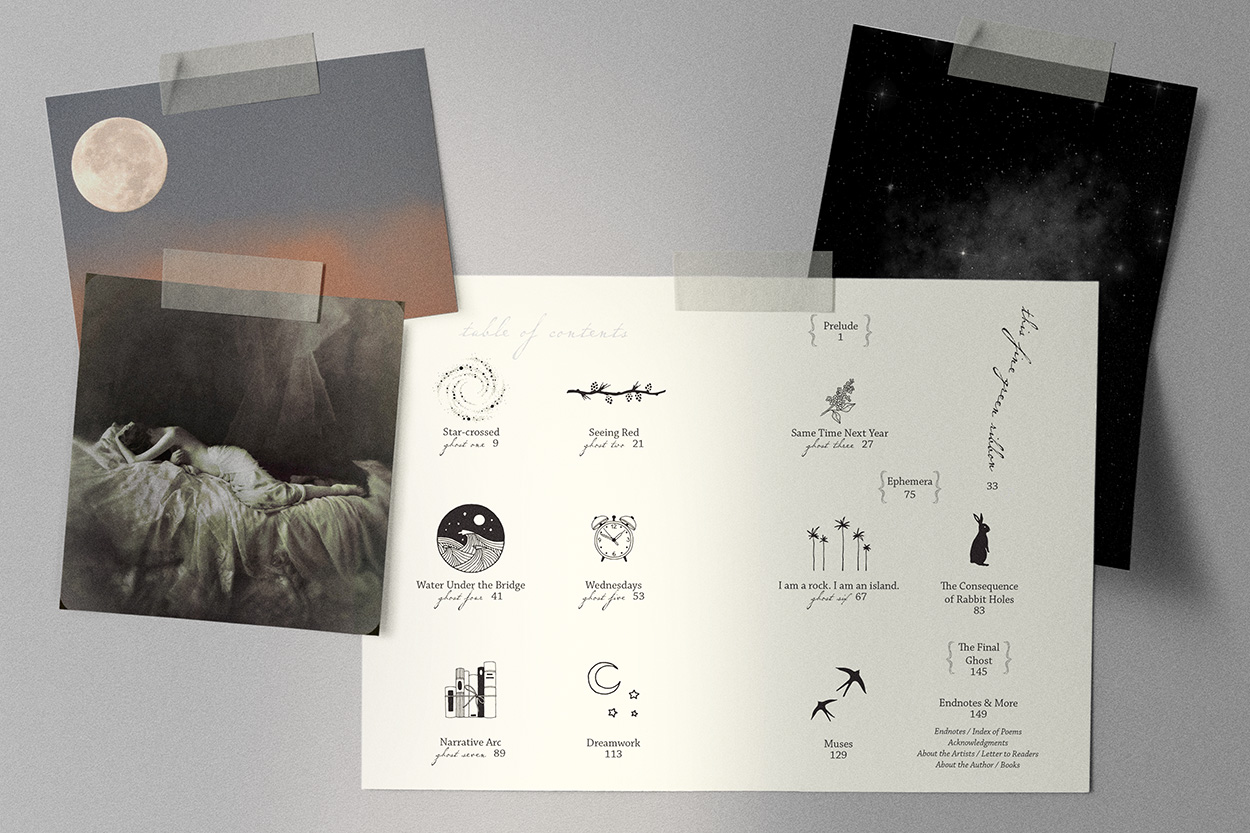


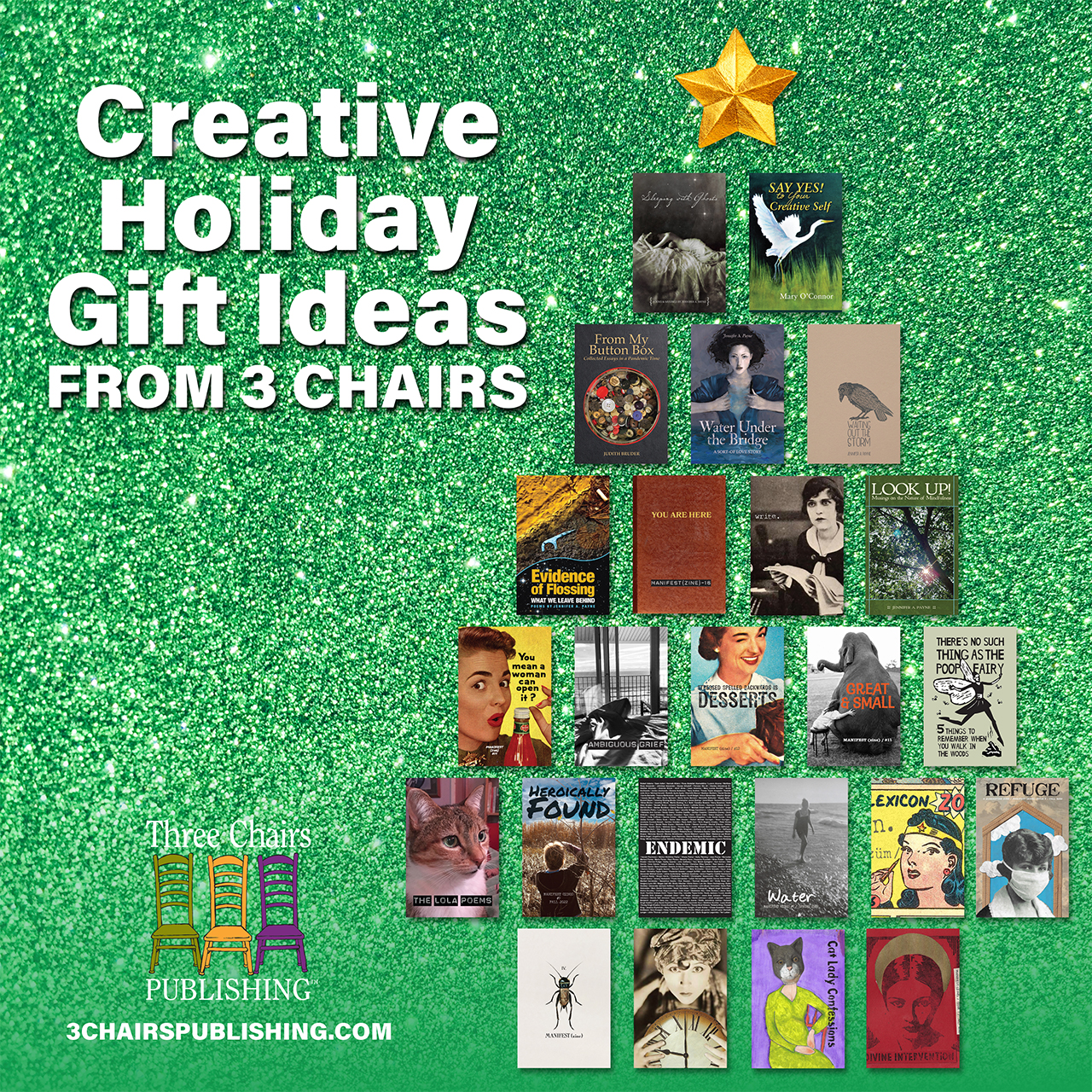
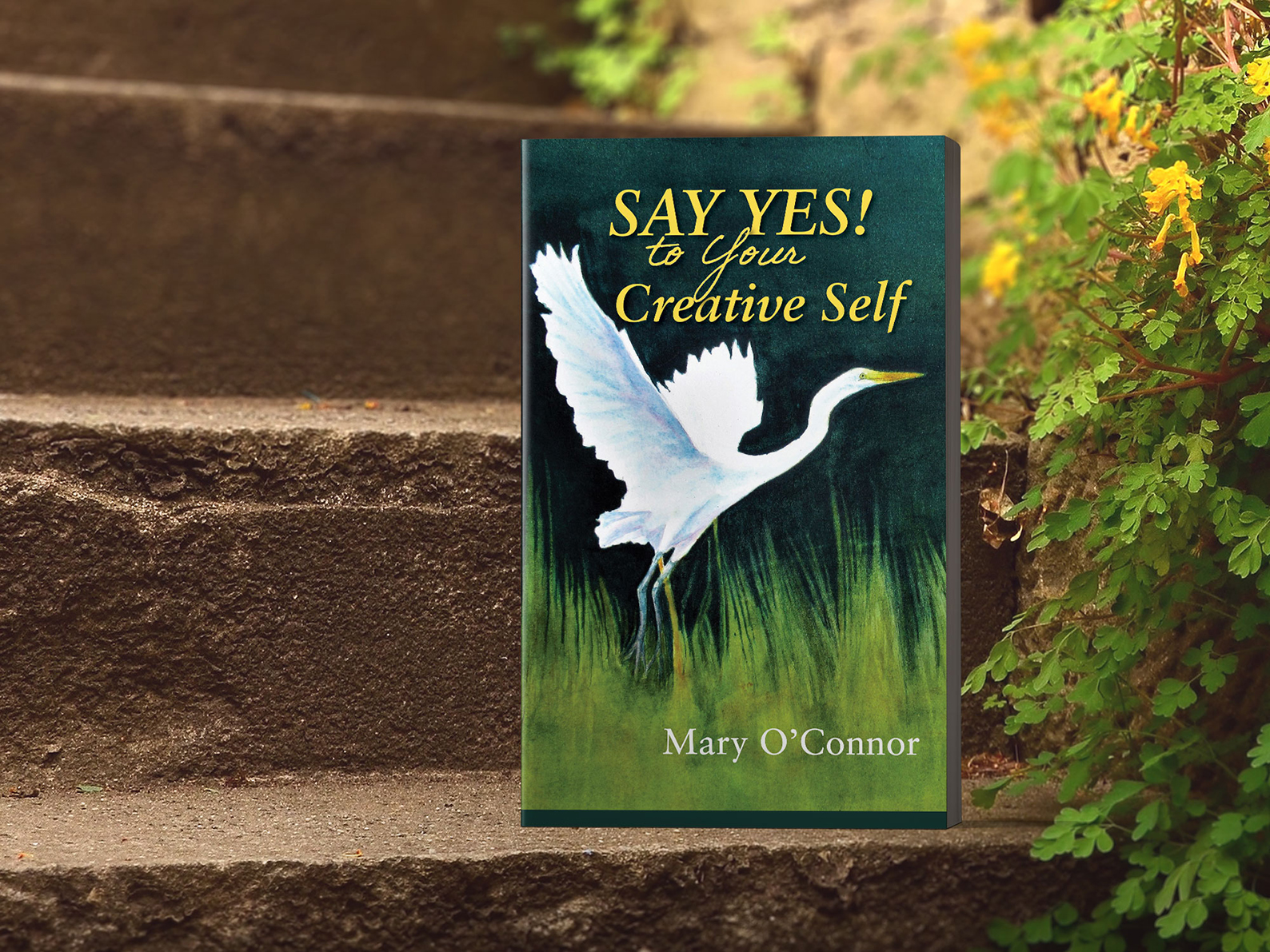
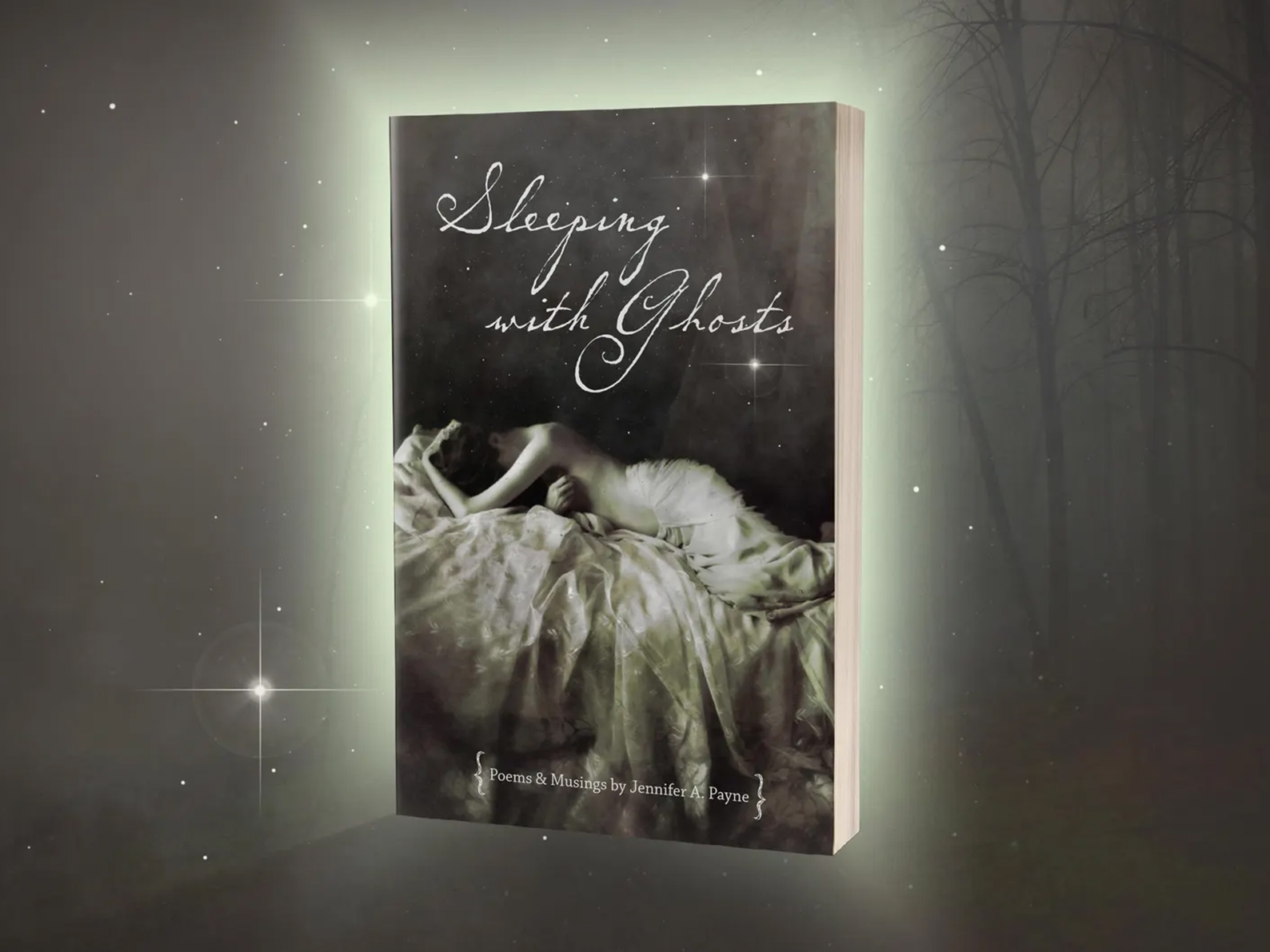

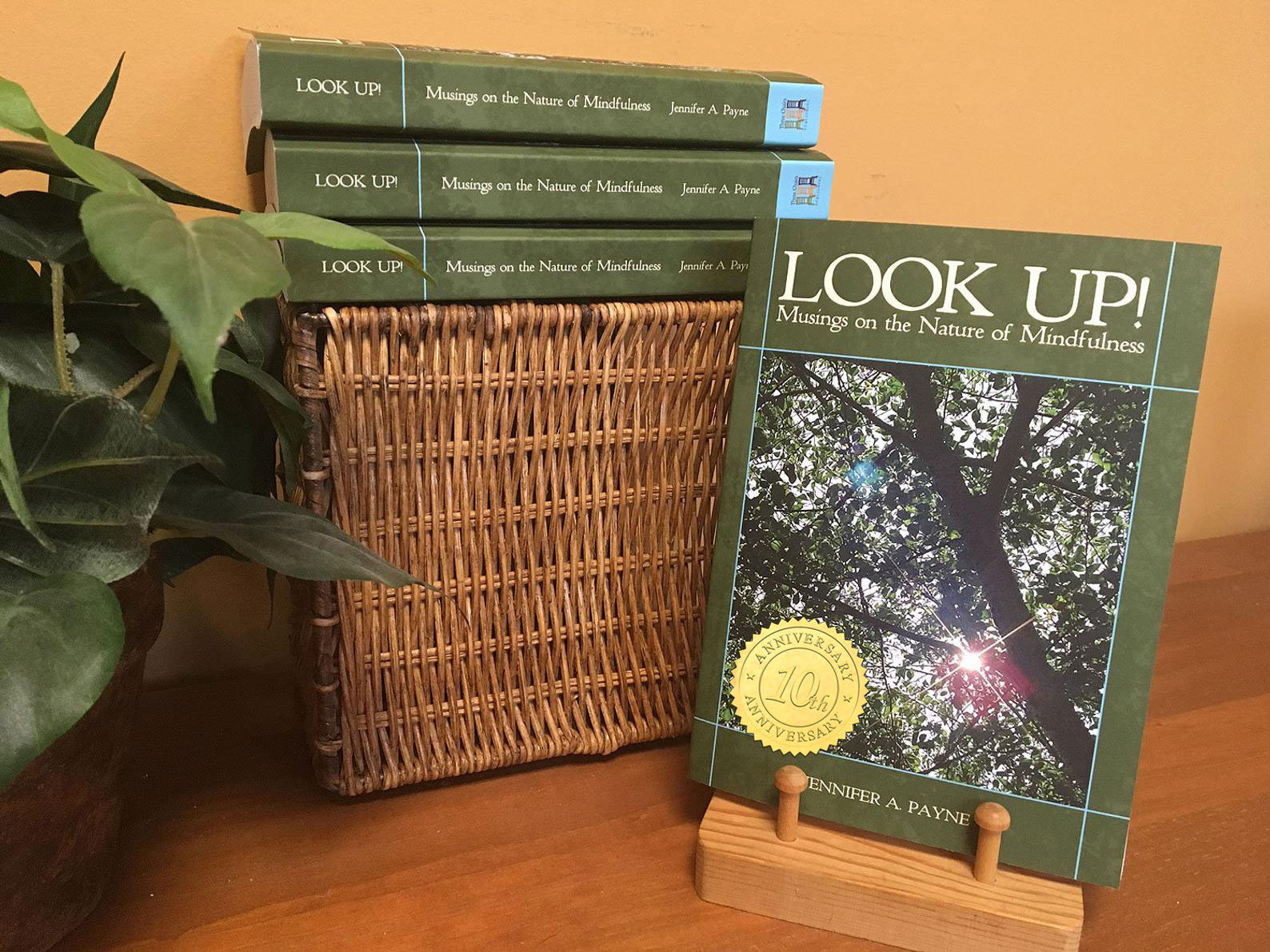

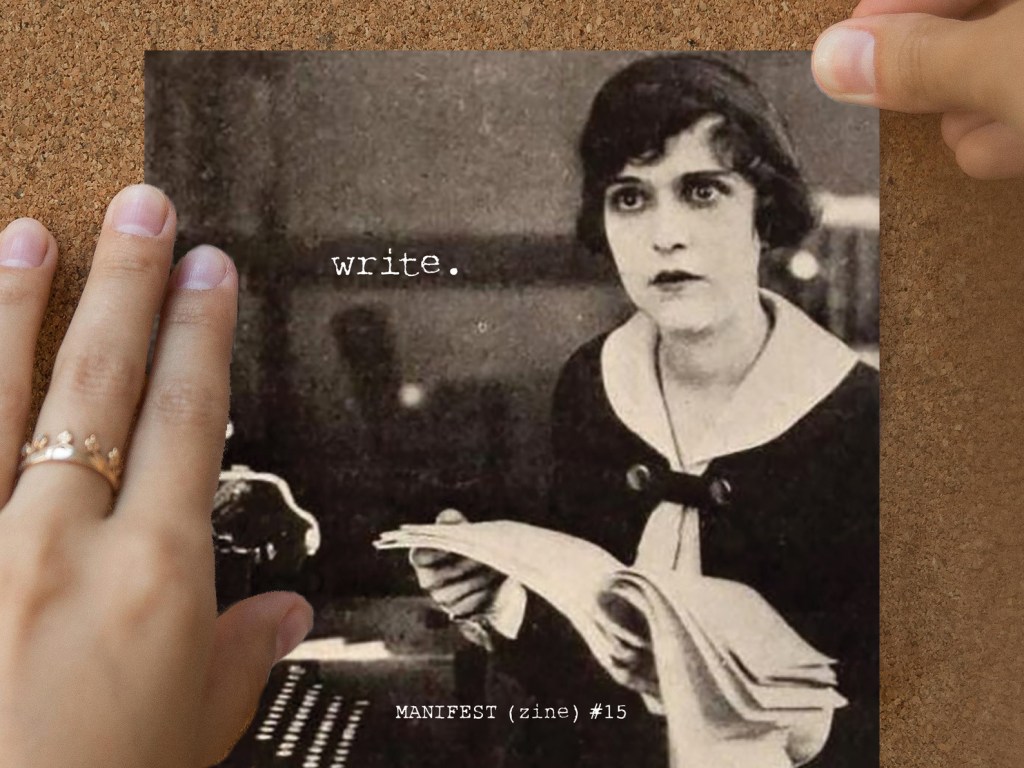

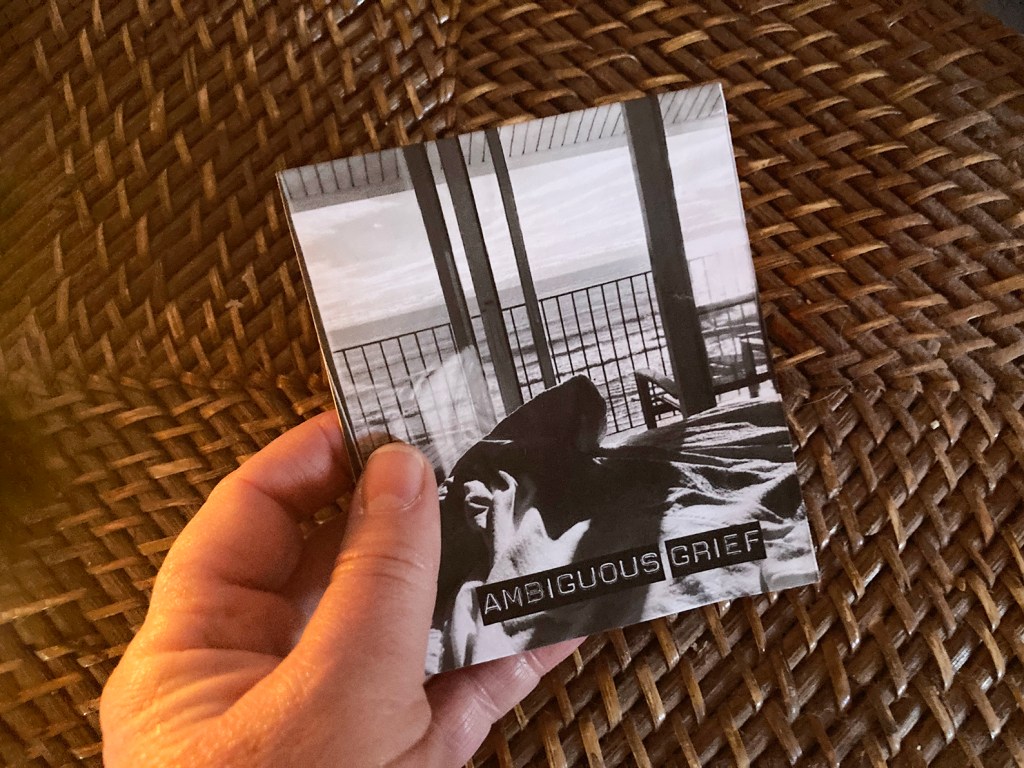

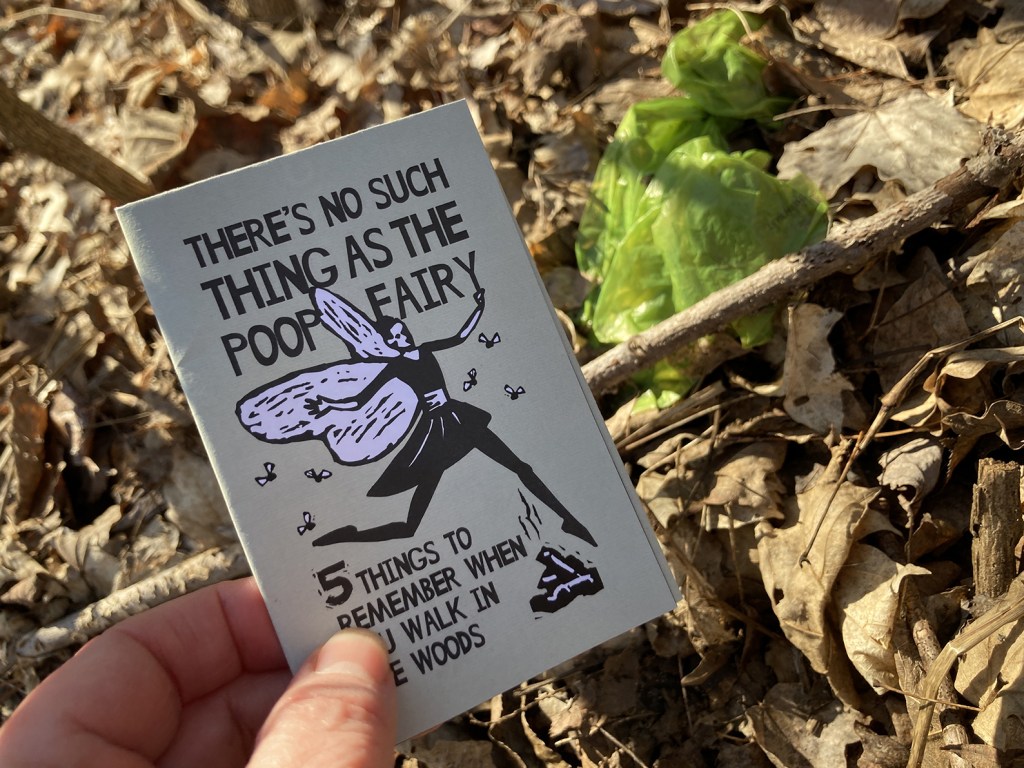
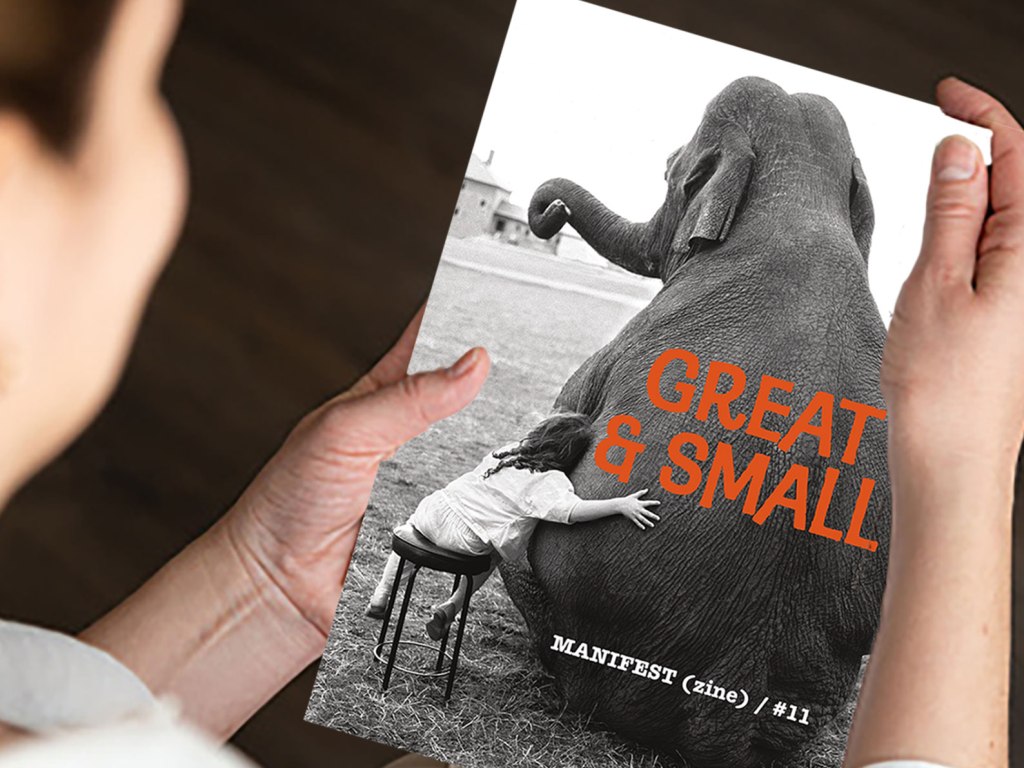
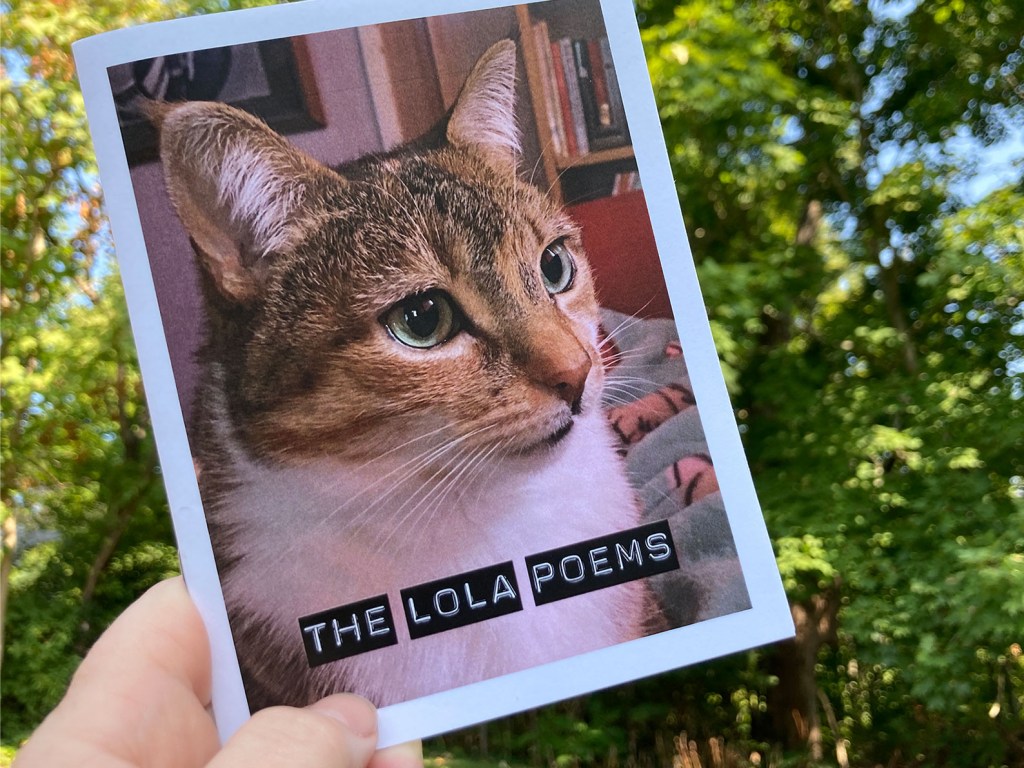
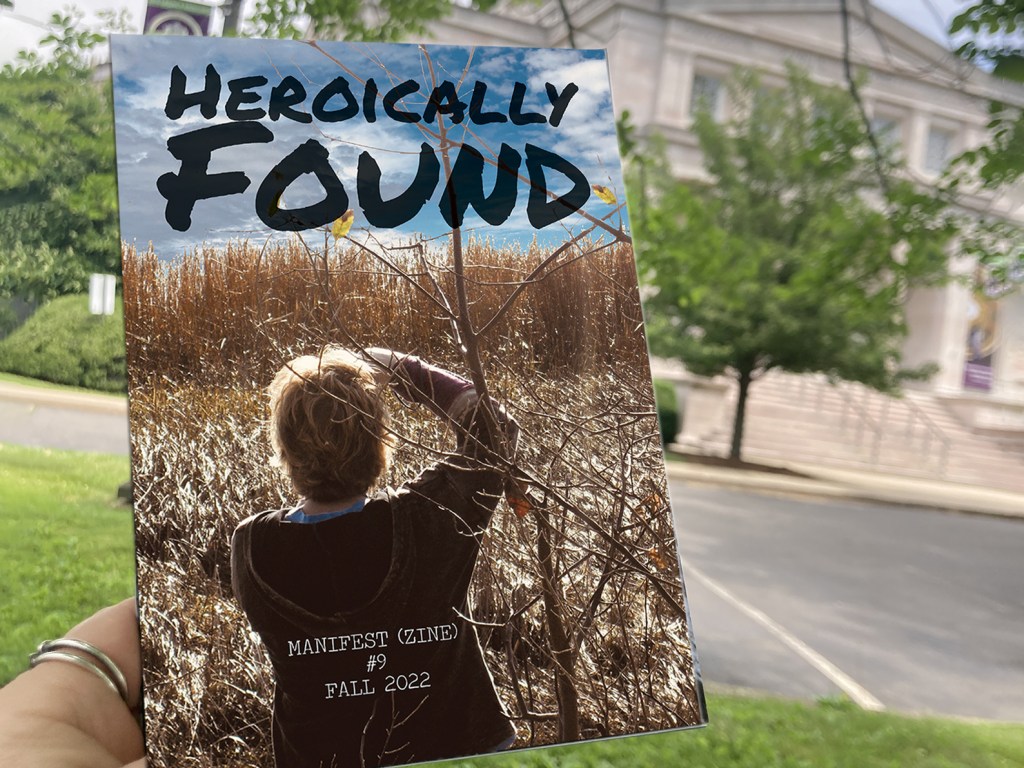
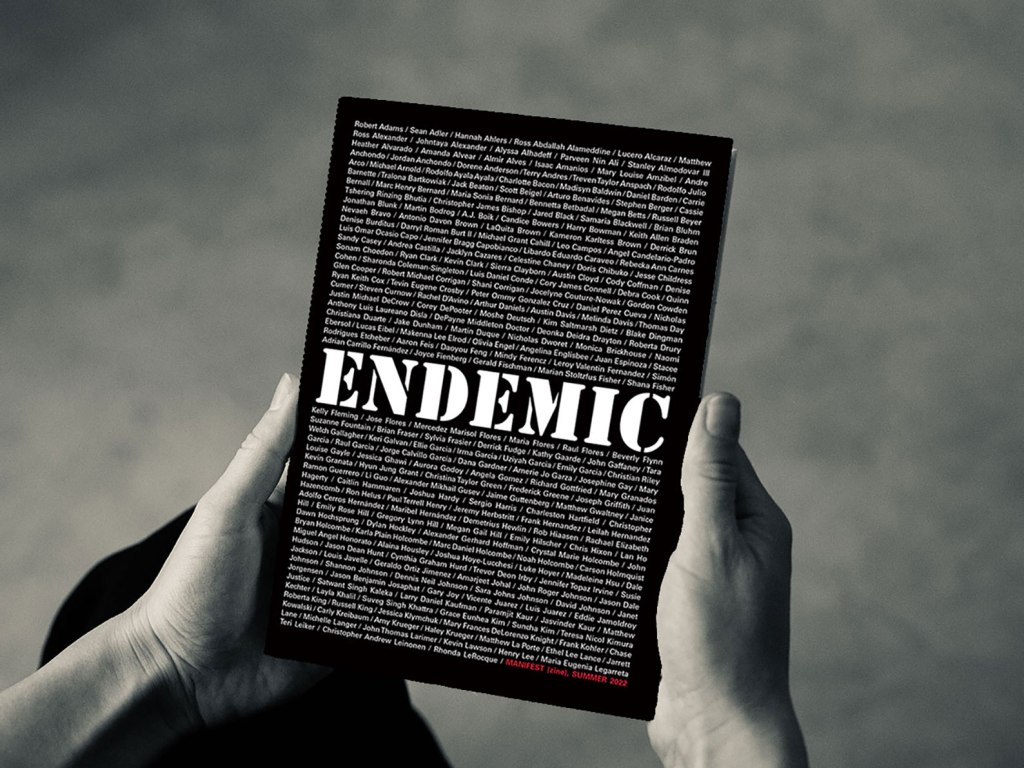
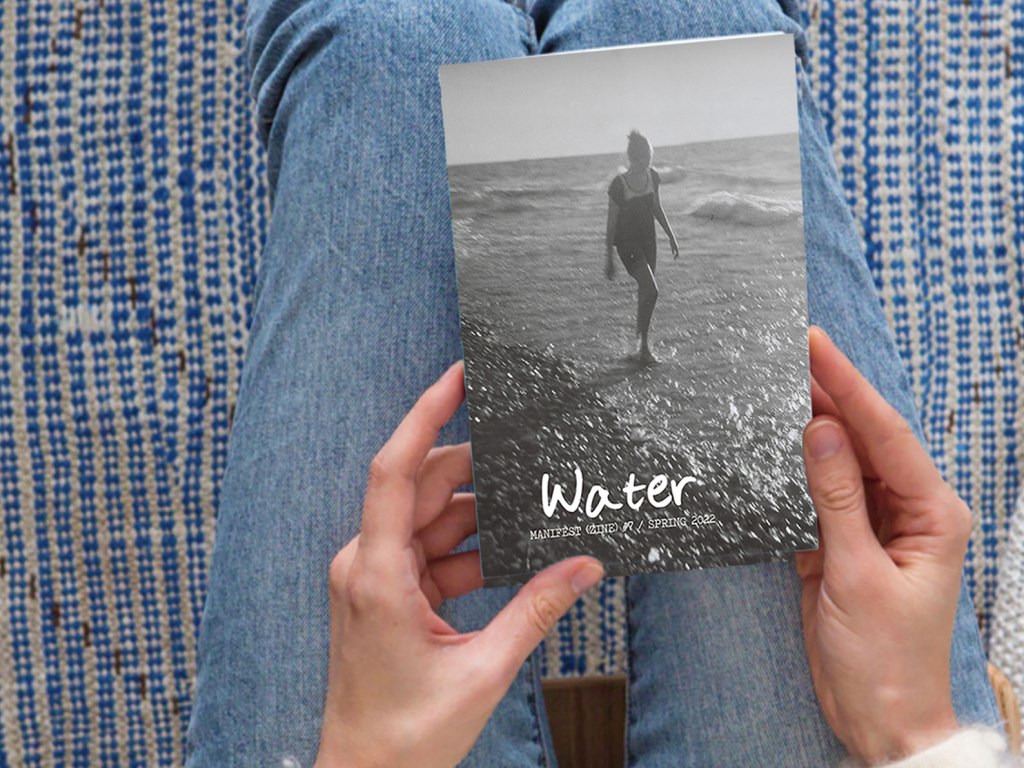
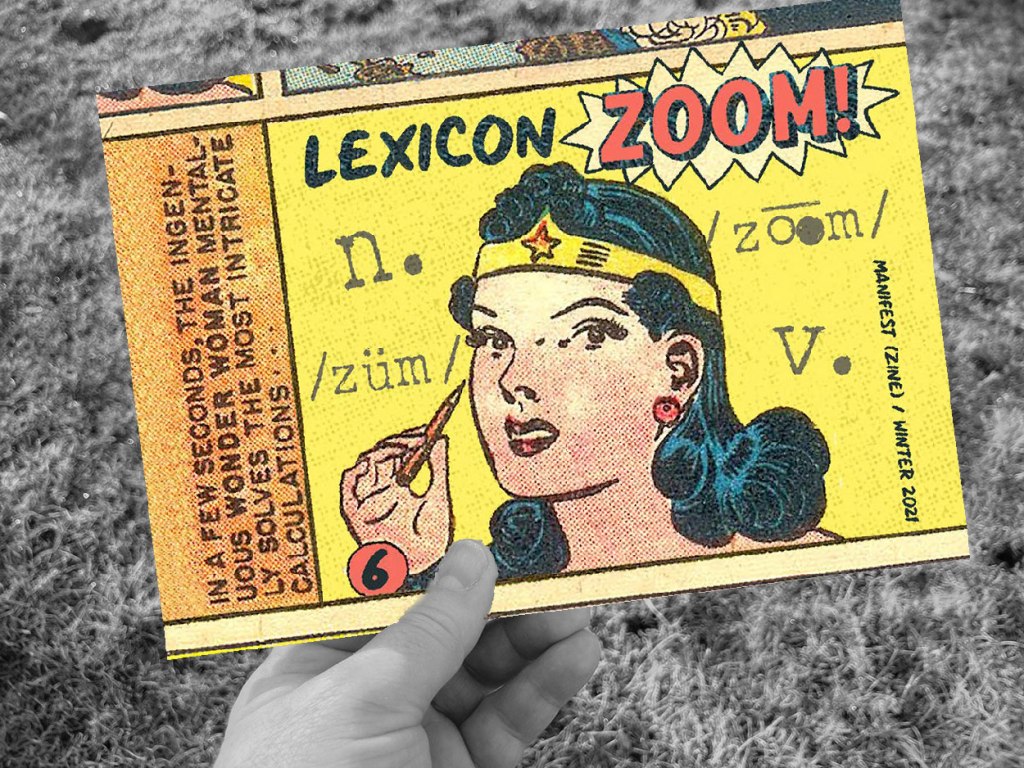


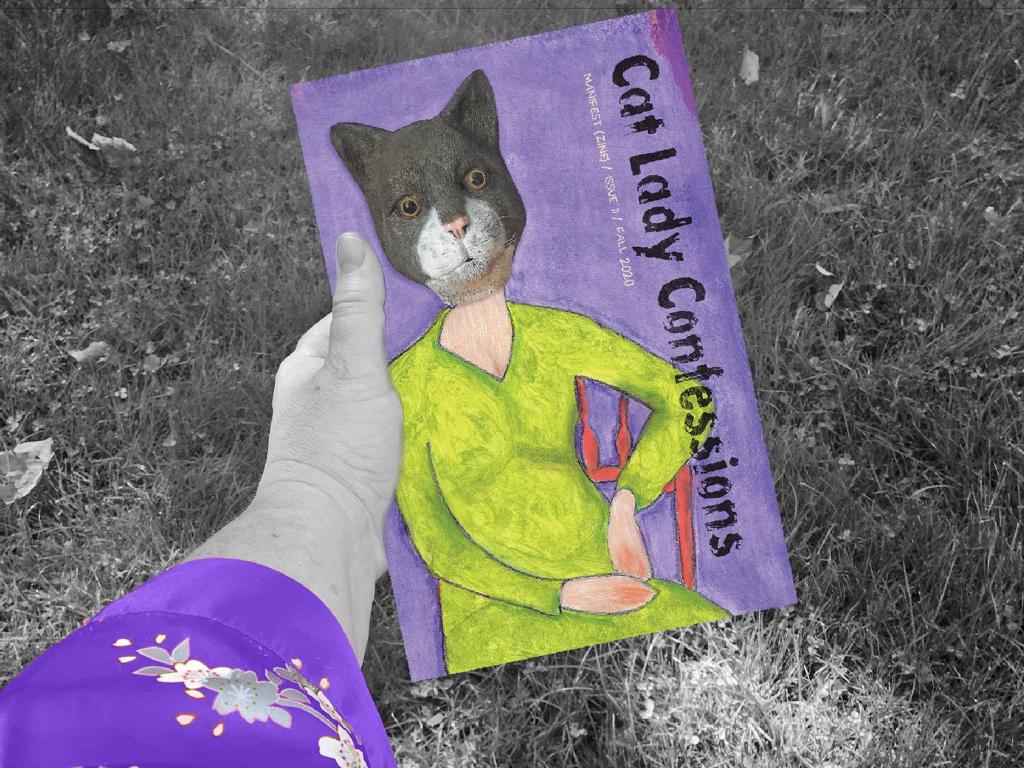



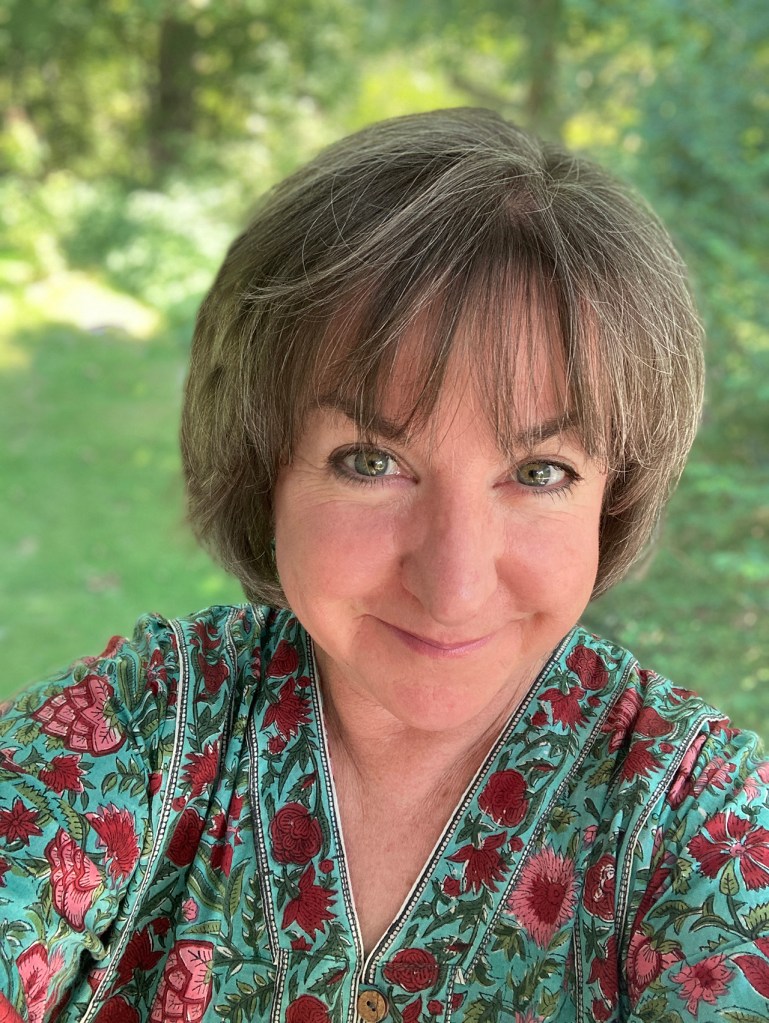

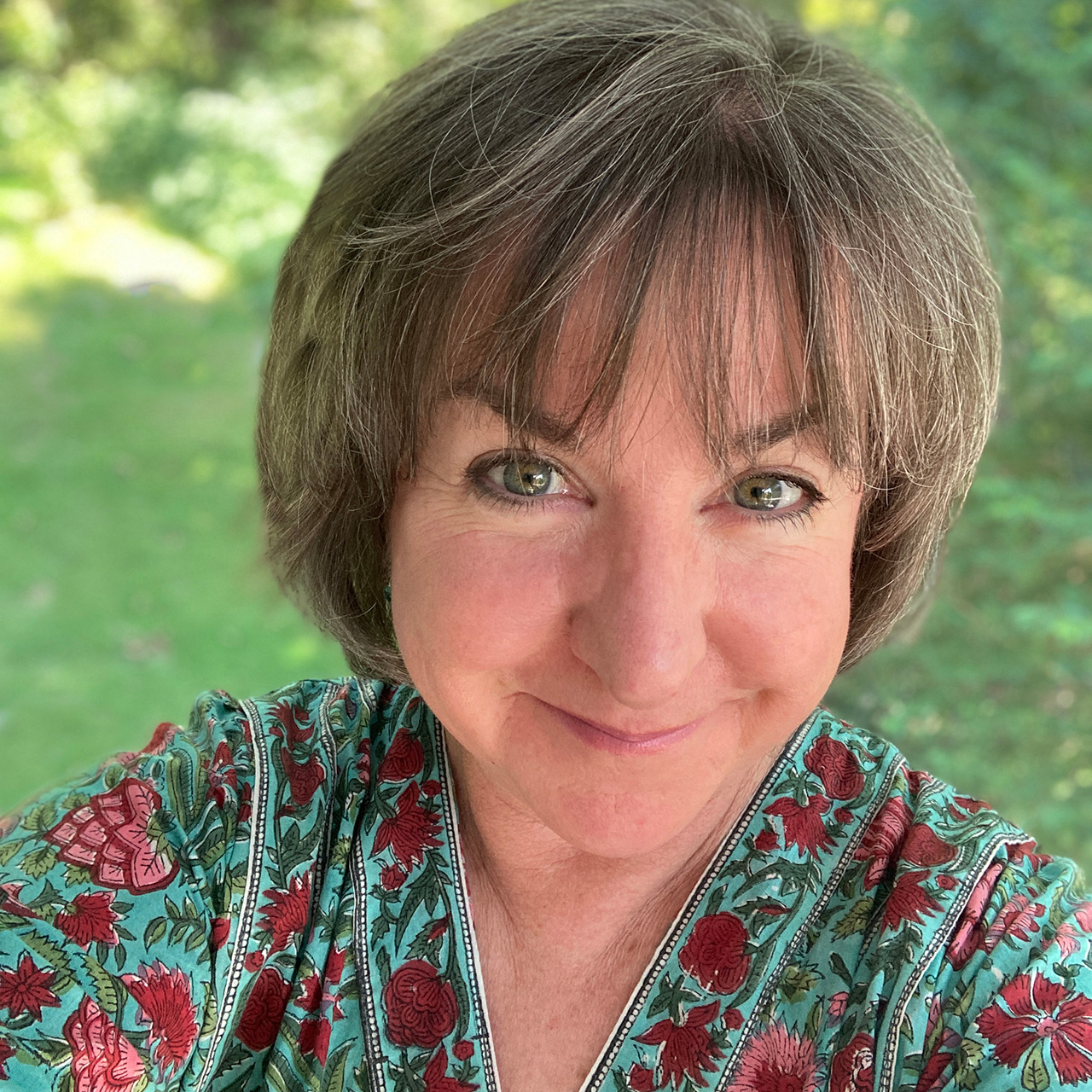


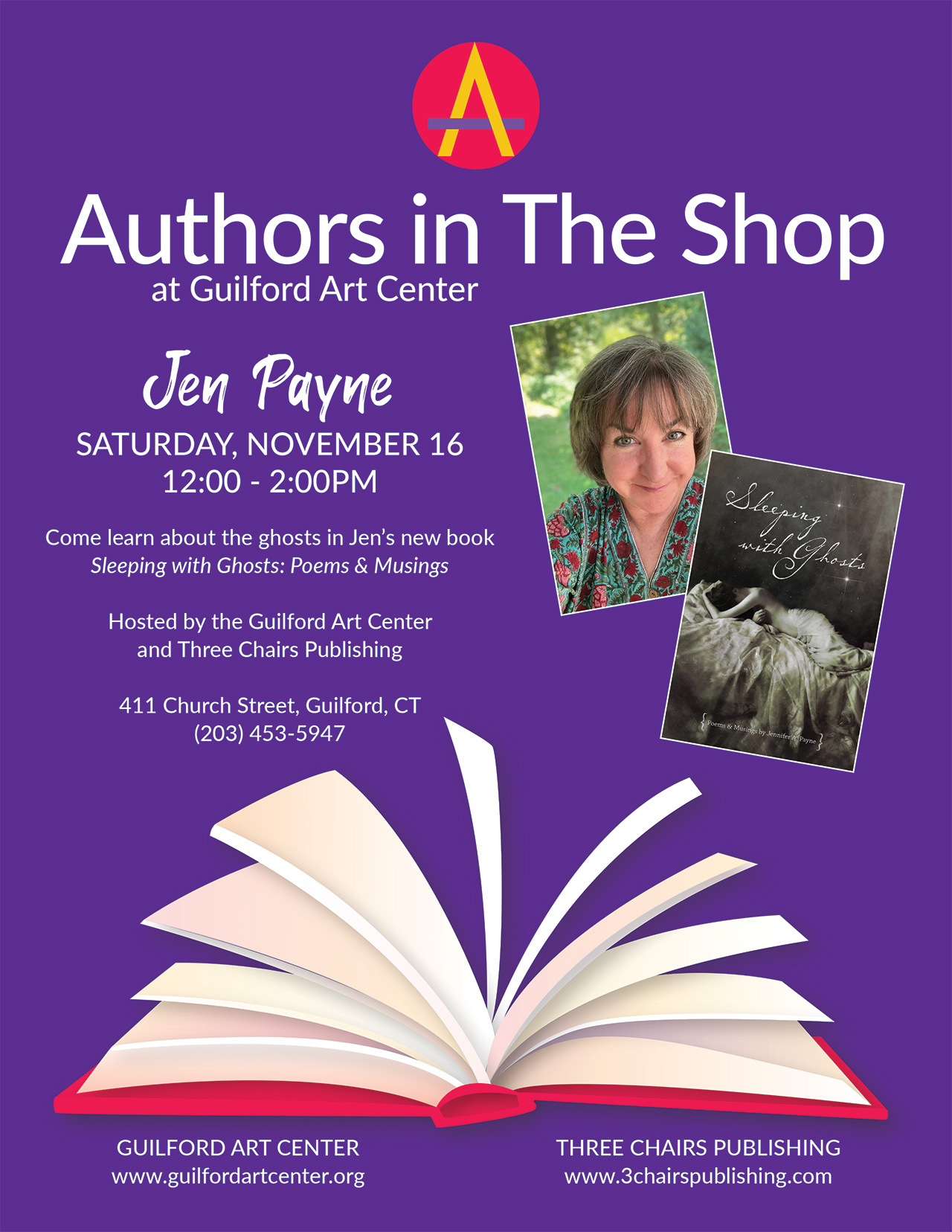
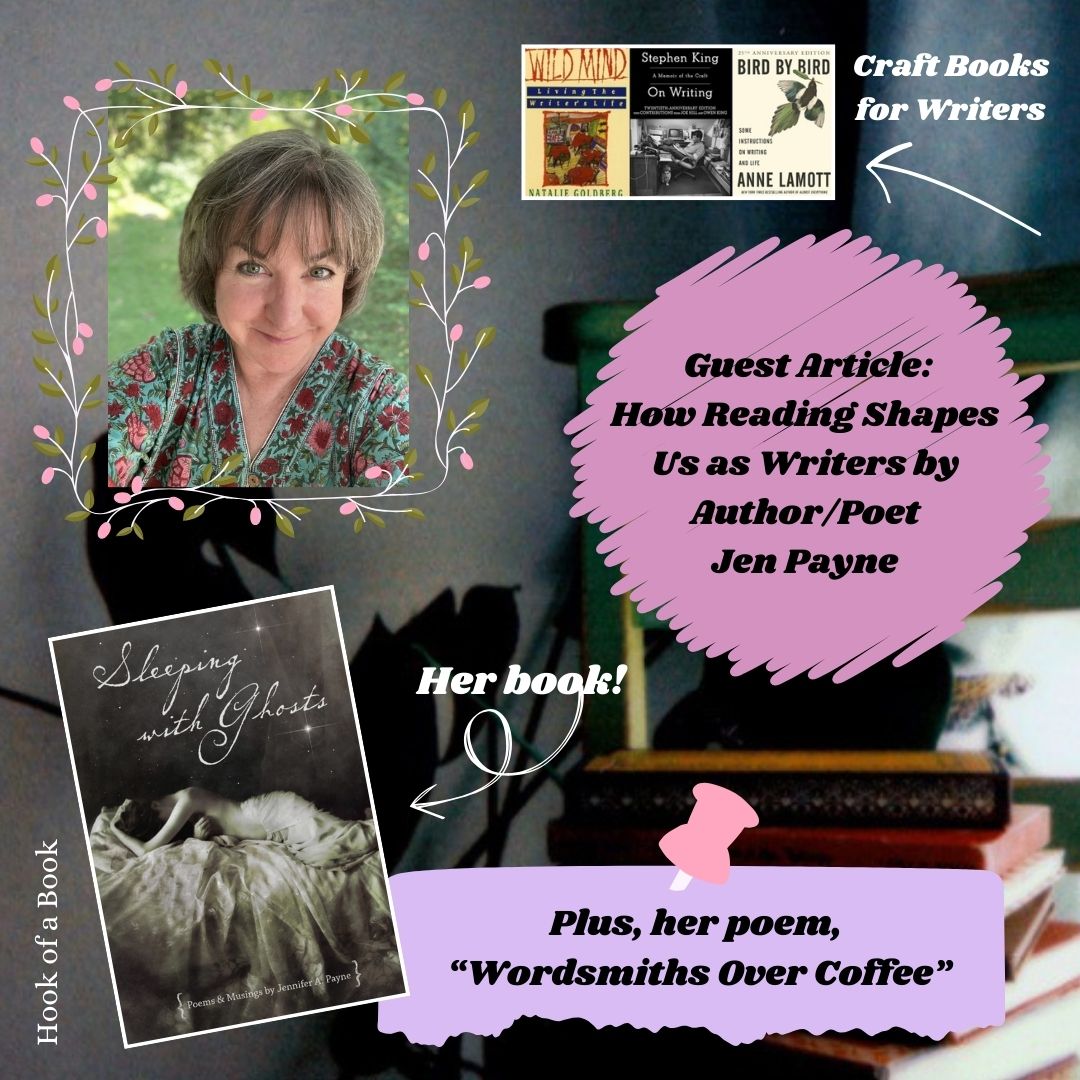
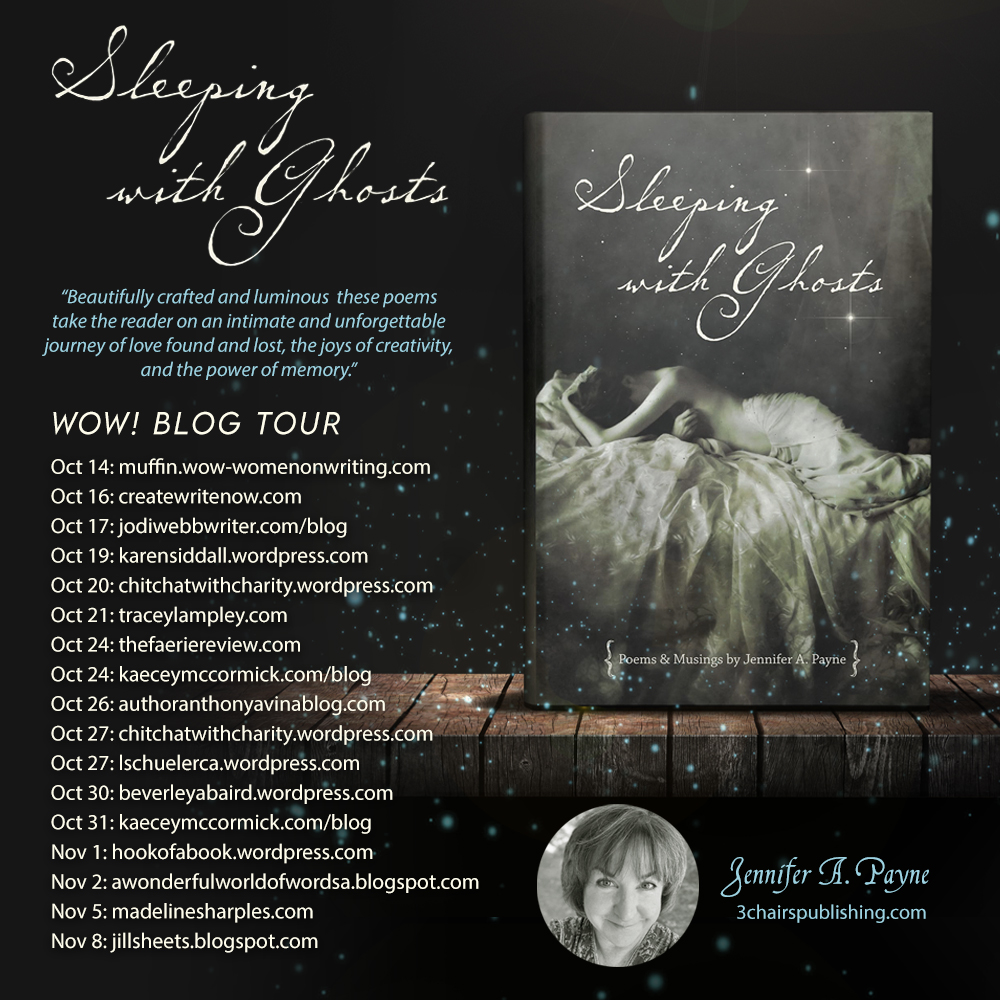


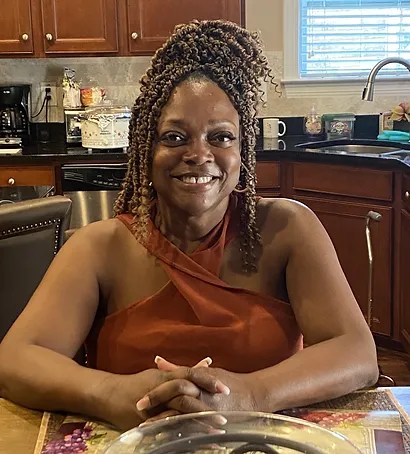

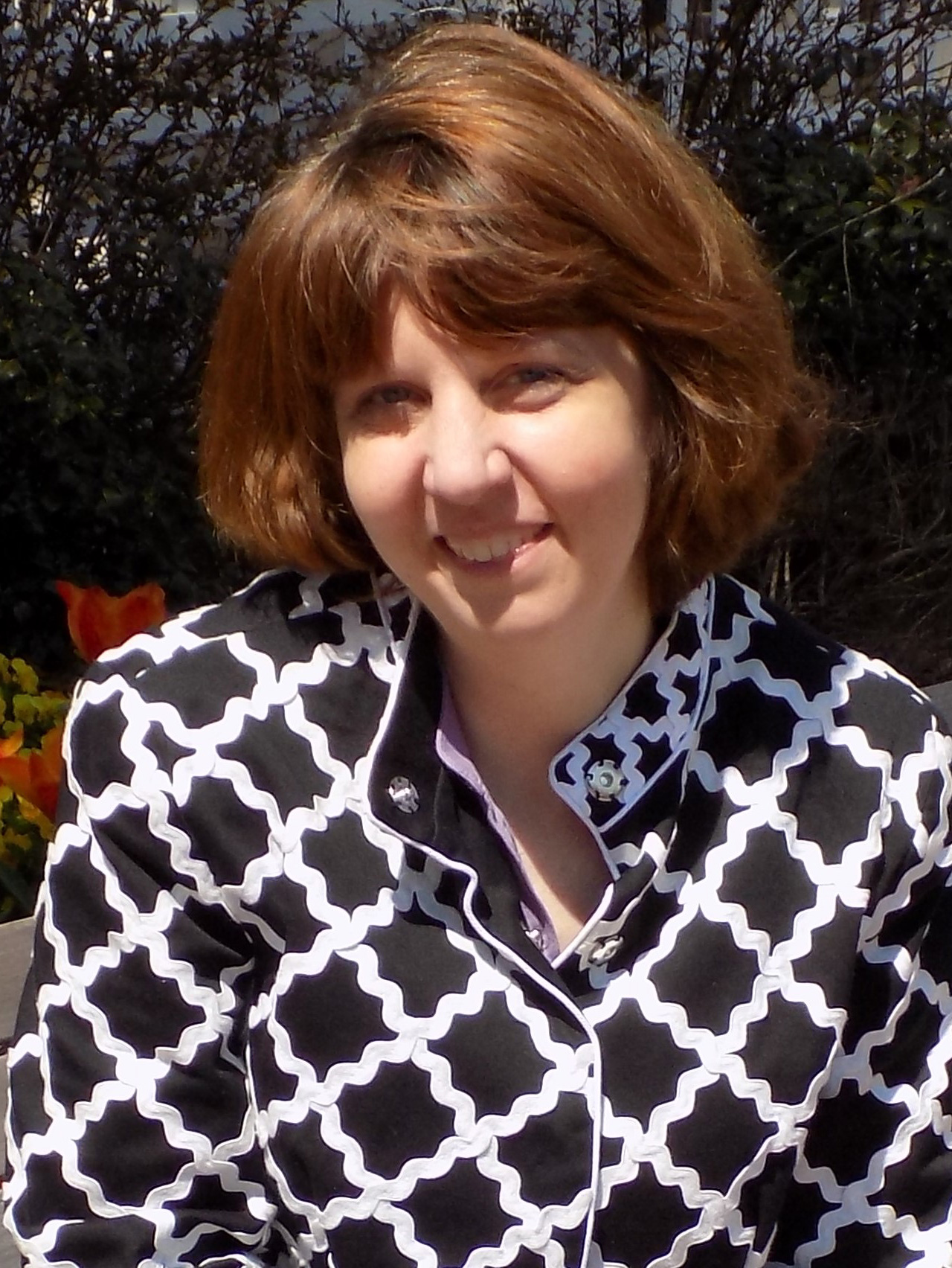
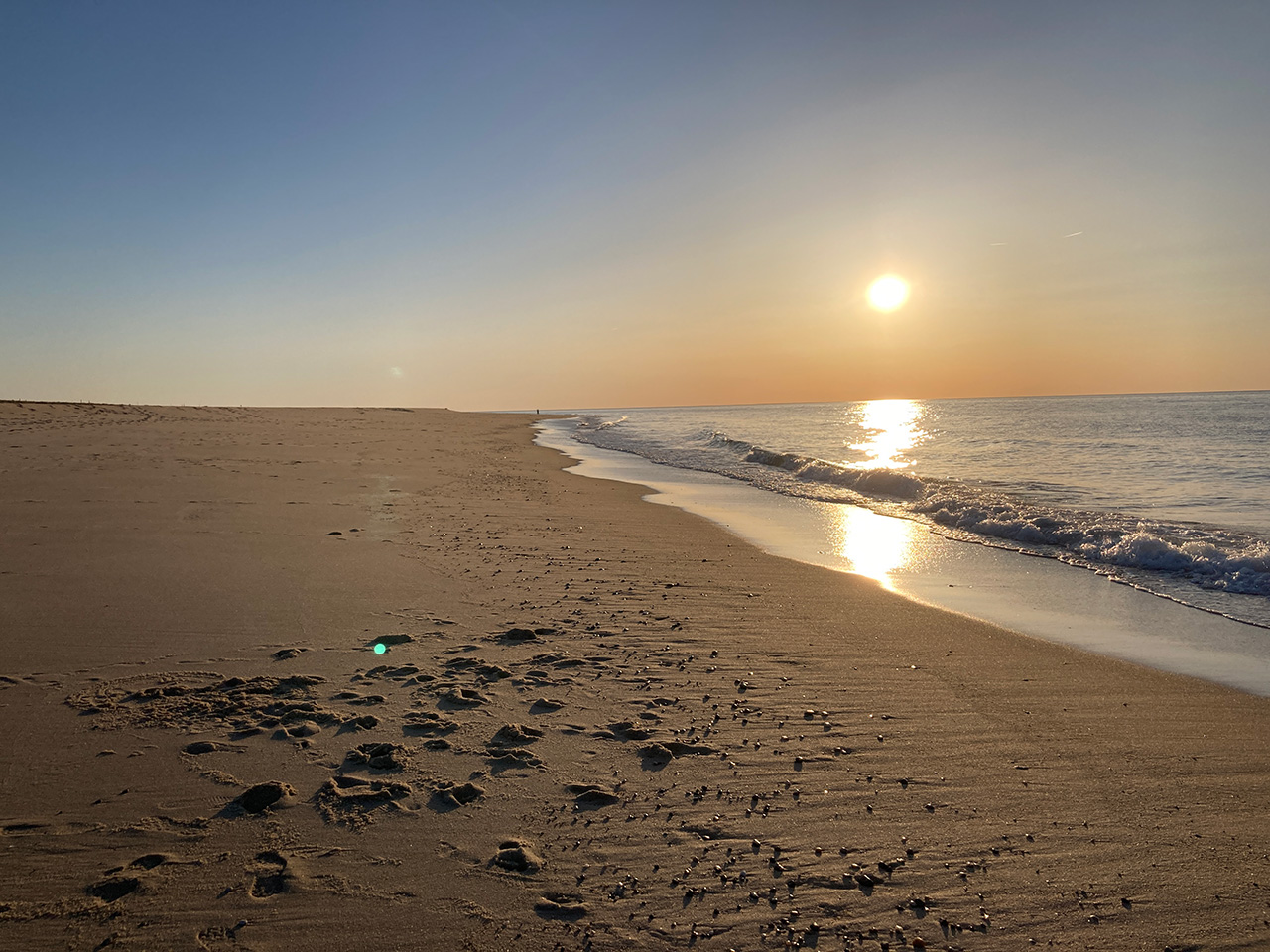


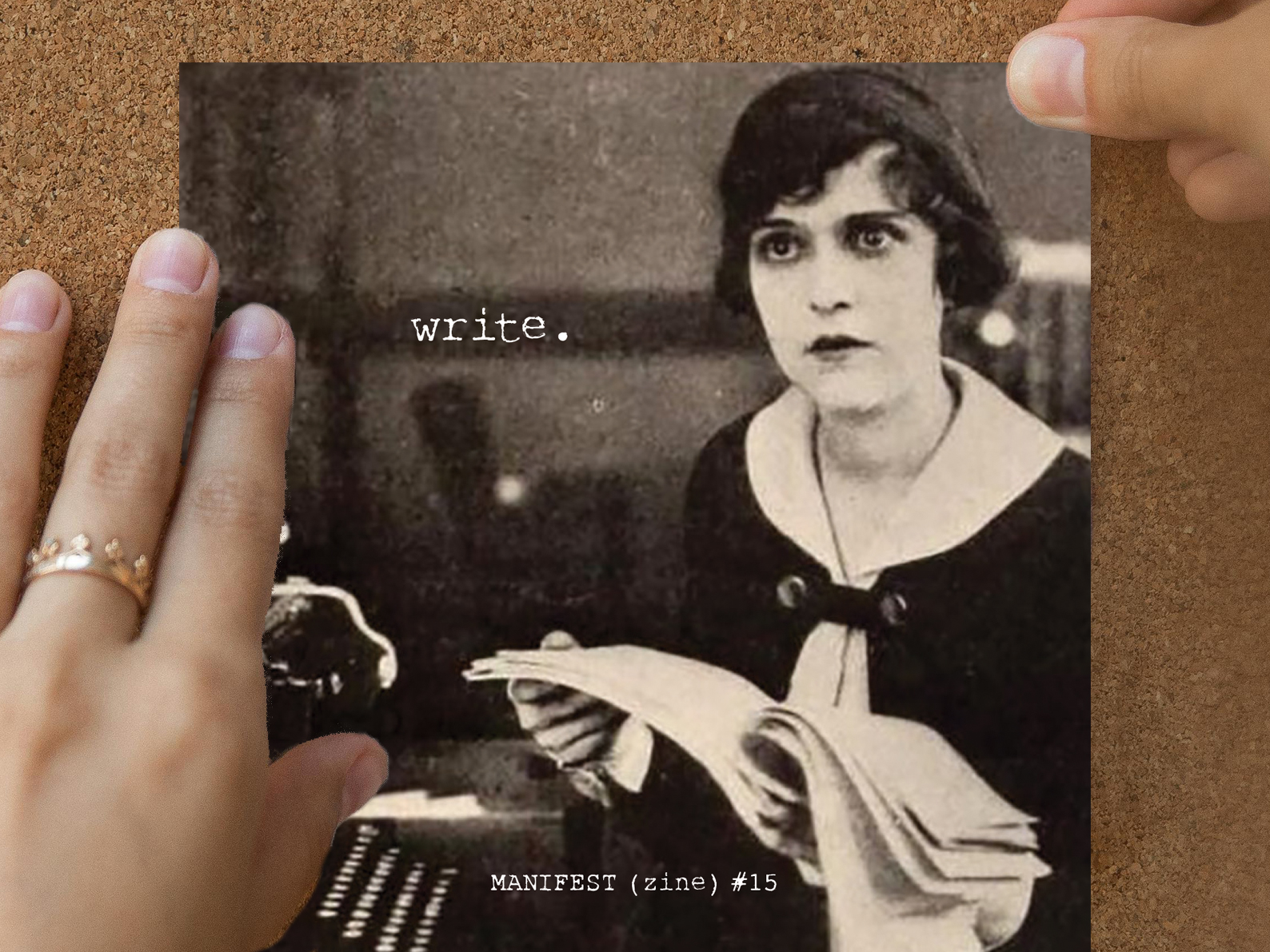

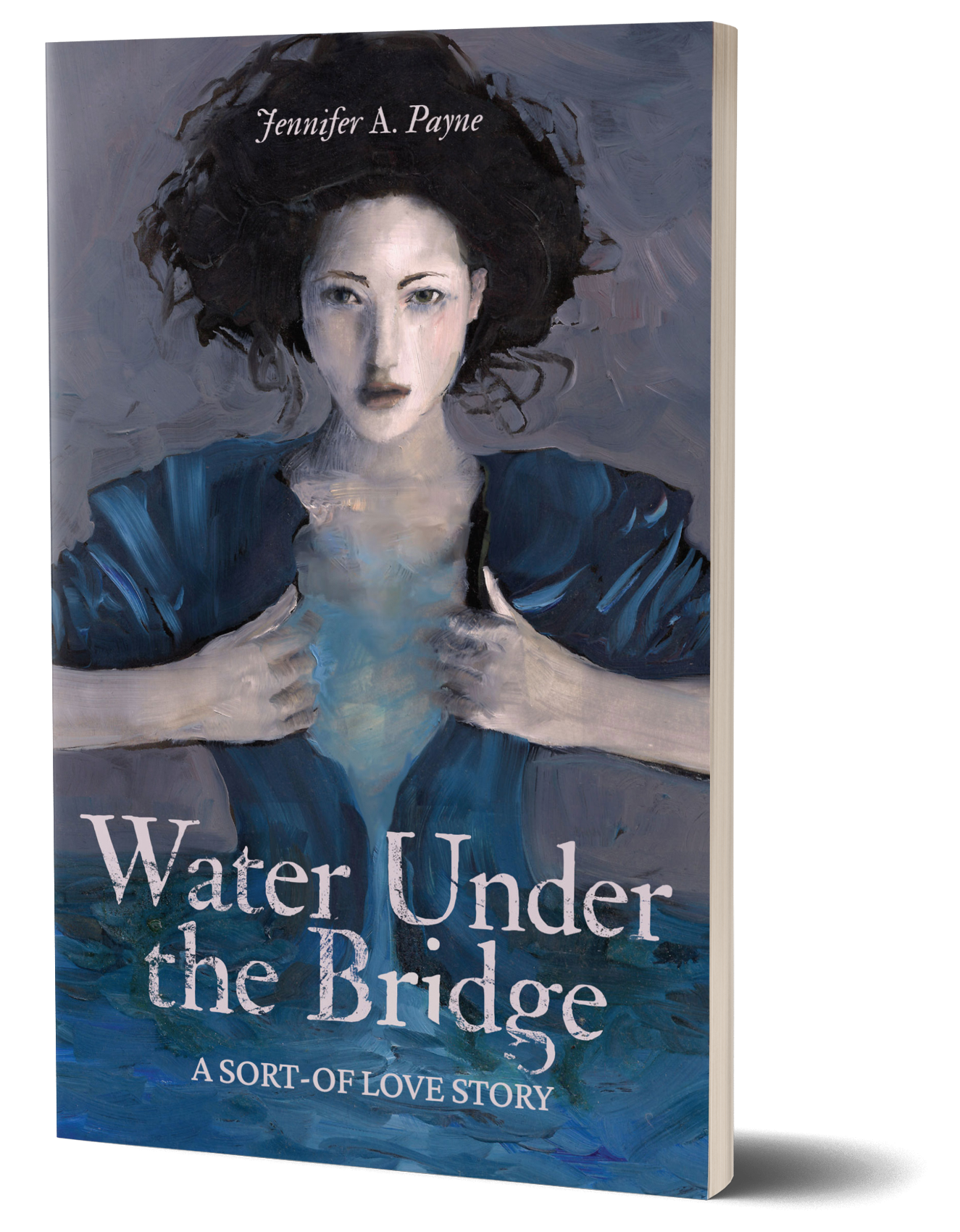
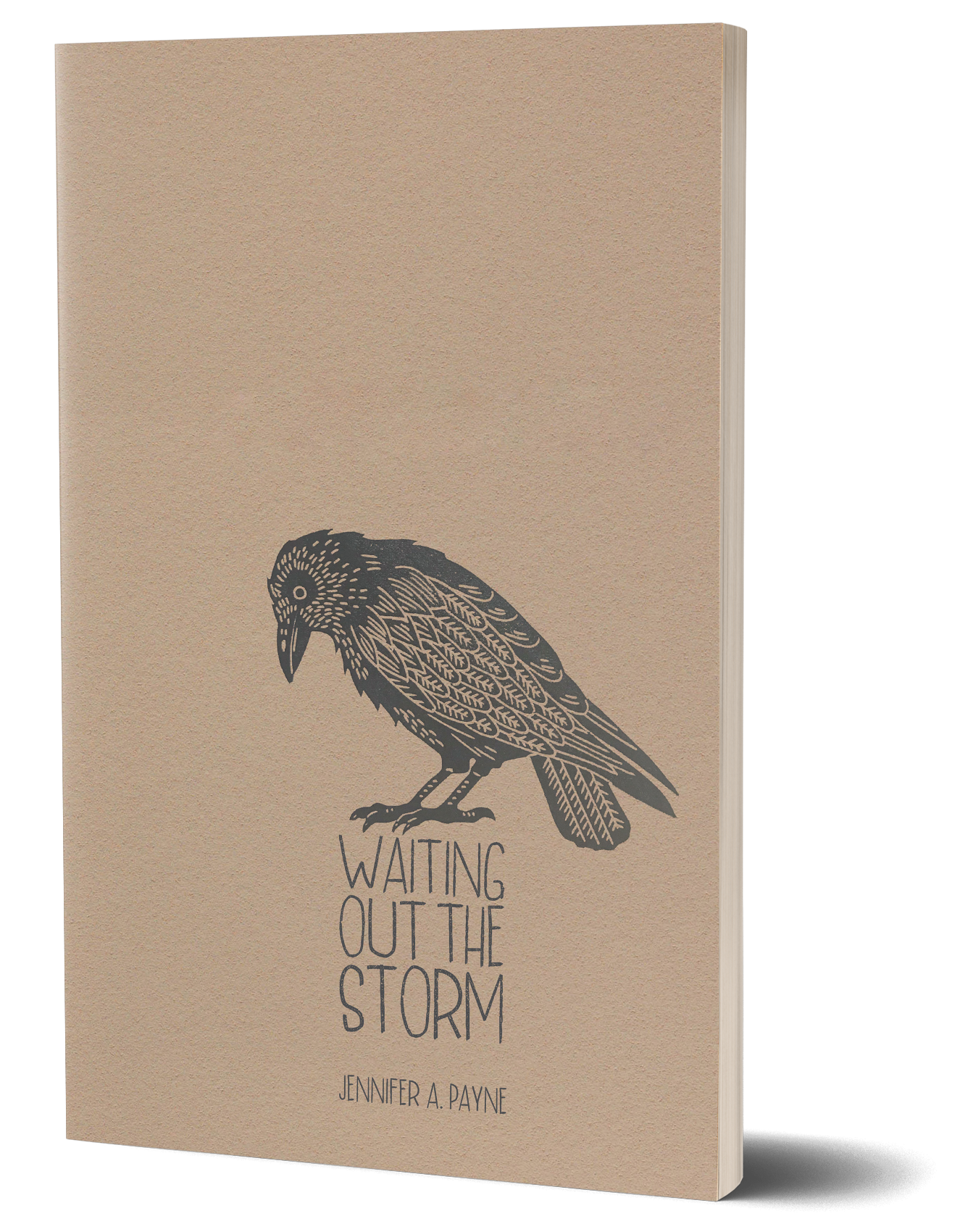
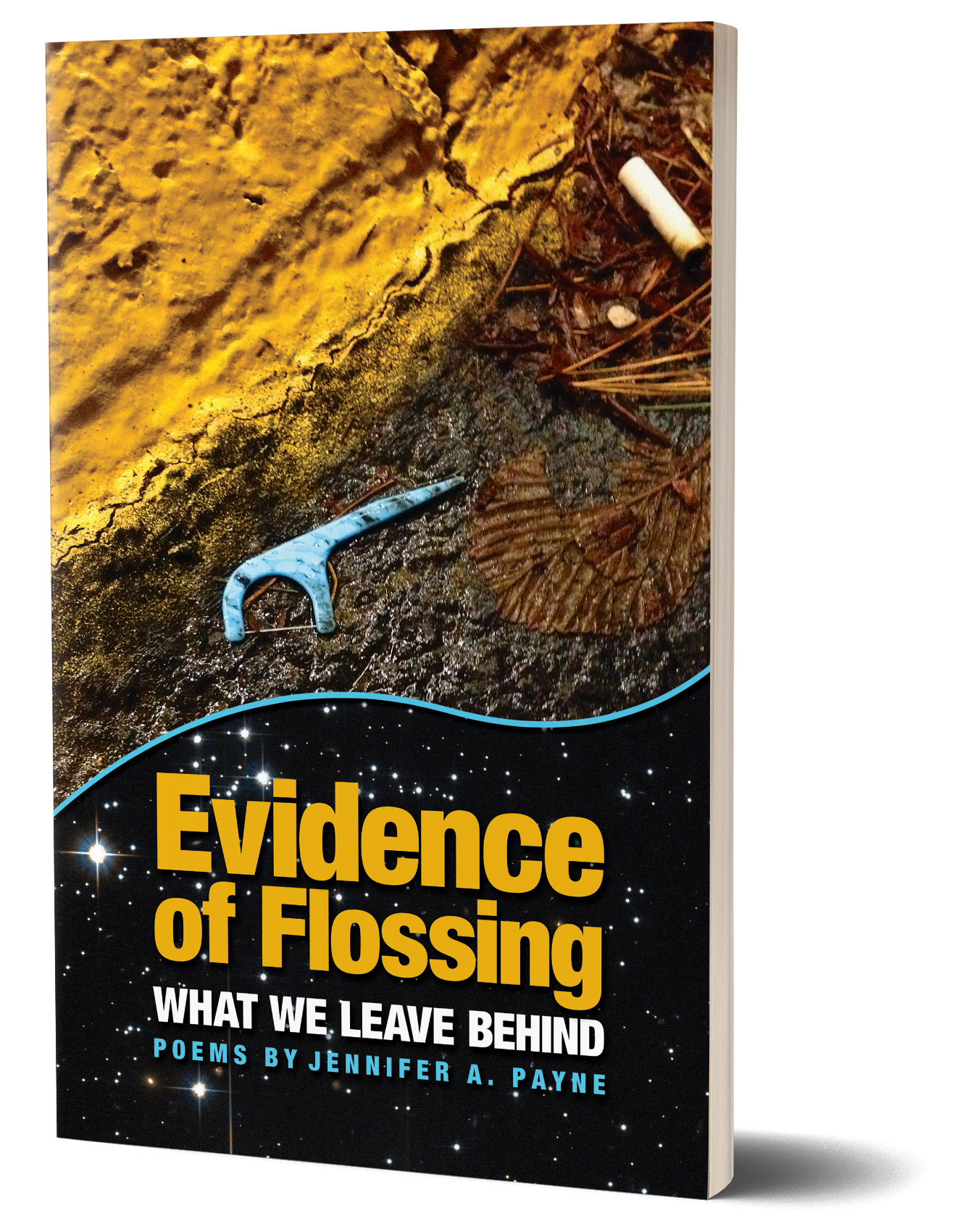
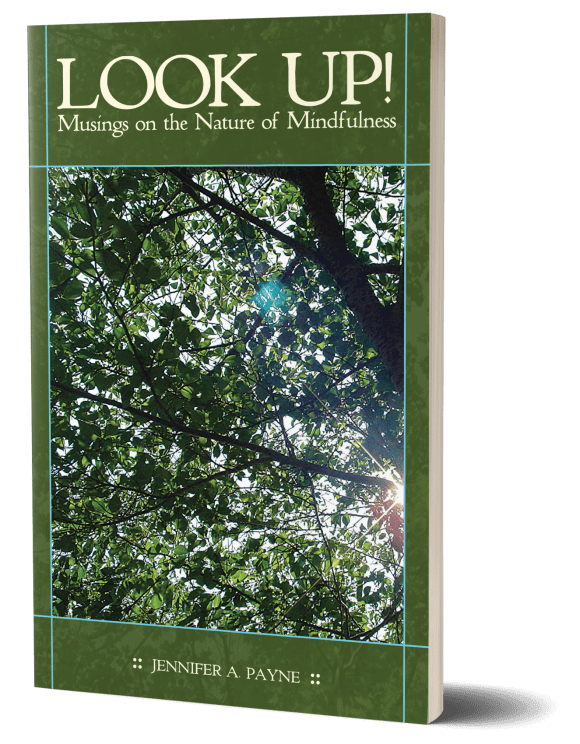
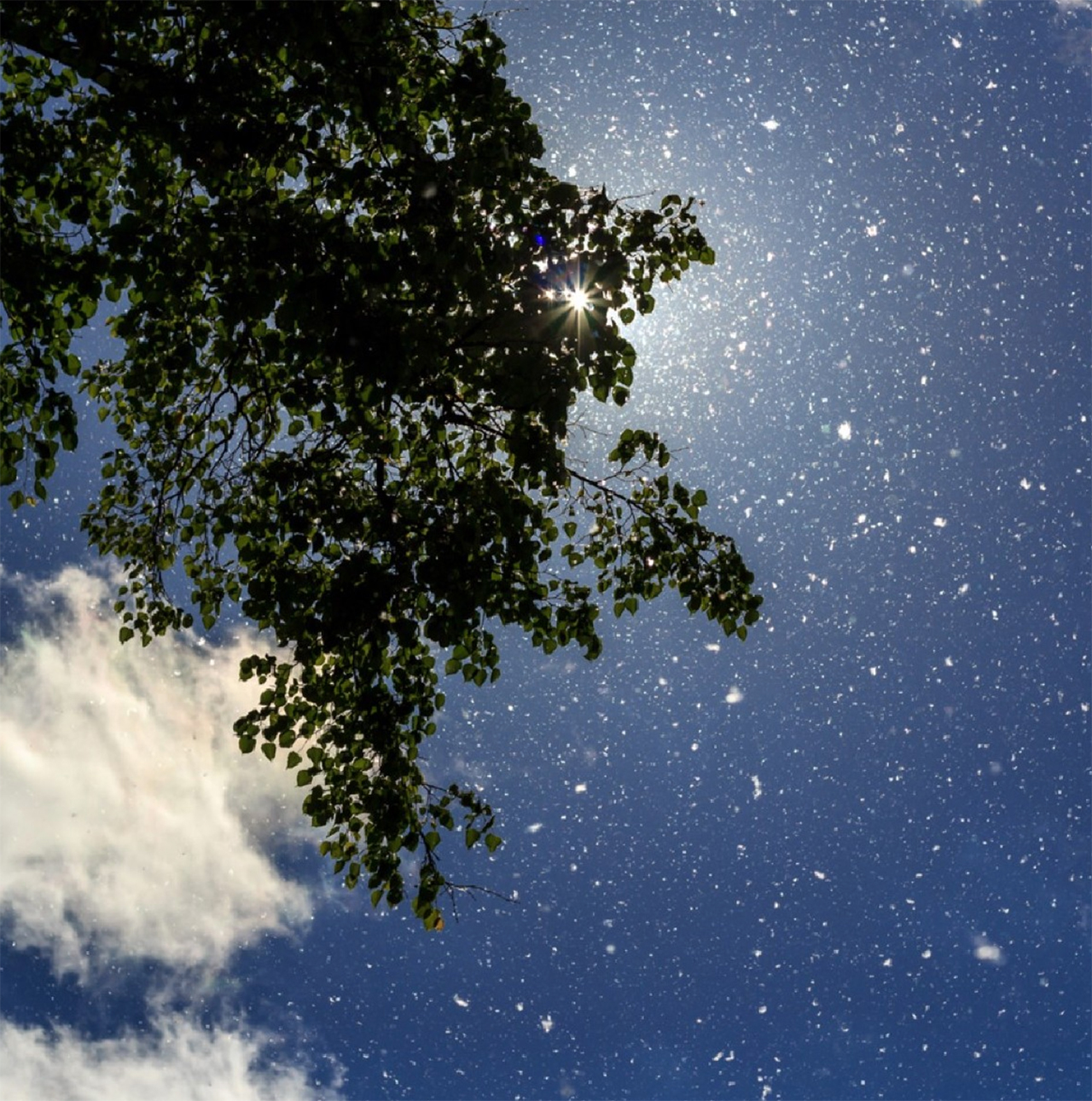
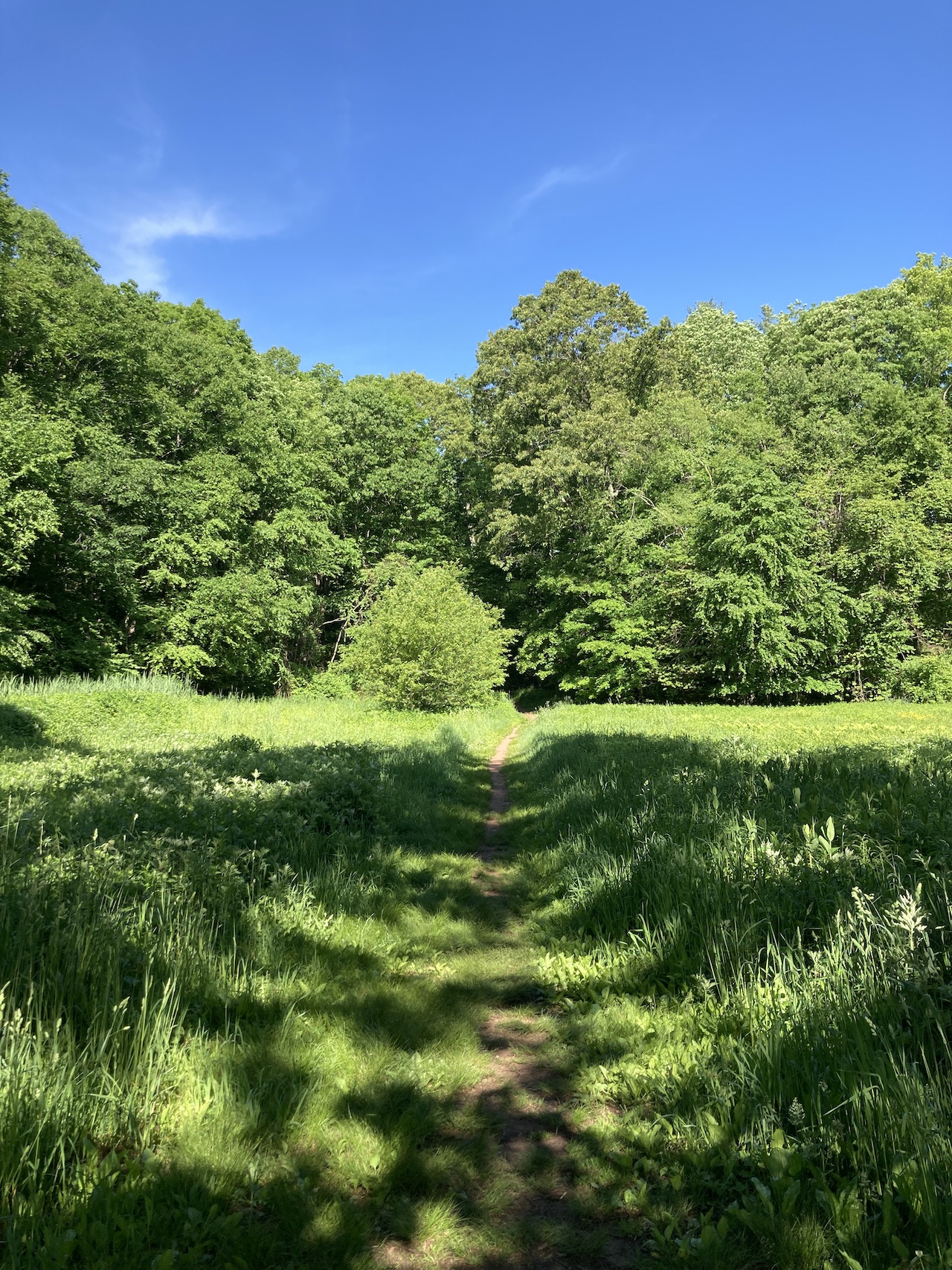
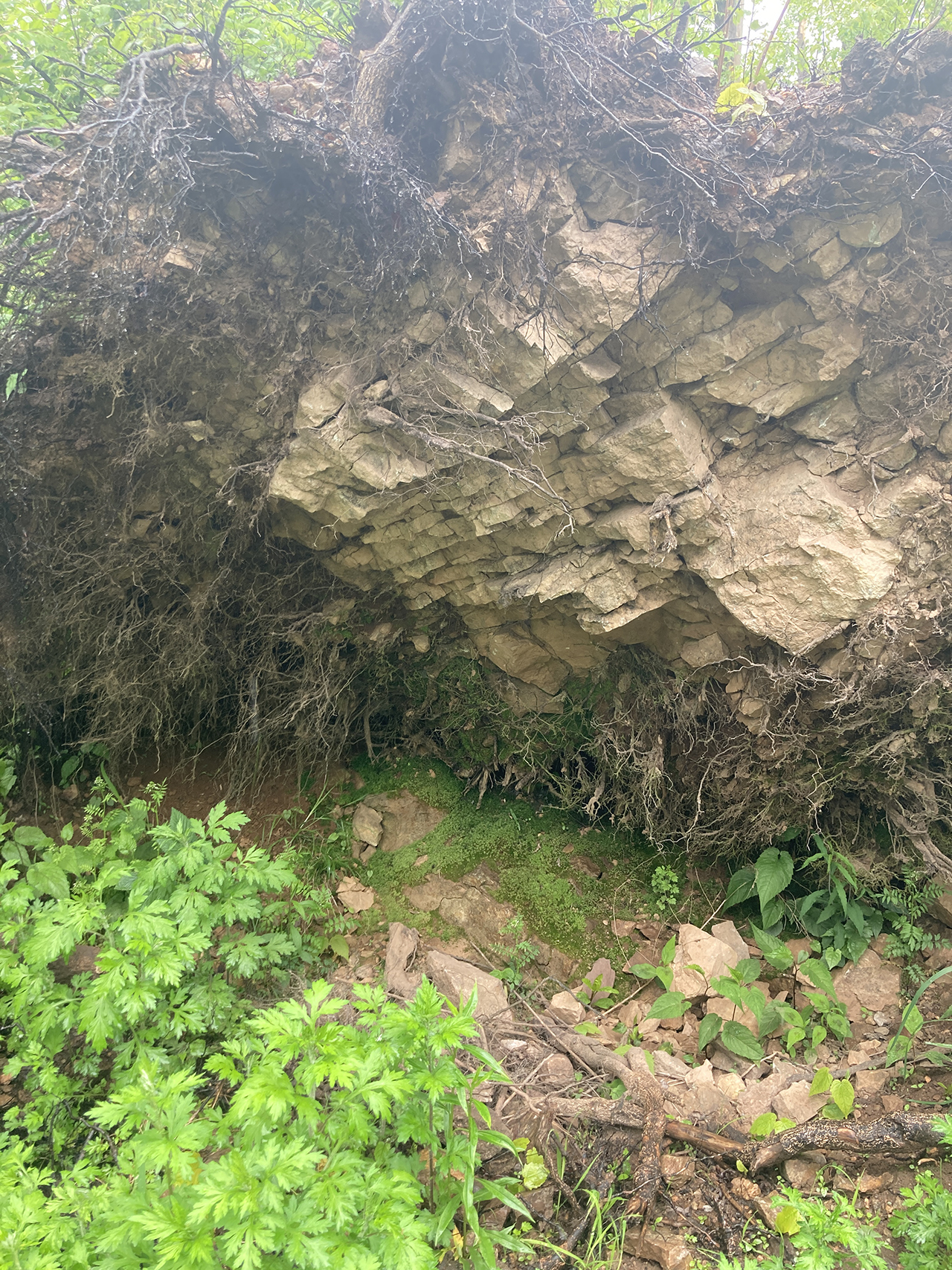

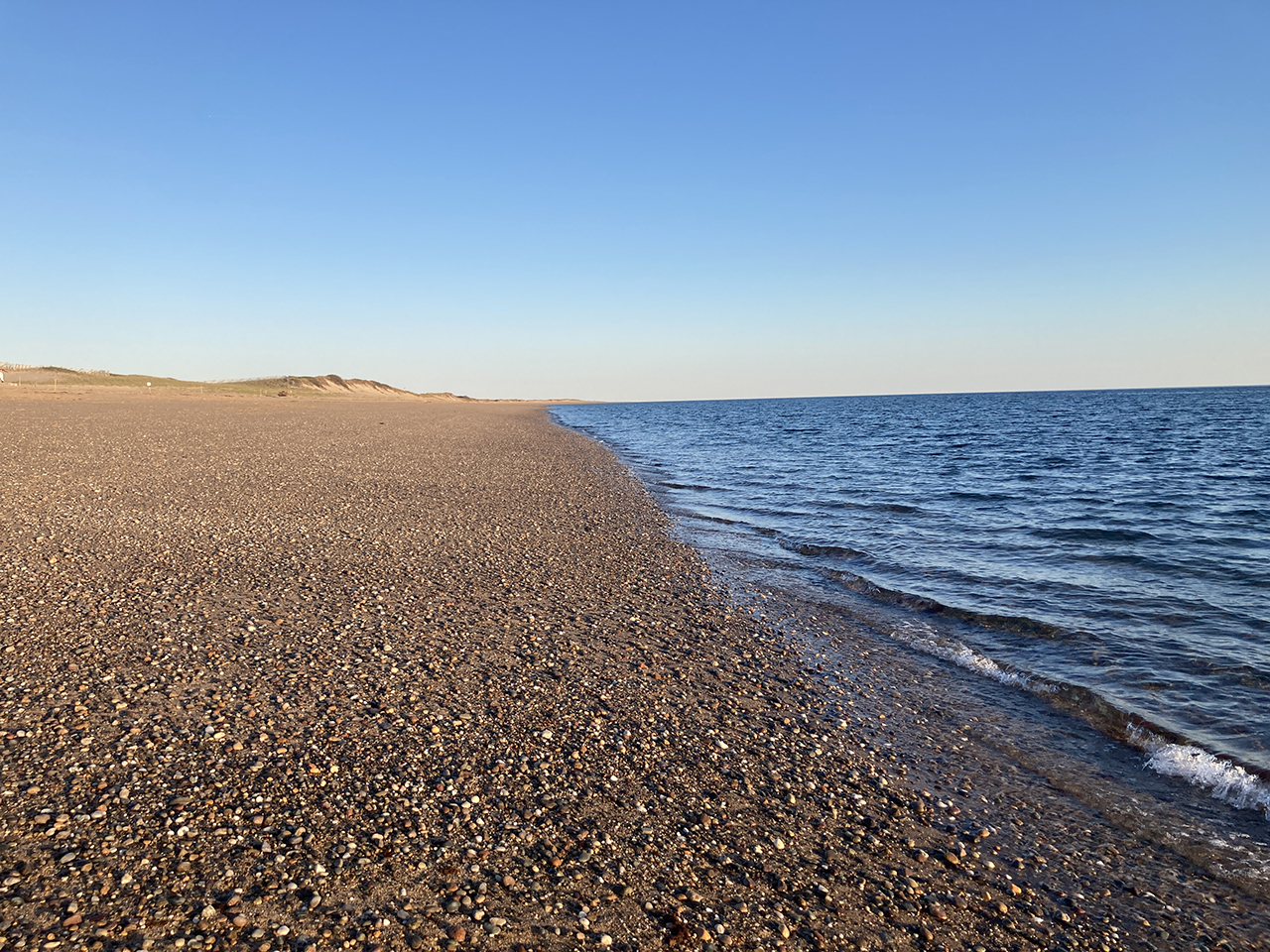



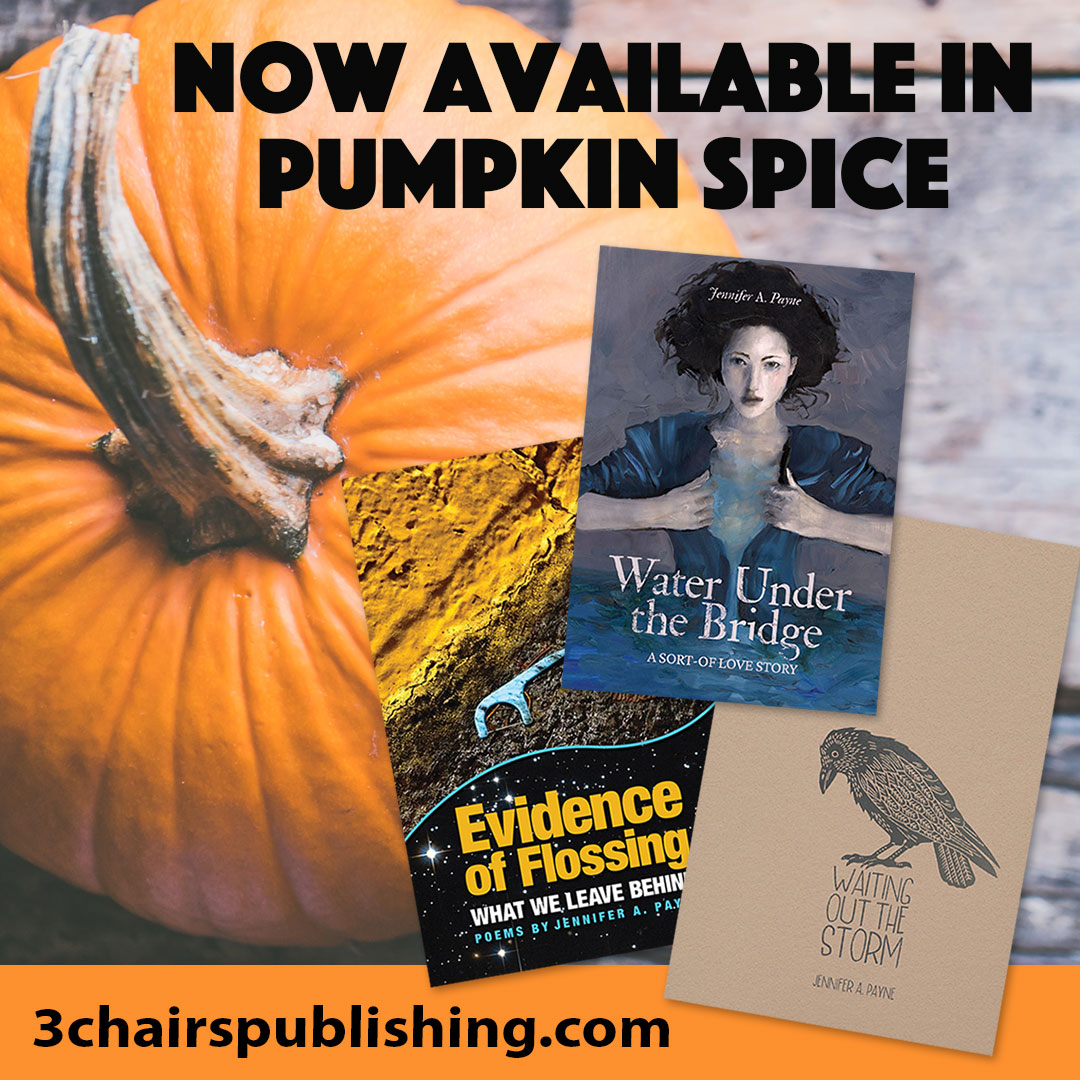
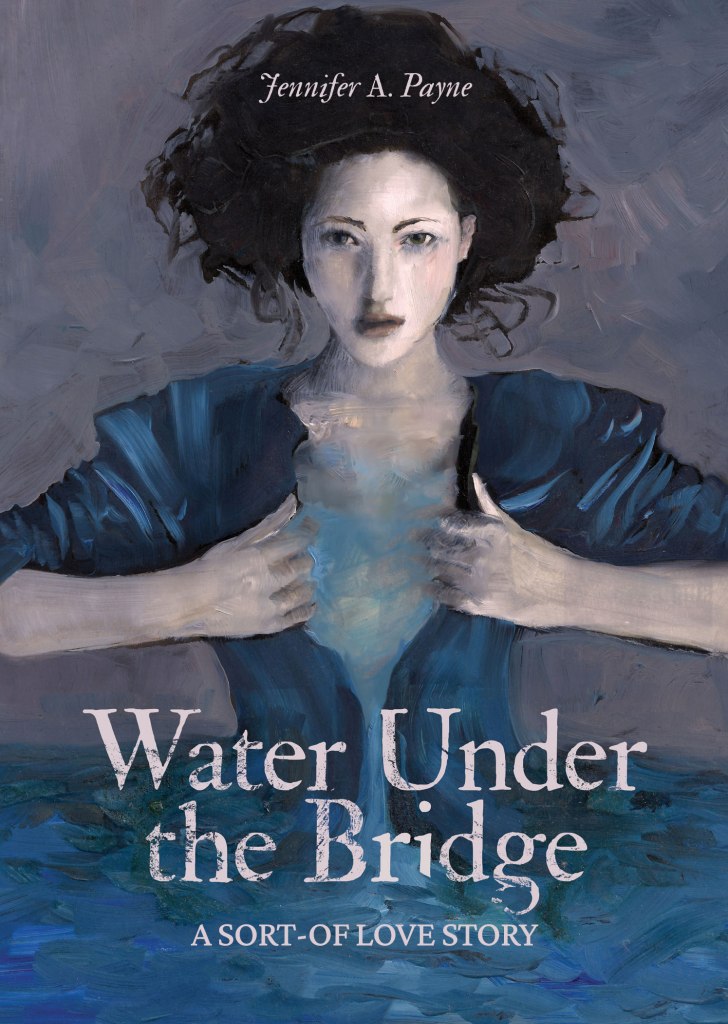
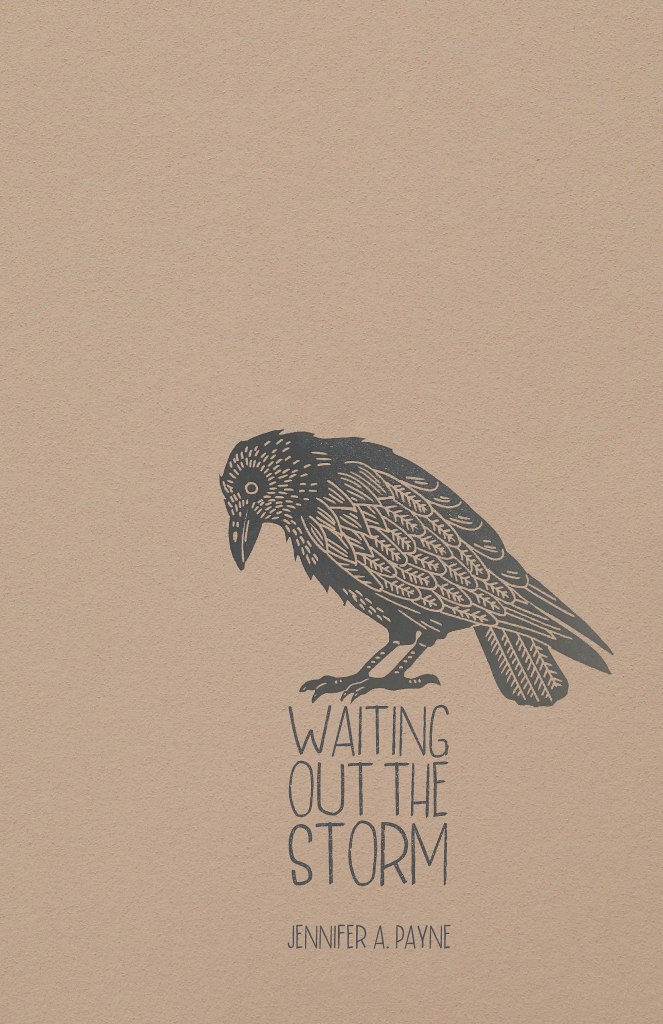
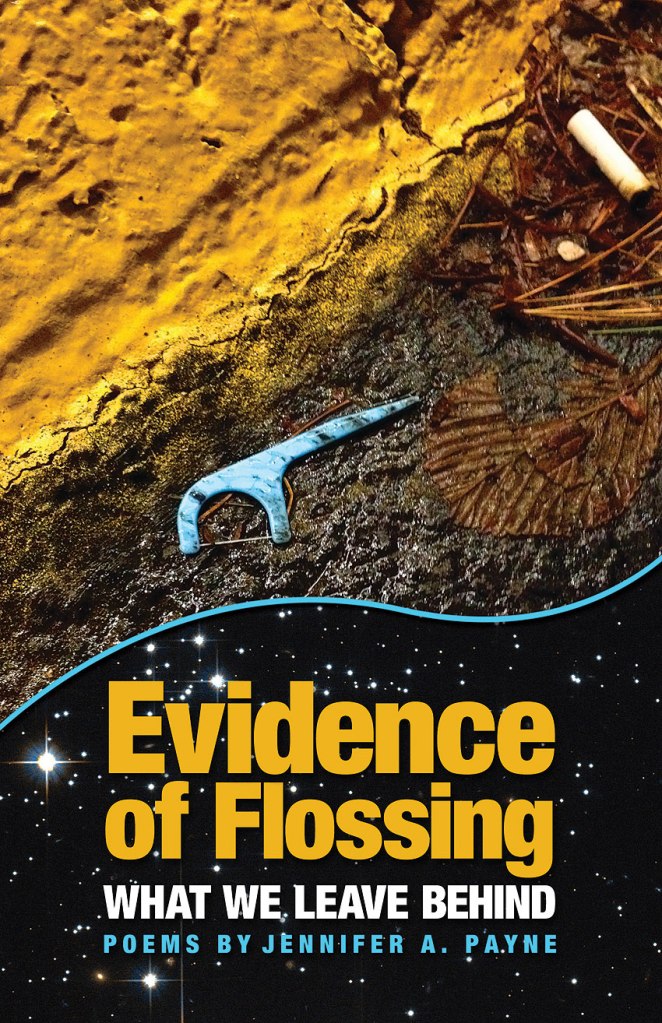
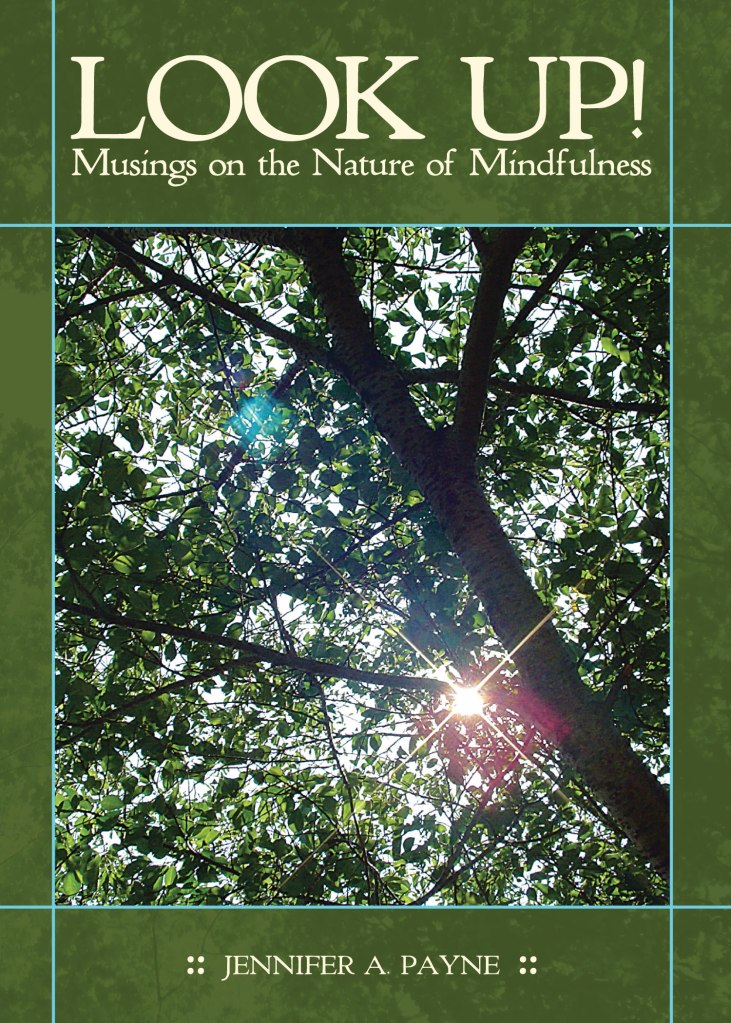






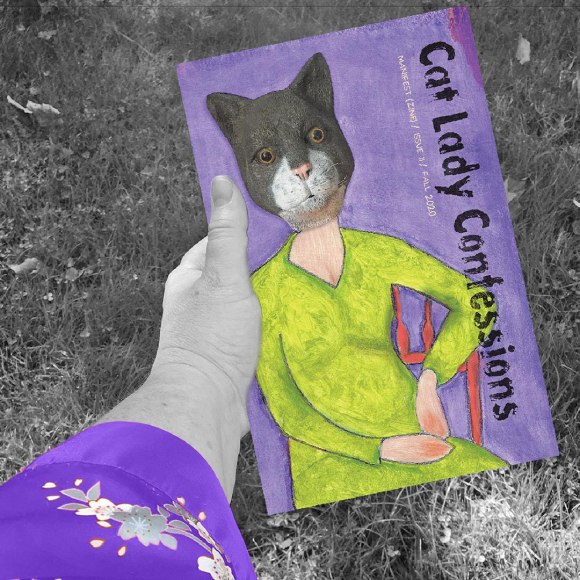
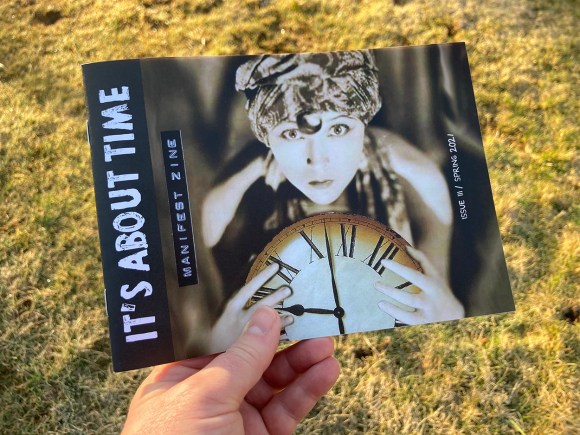



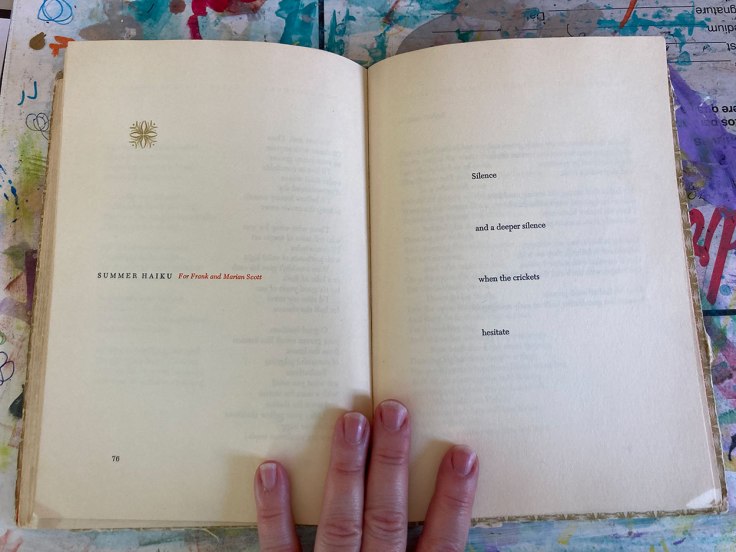
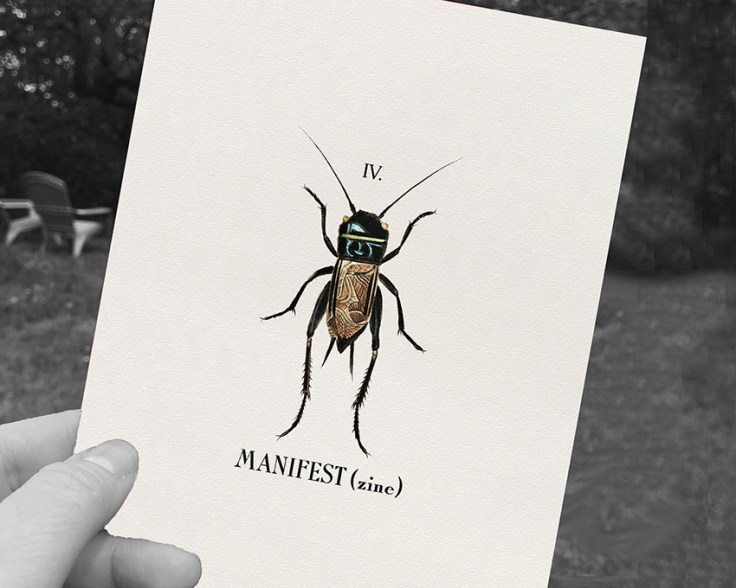
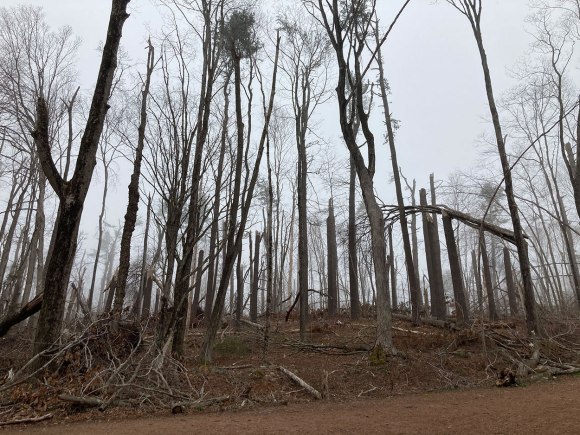
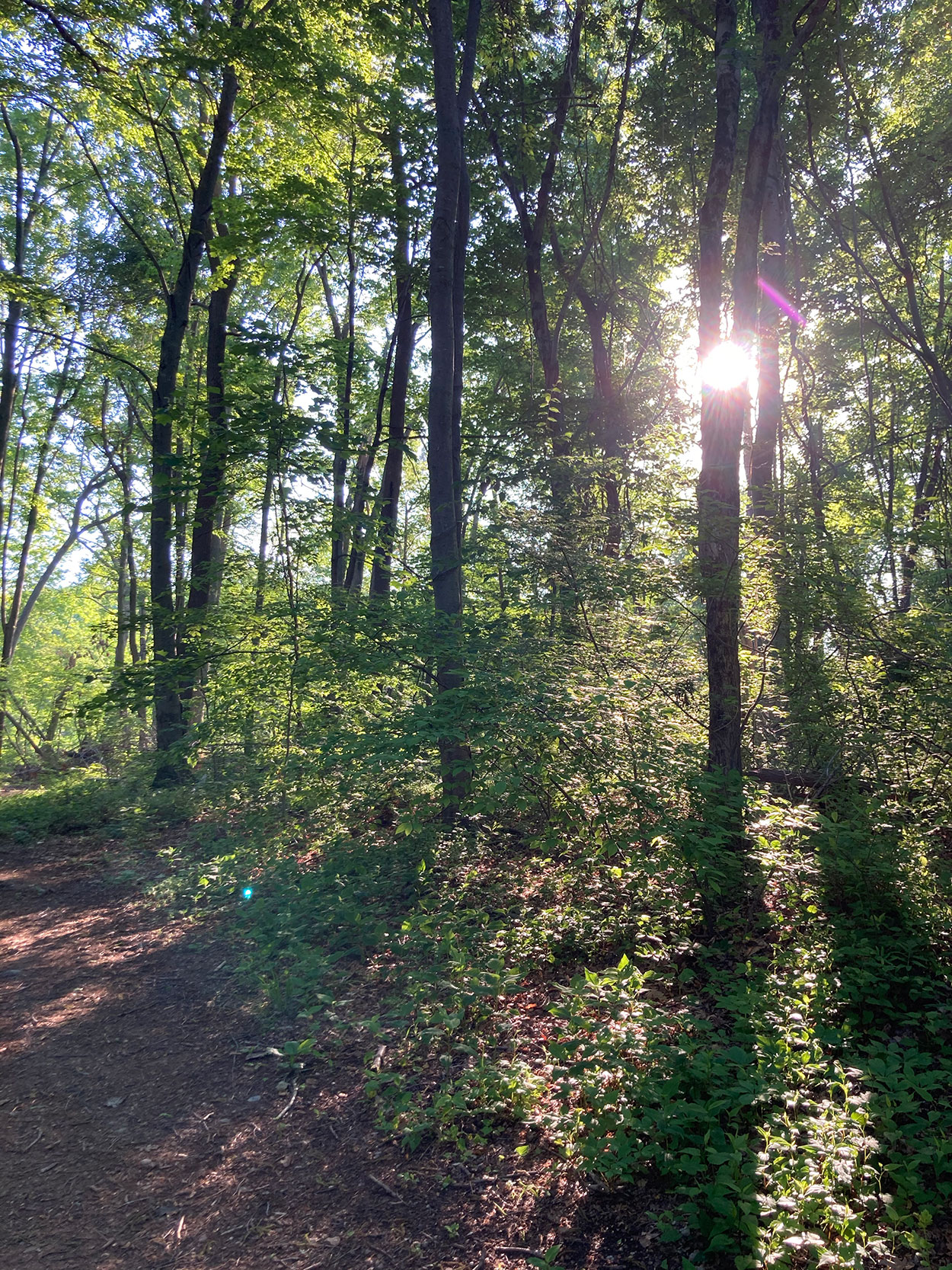
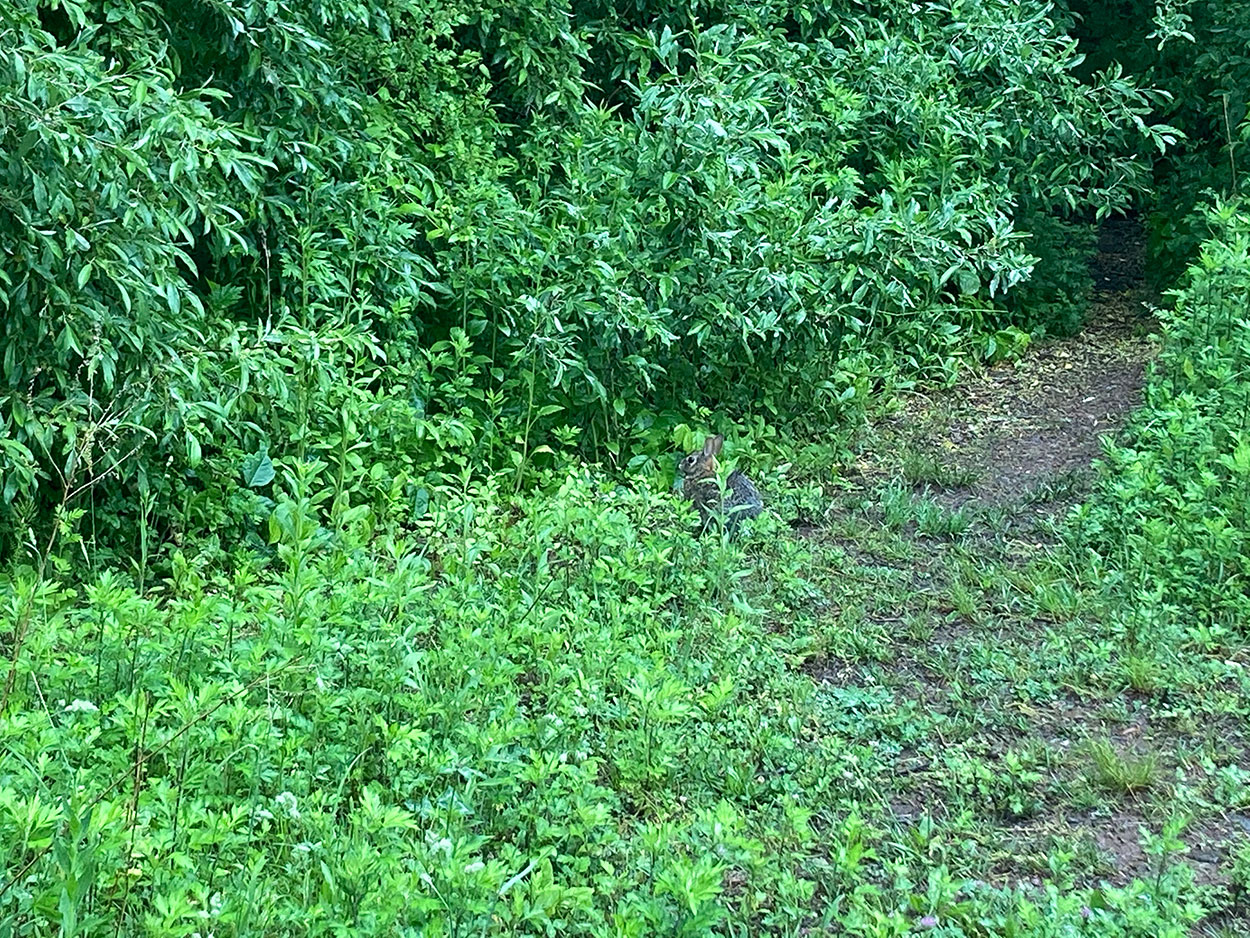
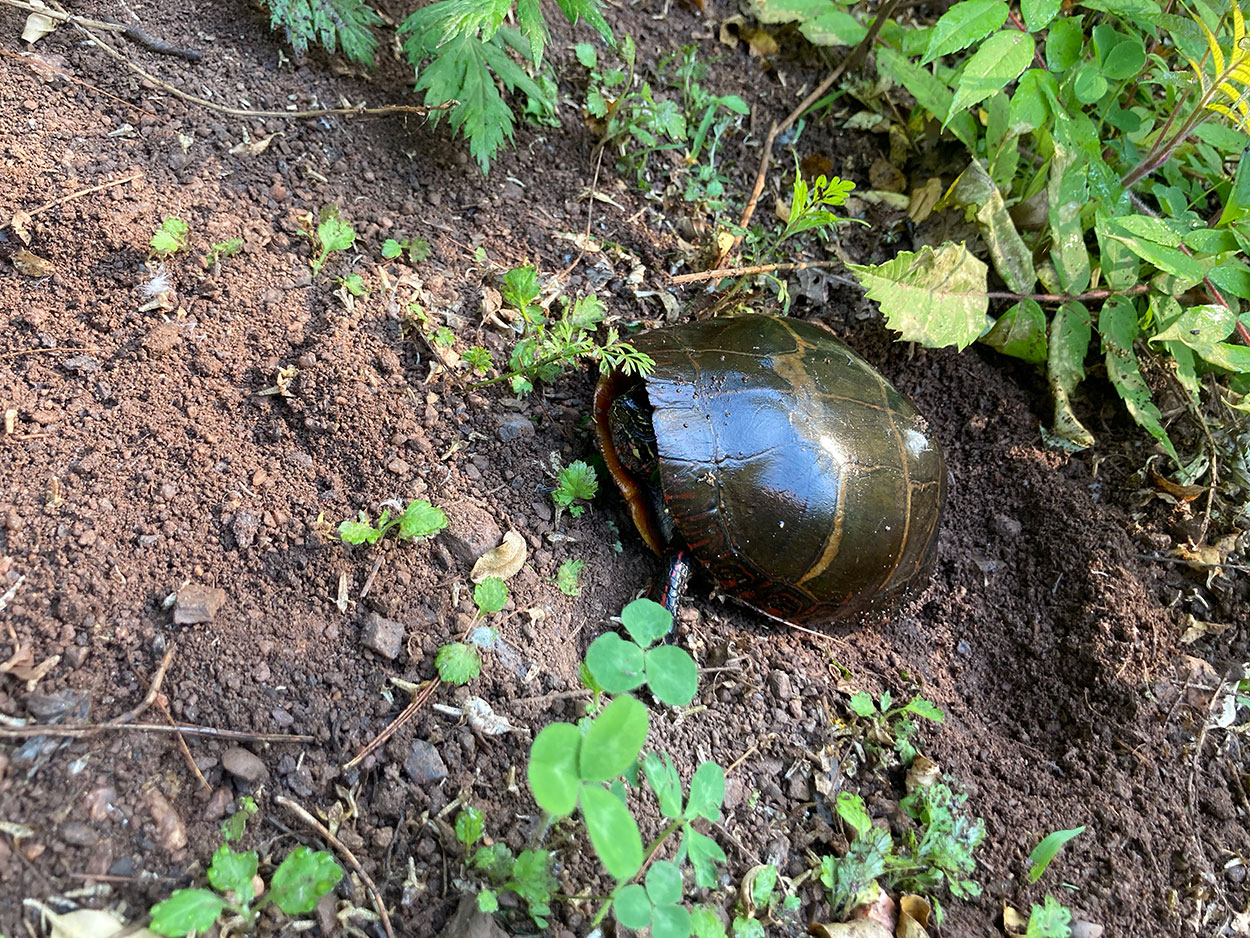
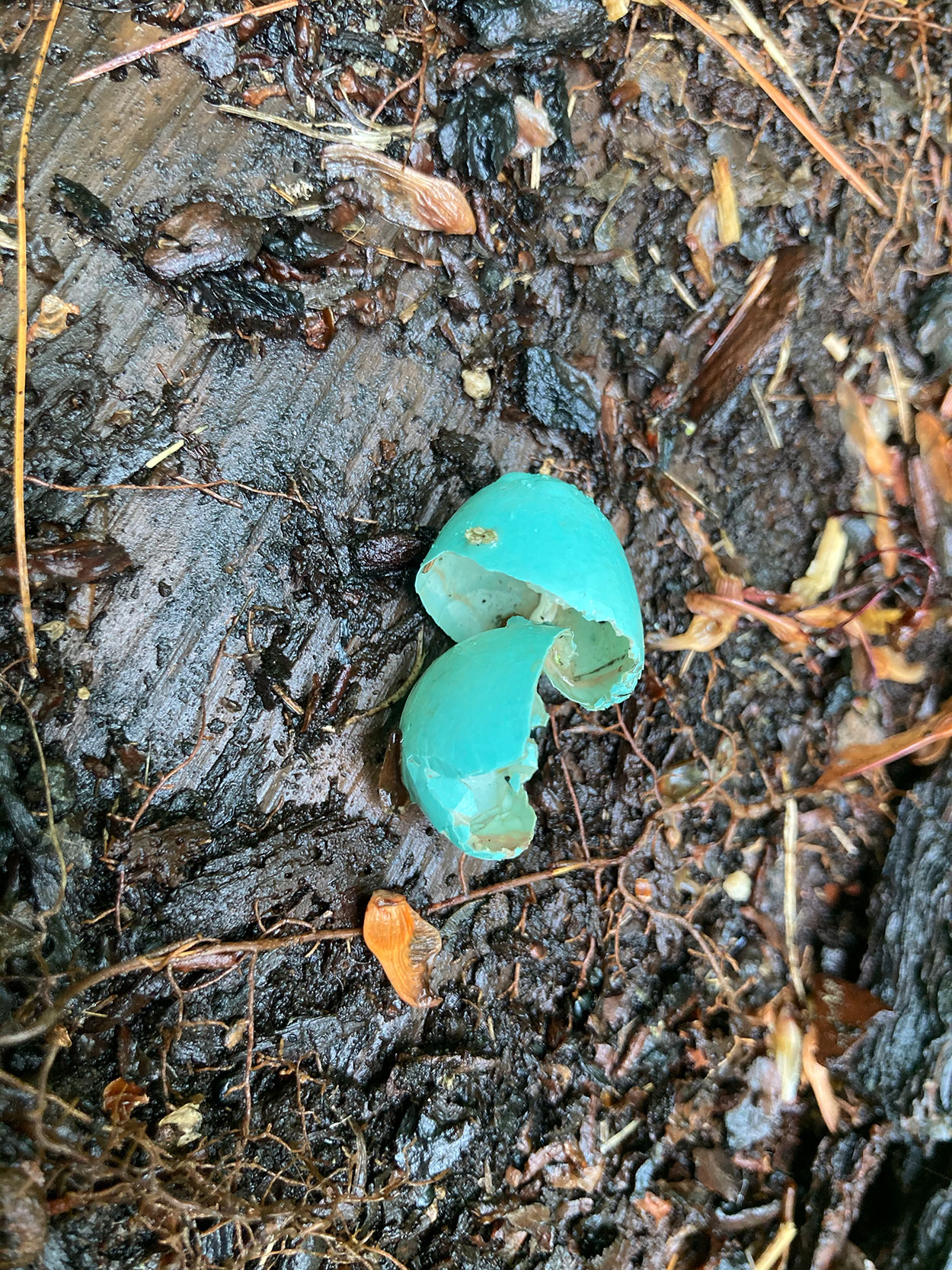
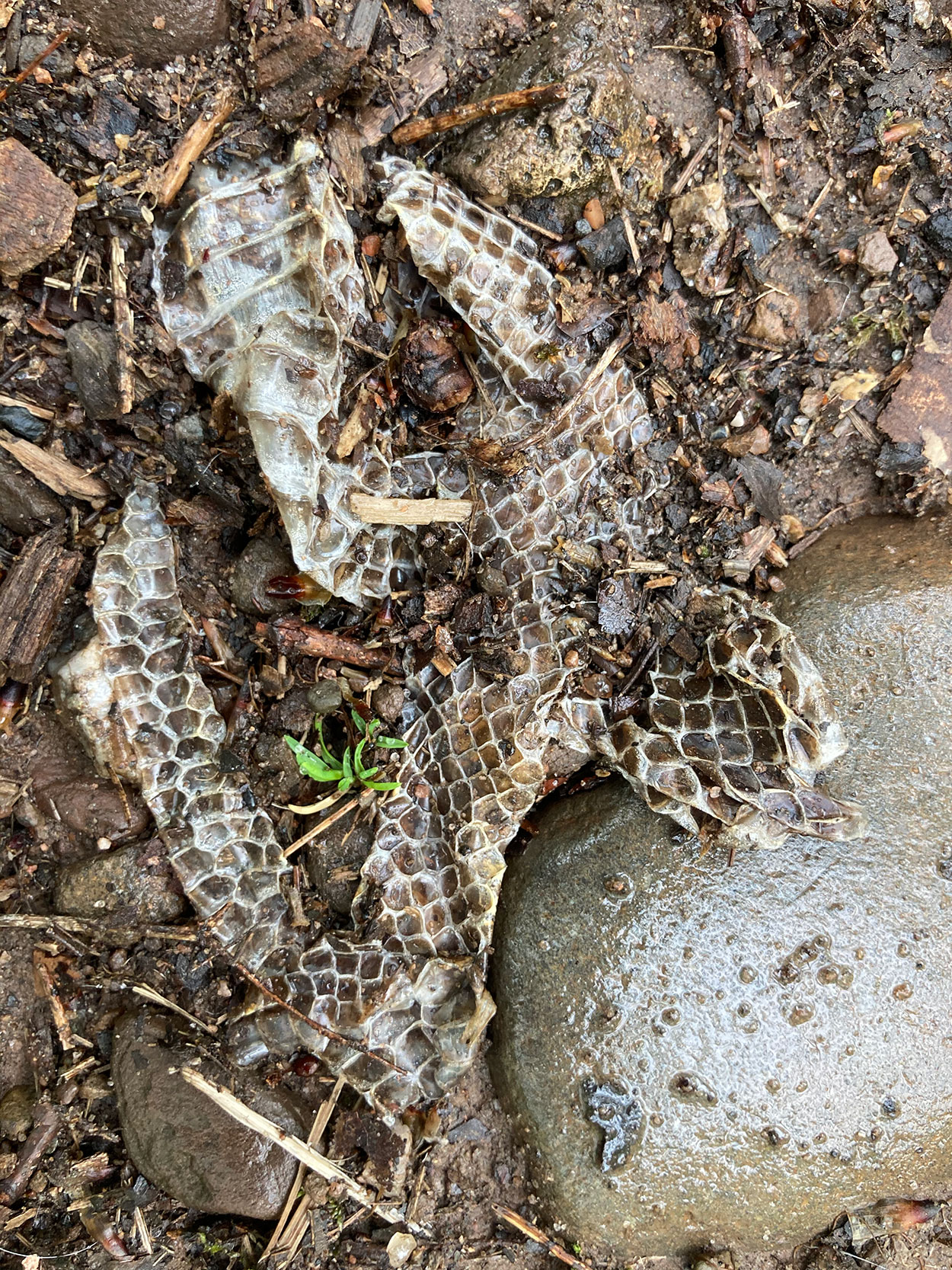
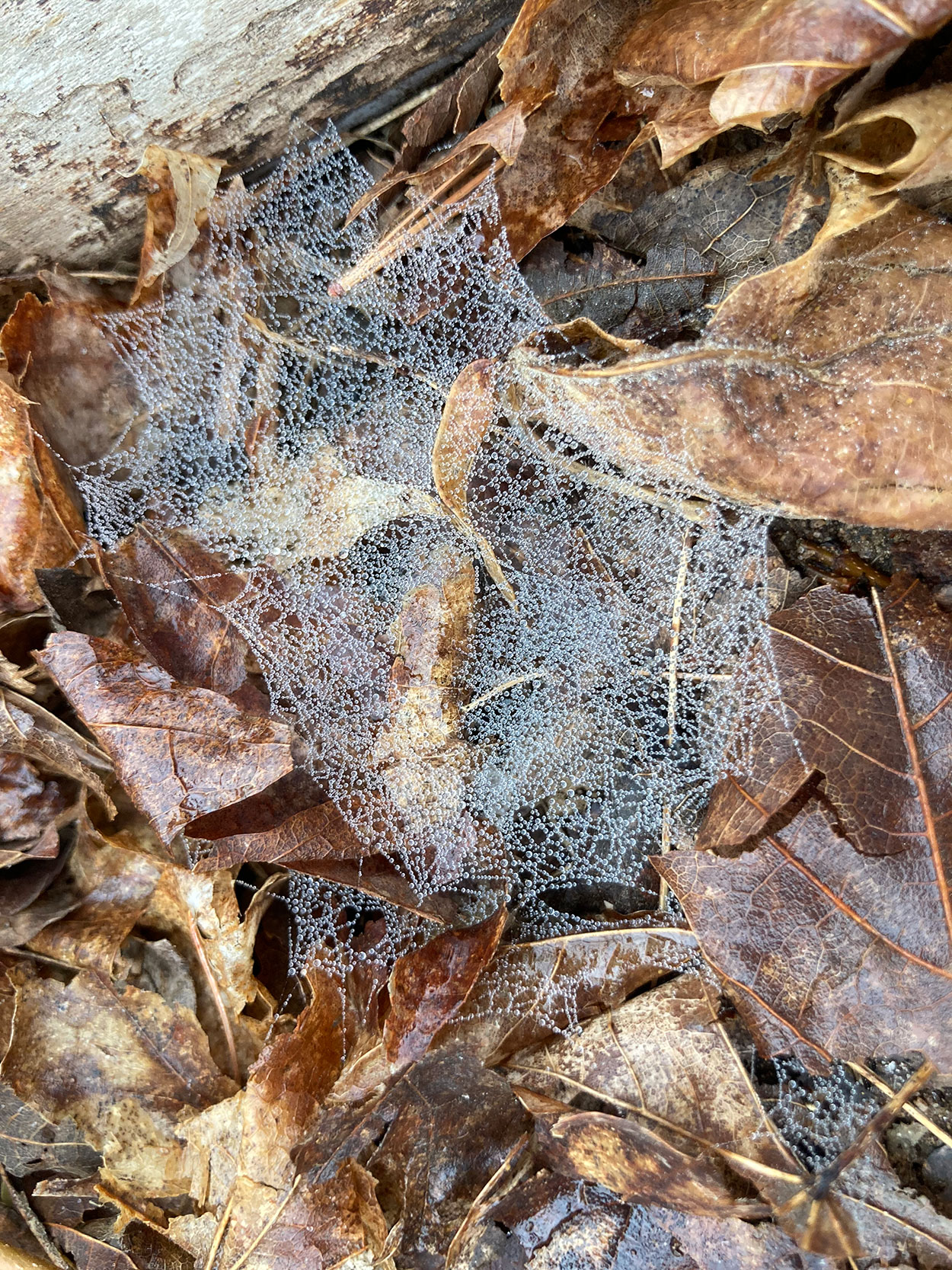
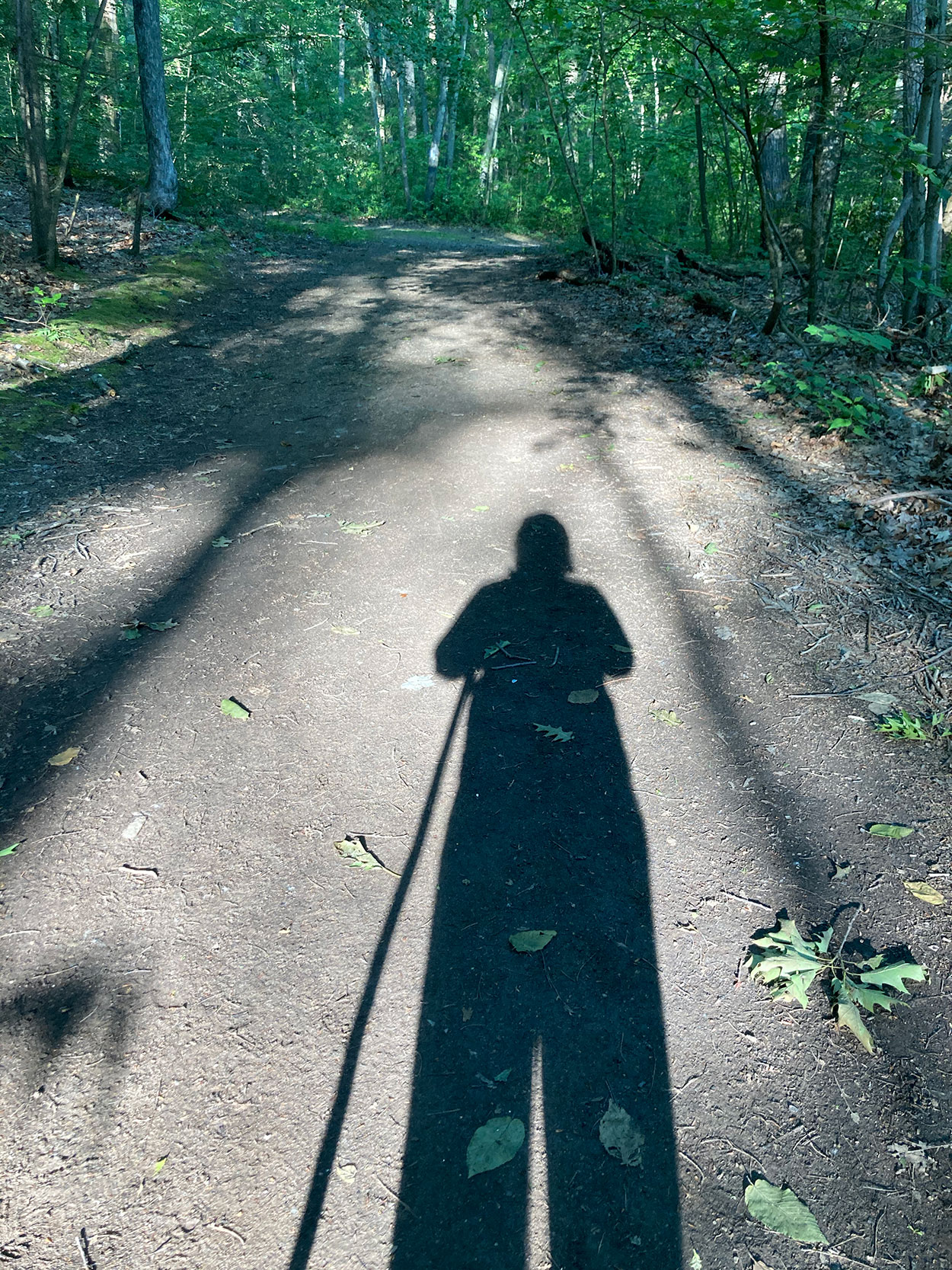


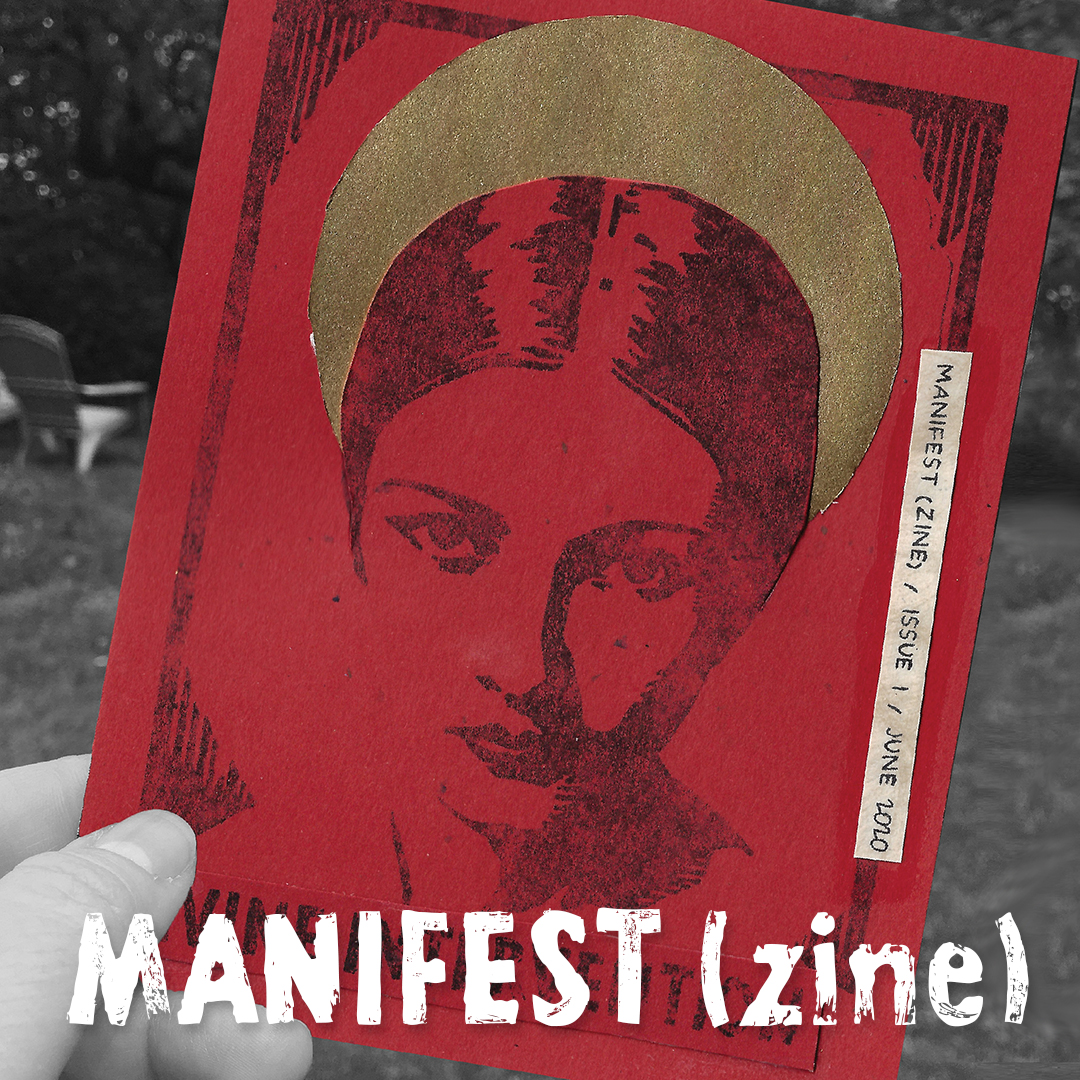

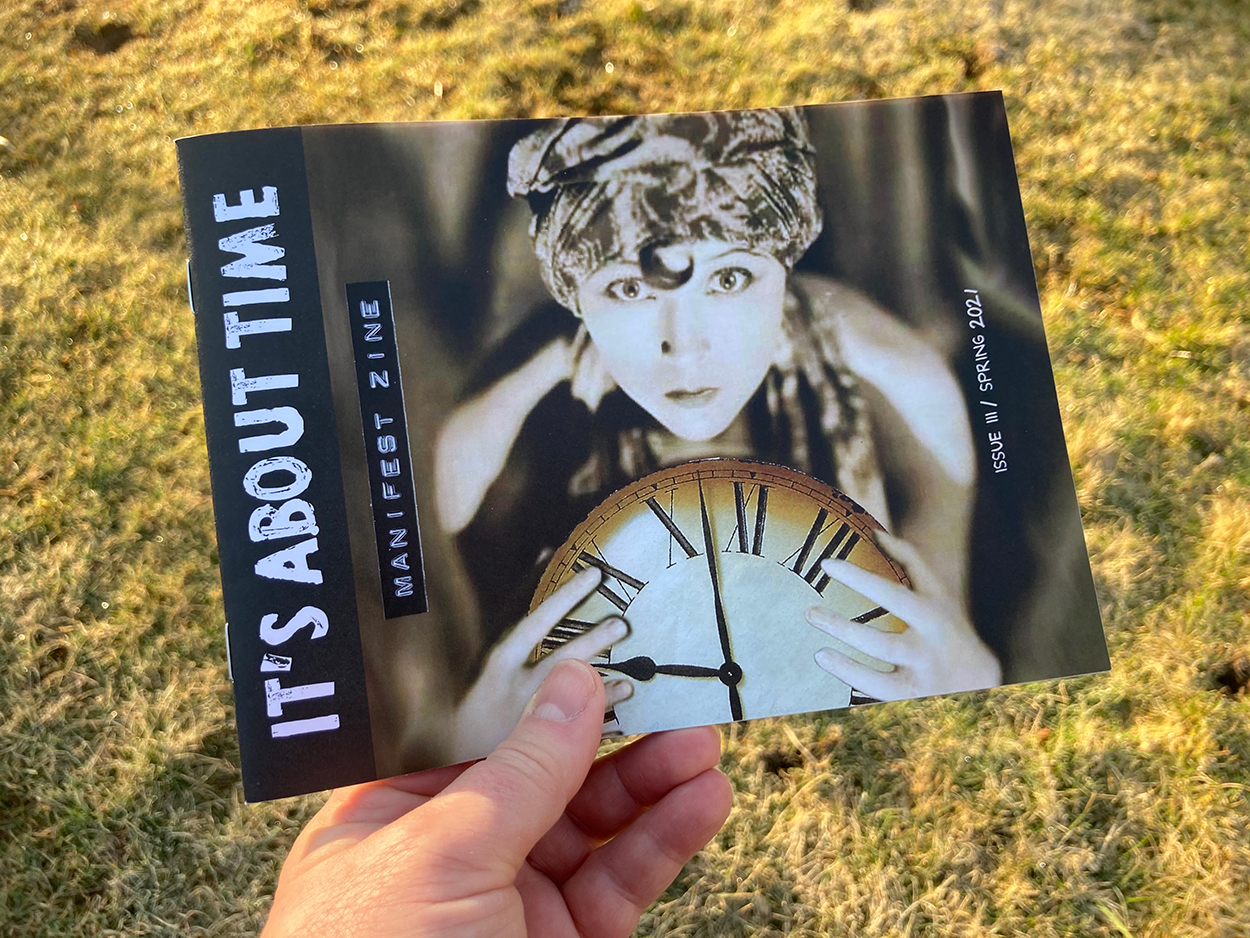


 A blanket fort? Yes, that too! I’ve spent some time this fall researching and sketching and making a pile of linens and pillows for a reading nook.
 With that in mind, please visit the
  randomactsofwriting.net