“Launched by the Academy of American Poets in April 1996, National Poetry Month is a special occasion that celebrates poets’ integral role in our culture and that poetry matters. Over the years, it has become the largest literary celebration in the world, with tens of millions of readers, students, K–12 teachers, librarians, booksellers, literary events curators, publishers, families, and — of course — poets, marking poetry’s important place in our lives.”
My favorite way to celebrate is to join with the thousands of poets participating in NaPoWriMo — NATIONAL POETRY WRITING MONTH —in which we write a poem a day for the month of April.
While NaPoWriMo is celebrating 22 years this year, I’m happy to say this will be my 11th year attempting to write 30 poems in 30 days! Here we go!
twice today we passed each other and twice today that friction of energy and chemistry and memory tugged at the the solid yellow line like the force between silver magnets so we each turned bullet-time freeze frame slow motion twice today a sideswipe glance the closest we’ve been in years
I was going to tell you the story of a flag. One of those disgusting political flags. Those in-your-face, middle-finger-to-the-constitution flags you see around town, you know?
I even drove back around the block to take a picture of it, because what I thought I would be writing about here is how the flag is falling. How one wind storm twisted its staff and half-toppled its cement base. How its flaccid affect can be seen from a quarter mile in either direction. How wide that made me smile.
But then I went for a walk. On this glorious, blustery Winnie-the-Pooh kind of day. I was enchanted by the blue sky and the crisp cold air. I was pushed along by the wind, and even laughed out loud a few times.
It was like the wind blew all of that angsty stuff right out of me. Replaced it with Joy!
And as if to underscore the moment, there was wide and wild wind that roared through the forest, and I watched as these hundreds-of-years old pine trees swayed in the wind. SANG in the wind.
Their roots were deep enough. Their community was supportive enough. And they were strong enough.
They didn’t twist or bend or fall. They resisted. And they sang!
“You Are Here” is the reassuring little icon on a trail map that gives you your bearings, lets you know, in the grand scheme of things Where. You. Are. It’s often the first thing you see when you start out on an adventure somewhere. These days, with things so frighteningly askew, it’s good to have a sense of where you are in that grand scheme. And there is nothing better to make you feel a little more grounded, a little more connected to the bigger picture, than a walk in the woods!
Join me for a walk at one of my favorite places to unwind, regroup, and find inspiration.
INGREDIENTS: collage, color scans, digital art, ephemera, essays, original photographs, poetry, quotes, vintage artwork. With thanks to GIS Specialist Nicole Castro, Erwin Raisz, Ted Andrews, Hans Christian Anderson; Joseph Smith, William Curtis and the Royal Botanic Gardens, Jamie Sams and David Carson, Henry David Thoreau.
Full Color 11×17 folded map with way too many inserts and a curated video playlist. Cost: $8.00.
You can pay through PayPal using a PayPal account or any standard credit card. If you prefer the old school approach, please send your check, made payable to Jen Payne, P.O. Box 453, Branford, CT 06405.
As part of its ongoing Fireside Chats program, the Blackstone Memorial Library welcomes Branford author Jen Payne for a poetry reading on Saturday, March 8, 1:00 – 3:00 p.m.
In honor of International Women’s Day, Jen will be reading from her new book, Sleeping with Ghosts, focusing on some of the women she’s written about — mentors and muses and friends. After the reading, Jen will be joined by Laura Noe for a conversation about how our relationships with women influence and inspire us. Laura, a local author as well, holds a master’s degree in Women’s and Gender Studies, and is currently teaching the Psychology of Women at SCSU. Attendees are welcome to bring a short (100 words or so) introduction about one important woman in your life to share with the group.
Copies of Sleeping with Ghosts will be available for sale during the event. Refreshments will be served.
This event is free and open to the public. No registration is required. The Blackstone Memorial Library is located at 758 Main Street, Branford. For more information, visit http://www.blackstonelibrary.org.
Jen Payne is a poet, author, photographer, and artist. She is inspired by those life moments that move us most — love and loss, joy and disappointment, milestones and turning points. Her writing serves as witness to these in the form of poetry, creative non-fiction, flash fiction and essay. When she is not exploring our connections with one another, she enjoys contemplating our relationships with nature, creativity, spirituality and our inner lives. Ultimately, she believes it is the alchemy of those things that helps us find balance in this frenetic, spinning world.
Her work has appeared in numerous publications including Sunspot Literary Journal, The Perch, and the 2024 Connecticut Literary Anthology. She has written five books: Look Up!, Evidence of Flossing, Waiting Out the Storm, Water Under the Bridge, and Sleeping with Ghosts, all of which are available to borrow from the Blackstone Library. They can also be purchased online at 3chairspublishing.com.
Today, I talk with Kaecey McCormick at Some Thoughts: Everything Creativity, who writes: “I’m thrilled to bring author Jen Payne to the blog today in an interview to discuss life, writing, and her new book, Sleeping with Ghosts. Earlier this month, I hosted a Community Poetry & Prose Night with the theme “The Ghosts We Carry,” and Jen’s book is a wonderful example of how we can be “haunted” by so much and how these “ghosts” show up in our writing.
Kaecey: Jen, welcome! I’m thrilled to chat about your new book, SleepingwithGhosts. The way you blend genres in this collection is fascinating. Sleeping with Ghosts is described as a ‘time-traveling memoir’ into the heart and mind of a poet. What inspired you to choose this format, and what challenges did you face in crafting such a unique narrative?
Jen: Hi Kaecey. Thanks for being part of the Sleeping with Ghosts blog tour!
Like you, I’m not only a writer and poet, I’m also a blogger. I’ve been writing and creating at Random Acts of Writing (randomactsofwriting.net) since 2010. That name, it turns out, was spot-on! My creative work shifts from poetry and flash nonfiction, to essay and photo essay.
As readers will find in Sleeping with Ghosts, I also write a lot of memoir pieces.
The poems in the book have been written over the past 10-15 years, but they cover a time span of 40! From that perspective, time traveling becomes a natural consequence! (It helps that I’m also a closet Trekkie and a bit of a sci-fi nerd.)
I find I have an acute memory for what I call “defining moments” — those places in time when something shifts or changes, times that you bookmark to remember. I am easily able to slip back into those moments and recall the feelings, the conversations, my surroundings. And then I write!
As happened in my previous books of poetry, Evidence of Flossing and Waiting Out the Storm, the poems in Sleeping with Ghosts gathered themselves quite naturally. As soon as I set the intention to create this book, the poems and chapters, and their organization was very clear. The biggest challenge, I suppose, was making sure that the ghosts each got their own say, and that their stories were told to completion.
Kaecey: I can imagine that covering a time span of 40 years meant some “ghostly” challenges! You did a wonderful job making sure each voice was heard. Much of your writing in this collection reflects on past relationships or experiences. I’m wondering, was there a defining memory or experience that sparked the creation of Sleeping with Ghosts? How did it start and how did the concept evolve from that initial inspiration?
Jen: Indirectly, yes.
I’ve been a writer all my life: journalist, copy editor, freelance writer, marketing wordsmith. I started my own graphic design and marketing business, Words by Jen, when I was 27, and spent a great deal of time writing for other people.
But the year I turned 40, I reconnected with someone I had been deeply, crazy in love with. We hadn’t spoken in 15 years, and our reconnection felt monumental and…karmic.
When it didn’t work out (again), everything broke wide open for me. I had to find a way to write from that place, from that broken-hearted, emotional, vulnerable place. That’s really when I began writing the good stuff!
(Actually, you can read about the whole experience in my book Water Under the Bridge: A Sort-of Love Story.)
Kaecey: It’s amazing how those difficult experiences can spark our creativity. And speaking of difficult, your work often explores themes of memory, creativity, and loss. How do you navigate writing about such personal experiences while still making them resonate universally? What advice do you have for poets and other writers who are tackling big themes like grief?
Jen: I think I write about my own experiences because I have to — it’s how I process things, how I connect with the world. Not to be cliche, but writing is my love language.
I’m a bit of an introvert, so writing and storytelling are my way of sharing, of having a conversation, of participating.
I’m not sure I intentionally try to make my work resonate universally, so much as the stories are universal. We all experience these moments —right? The broken heart, the unrequited love, the death of a friend, the relationship we need to leave.
But not everyone has the courage to talk about their experiences. It’s hard work talking about disappointment, broken hearts, loss, and grief.
What inspired me most to write from the heart, to be brave about it, was Brené Brown’s book Rising Strong. In it, she writes, “When we deny our stories, they define us. When we own our stories, we get to write the ending.”
So my advice to writers tackling the big life themes would be a) read Brené’sbook, and then b) be brave and write!
Kaecey: Love that. I’m a Brené Brown fan! So yes! And I appreciate what you just said about our stories as universal human experiences. You’ve also written about our connection to the natural world, and in previous interviews, you mentioned the “alchemy” of emotions, nature, and creativity. I’m hoping you can elaborate on how this idea informs your writing, whether that’s in the language and imagery itself or as part of your process, particularly in this new book, Sleeping with Ghosts?
Jen: There is a certain kind of magic that happens when we can step out of our day-to-day and let new information come in. For me, that very often happens when I walk in the woods or on the beach. For others, the magic happens in meditation or after physical activity.
We’re all so busy these days. And when we’re not busy with actual work — job, house, family, life — we’re regularly seduced by technology and our scrolling, binging culture. Creativity requires us to get away from all of that. How can we hear our Muses when everything else is demanding our attention?
I think it’s important for writers and artists to find those things that let them reconnect with their creative voice. One poet I know recently went on a week-long silent mediation, and when I marveled at that to his wife, she said “That’s him. I prefer moving meditation, like tai chi or yoga.”
For me, being in nature is a critical component of my writing. Whether it’s a regular walk at my favorite nature preserve or a week-long writing retreat by the water — I need that time away to process through the stories and the things I want to say.
And yes, very often there is an overlap of my connection with nature and the imagery and language in my writing, including Sleeping with Ghosts. Of course!
My book Waiting Out the Storm was a very personal tribute to a dear friend who died suddenly. I found the most comfort being in nature, and witnessing how life and death and rebirth play out all around us. Nature was my solace.
That’s what I mean by alchemy — we are part of a much larger universe than our day-to-day. If we can be open to that, give ourselves time and space to come back to our awareness of that, it can infuse our writing and our sense of self in pretty amazing ways!
Kaecey: Beautifully put, Jen. And so helpful for other writers to read about that part of the process. Speaking of process, I feel like, as writers, we’re often surprised by something in our work or in the process itself. Maybe you start a poem about the lipstick case you lost and end up writing about the death of your cat. Maybe you want to write about the sunlight and you end up writing about your toddler’s whining. (Or maybe that’s just me!) In looking back at your journey with Sleeping with Ghosts, what has been the most surprising or rewarding aspect of creating this collection and sharing it with others?
Jen: This is a great question. Our writing can come as a surprise sometimes, can’t it?
One of the most surprising things about Sleeping with Ghosts for me has been how these poems assume their own personality, and almost innately tell the story of each particular ghost…despite the fact that they were written at different times over the past 15 years.
The ghost in I Am a Rock/I Am an Island is unrequited loved no matter when I write about it — in the moment or 10 years later. The ghost in Seeing Red is angry all the time — then and even now.
The other surprising thing — and probably my favorite part about writing this book — is that the ghosts found ways to speak to me. They often showed up to remind me about a moment or a conversation that should be included. Sometimes they needed a final say — and they would chime in while I was on a walk or they’d show up in a dream. “Sleeping in Truro” was one ghost’s final say-so, and “Dear Jenny” was a ghost who appeared just months before the book went to press. When I asked the ghosts to give me a final poem for the book, they sent my Dad who asked, “Did you love?”
I did, I have…and now I get to share that with my readers!
Kaecey: “Did you love?” What a beautiful question and how wonderful to be able to answer in the way that you did! Jen, thank you so much for being here with me today. It’s be a joy to talk to you about writing, life, and your inspiration!
Jen: Kaecey, thank you for these thoughtful questions and the chance to dig a little deeper into the inspiration and ghosts in Sleeping with Ghosts! I appreciate it!
I started my business, Words by Jen, in 1993. It was a part-time effort at first, offering writing and “desktop publishing” services to a small-but-growing list of local businesses, artists, and non-profits. By 1996, I had moved my office from the second bedroom of an apartment to commercial office space and was ready to leave my job at a local print shop to dedicate my time to my own work.
Back then — pre-Google and social media— one of the best ways to market a business was to have a listing in the phone book. Phone books, for those of you who might not know, were kept in every household and included all of the landline phone numbers in your town. There was a white pages section for home phone numbers and a yellow pages section for business phone numbers and advertising.
In the fall of 1995, I placed a yellow page ad in a phone book that would be in every home within 20 miles of my office.
The very first phone call I received was from a woman named Dale Carlson. Dale was a well-known New York City author who had moved to a shoreline town here in Connecticut and started her own, small publishing company, Bick Publishing House.
We met over coffee at a local breakfast spot, and had a very long conversation about how we might work together. She was as curious about me and Words by Jen as I was about the strong force of a woman sitting across the table from me.
Dale was 60 years old when we met, with an impressive resume of writing and publishing experience. She’d written more than two dozen books at the time, had been published by Atheneum Books, Doubleday, and Simon & Schuster, and was the winner of both an ALA Notable Book Award and the Christopher Award.
She had traveled all over the world, practiced yoga and meditation, was an advocate for folks with mental illness and addiction, read voraciously, and had recently become a licensed wildlife rehabilitator.
I, on the other hand, was barely 30 and just starting out in my career…and my life. I must have seemed so young and naïve to her. Still, something clicked for both of us and we agreed to draw up a contract for “book design and marketing services.”
From that first meeting, Dale and I went on to create more than 30 books, from her first series of wildlife rehabilitation manuals in the late 1990s to her final book OUT OF ORDER: Young Adult Manual of Mental Illness and Recovery. We started on that journey together before independent publishing was a thing, before print-on-demand and Amazon and self-publishing. Dale had taken us out to the leading edge of this new industry, and it was an amazing ride!
She knew, for example, Jan Nathan — the founder of Publishers Marketing Association (PMA) which became the Independent Book Publishers Association (IBPA). Her books were edited by Ann Maurer, who had a long history of editing for well-known publishers, and our team included Jean Karl from Atheneum and award-winning artists like cover designer Greg Sammons and illustrator Carol Nicklaus.
During our time together, I gathered a set of design and publishing tools that still serve me well today, including a well-worn copy of The Chicago Manual of Style that Dale gave me all those years ago. From her, I learned about book industry standards for design,how to edit and organize content professionally, what makes for a good cover design and effective back cover content, how to position a book properly for booksellers and libraries, and so much more.
Ask me what inspired me to write books and how I came to start my own publishing company — Three Chairs Publishing — and I will tell you about the 25+ years that Dale and I worked together: the long hours of editing around her kitchen table, selecting art and cover designs, developing a house style, and promoting her books.
The skills I learned from her then I apply now to my own books, and to the growing list of self-published authors I get to work with as Words by Jen. All total, I have had the privilege of shepherding well over 150 books out into the world, from Dale’s books and my own, to a long list of poetry, art, history, fiction, and non-fiction titles.
And to think it all started with that yellow page ad, all so many years ago!
Photo: Jen and her mentor, Dale Carlson, at the launch of Jen’s first book, Look Up! Musings on the Nature of Mindfulness, in 2014. Sleeping with Ghosts is her fifth book under the imprint of Three Chairs Publishing.
For the poet is a light and winged and holy thing, and there is no invention in him until he has been inspired and is out of his senses, and the mind is no longer in him… — Plato
Ghosts, Muses, Inspiration, Universe, God. Call it what you will — there is another layer of this world that we live in, and if you can quiet your mind, sometimes, you can hear it and be inspired by it!
As I was finishing up the manuscript for Sleeping with Ghosts, my editor and I both agreed something was missing. While I loved the final poem “Missing Banksy,” its alluded message about impermanence wasn’t quite strong enough to hold up the end of the book. But what would? I had no idea!
When I get stuck like that and can’t find answers — about my writing or about life in general — I like to walk in the woods. It’s where I can settle my mind, slow down the busy-ness, and sometimes…sometimes…hear ghosts.
On this particular walk, I started out at the trailhead by asking the Universe to help me find a final poem, a final message for the book. Often, I can entice Inspiration with a request like that, and this time, it responded in the voice of my Dad.
It’s not the first time my Dad’s ghost has spoken to me. He told me to PAY ATTENTION on I-95 once and saved me from a pretty awful accident; he often shows up unexpectedly as a hawk with a call of I AM HERE; and he responded to my poem query with a series of questions that became the poem “The Final Ghost.”
But connecting with our ghosts can be challenging! There is so much noise in the world today — we’re busier than ever, more distracted by things, more seduced by technologies. There are so many things demanding our attention, how can we possibly hear Ghosts, listen to Muses, or tune into our Inspiration?
One of my all-time favorite movies is Contact with Jodi Foster. The scene I think about often is when she is in the portal pod that’s been reconfigured with an anchored chair and seat belt — things to keep her rooted in place as she travels across space through wormholes. But as she starts her journey, the chair and seat belt cause more harm than good. She may be OK to Go, but they keep her too firmly in place. It’s only when she releases what holds her down that she projects openly forward.
In the same way, listening to your Ghosts requires that you release what’s holding you back.
For Jodi Foster’s character Ellie Arroway, what was holding her back was physically obvious. For me, I know that my biggest obstacle is technology and how it eats up my time and siphons my attention span.
So, what gets in the way of listening to your Ghosts?
Just this weekend, I talked with a woman who told me in a whispered voice how she stopped listening to her Ghosts because it seemed a little scary. And I have a friend who is a phenomenal painter, but she often ignores her Inspiration because it feels too powerful, almost possibly un-godlike.
But the idea of listening to Ghosts or Inspiration or Muses reaches far back into human history.
Did you know that “the word inspiration ultimately derives from the Greek for ‘God-breathed’ or ‘divinely breathed into.’ In Greek myth, inspiration is a gift of the muses, the nine daughters of Zeus and Mnemosyne (Memory).”
Similarly, “the Oxford English Dictionary defines inspiration as “a breathing in or infusion of some idea, purpose, etc. into the mind; the suggestion, awakening, or creation of some feeling or impulse, especially of an exalted kind.”
In his article “How to Find Inspiration, the Psychology and Philosophy of Inspiration,” writer and philosopher Neel Burton offers seven 7 simple strategies to encourage inspiration:
1. Wake up when your body tells you to. 2. Complete your dreams. 3. Eliminate distractions, especially the tedious ones. 4. Don’t try to rush or force things. 5. Be curious. 6. Break the routine. 7. Make a start.
Because I know too much you look like her, so instead of blaring my horn I stop and smile and let you pull out into the crowded lot in front of me
You’re sweet and apologetic in gestures, so I smile even more and nod because I know too much, and I owe you — or her — a thousand kindnesses in place of apologies that have long since gathered dust in the corner of both our stories
Because I know too much about your suspicions and my jealousies, your patience and mine, I think this gesture now in this parking lot with this stranger might be atonement, might be appreciation — or love — a precious light in the shadows of our shared secret
I am a part of all that I have met; Yet all experience is an arch wherethro’ Gleams that untravell’d world whose margin fades For ever and forever when I move. How dull it is to pause, to make an end, To rust unburnish’d, not to shine in use! As tho’ to breathe were life! Life piled on life Were all too little, and of one to me Little remains: but every hour is saved From that eternal silence, something more, A bringer of new things…
We all have ghosts — those lingering memories that resurface when a song comes on, when a certain scent fills the air, or when we wander in our dreams. Those are the kinds of ghosts that appear in Sleeping with Ghosts — the memories of moments and people who have wandered into my own life, the lovers and soulmates and muses to whom the book is dedicated.
As I was gathering the poems for this book, I kept hearing the phrase “I am a part of all that I have met.” It’s a line from Alfred, Lord Tennyson’s poem “Ulysses,” in which the protagonist reflects on his life and sees the fabric that is woven between him and his experiences. That is the essence of Sleeping with Ghosts, we are all connected — by memory, by story, by experience. To emphasize that, readers will find common phrases, themes, and symbols repeated throughout the chapters and stories in the book — a weaving of love, hope, and loss. (Humor, too.)
In total, there are 14 chapters in the book, including seven primary ghosts about whom I’ve written most frequently. These are the stories that captured my attention (and my heart) and left a shadow of memory long enough for me to step into now and then, to revisit and repurpose them into poems. The seven ghosts include a first love, the last love, secret encounters, and those defining moments that come from living life with an open heart.
There are two chapters dedicated to my muses — the people who have inspired my life in a variety of ways, including life-long friends and cherished mentors — and a chapter that narrates the Ephemera of life’s encounters.
My favorite section of the book is called Dreamwork. It’s a collection of 12 poems presented like an inquiry or analysis with dated entries that note the particular ghosts as they reappear in dream form. These dream-ghosts are the wistful spirits of What If or Might Have Been, Ulysses’ “untravell’d world whose margin fades.” I truly believe that dreams offer all of us an opportunity to reconnect with our memories, heal old wounds, and reinterpret moments in new and helpful ways.
I hope this book, as a whole, offers readers a chance to see things in new ways. That in the shadowy corners of their own memories, they might conjure up the “something more, A bringer of new things…” for themselves.
Remember, we all have ghosts. Give them a direct line to your Muse, and you never know what will happen!
The physical therapist shows me exercises, but I tell her I am Stretched Too Thin ENOUGH ALREADY! So she digs into the mechanics of my Bracing for the Worst and attempts to allay the places where I am Holding on for Dear Life — god bless their white-knuckle grip and control efforts — INCOMING! My shoulders, for example, find comfort near my ears these days perhaps to hear which of the Invading Forces will surge today, while my back has decided it — and it alone — will hold me upright and steady so as not to fall headfirst into the Thick of It All; apparently my glutes are sitting this one out, and lord knows my knees won’t hold us up — they’ve just about given up or out, having carried the burden of this ALL OF THIS for way too long; even the feet are fed up FUCK YOU! says my big toe, the Last Line of Defense; the only Saving Grace these days is way up at the top where words and ideas and creative Escape Routes are lighting up the sky!
There’s a man in a red hat walking across the pond on this chilly January day in 2025. I consider stopping to explain the precariousness of his position, except that I am familiar with this man. And I know my concern will be met with cold and bitter defense. He might walk farther out on the ice to prove his point. Indeed, he might even walk right to the thinnest spot and give a little jump. So I laugh out loud, remind myself that nothing can save him now — neither his capacity nor his god — and I head for the safety of home where I wouldn’t dare jump these days. Safe is all but an illusion now, and I haven’t the arrogance to pretend otherwise.
Wolf Moon’s final moments illuminate the scar on the maple where last year, the storm tore a limb and crashed it to the ground, so in its place this morning a glowing pale shadow like an owl or specter, a No-Face in meditation over the yard; house eves cast a great horned shadow against the frosted grass and somewhere near somewhere unseen something stalks in quiet enough to hear its hunter’s walk, follow its course in the deepest dark of fallen leaves; the fog is thick with wood smoke and salt brine and catches in it a car’s whine screech scream like a banshee now as it rounds the bend closest to the house; an omen that soon the long tall branches will silhouette like weathered hands into the paling sky and the day-monsters will again grab tight to the day.
My mother, who is easily insulted, often remembers the time a therapist called her a storyteller. Mom recounts the comment as one might an injustice, and she twists and elongates the word “storyteller” to make it sound as painful as it felt for her.
What’s the old saying? The truth hurts.
That’s the funny thing about my mother’s story — she IS a storyteller. Long before neurodivergent was a word, my mother was making her way through life with the only tools she had, and one of those was storytelling. Often and on repeat. It’s how she relates to the world and people around her.
I have a friend whose mother was also a storyteller. She had a degree in drama, was in numerous theatrical productions, taught children how to act and perform, and went on to start a successful annual storytelling festival. She also found connection in telling stories.
The act of storytelling is as diverse as these two examples and includes four primary forms: oral, visual, written, and digital. Within each of those forms, there are a myriad of vehicles: books and magazines, visual arts, stage, radio, film, television, video, internet.
Consider all of the ways storytelling comes into your own life! It’s part of the fabric of who we are. Think about it! What would we be without our fairytales, folktales, fables, religions, and mythologies? We are built on story!
And quite literally. This is what social scientist Brené Brown, says about storytelling in her book Rising Strong: How the Ability to Reset Transforms the Way We Live, Love, Parent, and Lead.
“We are wired for story. In a culture of scarcity and perfectionism, there’s a surprisingly simple reason we want to own, integrate, and share our stories….We do this because we feel the most alive when we’re connecting with others and being brave with our stories — it’s in our biology. The idea of storytelling has become ubiquitous. It’s a platform for everything from creative movements to marketing strategies. But the idea that we’re “wired for story” is more than a catchy phrase. Neuroeconomist Paul Zack has found that hearing a story — a narrative with a beginning, middle, and end — causes our brains to release cortisol and oxytocin. These chemicals trigger the uniquely human ability to connect, empathize, and make meaning. Story is literally in our DNA.”
Like my mother, I’m also a storyteller. I frequently use analogy and story not only to talk about my own experiences, but to say, “I understand yours, too. Let’s talk about it.” It was Brené Brown who gave me the courage to tell those stories on paper, and who inspired several of my books, including my new collection of poems, Sleeping with Ghosts.
That book, Rising Strong, still sits on my coffee table — dogeared and well-worn — as a reminder to be brave, to show up, and to keep telling my stories. The book ends with her “Manifesto of the Brave and Brokenhearted,” which I’ll share with you here as inspiration for you to tell your own stories because what you have to say — no matter how you say it — is important!
Photo by Kool Shooters/Pexels.Brown, Brené. Rising Strong: How the Ability to Reset Transforms the Way We Live, Love, Parent, and Lead. United States: Random House Publishing Group, 2017.
“You Are Here” is the reassuring little icon on a trail map that gives you your bearings, lets you know, in the grand scheme of things Where. You. Are. It’s often the first thing you see when you start out on an adventure somewhere. These days, with things so frighteningly askew, it’s good to have a sense of where you are in that grand scheme. And there is nothing better to make you feel a little more grounded, a little more connected to the bigger picture, than a walk in the woods!
Join me for a walk at one of my favorite places to unwind, regroup, and find inspiration.
INGREDIENTS: collage, color scans, digital art, ephemera, essays, original photographs, poetry, quotes, vintage artwork. With thanks to GIS Specialist Nicole Castro, Erwin Raisz, Ted Andrews, Hans Christian Anderson; Joseph Smith, William Curtis and the Royal Botanic Gardens, Jamie Sams and David Carson, Henry David Thoreau.
Full Color 11×17 folded map with way too many inserts and a curated video playlist. Cost: $8.00.
You can pay through PayPal using a PayPal account or any standard credit card. If you prefer the old school approach, please send your check, made payable to Jen Payne, P.O. Box 453, Branford, CT 06405.
People often comment about the visual nature of my creative work, and how my writing is usually accompanied by photography or artwork.
As a graphic designer, artist, and writer, I firmly believe that partnering visuals and words layers the intentions of my work and makes the communication more palpable.
Two of my previous books, Look Up! Musings on the Nature of Mindfulness and Evidence of Flossing: What We Leave Behind, were as much about the color photographs as they were about the essays and poems. As a matter of fact, the whole concept of the poems in Evidence of Flossing was inspired by a series of photographs I took showing discarded dental flossers in random places.
Odd, I know, but they spoke to the message — our disrespect of nature — in a necessary and immediate way. Sometimes writing takes a while to be absorbed, while images have a speedy hook!
LOOK: THIS IS WHAT I WANT TO TELL YOU! (Read More)
I love that the cover of my new book, Sleeping with Ghosts, does exactly that: it grabs your attention!
The cover photograph is by Polish artist Malgorzata Maj, who I connected with online back in 2015. (Yes, I’ve known the book’s title and have had that photo saved for nine years!)
Małgorzata is a contemporary painter and photographer known for her symbolic nighttime landscapes and ethereal portraits exploring the world of the Unknown. She graduated in 2004 (Olsztyn/Poland) with the title of Master in Arts. Influenced by 19th-century symbolism, her photographic works feature a bold painterly approach to the compositions she depicts. She has exhibited in galleries across the U.S. and Europe, and published her works on numerous book covers and magazines. Today she mostly focuses on traditional media such as oil painting and continues to explore themes and ideas less accessible for photographic medium.
In a bit of happenstance, on her website, Malgorzata says she “explores haunted places, past memories, and hidden feelings and symbols,” which really is the essence of Sleeping with Ghosts.
“Photography has this unique quality of something real and intangible,” she says, “…something that I find difficult to speak about. It is the language of ghosts.”
For the cover, I accented Malgorzata’s photograph with a cluster of stardust that appears in several places within the book. It’s from a series of images in a Lunar Calendar collection by Lana Elanor that includes stars, moons, and constellations.
Elanor is an independent artist from Ukraine who now lives in Tulum, Mexico. She is “a meditative person passionate about art, travel, and the study of the conscious and unconscious mind.”
About her work she says, “I’ve loved creating art for as long as I can remember myself. Only beauty itself is a catalyst for the awakening of this world, so I’m totally in love with the concept to make this place more beautiful than it was when we got here.”
The illustrations that introduce each chapter, and entice the reader from the Table of Contents, are by Ukrainian artist Michael Rayback. I connected with Michael about his art in 2022, and we were both excited to include his work in my book. But Michael lives in Kyiv, and our last correspondence was several months after Russia invaded Ukraine.
I check his social media from time to time, to see if he is back online, but unfortunately, we have not reconnected. When I think of him, I remember this quote I saw on one of his sites:
“Art is self-expression, therefore all that you see here is a part of me. I know many languages of self-expression. I like drawing, I love photo art, cinema is one of the main parts of my life, I like cooking tasty and healthy food. I wake up at five in the morning to be alone and tune in for a new day, and the sun tells me that I’m doing everything right and inspires me to new creativity. I do yoga and meditate. All this helps me to explore myself, I learn something new every day, and every day I try to be a little better.”
Something we can all aspire to, right?
I do hope you appreciate the collaborative nature of Sleeping with Ghosts. Please visit these artists online and discover more of their work!
Did you know that Picasso created more than 50,000 works of art, but only about 100 of those are considered masterpieces? That’s less than 1% of his work!
I think about that little fact every April, when I attempt to write a poem a month for NaPoWriMo (National Poetry Writing Month). There aren’t a lot of masterpieces, for sure, but a few have been published. So there’s that.
Of course, lots of folks will point out the averages — ONE percent?!? And you’ll never be at a loss for angsty advice about being a writer. Ernest Hemingway said “There is nothing to writing. All you do is sit down at a typewriter and bleed.” Robert DeNiro considers a writer on a good day to be “isolated, neurotic, caffeine-addled, crippled by procrastination, consumed by feelings of panic, self-loathing, and soul-crushing inadequacy.”
Oh my. Does it have to be that painful?
I’ve been privy to lots of conversations about writing lately. I don’t have time, they say, or my work isn’t good enough, I can’t stop editing, what will people think?
I like what writing guru Natalie Goldberg advises: “Say what you want to say. Don’t worry if it’s correct, polite, appropriate. Just let it rip.”
That’s the approach I go by every April — just write. I suppose it’s the approach I take all year long. Just do it, like Nike says.
Author Neil Gaiman suggests, “This is how you do it: you sit down at the keyboard and you put one word after another until it’s done. It’s that easy, and that hard.”
Exactly, it’s that easy and that hard. I think it’s kind of like the lottery slogan: you can’t win if you don’t play. How are you ever going to write a masterpiece if you’re not writing all along?
Are you looking for a few unique gift ideas? Here are some suggestions from Three Chairs Publishing.
1.
If your New Year’s resolutions include adding more creativity into your life, then check out Mary O’Connor’s book Say Yes! to Your Creative Self. It includes original photographs and haiku, along with writing prompts and suggestions for making creativity part of our everyday lives. ($19.95)
Sleeping with Ghosts by Jen Payne offers an intimate exploration of memory and meaning. Its 100 poems short prose pieces, and whimsical illustrations, introduce the readers to those ghosts, lovers, dreams, and muses that haunt all of us. A cozy read for winter days. ($20.00)
Consider this collection of 50 “buttons”— thoughts, ideas, memories, musings — that capture 89 years of stories and conversations from Judith Bruder. Read the essays and listen to the original podcasts using QR codes included in From My Button Box: Collected Essays in a Pandemic Time. ($21.95)
Now in its 10th year of publication, LOOK UP! Musings on the Nature of Mindfulness by Jen Payne continues to inspire readers with its essays, poetry, and color photos that remind us what happens when we make time to look up and see the world around us. A perfect gift for nature and animal lovers. ($25.00)
A one-year subscription to Manifest (zine) include 4 issues of this hold-in-your-hands art installation that featuring writing, photography, and artwork, along with bits and pieces of creative whatnot and a curated playlist. Pick 4 past issues or be surprised with the upcoming 2025 collection. ($25.00)
What inspired this new book and its focus on past relationships? Good question. I have always had an acute ability to recall moments in time — I call them “defining moments.” You know, the point in time when something shifts or that you bookmark to remember later? As a writer, those “defining moments” are a pretty fertile source of inspiration for all of my work, most especially when it comes to writing memoir and poetry.
I think it’s called autobiographical memory — like photographic memory, but related to people, conversations, emotions, and interactions. I can easily find and settle down into memories and re- experience them in order to write about them. Sometimes I consciously rummage around to find something interesting, but often, the memories just show up — like ghosts — and ask to be written about.
I’m also a storyteller by nature. I frequently use analogy and story not only to talk about my own experiences, but to say, “I understand yours, too. Let’s talk about it.”
WOW:This book of poetry if so personal. Have you ever found it difficult to write about relationships featured in your poetry?
JEN: Some of these poems were definitely a challenge to write. There’s often sadness or grief knotted up in a memory. So when I untangle it to tell the story, those emotions resurface. But it’s more cathartic than difficult.
Other poems come more easily, welcoming the chance to reconnect with a love story, or remember moments with a dear friend, or find counsel from cherished mentors.
Have you read Brené Brown’s book Rising Strong? It’s one of my most dogeared books. She talks about being brave, showing up, telling our stories. It ends with her “Manifesto of the Brave and Brokenhearted”:
We are the authors of our lives. We write our own daring endings.
We craft love from heartbreak, compassion from shame, grace from disappointment, courage from failure.
Showing up is our power. Story is our way home. Truth is our song. We are the brave and broken hearted. We are rising strong.
I love that!
I have to tell you…a side story…that the process of revisiting the ghosts in this book was fascinating. I had two amazing editors who read and critiqued every chapter, poem by poem. I spent hours with each of them, reviewing and reconsidering. It gave me the chance to dive deep into those past stories and live with the ghosts again for a while. That was an incredible experience — to be steeped in memory like that — it was visceral. Heartbreaking and beautiful all at once.
The insights and time from these two women were a true gift. The book is enormously more powerful as a result.
WOW:I am in awe of poets because I simply don’t have that lyrical talent. Tell us a little about how a poem is born. Does it come out in a rush of words or do you have to fight to create each line?
JEN: I know that some poets anguish over poems for weeks and months. To be honest? I don’t have that kind of patience. On the rare occasion when I do anguish, I end up with an over-kneaded poem that’s too tough and lost its original flavor.
I always say the poems “show up,” which is what it really feels like. Something will trigger a memory or offer up the first line…and whoosh…there’s the poem!
Ok, it’s not that quick of a process. I probably spend at least an hour or two on a poem — write, rework, read it out loud a few times, rework some more, repeat. Sometimes I go back later and edit, but not much and not often.
The poem that took the longest to write in Sleeping with Ghosts was probably “Under His Spell.” That took a few days, mostly because it’s a rhyming poem, and I don’t often rhyme. (In general, I resist writing to [poetic] form…though I’ve been challenged recently to give it a try.)
“Dear Jenny,” one of my favorites, took almost no time at all. That one showed up as if I was channeling the ghost himself and just transcribing his words. Like magic!
Poetry always kind of feels like magic to me.
WOW:A magic that is out of reach for so many of us. So tell us, how do you curate a poetry book? Do you select a topic and write poems, do you look at poems you’ve already written and perceive a common thread or is it some combination of the two?
JEN: Would you believe I’ve had the title of this book in my mind for more than 10 years? I even saved the cover art and artist’s name in a file for safekeeping!
The poems span about 20 years of work. The curating of them was fairly straightforward when it came to the ghost chapters — the seven ghosts are seven of those defining moments for me, with plenty of poems written over the years. But there were other poems — like the small pieces of stories you find in the Ephemera chapter, or the ghosts that reappear in Dreamwork — that needed to be included.
My favorite chapter to put together was Muses — these are the women who have shaped and continue to shape my life. It felt important to include them.
Most of the poems were already written, but about a dozen of them are new, written specifically for the book or because of the book. The very last poem I wrote for Ghosts is called “The Poet at Midnight,” which describes, in a sense, what the curating often feels like — a wandering through old memories and the discovery of which ones we hold onto.
WOW:Fascinating! I love the idea that you saved that image, knowing that someday there would be a book to go with it. Let’s take a peek at your life beyond poetry.In addition to a poetry and prose writer, you are also an artist, photographer, graphic designer (let me know if I’ve forgotten anything). Do you have a favorite creative outlet?
JEN: Writer, artist, photographer, graphic designer, yes. Also blogger and zinester…business owner (Words by Jen) and publisher (Three Chairs Publishing).
I don’t think I see them as individual roles, so much as tools I use for my Creativity. And I don’t have a favorite, really. Sometimes I love poetry — like in April when I write a poem a day for NaPoWriMo (National Poetry Writing Month), and sometimes I’m all about creating the next zine. It’s more like whichever burner is fired up is the one I’m cooking on today — LOL!
I need to create. It’s my raison d’être — who I am and how I move around in this world.
I’m just lucky that I get to participate in the creative process all day long, either for my clients or with my own various ideas and projects.
WOW:What a lovely life to lead. You mentioned being a zinester. Could you tell us a little more about MANIFEST (zine)?
JEN: The zine is like storytelling lite!
I had always dreamed of doing installation art — in my “spare time.” LOL! — like large spaces filled with words and visuals that visitors could walk through and experience. As an alternative, I came up with the idea of doing a zine that could hold the same ideas on a much smaller scale.
I had published another zine back in the early 90s, so I was familiar with the format and the (fabulous) zine community. It just felt like the perfect venue for my essays and poetry, and my other creative pursuits, like collage and photography.
MANIFEST comes out quarterly with a different theme for each issue. It has covered topics like change and transition, solitude, the pandemic, time and time travel — sometimes politics, like gun control and women’s rights. I just mailed issue #15 called Write, about finding inspiration.
WOW: So where are you finding inspiration? What are you working on now?
JEN:Mostly, right now, I’m working on shepherding Sleeping with Ghosts out into the world. So there’s a lot of publicity work and events to prepare for, including my blog tour with you!
But I also have the next issue of MANIFEST (zine) in process, and I’m trying to decide if I should resurrect an old manuscript or start fresh with a new project of essays and poems. Maybe also a podcast?
I guess we’ll have to wait to find out, right? Folks can follow along on my blog and social media for all of the latest HERE.
Thank you for your time, Jodi. It’s been great to talk with you!
WOW:And you. I’ll let you get back to your being creative and your WOW blog tour with Sleeping with Ghosts.
“If one… is blessed with the gift, of the most perfect balloon,… one must make all accommodations to hold fast… else that perfect thing might slip from a grasp….”
Payne’s latest collection of poems, musings, and artwork is a bouquet of balloons—lovers, friends, and moments she could let slip away but that she keeps close through her writing about them. Grouped around seven (plus a final) ghost and a few intermediary themes, the poems are arranged and curated. Each section features a title page with artwork that spills over into the succeeding pages, creating both distinct moodscapes and an overarching synthesis. The poems are of a variety of lengths and styles. Few rhyme, some are one-hundred-word prose poems, and one about a necklace aptly curves down the page. Along with the whimsical illustrations, the song lyrics that several poems reference set an overall lively tone.
Although many poems are dedicated to someone specific, the people in the poems are unnamed. The subject matter of stars, ghosts, and dreams set the poems on an abstract plane, but they remain concrete by being located specifically in cities, bedrooms, houses, woods, and shared books. The poems give voice to letters never sent, connect people when in-person communication was lacking during the pandemic, and put words to elusive feelings hard to name in any clinical way.
In many of the ghost poems, lovers’ rendezvous are clandestine or fleeting. Likewise, the poems let readers into a delicate and secret balance between worlds. Like one poem about a dream lingering into wake-time, the collection is liminal, linking opposites: definite and indefinite, reality and fantasy, timeless and time-specific, and indescribable and descriptive. The final poem, dedicated to Payne’s father, crystallizes the collection’s intimate and loving atmosphere. She looks at her child self—hopeful, aspiring, tender—through her father’s eyes. So, too, the poems reflect back childlike wonder that enlivens and inspires.
Some of my all-time favorite books on writing are classics, like Bird by Bird: Some Instructions on Writing and Life by Anne Lamott, Poemcrazy by Susan Goldsmith Wooldridge, or Writing Down the Bones: Freeing the Writer Within by Natalie Goldberg. Those were the must-read books when I was coming of age as a writer.
I’ll be dating myself even further when I say that I much prefer Goldberg’s Wild Mind: Living the Writer’s Life to her popular Writing Down the Bones. I remember reading Wild Mind while sitting in an airport and feeling compelled — literally dragged to my feet — to go buy a notebook and pen so I could write right there.
That’s some powerful how-to magic.
That’s the kind of book you want in your TBR pile if you’re a writer in need of writerly guidance. Something that feels like magic!
One of my most dog-eared books is Brené Brown’s Rising Strong: How the Ability to Reset Transforms the Way We Live, Love, Parent, and Lead, which isn’t a how-to-write book at all. It’s a spellbinding get-out-of-your-comfort-zone-and-tell-your-story kind of book.
For a quick dose of that kind of brave magic, read any of The Moth compilations: Occasional Magic: True Stories About Defying the Impossible, A Point of Beauty: True Stories of Holding On and Letting Go, or All These Wonders: True Stories About Facing the Unknown. Talk about how to tell a story. Wow!
For those of you having a hard time finding inspiration? You gotta shake it up!
Do you know Keri Smith? She’s most well-known for her book Wreck This Journal. But she has a whole, delicious series of books that make you look at the world in curious new ways. Try The Wander Society or How to Be an Explorer of the World, and you’ll see what I mean.
For me, the key to writing is seeing the world with fresh eyes — which is what Smith’s books help you do. But there are other ways to do this.
Lots of writers write books about writing, right? Who better to know how to do it than a Stephen King (On Writing) or a Margaret Atwood (On Writers & Writing)?
But I find I am more inspired to write my own stories when I can get lost in one of theirs, like Atwood’s MaddAddam series, or Ransom Riggs’ Miss Peregrine’s Peculiar Children series.
Some of my favorite more recent get-lost books — the ones that help me shake up day-to-day — include The Book of Form and Emptiness, Ruth Ozeki, Cloud Cuckoo Land, Anthony Doerr, The Starless Sea, Erin Morgenstern, and The Watchmaker of Filigree Street series by Natasha Pulley.
Of course, you have to find your own favorite authors and genres, but don’t be afraid to mix it up! I spent one winter in a back-to-back foray of historical fiction books about World War II, while just this spring I devoured Tony DiTerlizzi’s young adult sci-fi series The Wondla Trilogy!
These might seem a little off-track from the topic of “How to Read Like a Writer,” but as Steve King himself says:
“If you want to be a writer, you must do two things above all others: read a lot and write a lot. There’s no way around these two things that I’m aware of, no shortcut… If you don’t have the time to read, you don’t have the time or the tools to write.”
Today, I talk with more Charity Howard at Chit Chat with Charity. You might remember her from the “Power of Writing Through Poetry, Memories” review she did of Sleeping with Ghosts. Today, we chat interview-style. Check it out!
JEN: Hi Charity.
Thank you for being part of the WOW! Women on Writing blog tour for my book Sleeping with Ghosts, and for taking the time to ask some good questions!
What is your favorite part of your book and why?
JEN: I love that Sleeping with Ghosts is not just a book of poetry or a memoir, but it’s also a visual experience. The stunning cover photo, by Polish artist Malgorzata Maj, captures the mood of the book so perfectly. The artwork by Michael Rayback and Lana Elanor illustrates the themes of the individual chapters and adds a bit of whimsy to the pages.
And while I love all of the poems, I think my favorite part is the Table of Contents and how it tells the story of the book at a glance. I like how it’s not just a block of text with page numbers, but a cipher for how to read the book. It feels like one of those maps you find at the beginning of adventure books or a legend that tells you how to travel forward.
What is your biggest inspiration for this poetry and musings book? Or perhaps the poem that stands out the most for you?
JEN: First and foremost, I am a storyteller. It’s how I relate to the world, how I communicate experience and understanding. I talk in story…remember the time?
Many of the poems and musings in this book are stories that live inside me already. But it’s not like I am thinking about, or “dwelling on” things, all the time. The stories just get primed to come to the surface sometimes.
It’s like when you hear an old song on the radio or smell a certain perfume in the air, and it reminds you of a memory? As a writer, I am able to follow those memories and pull out a poem or a short story.
A good example of this, and one of my favorite poems in the book, is called “Chester, 1 a.m.” I was driving down the highway when the Jethro Tull song Bourée came on the radio, and I was immediately transported back many, many years to this short, sweet memory…
CHESTER, 1:00 A.M. You will always be blue flannel, a plaid hard crush against skin, Bourée on a flute in the dark, and the taste of unseen spirits. Your sudden kiss, the punch-drunk dance against kitchen counter — what did you want from me in that brief romance? I still wonder.
That’s how inspiration works for me. My muse shows up in many forms with suggestions for which way to take my writing next. And I follow.
What is your advice for poets as they write their inspired work?
JEN: Listen to your Muses, not your Critics!
Your Critics are going to tell you how to write and what to write. They’ll tell you what’s good and bad, correct and incorrect. They’ll be rather black-and-white about things.
Your Muses, on the other hand, are creative and wild, and they love to color outside of the lines. Play with that and with them, and just follow your heart.
Be brave enough to tell your story the way you want to tell it!
What do you feel is the most important part of your writing process?
JEN: Making time for it. Period.
We’re all so busy with so many things that need to get done in a day. But that creative process, the process of expression, is so important to our well-being. As important as movement or rest or nourishment.
And just like those things, you have to make time for your creative work.
I am a notoriously early riser, and I will often spend the first few hours of my day writing. I love the quiet of the early morning before everything is awake and noisy again.
A 3 a.m. start works really well for me, but you have to find what works for you. Maybe it’s the other side of the clock midnight-writing, or an hour at a coffee shop with your laptop.
Remember, your creativity is a gift, and it’s important that you give it time to exist and prosper.
What would you say to describe your book to help entice readers to pick it up?
JEN: One of my readers — who is also a ghost in the book — once said my writing is “funny, sad, sexy, maddening.”
Sleeping with Ghosts is a time-traveling memoir that introduces readers to some charming characters — star-crossed teenagers, secret lovers, and long-term loves. It’s about romance, heartbreak, dreams, found love and lost love, memories. It’s also a book filled with story, inspiration, creativity, and pages and pages of beautiful muses without whom this book (and I) might not exist.
the underside of bittersweet in the last days of fall
red is American holly if the jays have been temperate,
winterberry and spicebush, the staghorn sumac
it’s the pointed leaf of a maple red maple, aptly named
and the flash in the splash of the painted turtle diving
red is the tap tap tap of the woodpeckers, there
and the robins who may have stayed too long
red is burning bush invading the woods,
it’s native wintergreen and partridge berry
red is abundance and wild, decoration enough
CHRISTMAS DECORATIONS IN NATURE PRESERVES
Think about the following before decorating a public tree:
While plastic ornaments are cheap and easy to obtain, they produce their own set of issues when left outside. Any ornaments that fall off the tree can easily end up in a waterbody and will never degrade in any environmentally friendly manner. The sun will make them brittle, and they can break apart into smaller and smaller pieces. Animals can eat the plastic and even pass it along to their offspring. This can be fatal for them both.
Ornaments made of glass or other breakable materials can shatter and find their way into the landscape. Again, this presents issues for wildlife. It also makes cleanup efforts more difficult and dangerous. No one wants to step on or pick up pieces of thin, broken glass.
All the ornaments, tinsel, garland, and tree skirts you use can quickly end up on the ground where they’re no longer fun and sparkly holiday ornaments. Now they’re in the watershed where they can cause greater problems for our water system. It’s best to leave these on your tree at home.
If it’s not cleaned up promptly, what was once a whimsical holiday embellishment is now a garish eyesore in a matter of a few weeks. If you’ve ever walked past one of these neglected scenes after the holidays, you know how they look. Shiny tinsel is now faded by the sun and left half draped on the ground. The ornaments have mostly fallen off, leaving one or two sad remnants clinging to the tree. It’s an embarrassing scene, one that belies the natural beauty of the area.
Guilford Art Center is excited to welcome local author Jen Payne to its AUTHORS IN THE SHOP series hosted by Three Chairs Publishing. For four Saturdays in November, authors will be in The Shop signing books and talking with Holiday Expo shoppers from 12:00 – 2:00 p.m.
Saturday, November 16 Learn about the ghosts in Jen Payne’s new book Sleeping with Ghosts: Poems & Musings, an intimate exploration of memory and meaning.
Known for her meditations and musings about our outside world, Connecticut writer Jen Payne takes readers inside this time…into the heart and mind of a poet, where memories wander, hearts break, and ghosts appear in dreams. Those ghosts — her lovers, soulmates, and muses — reveal themselves slowly, one at a time, in this wistfully reflective, time-traveling memoir.
AUTHORS IN THE SHOP is a great opportunity to spend some one-on-one time with local authors and to get a head start on your holiday shopping. (Signed books make awesome gifts!) Refreshments will be served. (Click here for more information.)
Out and about for Shoreline Arts Trail? Be sure to make time to explore Holiday Expo 2024! The Shop and Gallery at Guilford Art Center are filled with holiday gifts from local and American artists, makers and designers; craft categories include accessories, candles, cards, ceramics, clothing, fiber art, glass, homewares, jewelry, leather, Christmas ornaments, soaps, specialty foods, stationery…as well as signed books from our guest authors.
Authors in The Shop at Guilford Art Center and Holiday Expo are free and open to the public. Guilford Art Center is located at 411 Church Street, Guilford, off I-95, exit 58. The Shop is open 7 days a week, Monday-Saturday, 10:00 a.m. – 5:00 p.m., and Sunday 12:00 – 5:00 p.m. For more information, visit www.guilfordartcenter.org.
Today’s WOW! Blog Tour finds me over at Erin Al-Mehairi’s blog HOOK OF A BOOK! as a Guest Writer. There’s also a poem preview and some reading recommendations. Check it out!
In the movie, the woman is sad and she curls into the man for comfort and he wraps his arms around her and pulls her close and I remembered — briefly — when you used to do that for me — comfort me — now all you do is enrage me — you and your weak minded hypocritical ignorant politics — and instead of curling into you I want to tear off your skin, and bludgeon you with a stick, and run over you with my car at a very high speed, and I find myself wishing that instead of loving you I’d suffocated you one night with a pillow and…oh was that out loud?
She arrives with a flounce, a bell-ringer at the door in a purposeful manner, and before I even see the graven image hung around her neck I know what I am dealing with, it’s in her posture — the parochial way she holds herself as she quietly tsks tsks tsks at books on the shelf, the way she nods when she finds a kindred spirit points to one up high on a shelf “He’s Good,” she says out loud and I know it’s a capital G, like her god. I feel like I should sit up straight and uncross my legs proper but my own talismans give me away before I can adjust myself; I want to tell her we are all made with love but she averts her eyes and walks right past, the crucifix seemingly larger with each breath.
People often comment about the visual nature of my creative work, and how my writing is usually accompanied by photography or artwork.
As a graphic designer, artist, and writer, I firmly believe that partnering visuals and words layers the intentions of my work and makes the communication more palpable.
Two of my previous books, Look Up! Musings on the Nature of Mindfulness and Evidence of Flossing: What We Leave Behind, were as much about the color photographs as they were about the essays and poems. As a matter of fact, the whole concept of the poems in Evidence of Flossing was inspired by a series of photographs I took showing discarded dental flossers in random places.
Odd, I know, but they spoke to the message — our disrespect of nature — in a necessary and immediate way. Sometimes writing takes a while to be absorbed, while images have a speedy hook!
LOOK: THIS IS WHAT I WANT TO TELL YOU! (Read More)
I love that the cover of my new book, Sleeping with Ghosts, does exactly that: it grabs your attention!
The cover photograph is by Polish artist Malgorzata Maj, who I connected with online back in 2015. (Yes, I’ve known the book’s title and have had that photo saved for nine years!)
Małgorzata is a contemporary painter and photographer known for her symbolic nighttime landscapes and ethereal portraits exploring the world of the Unknown. She graduated in 2004 (Olsztyn/Poland) with the title of Master in Arts. Influenced by 19th-century symbolism, her photographic works feature a bold painterly approach to the compositions she depicts. She has exhibited in galleries across the U.S. and Europe, and published her works on numerous book covers and magazines. Today she mostly focuses on traditional media such as oil painting and continues to explore themes and ideas less accessible for photographic medium.
In a bit of happenstance, on her website, Malgorzata says she “explores haunted places, past memories, and hidden feelings and symbols,” which really is the essence of Sleeping with Ghosts.
“Photography has this unique quality of something real and intangible,” she says, “…something that I find difficult to speak about. It is the language of ghosts.”
For the cover, I accented Malgorzata’s photograph with a cluster of stardust that appears in several places within the book. It’s from a series of images in a Lunar Calendar collection by Lana Elanor that includes stars, moons, and constellations.
Elanor is an independent artist from Ukraine who now lives in Tulum, Mexico. She is “a meditative person passionate about art, travel, and the study of the conscious and unconscious mind.”
About her work she says, “I’ve loved creating art for as long as I can remember myself. Only beauty itself is a catalyst for the awakening of this world, so I’m totally in love with the concept to make this place more beautiful than it was when we got here.”
The illustrations that introduce each chapter, and entice the reader from the Table of Contents, are by Ukrainian artist Michael Rayback. I connected with Michael about his art in 2022, and we were both excited to include his work in my book. But Michael lives in Kyiv, and our last correspondence was several months after Russia invaded Ukraine.
I check his social media from time to time, to see if he is back online, but unfortunately, we have not reconnected. When I think of him, I remember this quote I saw on one of his sites:
“Art is self-expression, therefore all that you see here is a part of me. I know many languages of self-expression. I like drawing, I love photo art, cinema is one of the main parts of my life, I like cooking tasty and healthy food. I wake up at five in the morning to be alone and tune in for a new day, and the sun tells me that I’m doing everything right and inspires me to new creativity. I do yoga and meditate. All this helps me to explore myself, I learn something new every day, and every day I try to be a little better.”
Something we can all aspire to, right?
I do hope you appreciate the collaborative nature of Sleeping with Ghosts. Please visit these artists online and discover more of their work!
He’s talking about London, shows me his collection of vintage rock and roll posters, slides close to tell me his stories and his warm breath stirs me despite what I’ve learned about this kind of trespass, so I lean in for a while listen up close and pretend I have every right I deserve this I need this press up against the idea until the alarm goes off for a fourth or fifth time and I have to shake off the thought that slow delicious thought and start the day.
My mother, who is easily insulted, often remembers the time a therapist called her a storyteller. Mom recounts the comment as one might an injustice, and she twists and elongates the word “storyteller” to make it sound as painful as it felt for her.
What’s the old saying? The truth hurts.
That’s the funny thing about my mother’s story — she IS a storyteller. Long before neurodivergent was a word, my mother was making her way through life with the only tools she had, and one of those was storytelling. Often and on repeat. It’s how she relates to the world and people around her.
I have a friend whose mother was also a storyteller. She had a degree in drama, was in numerous theatrical productions, taught children how to act and perform, and went on to start a successful annual storytelling festival. She also found connection in telling stories.
The act of storytelling is as diverse as these two examples and includes four primary forms: oral, visual, written, and digital. Within each of those forms, there are a myriad of vehicles: books and magazines, visual arts, stage, radio, film, television, video, internet.
Consider all of the ways storytelling comes into your own life! It’s part of the fabric of who we are. Think about it! What would we be without our fairytales, folktales, fables, religions, and mythologies? We are built on story!
And quite literally. This is what social scientist Brené Brown, says about storytelling in her book Rising Strong: How the Ability to Reset Transforms the Way We Live, Love, Parent, and Lead.
“We are wired for story. In a culture of scarcity and perfectionism, there’s a surprisingly simple reason we want to own, integrate, and share our stories….We do this because we feel the most alive when we’re connecting with others and being brave with our stories — it’s in our biology. The idea of storytelling has become ubiquitous. It’s a platform for everything from creative movements to marketing strategies. But the idea that we’re “wired for story” is more than a catchy phrase. Neuroeconomist Paul Zack has found that hearing a story — a narrative with a beginning, middle, and end — causes our brains to release cortisol and oxytocin. These chemicals trigger the uniquely human ability to connect, empathize, and make meaning. Story is literally in our DNA.”
Like my mother, I’m also a storyteller. I frequently use analogy and story not only to talk about my own experiences, but to say, “I understand yours, too. Let’s talk about it.” It was Brené Brown who gave me the courage to tell those stories on paper, and who inspired several of my books, including my new collection of poems, Sleeping with Ghosts.
That book, Rising Strong, still sits on my coffee table — dogeared and well-worn — as a reminder to be brave, to show up, and to keep telling my stories. The book ends with her “Manifesto of the Brave and Brokenhearted,” which I’ll share with you here as inspiration for you to tell your own stories because what you have to say — no matter how you say it — is important!
Photo by Kool Shooters/Pexels.Brown, Brené. Rising Strong: How the Ability to Reset Transforms the Way We Live, Love, Parent, and Lead. United States: Random House Publishing Group, 2017.
Today, the Sleeping with Ghosts WOW! Women on Writing Blog Tour stop features a really thoughtful BOOK REVIEW by Kaecey McCormick:
If you’re ready to take a thoughtful, heartfelt stroll through memory and meaning, Sleeping with Ghosts is absolutely worth your time. Jen’s gentle but honest voice will stay with you long after the last page is turned.
I’m re-binging Grey’s Anatomy after all, from the top all 435 episodes
Call it guilty pleasure comfort food insulation election distraction
Anyhow…
he shows up as Derek Shepherd, and he is the person I remember warm and charming and happy and he loves me
It feels green and shady like home familiar and safe and where I’m supposed to be
Until I offer him a cup of coffee and he says “That’s OK, we have some in the car” and I know she’s outside waiting
I mean, she’sfreaking Isabella Rossellini except she’s Zoë Saldaña Thandie Newton tall, thin, athletic academic catholic the anti-me in every way possible
I feel in my heart this incredible disappointment as I search methodically for the old worn copy of Gulliver’s Travels that he’s asked to borrow
and I can’t help but wonder even in that dreamspace why he looks like Derek Shepherd, why he wants to read Jonathan Swift and why the book I pull from the shelf is my hardcover copy of Walden instead
it’s my favorite, the one with the margin notes from my Dad in pencil, ALL CAPS
it was one of the things they had in common except my Dad’s notes were smart and thoughtful, and “Derek’s” were critical mean and pedantic
As I walk him to the elevator and say goodbye, again, I realize how easily I am moving, how my body feels just fine, familiar and safe and where I’m supposed to be
and while I might feel disappointed still, sometimes, I am happy to have been set free loosened from what bound me there in that small, small place where I could hardly ever breathe Nobody knows where they might end up Nobody knows Nobody knows where they might wake up Nobody knows
If you like this poem, you’ll love the poems in my new book…
For the poet is a light and winged and holy thing, and there is no invention in him until he has been inspired and is out of his senses, and the mind is no longer in him… — Plato
Ghosts, Muses, Inspiration, Universe, God. Call it what you will — there is another layer of this world that we live in, and if you can quiet your mind, sometimes, you can hear it and be inspired by it!
As I was finishing up the manuscript for Sleeping with Ghosts, my editor and I both agreed something was missing. While I loved the final poem “Missing Banksy,” its alluded message about impermanence wasn’t quite strong enough to hold up the end of the book. But what would? I had no idea!
When I get stuck like that and can’t find answers — about my writing or about life in general — I like to walk in the woods. It’s where I can settle my mind, slow down the busy-ness, and sometimes…sometimes…hear ghosts.
On this particular walk, I started out at the trailhead by asking the Universe to help me find a final poem, a final message for the book. Often, I can entice Inspiration with a request like that, and this time, it responded in the voice of my Dad.
It’s not the first time my Dad’s ghost has spoken to me. He told me to PAY ATTENTION on I-95 once and saved me from a pretty awful accident; he often shows up unexpectedly as a hawk with a call of I AM HERE; and he responded to my poem query with a series of questions that became the poem “The Final Ghost.”
But connecting with our ghosts can be challenging! There is so much noise in the world today — we’re busier than ever, more distracted by things, more seduced by technologies. There are so many things demanding our attention, how can we possibly hear Ghosts, listen to Muses, or tune into our Inspiration?
One of my all-time favorite movies is Contact with Jodi Foster. The scene I think about often is when she is in the portal pod that’s been reconfigured with an anchored chair and seat belt — things to keep her rooted in place as she travels across space through wormholes. But as she starts her journey, the chair and seat belt cause more harm than good. She may be OK to Go, but they keep her too firmly in place. It’s only when she releases what holds her down that she projects openly forward.
In the same way, listening to your Ghosts requires that you release what’s holding you back.
For Jodi Foster’s character Ellie Arroway, what was holding her back was physically obvious. For me, I know that my biggest obstacle is technology and how it eats up my time and siphons my attention span.
So, what gets in the way of listening to your Ghosts?
Just this weekend, I talked with a woman who told me in a whispered voice how she stopped listening to her Ghosts because it seemed a little scary. And I have a friend who is a phenomenal painter, but she often ignores her Inspiration because it feels too powerful, almost possibly un-godlike.
But the idea of listening to Ghosts or Inspiration or Muses reaches far back into human history.
Did you know that “the word inspiration ultimately derives from the Greek for ‘God-breathed’ or ‘divinely breathed into.’ In Greek myth, inspiration is a gift of the muses, the nine daughters of Zeus and Mnemosyne (Memory).”
Similarly, “the Oxford English Dictionary defines inspiration as “a breathing in or infusion of some idea, purpose, etc. into the mind; the suggestion, awakening, or creation of some feeling or impulse, especially of an exalted kind.”
In his article “How to Find Inspiration, the Psychology and Philosophy of Inspiration,” writer and philosopher Neel Burton offers seven 7 simple strategies to encourage inspiration:
1. Wake up when your body tells you to. 2. Complete your dreams. 3. Eliminate distractions, especially the tedious ones. 4. Don’t try to rush or force things. 5. Be curious. 6. Break the routine. 7. Make a start.
Today, the Sleeping with Ghosts WOW! Women on Writing Blog Tour stop features a BOOK REVIEW by Beverley A Baird:
I would highly recommend Payne’s poetry memoir. Love fills its pages, and the words conjure intriguing images. There are so many special poems that I’m sure you will fall in love with, just as I did. So many lines as well, that you will remember and come back to.
I am a part of all that I have met; Yet all experience is an arch wherethro’ Gleams that untravell’d world whose margin fades For ever and forever when I move. How dull it is to pause, to make an end, To rust unburnish’d, not to shine in use! As tho’ to breathe were life! Life piled on life Were all too little, and of one to me Little remains: but every hour is saved From that eternal silence, something more, A bringer of new things…
We all have ghosts — those lingering memories that resurface when a song comes on, when a certain scent fills the air, or when we wander in our dreams. Those are the kinds of ghosts that appear in Sleeping with Ghosts — the memories of moments and people who have wandered into my own life, the lovers and soulmates and muses to whom the book is dedicated.
As I was gathering the poems for this book, I kept hearing the phrase “I am a part of all that I have met.” It’s a line from Alfred, Lord Tennyson’s poem “Ulysses,” in which the protagonist reflects on his life and sees the fabric that is woven between him and his experiences. That is the essence of Sleeping with Ghosts, we are all connected — by memory, by story, by experience. To emphasize that, readers will find common phrases, themes, and symbols repeated throughout the chapters and stories in the book — a weaving of love, hope, and loss. (Humor, too.)
In total, there are 14 chapters in the book, including seven primary ghosts about whom I’ve written most frequently. These are the stories that captured my attention (and my heart) and left a shadow of memory long enough for me to step into now and then, to revisit and repurpose them into poems. The seven ghosts include a first love, the last love, secret encounters, and those defining moments that come from living life with an open heart.
There are two chapters dedicated to my muses — the people who have inspired my life in a variety of ways, including life-long friends and cherished mentors — and a chapter that narrates the Ephemera of life’s encounters.
My favorite section of the book is called Dreamwork. It’s a collection of 12 poems presented like an inquiry or analysis with dated entries that note the particular ghosts as they reappear in dream form. These dream-ghosts are the wistful spirits of What If or Might Have Been, Ulysses’ “untravell’d world whose margin fades.” I truly believe that dreams offer all of us an opportunity to reconnect with our memories, heal old wounds, and reinterpret moments in new and helpful ways.
I hope this book, as a whole, offers readers a chance to see things in new ways. That in the shadowy corners of their own memories, they might conjure up the “something more, A bringer of new things…” for themselves.
Remember, we all have ghosts. Give them a direct line to your Muse, and you never know what will happen!
Today’s WOW! Women on Writing Blog Tour stop features a BOOK REVIEW by Shoe’s Seeds & Stories:
These are poems to savor, even when they are heartbreaking, whether Payne is writing about New Hampshire in 1992 (I can picture the hidden meadow of lupines, the strawberry moon, the breathtaking stars), a terminal romance in “The Wrong Impression”, or baking a cake in “Real Plums, Imaginary Cake” (the title is a nod to novelist Mary McCarthy’s quote about writing: “I am putting real plums in an imaginary cake.’) I appreciate that Payne not only writes about lovers but also about friendship, such as in the poems “When the Mania Collapses in On Itself Again” and “Love They Neighbor as Thyself”. I enjoyed meeting the ghosts Payne introduces in the memoir, and I think you will too.
Today, I talk with more Charity Howard at Chit Chat with Charity. You might remember her from the “Power of Writing Through Poetry, Memories” review she did of Sleeping with Ghosts last week. Today, we chat interview-style. Check it out!
JEN: Hi Charity.
Thank you for being part of the WOW! Women on Writing blog tour for my book Sleeping with Ghosts, and for taking the time to ask some good questions!
What is your favorite part of your book and why?
JEN: I love that Sleeping with Ghosts is not just a book of poetry or a memoir, but it’s also a visual experience. The stunning cover photo, by Polish artist Malgorzata Maj, captures the mood of the book so perfectly. The artwork by Michael Rayback and Lana Elanor illustrates the themes of the individual chapters and adds a bit of whimsy to the pages.
And while I love all of the poems, I think my favorite part is the Table of Contents and how it tells the story of the book at a glance. I like how it’s not just a block of text with page numbers, but a cipher for how to read the book. It feels like one of those maps you find at the beginning of adventure books or a legend that tells you how to travel forward.
What is your biggest inspiration for this poetry and musings book? Or perhaps the poem that stands out the most for you?
JEN: First and foremost, I am a storyteller. It’s how I relate to the world, how I communicate experience and understanding. I talk in story…remember the time?
Many of the poems and musings in this book are stories that live inside me already. But it’s not like I am thinking about, or “dwelling on” things, all the time. The stories just get primed to come to the surface sometimes.
It’s like when you hear an old song on the radio or smell a certain perfume in the air, and it reminds you of a memory? As a writer, I am able to follow those memories and pull out a poem or a short story.
A good example of this, and one of my favorite poems in the book, is called “Chester, 1 a.m.” I was driving down the highway when the Jethro Tull song Bourée came on the radio, and I was immediately transported back many, many years to this short, sweet memory…
CHESTER, 1:00 A.M. You will always be blue flannel, a plaid hard crush against skin, Bourée on a flute in the dark, and the taste of unseen spirits. Your sudden kiss, the punch-drunk dance against kitchen counter — what did you want from me in that brief romance? I still wonder.
That’s how inspiration works for me. My muse shows up in many forms with suggestions for which way to take my writing next. And I follow.
What is your advice for poets as they write their inspired work?
JEN: Listen to your Muses, not your Critics!
Your Critics are going to tell you how to write and what to write. They’ll tell you what’s good and bad, correct and incorrect. They’ll be rather black-and-white about things.
Your Muses, on the other hand, are creative and wild, and they love to color outside of the lines. Play with that and with them, and just follow your heart.
Be brave enough to tell your story the way you want to tell it!
What do you feel is the most important part of your writing process?
JEN: Making time for it. Period.
We’re all so busy with so many things that need to get done in a day. But that creative process, the process of expression, is so important to our well-being. As important as movement or rest or nourishment.
And just like those things, you have to make time for your creative work.
I am a notoriously early riser, and I will often spend the first few hours of my day writing. I love the quiet of the early morning before everything is awake and noisy again.
A 3 a.m. start works really well for me, but you have to find what works for you. Maybe it’s the other side of the clock midnight-writing, or an hour at a coffee shop with your laptop.
Remember, your creativity is a gift, and it’s important that you give it time to exist and prosper.
What would you say to describe your book to help entice readers to pick it up?
JEN: One of my readers — who is also a ghost in the book — once said my writing is “funny, sad, sexy, maddening.”
Sleeping with Ghosts is a time-traveling memoir that introduces readers to some charming characters — star-crossed teenagers, secret lovers, and long-term loves. It’s about romance, heartbreak, dreams, found love and lost love, memories. It’s also a book filled with story, inspiration, creativity, and pages and pages of beautiful muses without whom this book (and I) might not exist.
Today, I talk with Kaecey McCormick at Some Thoughts: Everything Creativity, who writes: “I’m thrilled to bring author Jen Payne to the blog today in an interview to discuss life, writing, and her new book, Sleeping with Ghosts. Earlier this month, I hosted a Community Poetry & Prose Night with the theme “The Ghosts We Carry,” and Jen’s book is a wonderful example of how we can be “haunted” by so much and how these “ghosts” show up in our writing.
Kaecey: Jen, welcome! I’m thrilled to chat about your new book, SleepingwithGhosts. The way you blend genres in this collection is fascinating. Sleeping with Ghosts is described as a ‘time-traveling memoir’ into the heart and mind of a poet. What inspired you to choose this format, and what challenges did you face in crafting such a unique narrative?
Jen: Hi Kaecey. Thanks for being part of the Sleeping with Ghosts blog tour!
Like you, I’m not only a writer and poet, I’m also a blogger. I’ve been writing and creating at Random Acts of Writing (randomactsofwriting.net) since 2010. That name, it turns out, was spot-on! My creative work shifts from poetry and flash nonfiction, to essay and photo essay.
As readers will find in Sleeping with Ghosts, I also write a lot of memoir pieces.
The poems in the book have been written over the past 10-15 years, but they cover a time span of 40! From that perspective, time traveling becomes a natural consequence! (It helps that I’m also a closet Trekkie and a bit of a sci-fi nerd.)
I find I have an acute memory for what I call “defining moments” — those places in time when something shifts or changes, times that you bookmark to remember. I am easily able to slip back into those moments and recall the feelings, the conversations, my surroundings. And then I write!
As happened in my previous books of poetry, Evidence of Flossing and Waiting Out the Storm, the poems in Sleeping with Ghosts gathered themselves quite naturally. As soon as I set the intention to create this book, the poems and chapters, and their organization was very clear. The biggest challenge, I suppose, was making sure that the ghosts each got their own say, and that their stories were told to completion.
Kaecey: I can imagine that covering a time span of 40 years meant some “ghostly” challenges! You did a wonderful job making sure each voice was heard. Much of your writing in this collection reflects on past relationships or experiences. I’m wondering, was there a defining memory or experience that sparked the creation of Sleeping with Ghosts? How did it start and how did the concept evolve from that initial inspiration?
Jen: Indirectly, yes.
I’ve been a writer all my life: journalist, copy editor, freelance writer, marketing wordsmith. I started my own graphic design and marketing business, Words by Jen, when I was 27, and spent a great deal of time writing for other people.
But the year I turned 40, I reconnected with someone I had been deeply, crazy in love with. We hadn’t spoken in 15 years, and our reconnection felt monumental and…karmic.
When it didn’t work out (again), everything broke wide open for me. I had to find a way to write from that place, from that broken-hearted, emotional, vulnerable place. That’s really when I began writing the good stuff!
(Actually, you can read about the whole experience in my book Water Under the Bridge: A Sort-of Love Story.)
Kaecey: It’s amazing how those difficult experiences can spark our creativity. And speaking of difficult, your work often explores themes of memory, creativity, and loss. How do you navigate writing about such personal experiences while still making them resonate universally? What advice do you have for poets and other writers who are tackling big themes like grief?
Jen: I think I write about my own experiences because I have to — it’s how I process things, how I connect with the world. Not to be cliche, but writing is my love language.
I’m a bit of an introvert, so writing and storytelling are my way of sharing, of having a conversation, of participating.
I’m not sure I intentionally try to make my work resonate universally, so much as the stories are universal. We all experience these moments —right? The broken heart, the unrequited love, the death of a friend, the relationship we need to leave.
But not everyone has the courage to talk about their experiences. It’s hard work talking about disappointment, broken hearts, loss, and grief.
What inspired me most to write from the heart, to be brave about it, was Brené Brown’s book Rising Strong. In it, she writes, “When we deny our stories, they define us. When we own our stories, we get to write the ending.”
So my advice to writers tackling the big life themes would be a) read Brené’sbook, and then b) be brave and write!
Kaecey: Love that. I’m a Brené Brown fan! So yes! And I appreciate what you just said about our stories as universal human experiences. You’ve also written about our connection to the natural world, and in previous interviews, you mentioned the “alchemy” of emotions, nature, and creativity. I’m hoping you can elaborate on how this idea informs your writing, whether that’s in the language and imagery itself or as part of your process, particularly in this new book, Sleeping with Ghosts?
Jen: There is a certain kind of magic that happens when we can step out of our day-to-day and let new information come in. For me, that very often happens when I walk in the woods or on the beach. For others, the magic happens in meditation or after physical activity.
We’re all so busy these days. And when we’re not busy with actual work — job, house, family, life — we’re regularly seduced by technology and our scrolling, binging culture. Creativity requires us to get away from all of that. How can we hear our Muses when everything else is demanding our attention?
I think it’s important for writers and artists to find those things that let them reconnect with their creative voice. One poet I know recently went on a week-long silent mediation, and when I marveled at that to his wife, she said “That’s him. I prefer moving meditation, like tai chi or yoga.”
For me, being in nature is a critical component of my writing. Whether it’s a regular walk at my favorite nature preserve or a week-long writing retreat by the water — I need that time away to process through the stories and the things I want to say.
And yes, very often there is an overlap of my connection with nature and the imagery and language in my writing, including Sleeping with Ghosts. Of course!
My book Waiting Out the Storm was a very personal tribute to a dear friend who died suddenly. I found the most comfort being in nature, and witnessing how life and death and rebirth play out all around us. Nature was my solace.
That’s what I mean by alchemy — we are part of a much larger universe than our day-to-day. If we can be open to that, give ourselves time and space to come back to our awareness of that, it can infuse our writing and our sense of self in pretty amazing ways!
Kaecey: Beautifully put, Jen. And so helpful for other writers to read about that part of the process. Speaking of process, I feel like, as writers, we’re often surprised by something in our work or in the process itself. Maybe you start a poem about the lipstick case you lost and end up writing about the death of your cat. Maybe you want to write about the sunlight and you end up writing about your toddler’s whining. (Or maybe that’s just me!) In looking back at your journey with Sleeping with Ghosts, what has been the most surprising or rewarding aspect of creating this collection and sharing it with others?
Jen: This is a great question. Our writing can come as a surprise sometimes, can’t it?
One of the most surprising things about Sleeping with Ghosts for me has been how these poems assume their own personality, and almost innately tell the story of each particular ghost…despite the fact that they were written at different times over the past 15 years.
The ghost in I Am a Rock/I Am an Island is unrequited loved no matter when I write about it — in the moment or 10 years later. The ghost in Seeing Red is angry all the time — then and even now.
The other surprising thing — and probably my favorite part about writing this book — is that the ghosts found ways to speak to me. They often showed up to remind me about a moment or a conversation that should be included. Sometimes they needed a final say — and they would chime in while I was on a walk or they’d show up in a dream. “Sleeping in Truro” was one ghost’s final say-so, and “Dear Jenny” was a ghost who appeared just months before the book went to press. When I asked the ghosts to give me a final poem for the book, they sent my Dad who asked, “Did you love?”
I did, I have…and now I get to share that with my readers!
Kaecey: “Did you love?” What a beautiful question and how wonderful to be able to answer in the way that you did! Jen, thank you so much for being here with me today. It’s be a joy to talk to you about writing, life, and your inspiration!
Jen: Kaecey, thank you for these thoughtful questions and the chance to dig a little deeper into the inspiration and ghosts in Sleeping with Ghosts! I appreciate it!
I started my business, Words by Jen, in 1993. It was a part-time effort at first, offering writing and “desktop publishing” services to a small-but-growing list of local businesses, artists, and non-profits. By 1996, I had moved my office from the second bedroom of an apartment to commercial office space and was ready to leave my job at a local print shop to dedicate my time to my own work.
Back then — pre-Google and social media— one of the best ways to market a business was to have a listing in the phone book. Phone books, for those of you who might not know, were kept in every household and included all of the landline phone numbers in your town. There was a white pages section for home phone numbers and a yellow pages section for business phone numbers and advertising.
In the fall of 1995, I placed a yellow page ad in a phone book that would be in every home within 20 miles of my office.
The very first phone call I received was from a woman named Dale Carlson. Dale was a well-known New York City author who had moved to a shoreline town here in Connecticut and started her own, small publishing company, Bick Publishing House.
We met over coffee at a local breakfast spot, and had a very long conversation about how we might work together. She was as curious about me and Words by Jen as I was about the strong force of a woman sitting across the table from me.
Dale was 60 years old when we met, with an impressive resume of writing and publishing experience. She’d written more than two dozen books at the time, had been published by Atheneum Books, Doubleday, and Simon & Schuster, and was the winner of both an ALA Notable Book Award and the Christopher Award.
She had traveled all over the world, practiced yoga and meditation, was an advocate for folks with mental illness and addiction, read voraciously, and had recently become a licensed wildlife rehabilitator.
I, on the other hand, was barely 30 and just starting out in my career…and my life. I must have seemed so young and naïve to her. Still, something clicked for both of us and we agreed to draw up a contract for “book design and marketing services.”
From that first meeting, Dale and I went on to create more than 30 books, from her first series of wildlife rehabilitation manuals in the late 1990s to her final book OUT OF ORDER: Young Adult Manual of Mental Illness and Recovery. We started on that journey together before independent publishing was a thing, before print-on-demand and Amazon and self-publishing. Dale had taken us out to the leading edge of this new industry, and it was an amazing ride!
She knew, for example, Jan Nathan — the founder of Publishers Marketing Association (PMA) which became the Independent Book Publishers Association (IBPA). Her books were edited by Ann Maurer, who had a long history of editing for well-known publishers, and our team included Jean Karl from Atheneum and award-winning artists like cover designer Greg Sammons and illustrator Carol Nicklaus.
During our time together, I gathered a set of design and publishing tools that still serve me well today, including a well-worn copy of The Chicago Manual of Style that Dale gave me all those years ago. From her, I learned about book industry standards for design,how to edit and organize content professionally, what makes for a good cover design and effective back cover content, how to position a book properly for booksellers and libraries, and so much more.
Ask me what inspired me to write books and how I came to start my own publishing company — Three Chairs Publishing — and I will tell you about the 25+ years that Dale and I worked together: the long hours of editing around her kitchen table, selecting art and cover designs, developing a house style, and promoting her books.
The skills I learned from her then I apply now to my own books, and to the growing list of self-published authors I get to work with as Words by Jen. All total, I have had the privilege of shepherding well over 150 books out into the world, from Dale’s books and my own, to a long list of poetry, art, history, fiction, and non-fiction titles.
And to think it all started with that yellow page ad, all so many years ago!
Photo: Jen and her mentor, Dale Carlson, at the launch of Jen’s first book, Look Up! Musings on the Nature of Mindfulness, in 2014. Sleeping with Ghosts is her fifth book under the imprint of Three Chairs Publishing.
“Power of Writing Through Poetry, Memories” BOOK REVIEW by Charity Howard
“If you enjoy poetry I recommend picking up this book. If you are not sure of your joy of poetry this still is an interesting read. She brings chapter after chapter of her thoughts and symbolism to us. The titles of each chapter are also a real delight. A major thing I love about this poetry book is at the end of the book where the author added some special elements. She gives us some added information or insight into the poems. This divine information adds greatly to the energy and dynamic of this book. It is perfect allowing for an even better reading experience.”
“It feels both extremely personal and universal. Despite the poems drawing on Payne’s experiences, many times I felt as if she had looked through a magic lens at my past relationships and emotions.”
Thanks goes out to Jodi Webb for this sweet review of Sleeping with Ghosts on Words by Webb. Jodi’s review is part of the month-long WOW! Women on Writing Blog Tour.
The review says my poems are accessible and I know that is a gold star on something so easily otherwise considered not something one reads on the fly
though quite the contrary, one does or one can I do anyhow keep a dog-eared volume within easy reach for a metered pause now and then and again
The volumes change-out of course famous old school to popular lowercase he said, she said, now more they saids, collections and anthologies and the short-but-sweet chaps
Which is not to say they all get gold stars some enhance my furrowed brow, deepen the lines that live there, make me close-up a book with a clap some even, I confess, make me feel small stupid, insipid, imposter
Like the time that Rogue Poet infiltrated my writing group and made us all feel somehow lacking somehow not good enough somehow not even poets
Like the time the Queen Bee sat in the front row and watched the little drone vibrate so much the mic shook and the poems fell sharp and hard to the ground and her look — just her look — said you arenot something one reads at all ever, not even on the fly
I wonder sometimes if they were real, the Rogue and the Queen Bee, and not some amalgamation of my self and all of her inner critics — you are a fabrication, imitator, mutt with no pedigree for poetry stop now please
But someone — or someones — think I am deserving of a gold star 5 stars sometimes too with accolades and atta girls and just enough kindness to make me feel momentarily monumentally poetic.
Photo by ArtHouse.
If you like this poem, you’ll love the poems in my new book…
What inspired this new book and its focus on past relationships? Good question. I have always had an acute ability to recall moments in time — I call them “defining moments.” You know, the point in time when something shifts or that you bookmark to remember later? As a writer, those “defining moments” are a pretty fertile source of inspiration for all of my work, most especially when it comes to writing memoir and poetry.
I think it’s called autobiographical memory — like photographic memory, but related to people, conversations, emotions, and interactions. I can easily find and settle down into memories and re- experience them in order to write about them. Sometimes I consciously rummage around to find something interesting, but often, the memories just show up — like ghosts — and ask to be written about.
I’m also a storyteller by nature. I frequently use analogy and story not only to talk about my own experiences, but to say, “I understand yours, too. Let’s talk about it.”
WOW:This book of poetry if so personal. Have you ever found it difficult to write about relationships featured in your poetry?
JEN: Some of these poems were definitely a challenge to write. There’s often sadness or grief knotted up in a memory. So when I untangle it to tell the story, those emotions resurface. But it’s more cathartic than difficult.
Other poems come more easily, welcoming the chance to reconnect with a love story, or remember moments with a dear friend, or find counsel from cherished mentors.
Have you read Brené Brown’s book Rising Strong? It’s one of my most dogeared books. She talks about being brave, showing up, telling our stories. It ends with her “Manifesto of the Brave and Brokenhearted”:
We are the authors of our lives. We write our own daring endings.
We craft love from heartbreak, compassion from shame, grace from disappointment, courage from failure.
Showing up is our power. Story is our way home. Truth is our song. We are the brave and broken hearted. We are rising strong.
I love that!
I have to tell you…a side story…that the process of revisiting the ghosts in this book was fascinating. I had two amazing editors who read and critiqued every chapter, poem by poem. I spent hours with each of them, reviewing and reconsidering. It gave me the chance to dive deep into those past stories and live with the ghosts again for a while. That was an incredible experience — to be steeped in memory like that — it was visceral. Heartbreaking and beautiful all at once.
The insights and time from these two women were a true gift. The book is enormously more powerful as a result.
WOW:I am in awe of poets because I simply don’t have that lyrical talent. Tell us a little about how a poem is born. Does it come out in a rush of words or do you have to fight to create each line?
JEN: I know that some poets anguish over poems for weeks and months. To be honest? I don’t have that kind of patience. On the rare occasion when I do anguish, I end up with an over-kneaded poem that’s too tough and lost its original flavor.
I always say the poems “show up,” which is what it really feels like. Something will trigger a memory or offer up the first line…and whoosh…there’s the poem!
Ok, it’s not that quick of a process. I probably spend at least an hour or two on a poem — write, rework, read it out loud a few times, rework some more, repeat. Sometimes I go back later and edit, but not much and not often.
The poem that took the longest to write in Sleeping with Ghosts was probably “Under His Spell.” That took a few days, mostly because it’s a rhyming poem, and I don’t often rhyme. (In general, I resist writing to [poetic] form…though I’ve been challenged recently to give it a try.)
“Dear Jenny,” one of my favorites, took almost no time at all. That one showed up as if I was channeling the ghost himself and just transcribing his words. Like magic!
Poetry always kind of feels like magic to me.
WOW:A magic that is out of reach for so many of us. So tell us, how do you curate a poetry book? Do you select a topic and write poems, do you look at poems you’ve already written and perceive a common thread or is it some combination of the two?
JEN: Would you believe I’ve had the title of this book in my mind for more than 10 years? I even saved the cover art and artist’s name in a file for safekeeping!
The poems span about 20 years of work. The curating of them was fairly straightforward when it came to the ghost chapters — the seven ghosts are seven of those defining moments for me, with plenty of poems written over the years. But there were other poems — like the small pieces of stories you find in the Ephemera chapter, or the ghosts that reappear in Dreamwork — that needed to be included.
My favorite chapter to put together was Muses — these are the women who have shaped and continue to shape my life. It felt important to include them.
Most of the poems were already written, but about a dozen of them are new, written specifically for the book or because of the book. The very last poem I wrote for Ghosts is called “The Poet at Midnight,” which describes, in a sense, what the curating often feels like — a wandering through old memories and the discovery of which ones we hold onto.
WOW:Fascinating! I love the idea that you saved that image, knowing that someday there would be a book to go with it. Let’s take a peek at your life beyond poetry.In addition to a poetry and prose writer, you are also an artist, photographer, graphic designer (let me know if I’ve forgotten anything). Do you have a favorite creative outlet?
JEN: Writer, artist, photographer, graphic designer, yes. Also blogger and zinester…business owner (Words by Jen) and publisher (Three Chairs Publishing).
I don’t think I see them as individual roles, so much as tools I use for my Creativity. And I don’t have a favorite, really. Sometimes I love poetry — like in April when I write a poem a day for NaPoWriMo (National Poetry Writing Month), and sometimes I’m all about creating the next zine. It’s more like whichever burner is fired up is the one I’m cooking on today — LOL!
I need to create. It’s my raison d’être — who I am and how I move around in this world.
I’m just lucky that I get to participate in the creative process all day long, either for my clients or with my own various ideas and projects.
WOW:What a lovely life to lead. You mentioned being a zinester. Could you tell us a little more about MANIFEST (zine)?
JEN: The zine is like storytelling lite!
I had always dreamed of doing installation art — in my “spare time.” LOL! — like large spaces filled with words and visuals that visitors could walk through and experience. As an alternative, I came up with the idea of doing a zine that could hold the same ideas on a much smaller scale.
I had published another zine back in the early 90s, so I was familiar with the format and the (fabulous) zine community. It just felt like the perfect venue for my essays and poetry, and my other creative pursuits, like collage and photography.
MANIFEST comes out quarterly with a different theme for each issue. It has covered topics like change and transition, solitude, the pandemic, time and time travel — sometimes politics, like gun control and women’s rights. I just mailed issue #15 called Write, about finding inspiration.
WOW: So where are you finding inspiration? What are you working on now?
JEN:Mostly, right now, I’m working on shepherding Sleeping with Ghosts out into the world. So there’s a lot of publicity work and events to prepare for, including my blog tour with you!
But I also have the next issue of MANIFEST (zine) in process, and I’m trying to decide if I should resurrect an old manuscript or start fresh with a new project of essays and poems. Maybe also a podcast?
I guess we’ll have to wait to find out, right? Folks can follow along on my blog and social media for all of the latest HERE.
Thank you for your time, Jodi. It’s been great to talk with you!
WOW:And you. I’ll let you get back to your being creative and your WOW blog tour with Sleeping with Ghosts.
I am very excited to participating in my second WOW! Women on Writing Blog Tour! For four weeks in October and November, Sleeping with Ghosts will be featured more than a dozen blogs and websites across the country with book reviews, guest posts, book giveaways, spotlights, and interviews.
It all starts today with an interview on the WOW! Women on Writing blog The Muffin. I hope you’ll follow along!
I am very excited to participating in my second WOW! Women on Writing Blog Tour!
For four weeks in October and November, Sleeping with Ghosts will be featured on close to two dozen blogs and websites across the country with book reviews, guest posts, book giveaways, spotlights, and interviews.
It all starts on Monday, October 14 with an interview on the Women on Writing blog The Muffin. I hope you’ll follow along!
WOW! Women on Writing is a global organization, designed to support women’s creativity, energy, blood, sweat and tears, throughout all stages of the writing process.
Its concept is unique, as it fills in the missing gap between writing websites and women’s magazines. WOW! is dedicated to raising the overall standards within the writing community, and devote an active profile within writing industry associations, organizations and websites.
They actively contribute to the love, enjoyment and excitement of producing quality writing — so that the reader in all of us will never want for good material, in any form.
The girl in the mirror takes on the twisted shape required to put on earrings — it’s a learned posture: how to do deft work without consideration.
I watch as she decorates herself with the green peridot pair I loved so much and notice the favorite pullover I wore once on a whale trip off the coast of Cape Cod.
The girl is familiar — the eyes mostly, since they are all I choose to look at usually. Those hardly change at all, except when a certain mood hits and they momentarily turn as green as those earrings.
Still, we look at each other sometimes — this girl and I — and we have that kind of silent eye conversation you can only have with people who know you well enough.
Most often it’s a this will have to do rolled-eyes thing she’s perfected. A slight lopsided smirk as if to say…something. I don’t know what.
God, she’s had that lopsided smirk since kindergarten. With a picture to prove it. It seems ironic, sardonic, sarcastic. At five-years-old?
It’s either the smile-smirk of an old soul or a poet, I can’t decide. Reborn or born that way?
But five was a long time ago. Time enough to let smirk lines coexist with laugh lines and that what the fuck indent between her brows.
Has she been perplexed all this time? Since five? Or is circular? Does she come around to understanding now and then? Belief, faith, confidence. Then adrift, nonplussed, confused.
There are days I recognize the all of that. Can see the well-roundedness to her reflections. And days I don’t.
Days I don’t even want to look — use my peripheral senses to pat down the cowlick and add a little color to her cheeks. There, there — a small comfort before we go about our day.
From the bough under which the catbird mourns I gathered a bushel of wild grapes so that together — your Memory and I — could make sweet wine to share with the family of swans who remember
outstretched wings, your solo flights across the pond
the kingfisher who cheered green heron and osprey and chickadee the turtles and frogs and snakes and songsters all
remember you, old friend
We’ll drink our wine by your weathered white bones narrate again your prehistoric startle from this cove the seemingly impossible lift and soar your meditative poses and postures
And I? I will tell them of the winter we walked step-for-step by the back pond how the world was silent and we listened to snowfall the sharp haunted joy of us and no others
that moment last spring — the shock of morning wing song watching as you landed on a branch crown-high, balancing on its sway how every time I looked up, you were still there and still there and still there
until you were no longer
I have pages now of poems for you stories to tell to the gathering and one last prayer these fall flowers at your feet beneath a birch that once was as well with gratitude forever more
The air smells of wild grapes and skunk but I don’t dare walk to the curb to see if the devil has taken another one, my heart is already broken so much the weight of its bits and pieces is pain now living in my bones — so I ignore all of that and stand barefoot in the damp grass soothe the catbird worrying with a tick tick tick of tongue I learned from my grandfather who loved birds enough to sing to them but not much else, I don’t think except maybe whiskey — and guns — the devil comes in all forms, doesn’t he? angry men and scared men, men with a throttle between their legs so blind with power they don’t slow down to spare the skunk, her mouthful of sweet grapes, the joyous morning that could have been.
Don’t MissAuthors in Conversation: Poets Jen Payne and Julie Fitzpatrick discuss Sleeping with Ghosts at Breakwater Books, October 13
Three Chairs Publishing is pleased to announce the publication of its newest book, Sleeping with Ghosts: Poems & Musings by Branford, Connecticut poet Jen Payne. Known for her meditations and musings about our outside world, Payne takes readers inside this time…into the heart and mind of a poet, where memories wander, hearts break, and ghosts appear in dreams.
Those ghosts — her lovers, soulmates, and muses — reveal themselves slowly, chapter by chapter, in this wistfully reflective, time-traveling memoir that Branford Poet Laureate Judith Liebmann, Ph.D. calls “Beautifully crafted and luminous…an intimate and unforgettable journey of love found and lost, the joys of creativity, and the power of memory.”
Sleeping with Ghosts will be the subject of the Breakwater Books AUTHORS IN CONVERSATION event on Sunday, October 13 (5pm) with Payne and Guilford performer and poet Julie Fitzpatrick. Join them for a convivial exploration of the ghosts and stories from the book. In additional to reading selected poems, the two — who recently collaborated on Fitzpatrick’s poetry book Church on the Screen — will talk about the creative process and the experience of making books.
Come enjoy poetry, creative conversation, and sweet treats during this author event and book signing. Registration is required for the Breakwater event, and books will be available for purchase the night of the event. Please register now at tinyurl.com/ytbujx4h, or visit EVENTS on the Breakwater Books website, breakwaterbooks.net. (Please note there is a $5.50 charge to register, but on the night of the event, you will get a $5 Breakwater Bucks store credit to use any time.)
Sleeping with Ghosts will be featured in a national WOW! Women on Writing Blog Tour beginning October 14, and Payne is part of an Authors in the Shop series planned at Guilford Art Center in November. Details can be found here.
Copies of Sleeping with Ghosts (5.5 x 8.5, paperback, 182 pages, $20.00) will be available at Breakwater Books (81 Whitfield Street, Guilford) and the Guilford Art Center (411 Church Street, Guilford) in October, or pre-order your copy from our Etsy Shop now.
I am so excited to tell you about my new book, Sleeping with Ghosts! The ghosts — my lovers, soulmates, and muses — reveal themselves chapter by chapter, dream by dream, in this wistfully reflective, time-traveling memoir filled with poems, musings, and illustrations.
The book is at the printer now and should be available in early October. You can pre-order your copy today, see below. Then please save the dates for these upcoming book events, and watch for more details soon.
I look forward to seeing you!
❤️ Jen Payne Words by Jen Three Chairs Publishing
BOOKS & BLOOMS at the BLACKSTONE with the Branford Garden Club Friday, September 27, 6:00 – 8:30 p.m. Blackstone Memorial Library (758 Main Street, Branford) • Tickets
AUTHORS IN CONVERSATION with Julie Fitzpatrick and Jen Payne Sunday, October 13, 5:00 p.m. Breakwater Books (81 Whitfield Street, Guilford) • Register Now
WOW! WOMEN ON WRITING NATIONAL BLOG TOUR begins Monday, October 14
AUTHORS IN THE SHOP at Guilford Art Center Book Signing Saturday, November 16, 12:00 – 2:00 p.m. Guilford Art Center (411 Church Street, Guilford)
They hardly slow down for me solitary on the side of the road walking before the heat rises, so what of her, anyway?
There have been so many this year one bunny, two bunny… I count like my grandbaby advises three bunny, four bunny…
Dead bunny.
Wonder if the driver slowed at all, considered his violation, said a prayer if not for her then for the three babes one bunny, two bunny… asleep in the down dreaming of their mum and mornings in dewed grass.
But what of her anyway? She, no matter, just a long red stripe over which I step this morning — there but for the grace of god — wary of the next car coming light speed around the bend.
I see them on the side of the road have to hold back tears or suffer similar fate — we are merciless these days our endless race to get from here to there nevermind the casualties — so I file them away with Roadside Tragedies too much to bear for any family
until they reappear in a dream their sweet furred selves, mom and her babes masked and giggling running circles on a green shag carpet that could be grass or forest or pillowed green moss
a soft landing for heartache, respite from the cruelties of our hard, brutal world
You, my friend, are on the wrong side of history and someday, years from now, they’ll write about you like they’ve written about your kind before. They’ll include photos of your red hats, and your fandom flags. They’ll roll clips of the playground bully, the fakes and fools, your lockstep hate, the idolatry and rhetoric that set the fate of your country — and your offspring — at the edge of a wild precipice. They’ll speculate at the types of personalities who were more easily duped, who followed out of fear or inferiority, weak mindedness or — worse — some base interpretation of god, and they’ll make comparisons to the evil we used to read in books, the ones our families fought wars for, and they’ll shake their heads, scorn your poor decisions, scorn you and the long, sad wake of your ignorance.
Come the day when your god falls out of favor what then?
When you must face Mecca five times a day, obey the Buddhist Precepts posted in your schoolroom, worship the Golden Plates, honor a Saturday sabbath, abstain from
sex coffee alcohol smoking pork pornography swearing gambling dairy shellfish modern medicine electricity music
dancing?
abstain too from the worship of false prophets your idolatry of evil men and criminals
I want to wake up thinking about my To Do list or the last slice of Zuppardi’s pizza I’ll have for breakfast.
I want to turn over and pet the cat glance at the book I’m reading and think about Sunday: coffee, book, cat and that’s that.
I want to lie for a while and plan out the road trip we wanted to take — its next leg from Wyoming up and around and down to California if we can — wonder at how we’ve managed all these years like that and when we will again.
I want to rest easy in this wide, soft bed in this comfortable, quiet home knowing I have taken good care of it and myself enough to outlast the Zeitgeist roaring outside my window.
But instead I wake too early wondering if I should stockpile Ramen, learn how to shoot a pistol, hoard enough barbiturates for me and the cat, consider my escape route if I should be so lucky.
The poems in the new literary review are long winded like me and my menopausal middle (or end) wide and seemingly without boundary word upon word upon word they write and write and write until what?
until the train of thought (finally) subsides or the ink runs out or the smooth gray lead breaks or the ribbon runs dry
Wait! Does technology even have an end point Does it ever run out? save for the Who came up with the idea of a battery-operated keyboard anyway?
I confess the poems are so long three pages, six pages, eight pages I can’t even read them… my glasses run out of patience
Is that bad? Does that make me a poeta non grata?
What little I can read / bear / swallow are full up with words in LONG POEM form like the exercise of writing a 500-word essay in school gathering flowery fragments of tethered expressions joined by marks intended to separate elements and clarify meaning onto the page
It’s me, I’m the problem. It’s me.
This stew of hormones and ego fear and frustration resistance even in the face of its futility
Please don’t make me fit into this form wear spanx abstain from ice cream suck in my belly while I write and write and write
until I’m as out-of-breath as me post core workout post parking lot incline post headline skimming post anticipating the bleak future that lies ahead
“The long poem is just right for our confounding, fractured age” writes a woman named TessI do not know
Perhaps that explains it: poets wanting to sink into this epic age “represent the sheer unmanageable scale, the vast and messy confusion, the epic ambivalence, of the 21st century”
while I am pen-wielding and at-the-ready to slip out the back door and tell you about the voles who have taken up residence here in this hundred-year-old cottage built by a family who wanted nothing more than a place to enjoy their summers — listen to bullfrogs in the pond and watch fireflies dance over the edge of the mossy granite ledge where now I plant iris and wait to catch a glimpse of the bobcat who only once visited my yard, but still…
But still…ness is what is required in these monstrous days when even poets can’t sit idle or wax nostalgic about bobcats and large bowls of ice cream or plain old simpler times charged instead to take up the pen and the sword write and write and write
It had become meager, the smallest portions of love metered out in tiny bowls, with tiny spoons even, in gestures that implied generosity and she would smile at the novelty of the dollhouse scale into which she had settled; it was a full-face smile so her eyes could close pretend she didn’t see it all for what it was which was just enough to hold her feet glued down in the pretense of it the pretending it was all enough that stingy love to which he couldn’t even give a name because that would be too much don’t go fishing he chastised when she said she loved him one last time, trying to reel in the catch she knew she had to throw back before she got so small she disappeared.
Was I the only one to pray for you before the sun fully arrived to take you back to summer ashes or sky burial, feted by crowsong
Was I the only one to remember your face masked among morning shadows, wondering if the cat and I could see you — it was just yesterday, my sweet friend
Was I the only one to tend to you roadside ravaged and alone, laying you down in soft green comfort a gathering of god-words at your feet.
The chipmunk, through no fault of his own, sat trailside wounded perhaps I interrupted his prayer — final words on the wind — but he startled slowly and limped across my path with labored breath into the shady solace of honeysuckle as I whispered comfort in a soft, quiet voice stayed a while as witness
found myself still thinking about that chipmunk through no fault of his own wounded, trailside as the blue car crashed more silently than you might think into the white minivan on the busy byway pieces of metal flying in front of me, wondering
did he die without fear quietly — there — in sweet release?
Deep in the woods a spider casts her story across my eyelids invites an intricate dream of fine woven memory raindrops as sweet wine, and stars come down to glisten, listen eavesdrop into her delicate days the tightrope balance of patience and power the writhe and wriggle in her sacred dance, even she wonders sometimes what stories they have to tell — the ant, the fly, the beetle — but pays no mind for hunger is deep and instinctive, she whispers, it knows small mercy.
Writing guru Natalie Goldberg advises: “Say what you want to say. Don’t worry if it’s correct, polite, appropriate. Just let it rip.” And author Neil Gaiman suggests, “This is how you do it: you sit down at the keyboard and you put one word after another until it’s done. It’s that easy, and that hard.” Explore what it is about writing — about creating — that has us so frequently stymied. Ask yourself: Why can’t we Just Do It?
INGREDIENTS: collage, color scans, digital art, ephemera, essays, original photographs, poetry, quotes, vintage artwork. With thanks to Emily Dickinson, Peter Fischli and David Weiss, Grey’s Anatomy, Madge Kennedy, the New York Zoological Society, Oliver Twist, Harry Potter, Natasha Pulley, and Taylor Swift.
16-page, Full Color 4.75″ square booklet and a curated Spotify playlist. Cost: $8.00.
You can pay through PayPal using a PayPal account or any standard credit card. If you prefer the old school approach, please send your check, made payable to Jen Payne, P.O. Box 453, Branford, CT 06405.
Do I have as much of a death wish as the motorcyclist weaving weekend traffic, hair in the wind, shirt so caught up in the moment his rib cage is showing, and he not a care in the world?
Am I embracing life as much as the motorcyclist weaving weekend-traffic, his arms outstretched, wind in his face, that loud vroooom of rebellion and joy, not a care in the world?
He used to choke on Cottonwood seeds, the sweet smell of wild roses, strong female voices, and perceived insults in dreams, but never on his own bitter words — that acidic response to the odd, queer, gaudy, perverse — probably never on the dry, brittle body of Christ from whom he now finds absolution that never requires atonement, only tithes and tethers to rank ideas and pungent, noble hatred.
This is my ode to summer its simmeringness its swell of sounds everything astir swarming seething its steamy storms smoldering its days s t r e t c h e d supplemented by sustained sun and incidents of social sustenance sonorous and incessant until September.
In the earthy space where he and his crown have fallen lies a sacred place of rain-brushed roots, rough, rocky undersoil, soft green moss and a small dry hollow in which one might curl up wait out the storm dream of that first root extended deep into the damp and loamy sod its acorn nut split wide open, screaming cap askew, laboring before a symphony release of tendrils here and there here and there excuse me please this place where it all began I touch the underside stroke my hand across time one hundred two hundred his rings indecipherable how many years and storms and creatures like me tucked in for solace and safekeeping can you leave me here please and leave me be to watch the dark clouds gather and pass?
They will no more notice the loss of the White Pine Way than they will the spidery web of atlas lines that told you how to get from here to there. That sacred knowledge — our finger touch of distance and time, the intuitive knowing of how — as foreign as the waypoint Oak that stood mid-path, its forked trunk noting this way to loop back home or that way, the path less traveled that way, where the white pines whispered welcome, and the weathered veins of the world let go just long enough for you to hear your breath and muted footsteps on the soft ground, where you could disappear into shade and shadow and silence… before the storm the shearing off of what we thought we knew for sure, the deception of always and certain revealed now against the stark blue sky.
No one seems to notice the whale doing backflips down the aisle. Small and almost indiscernible from the waves in the bay, maybe it’s the lighting that gives it a forced perspective. Because there, to the east, the sun sits center stage and setting. So while 30 faces bask in the golden glow of stardom, just one looks east at a sideshow not to be missed.





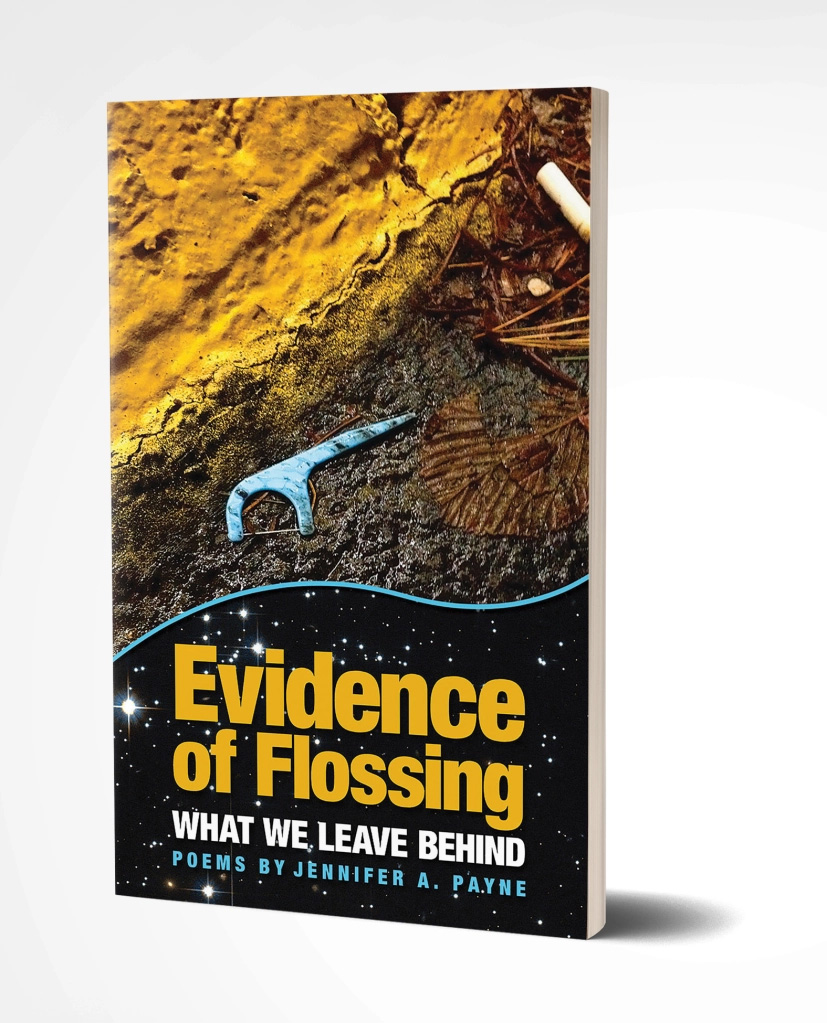







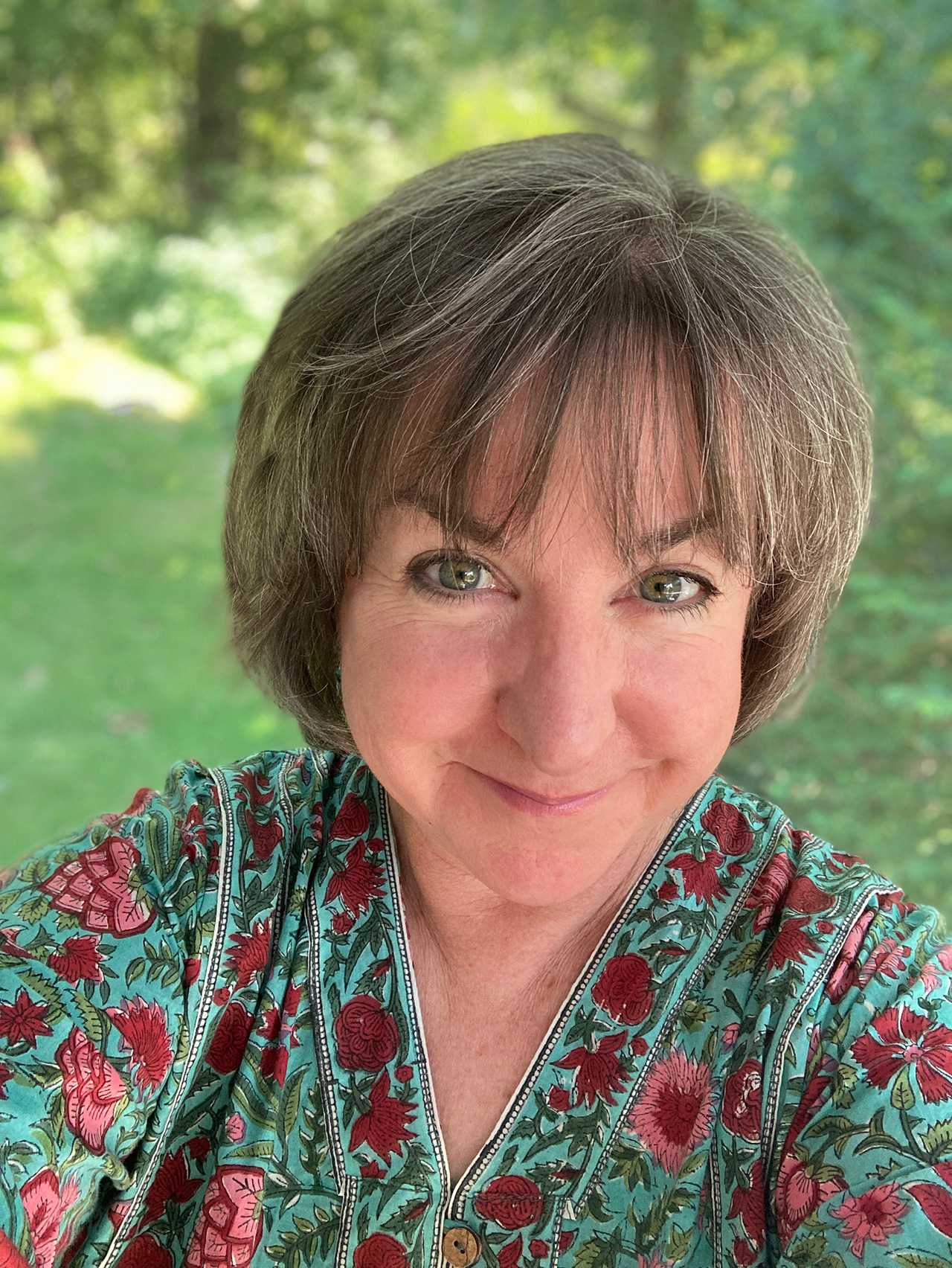

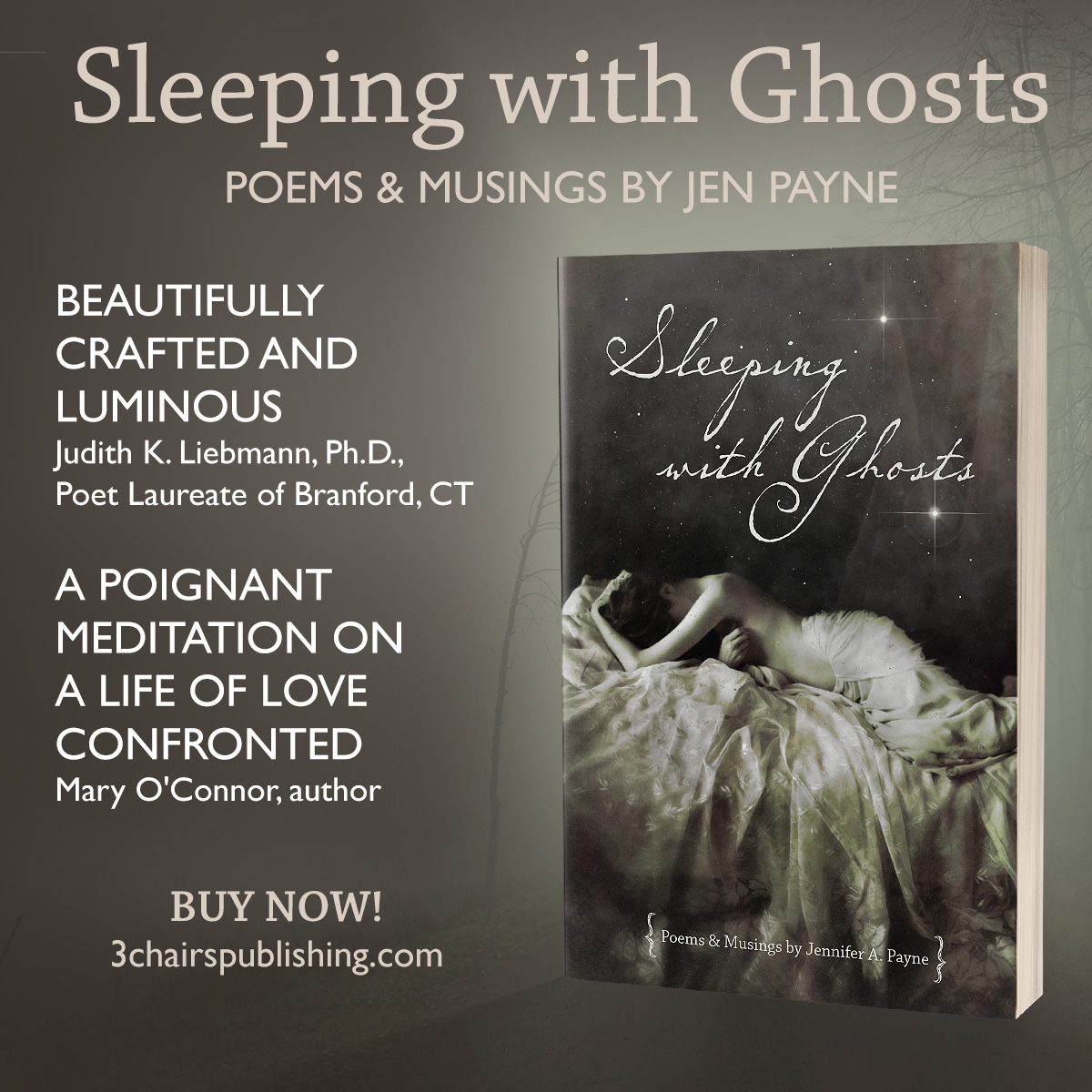
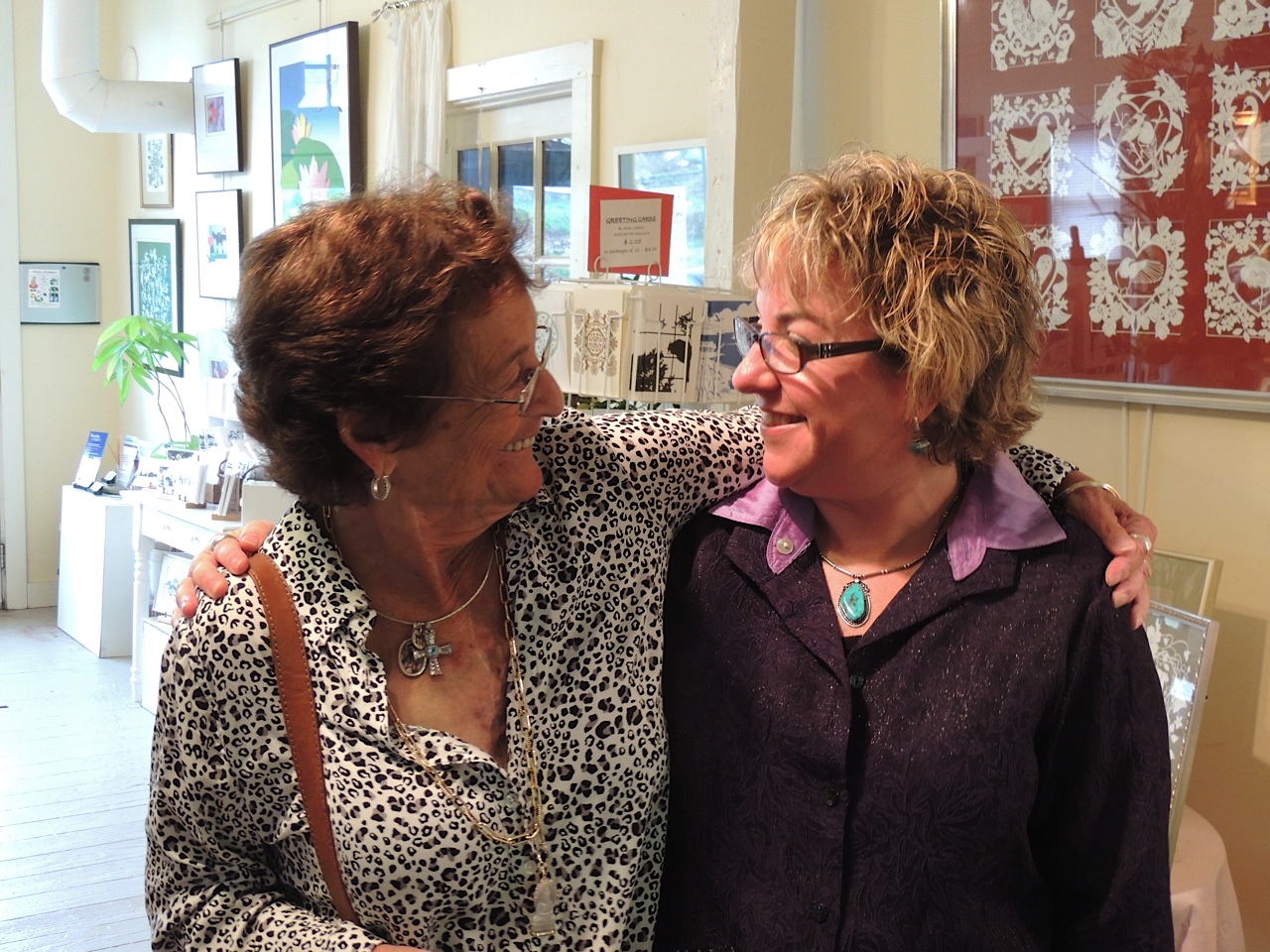


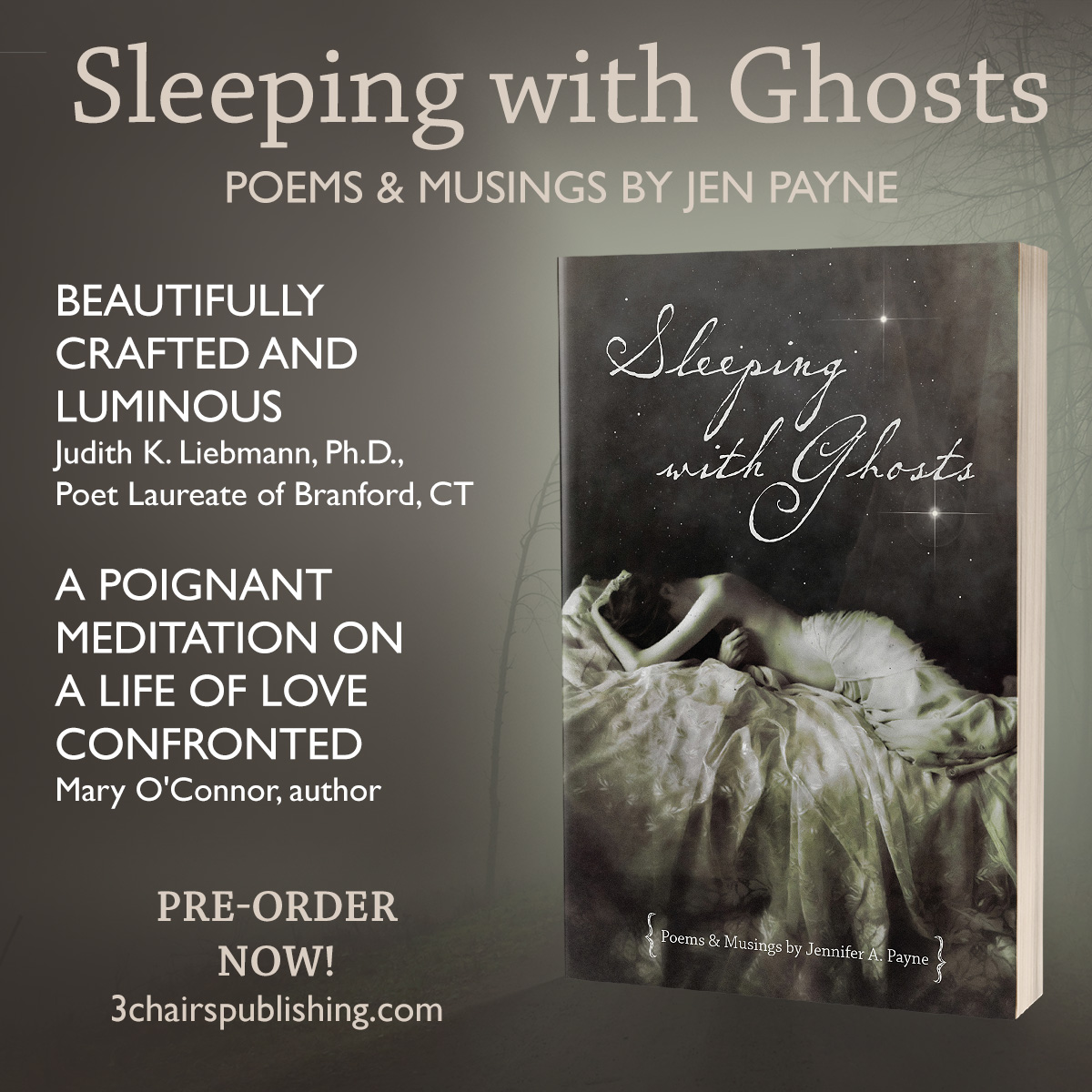


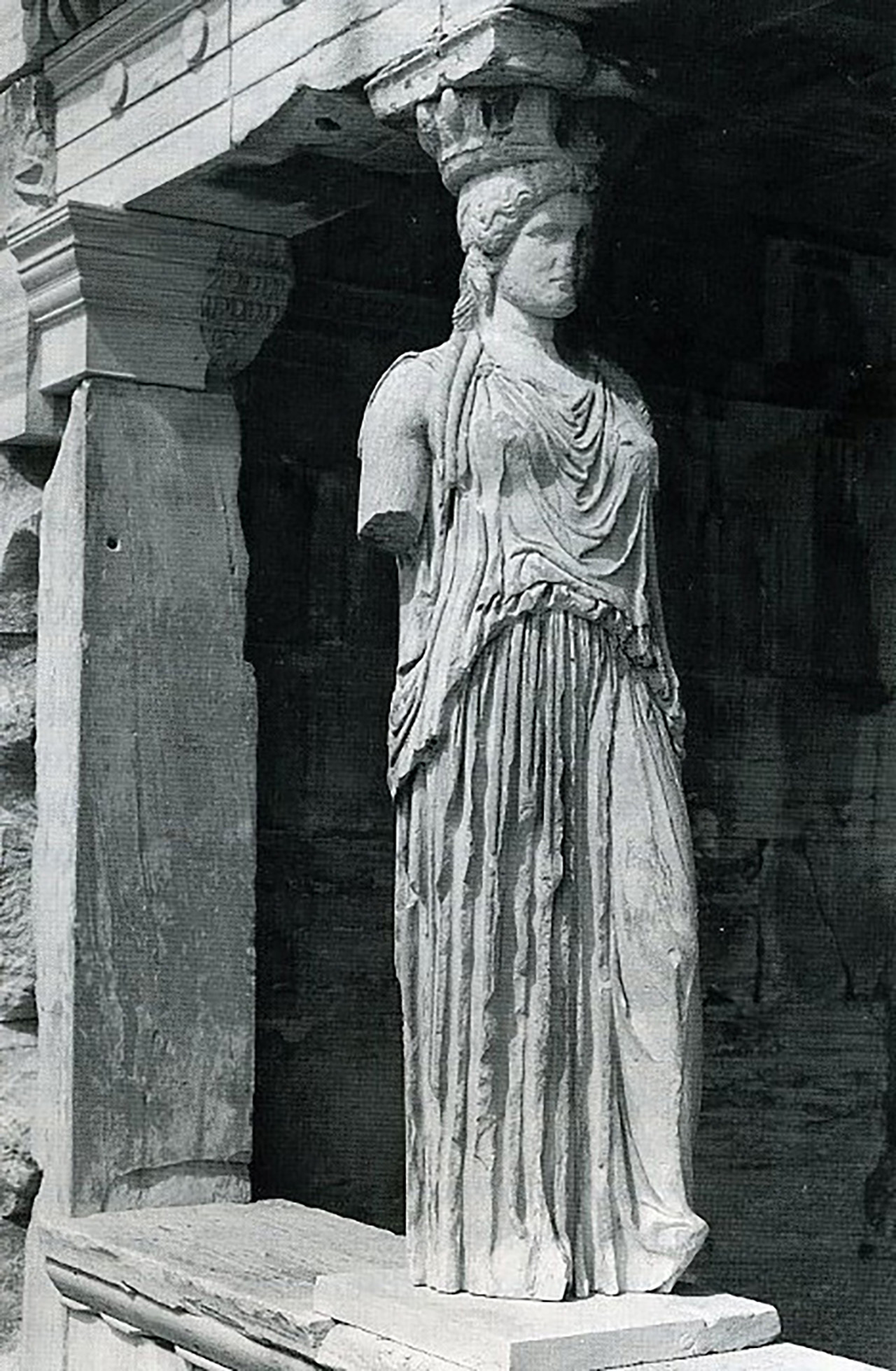
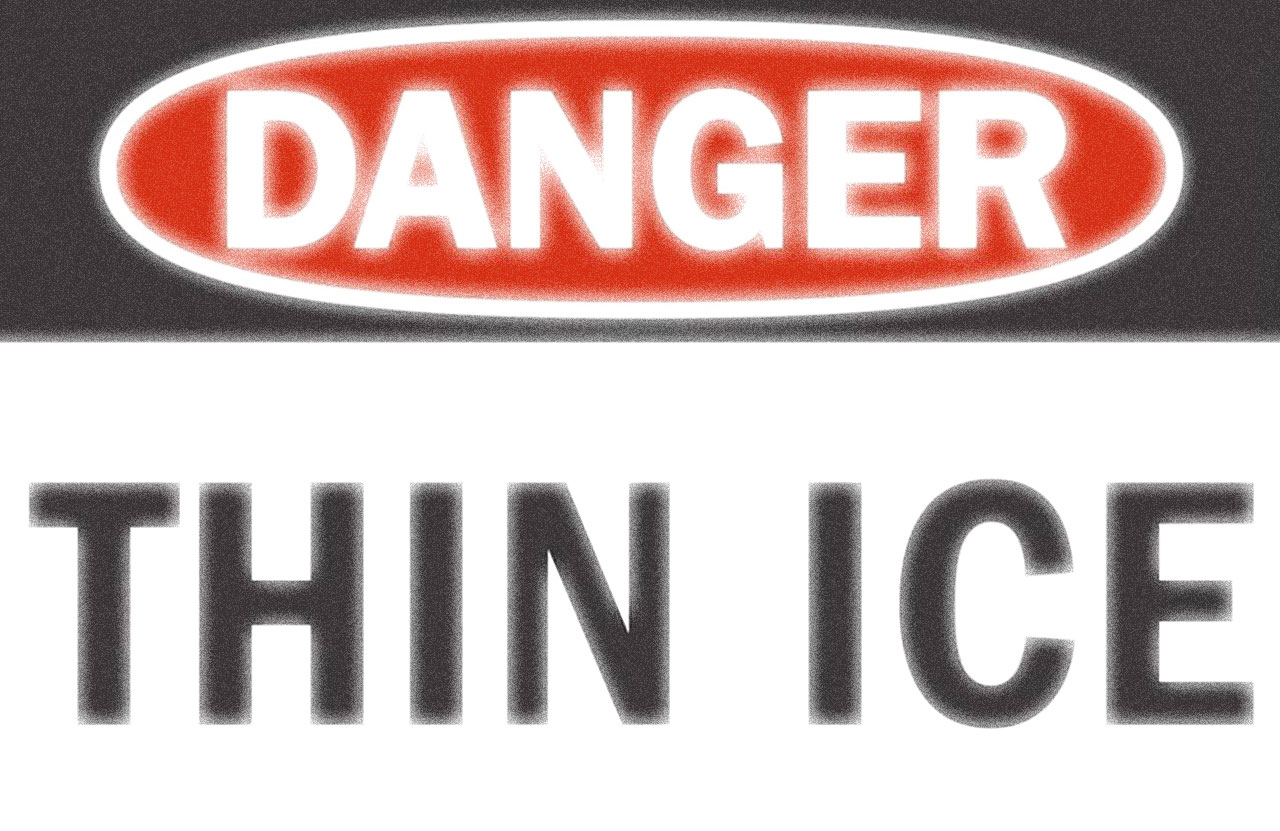

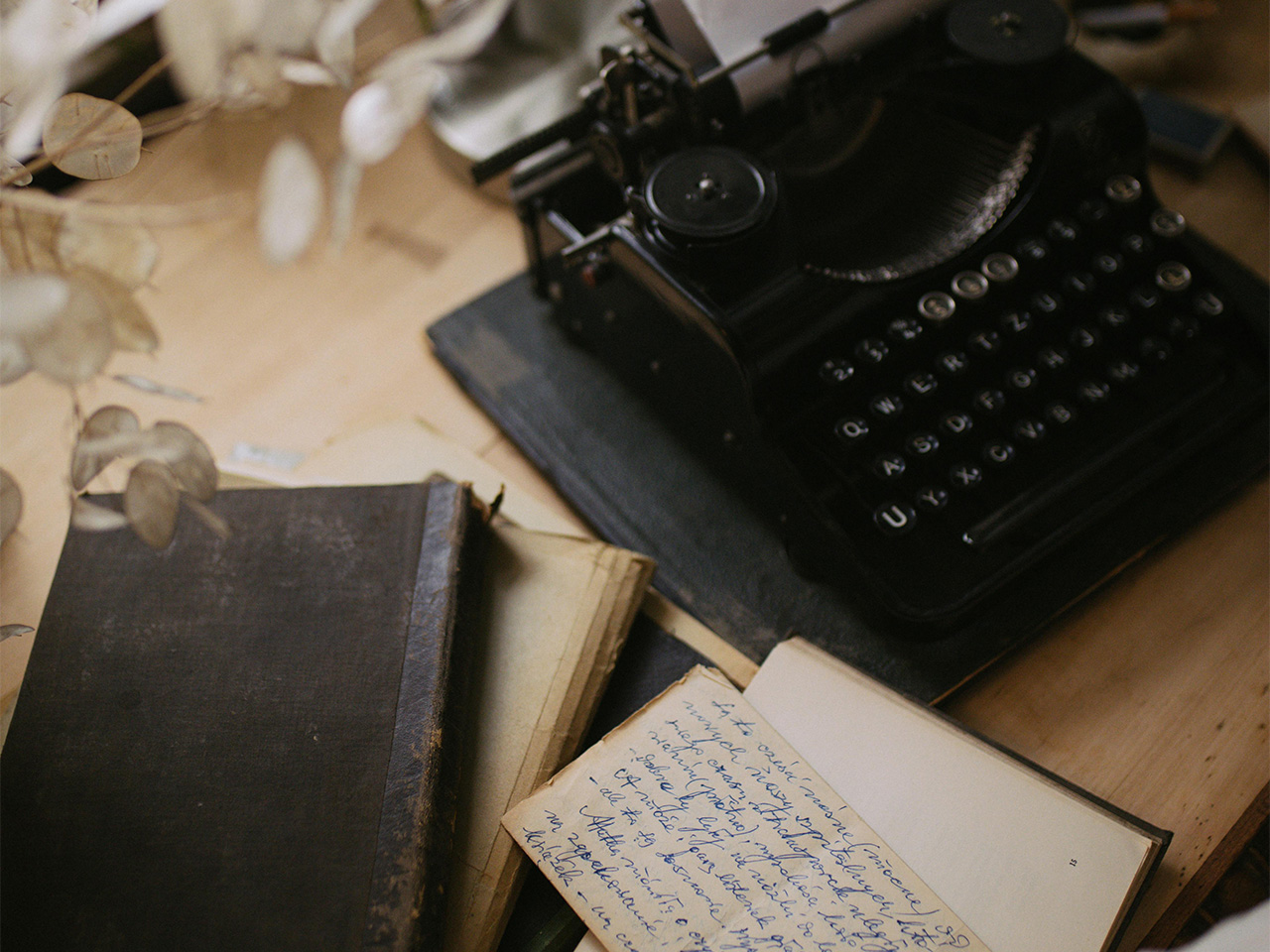


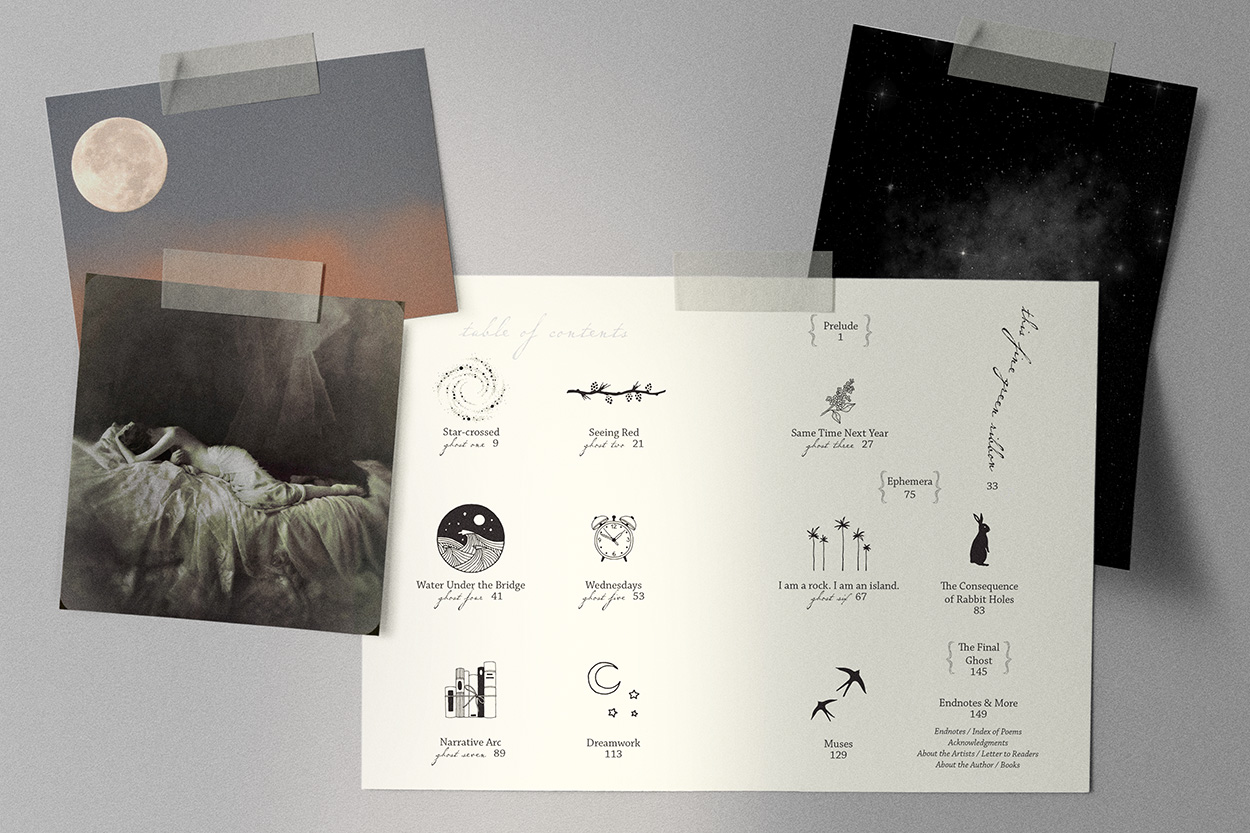



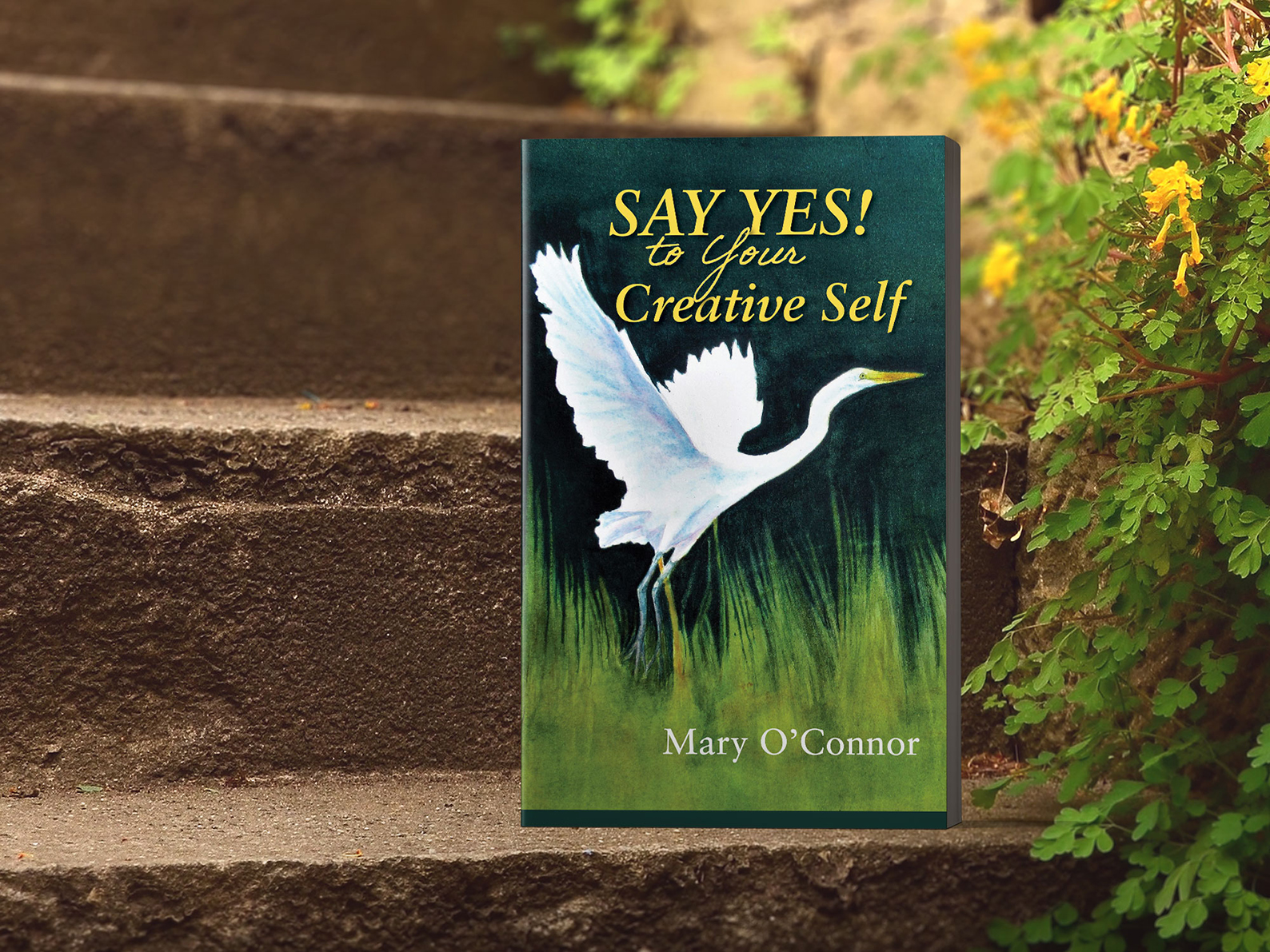
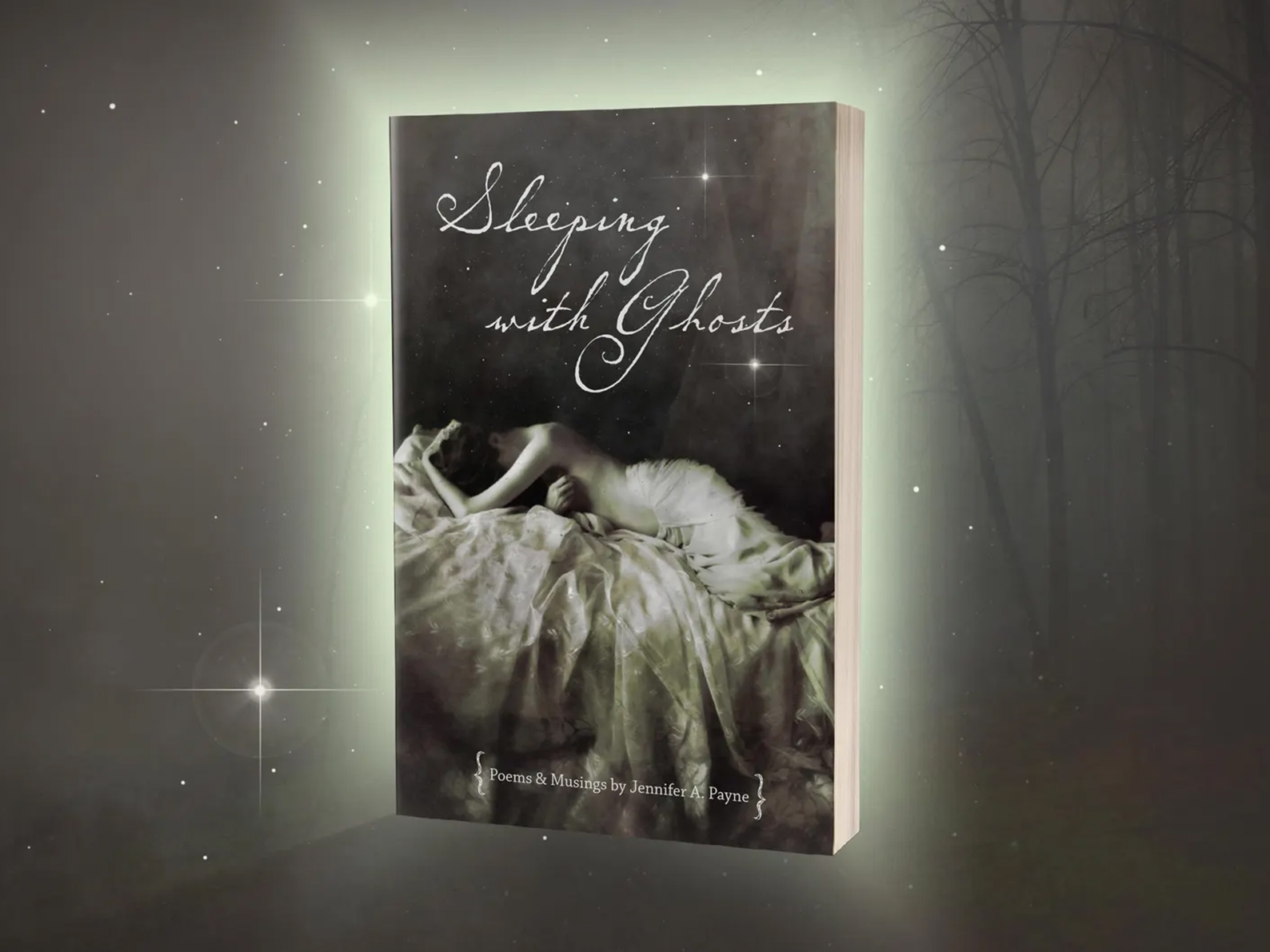

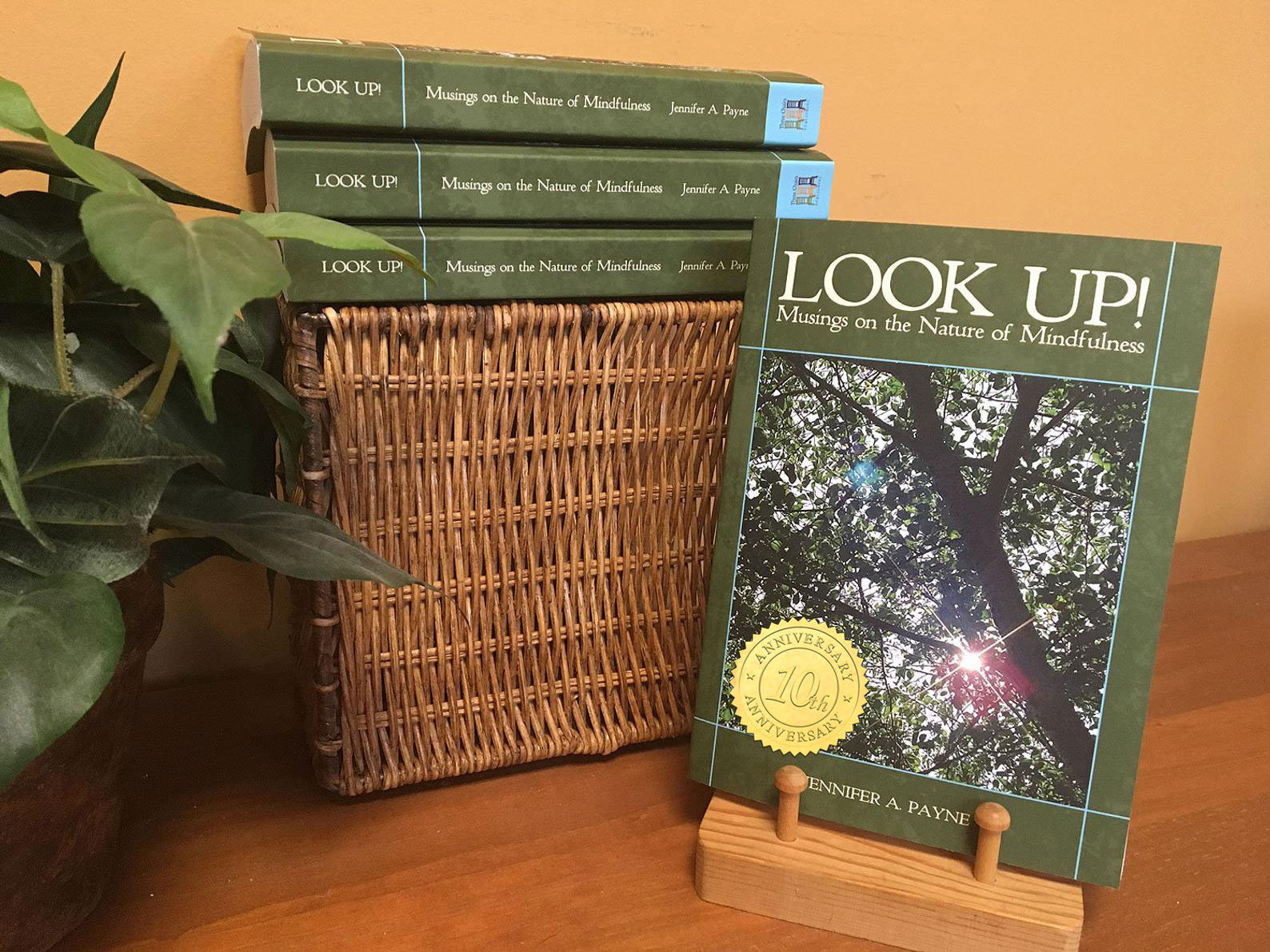

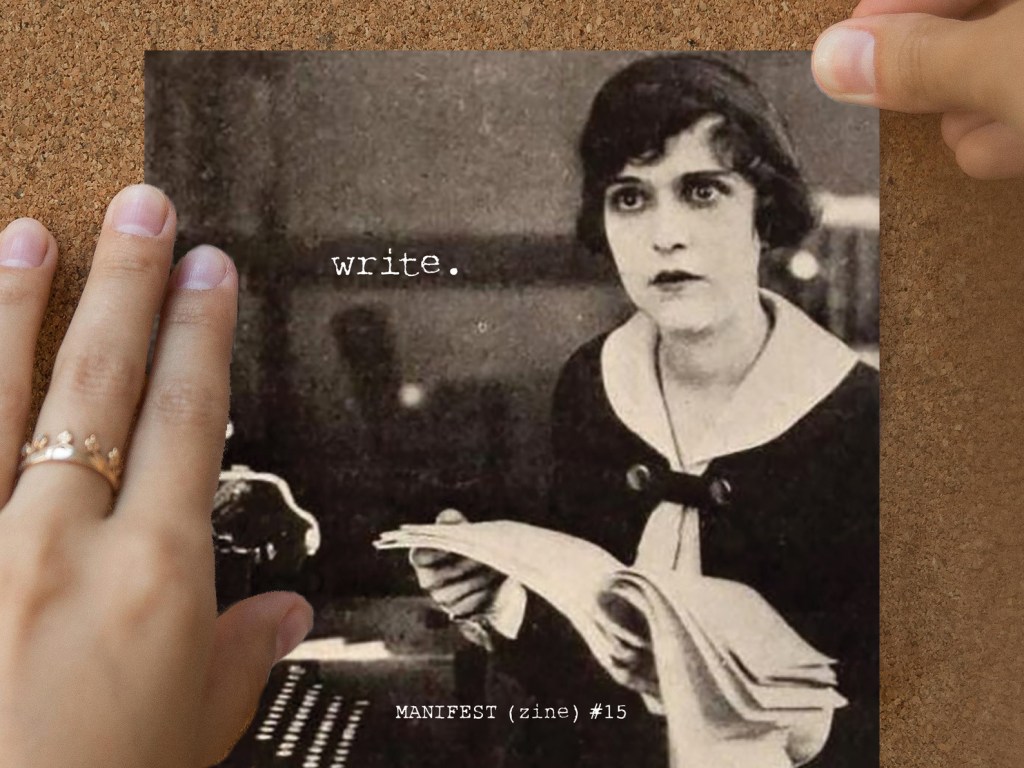

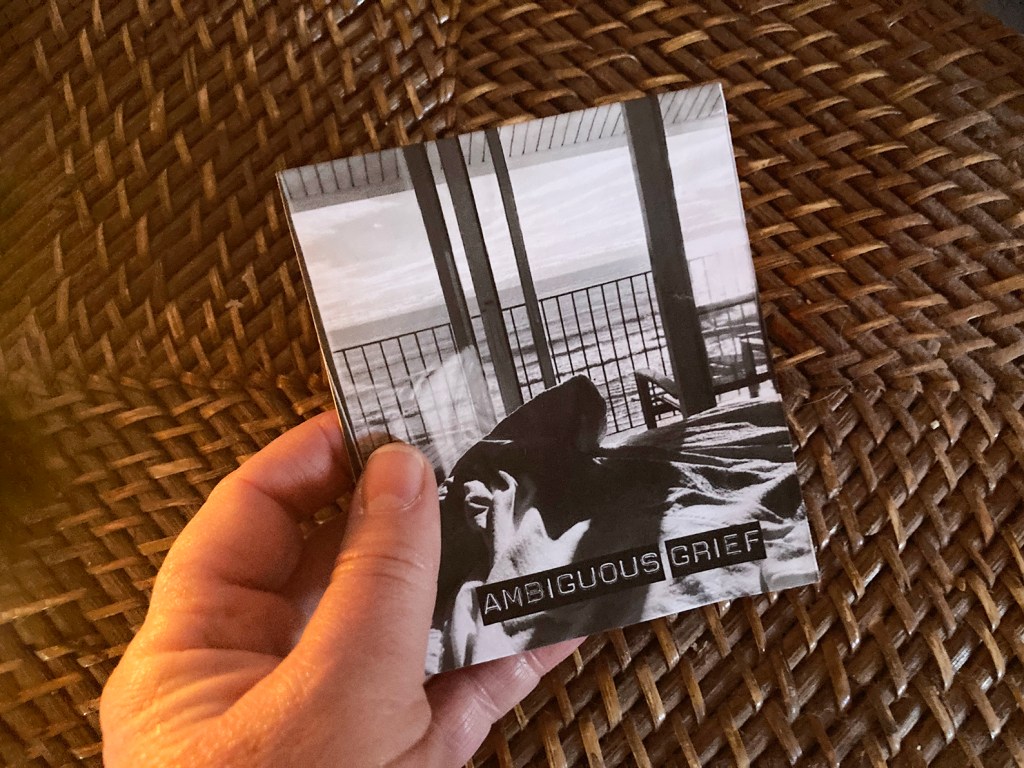

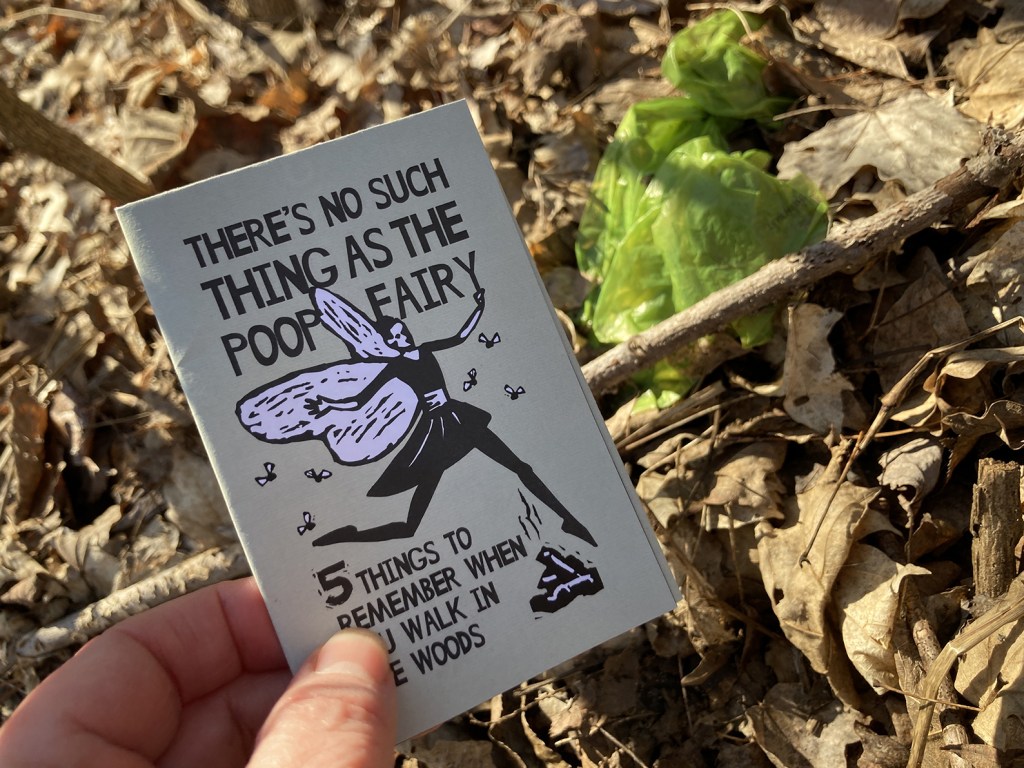
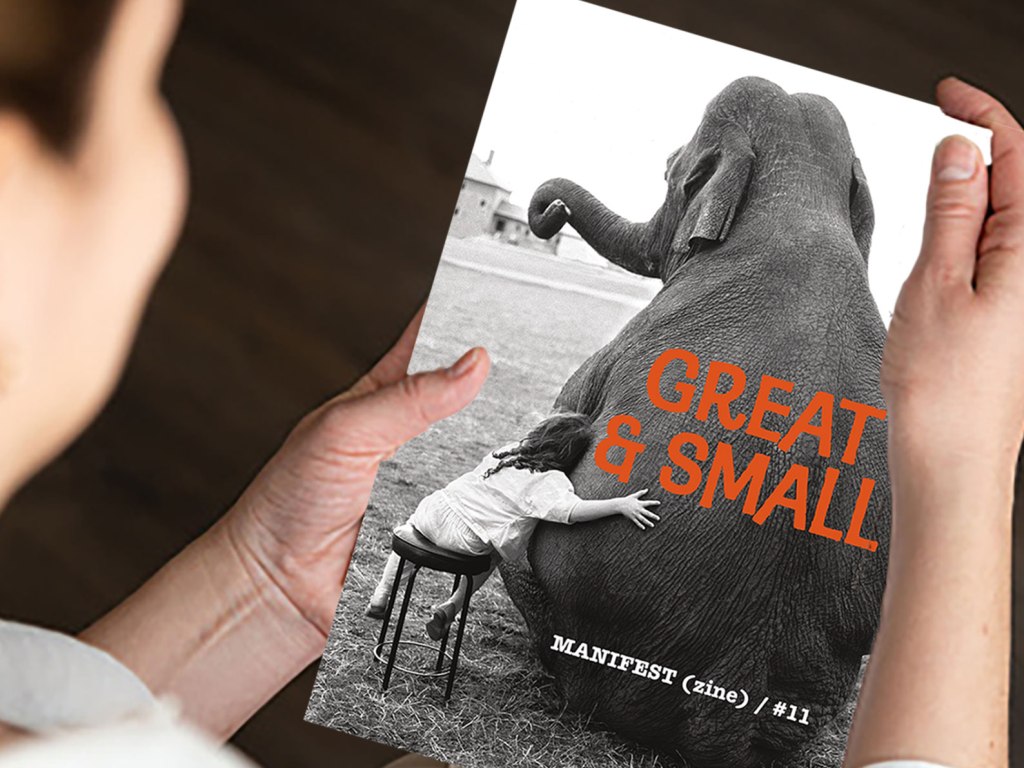
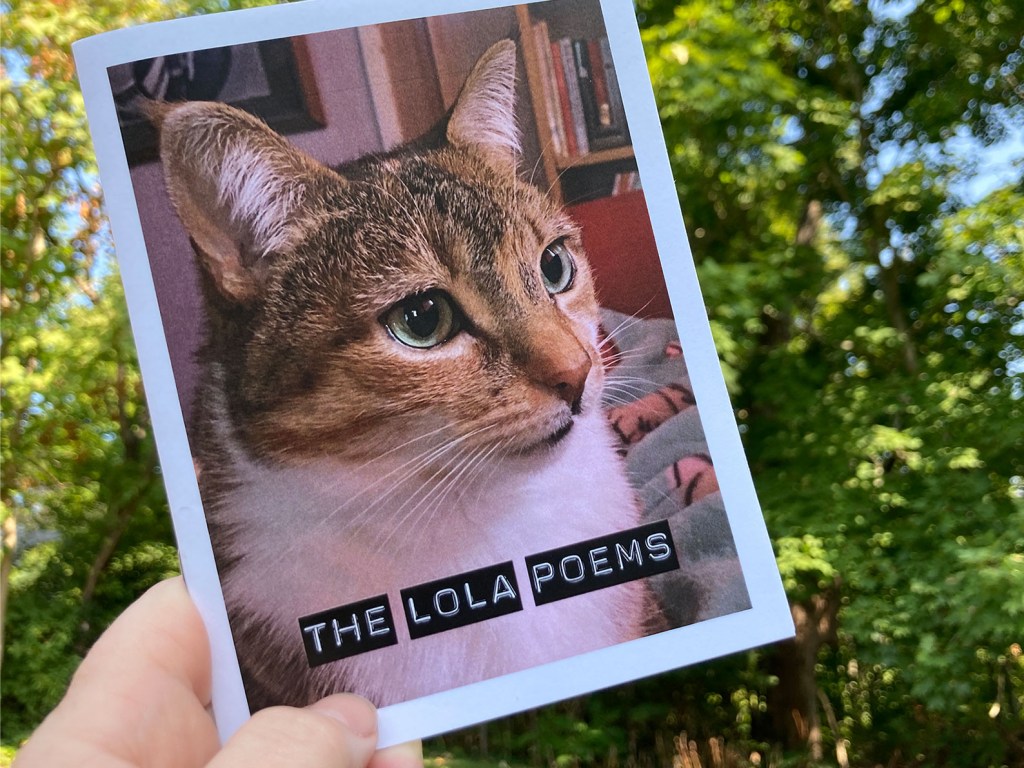
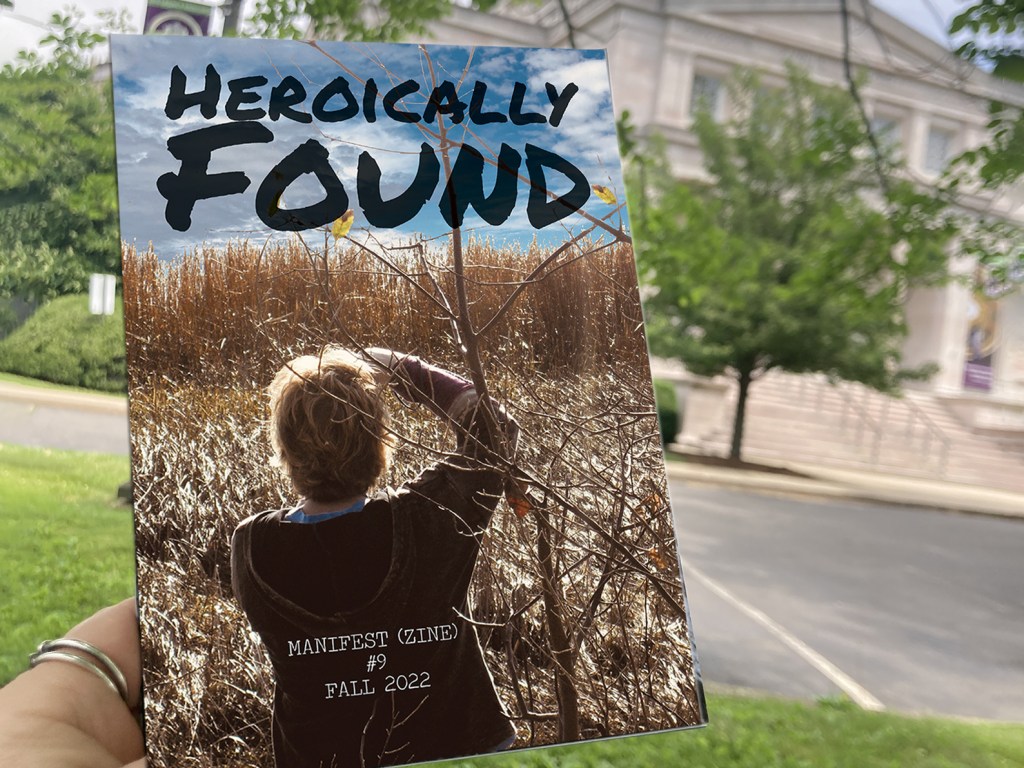
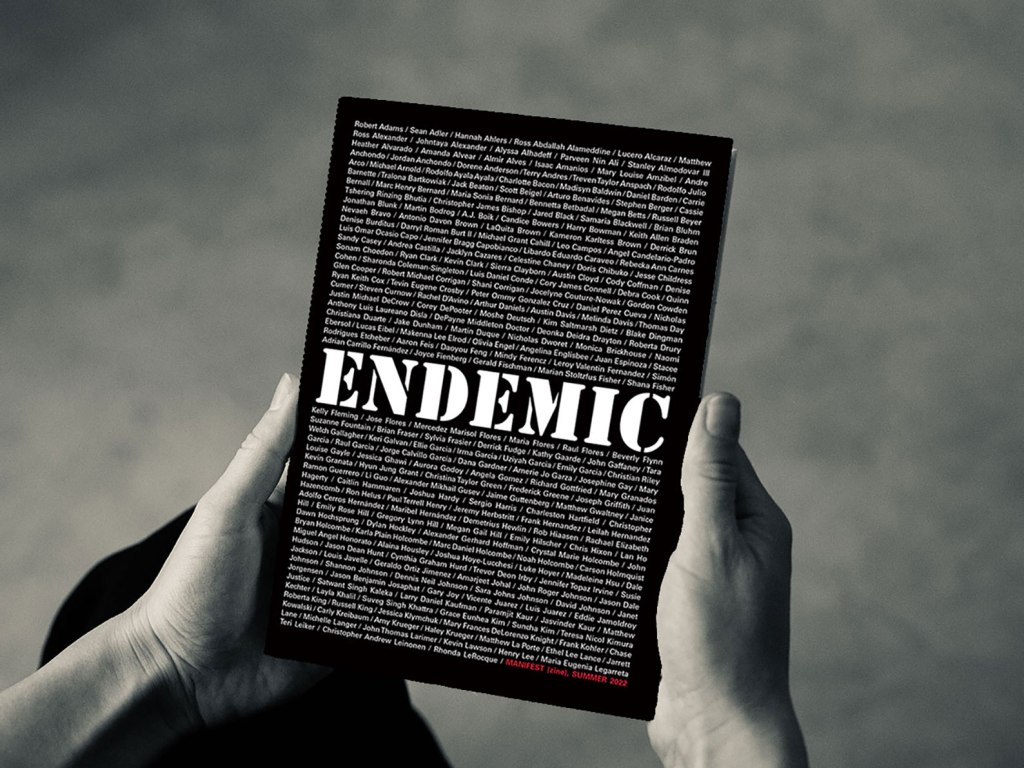
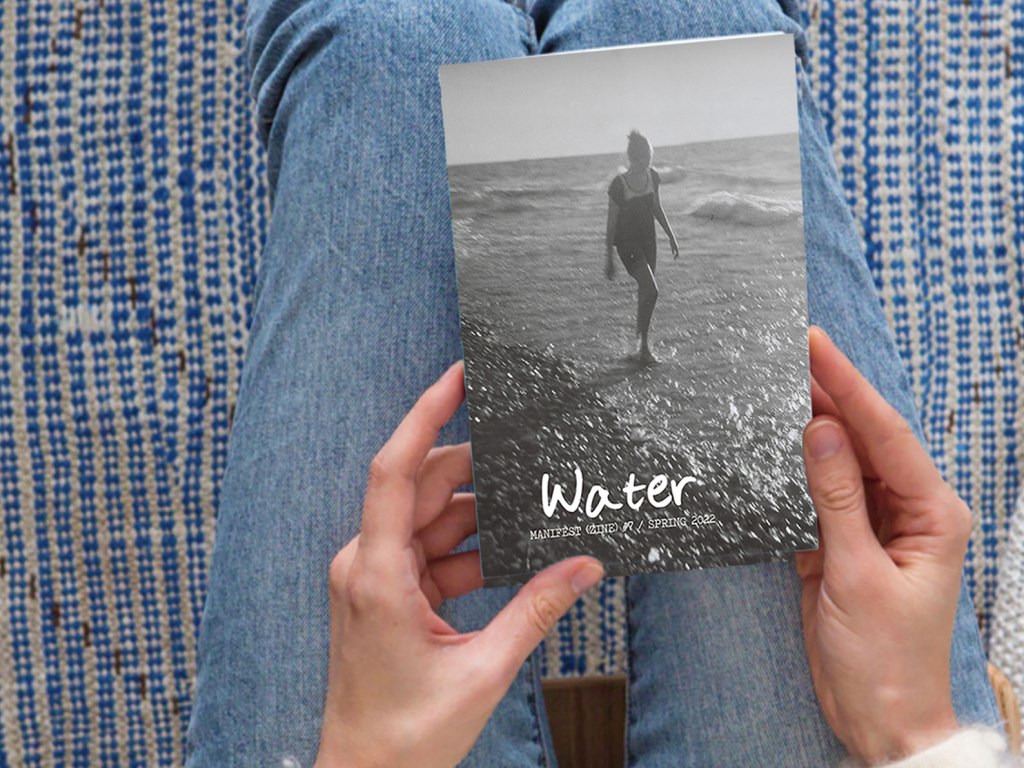
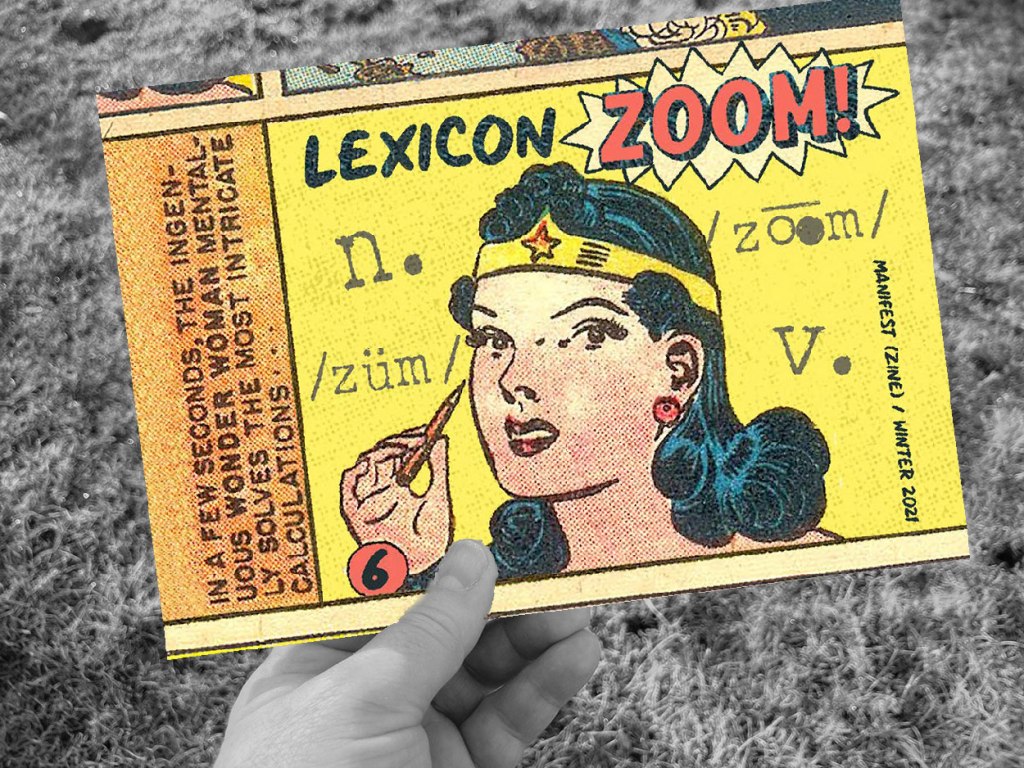


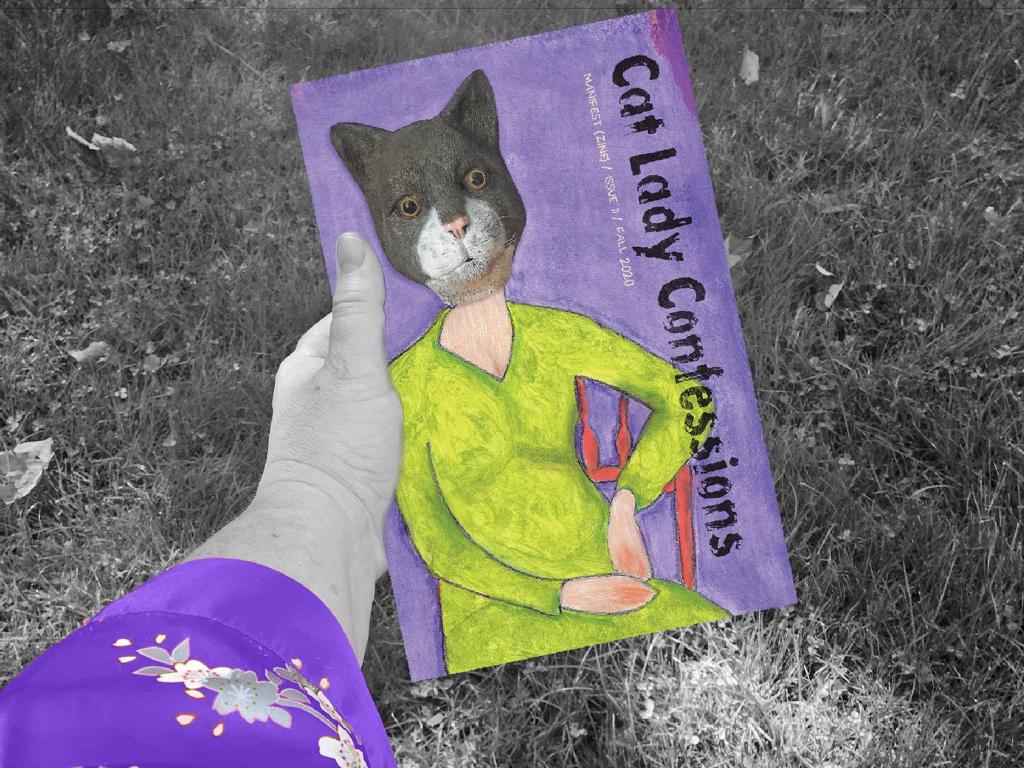




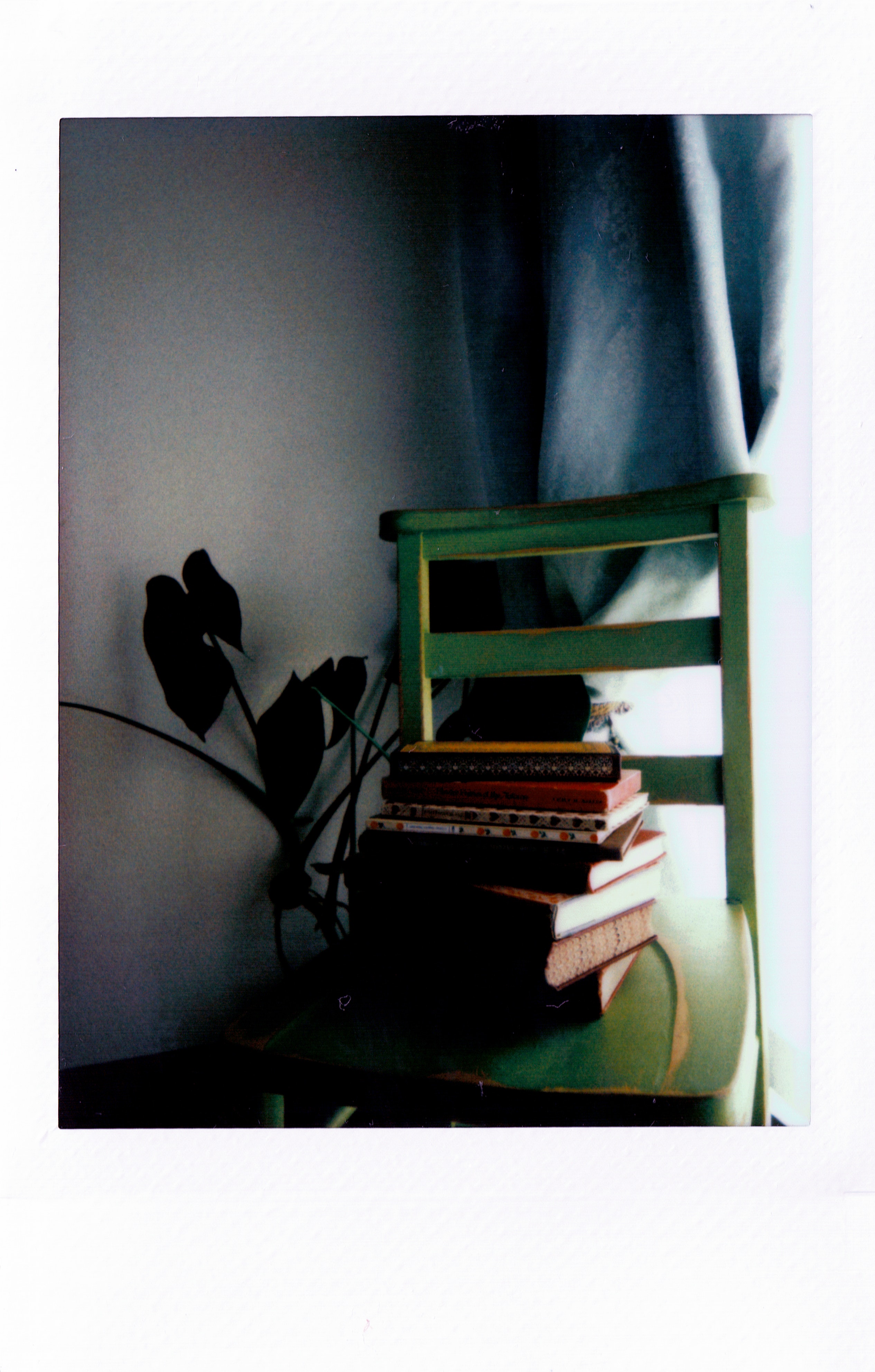
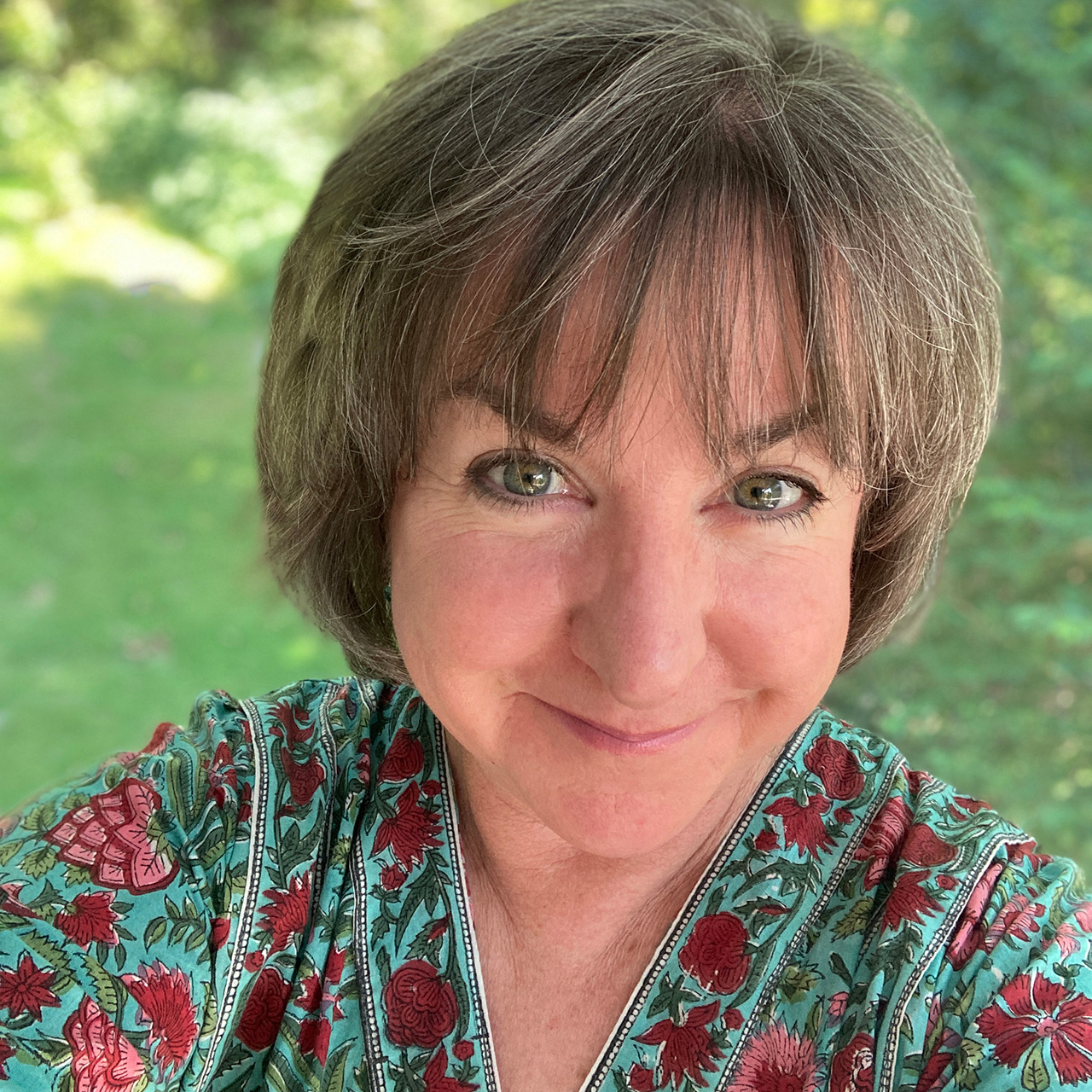


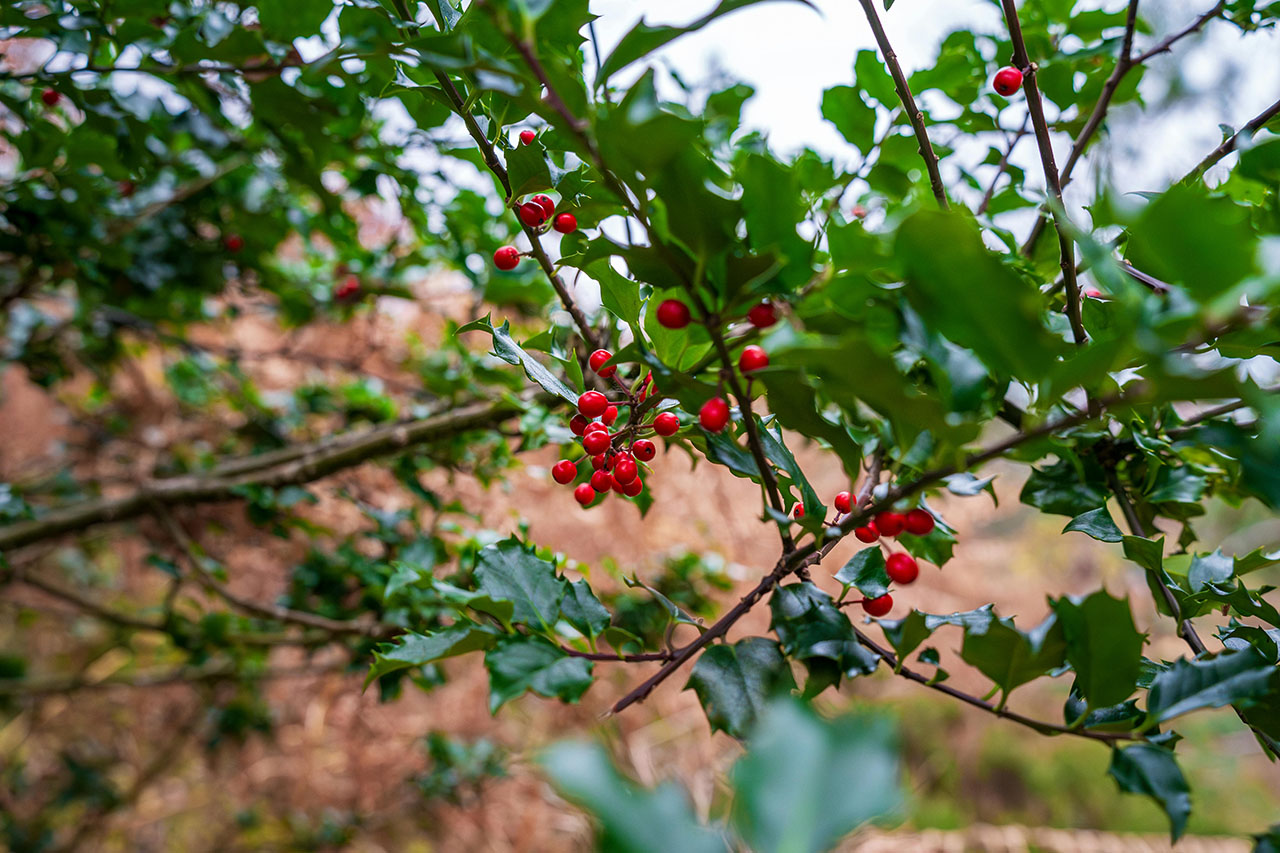
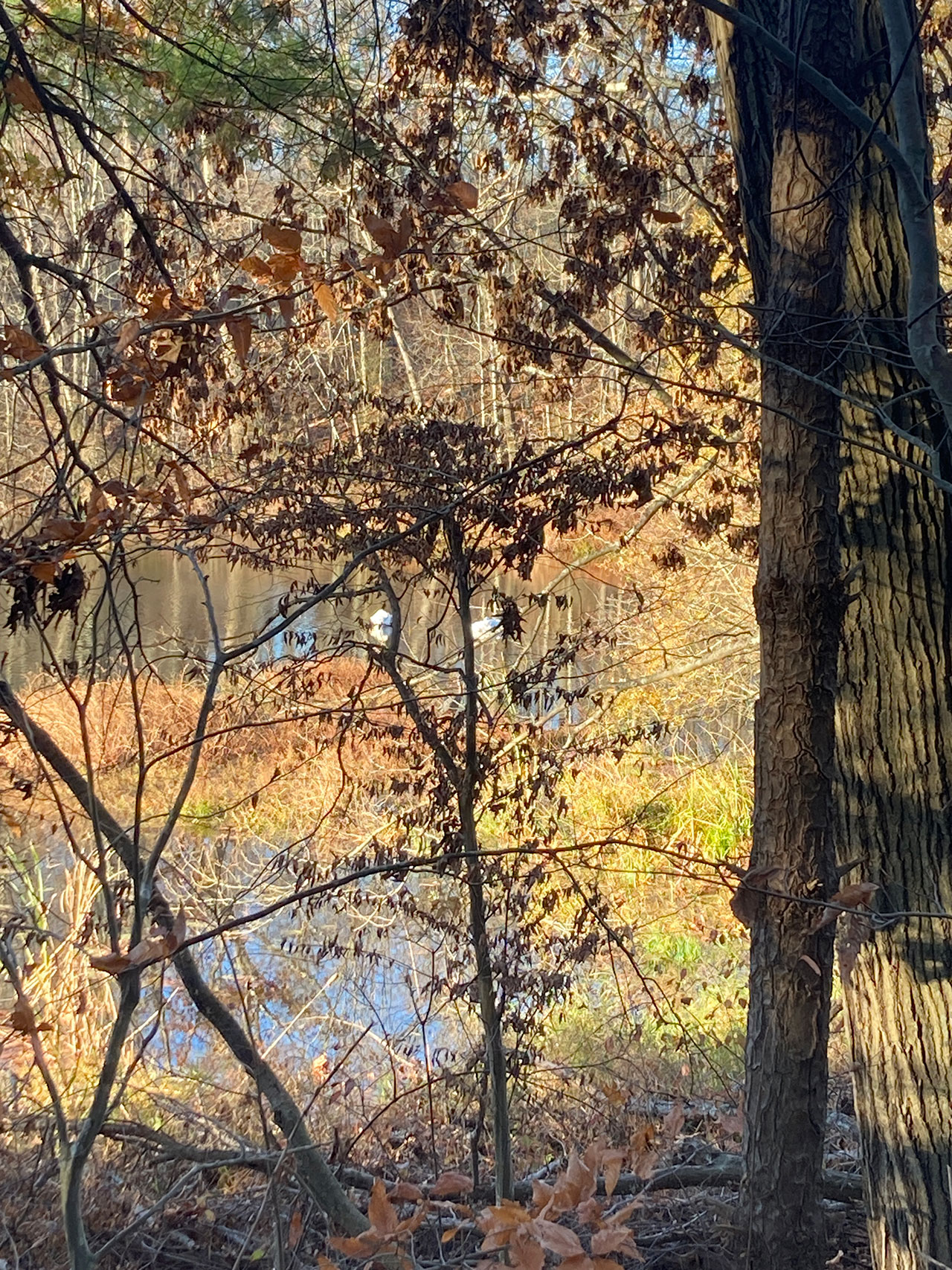
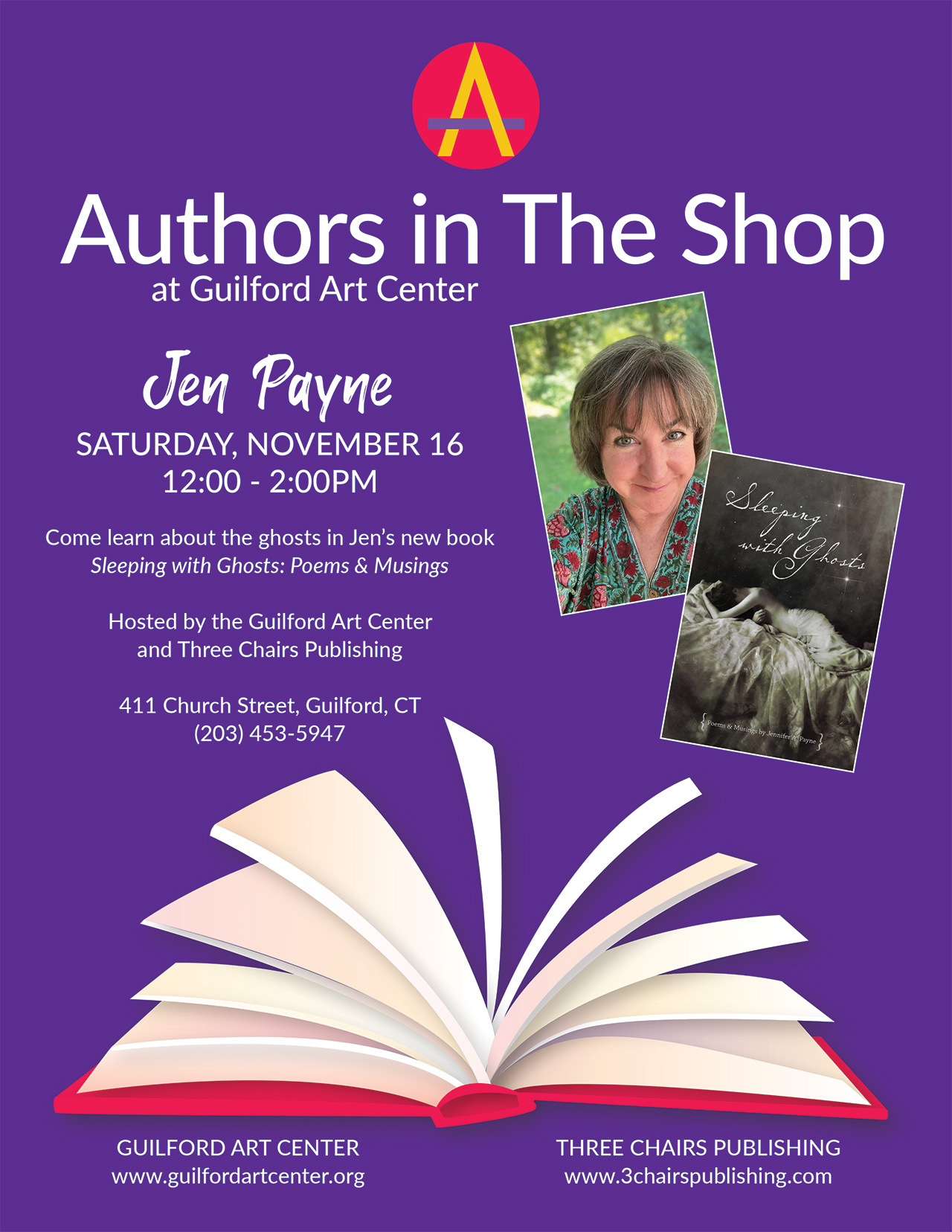
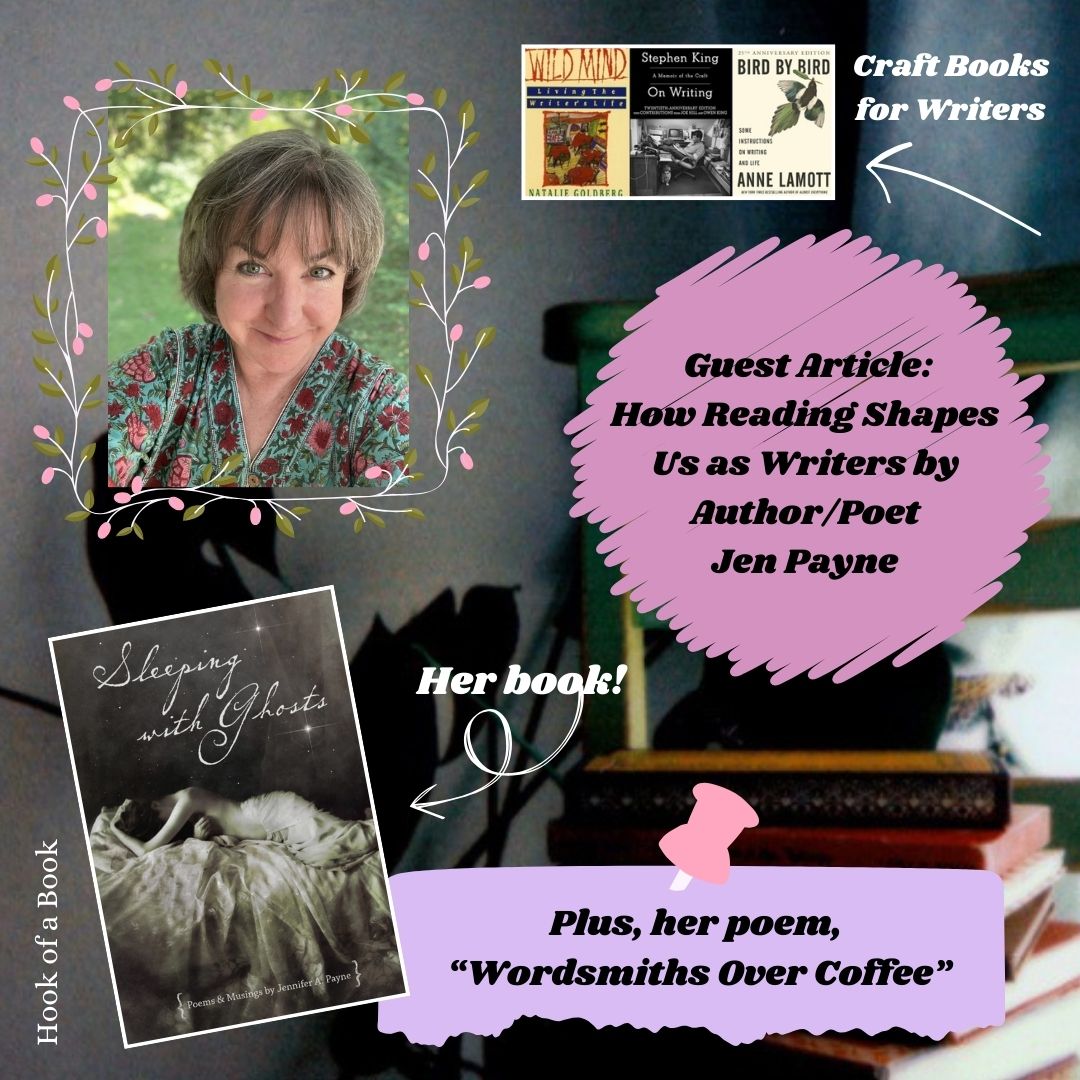
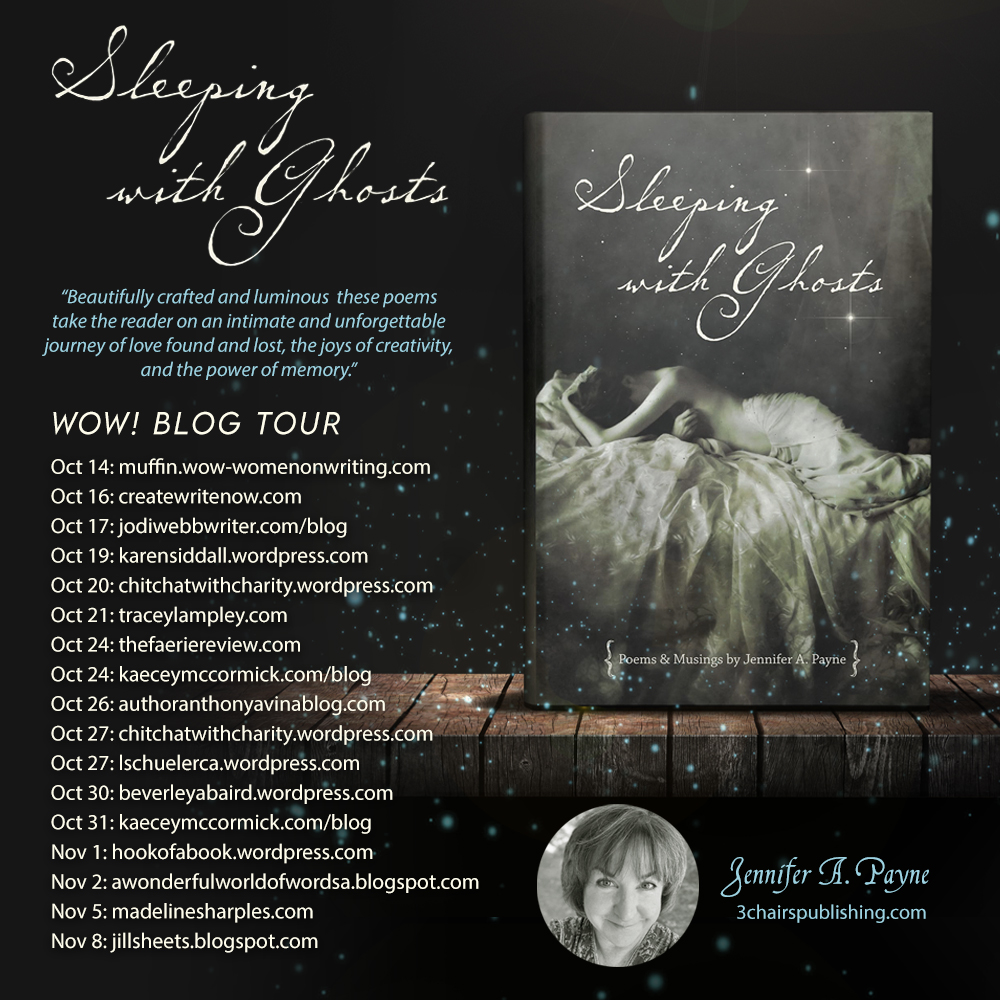





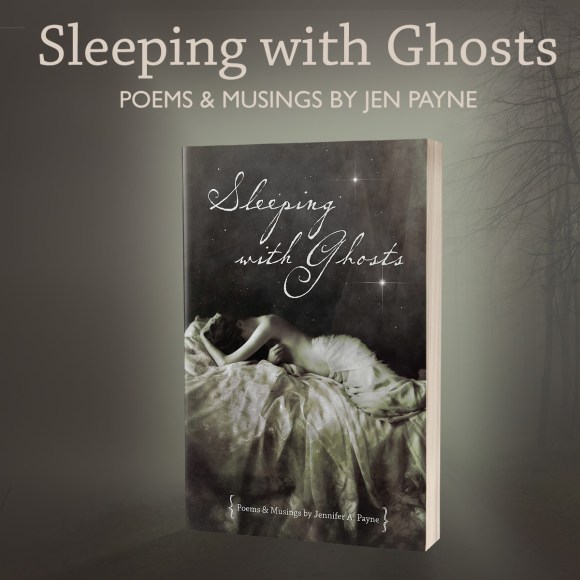
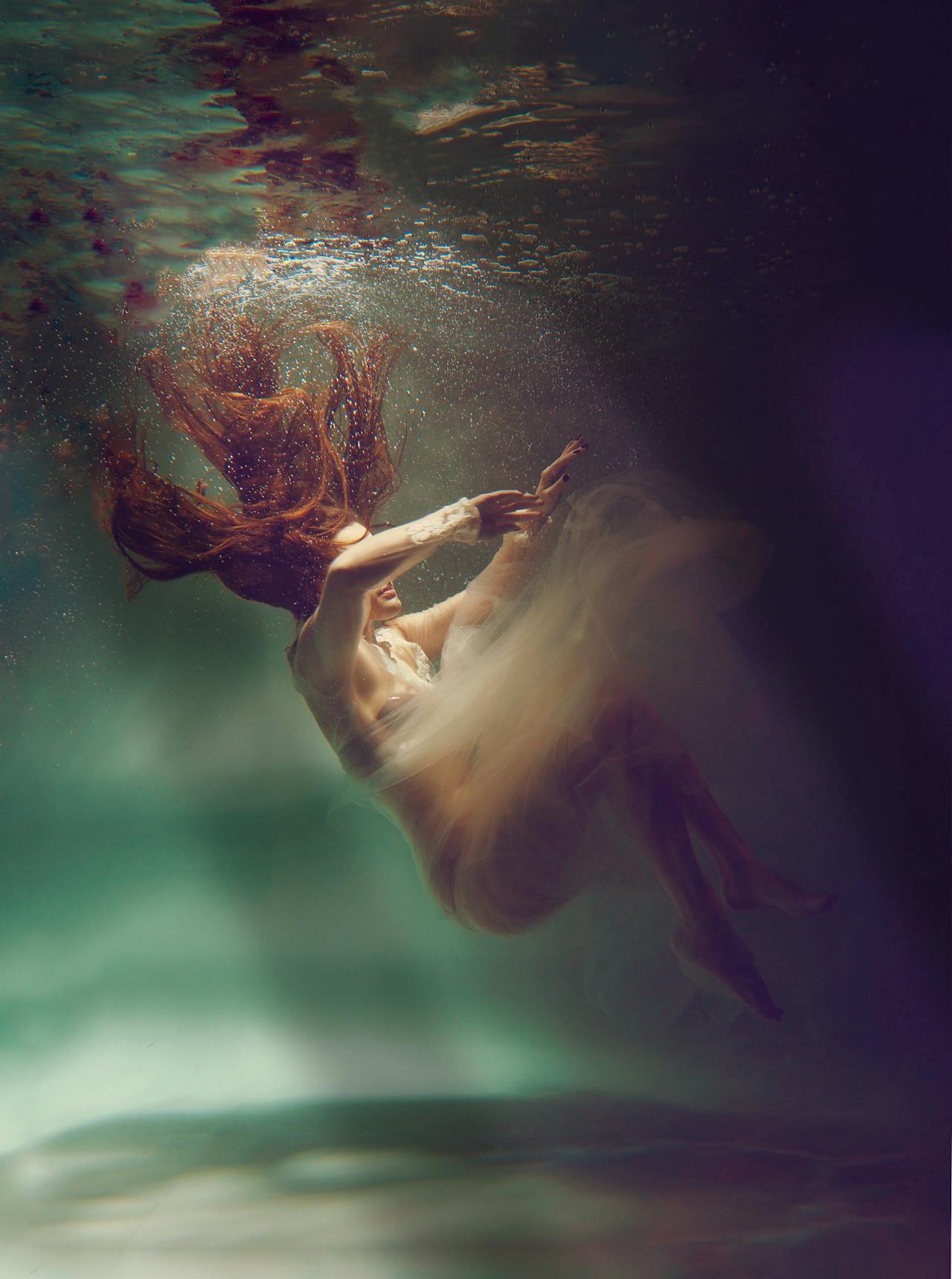

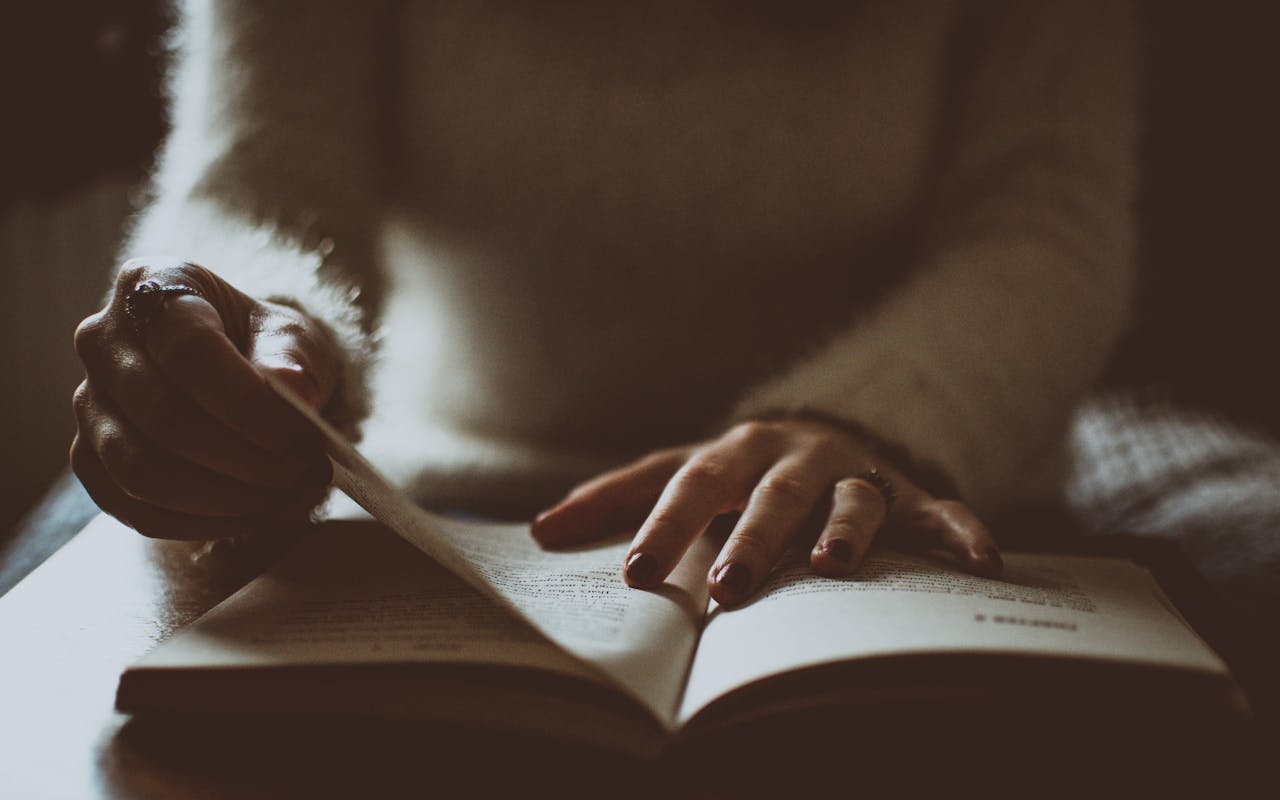
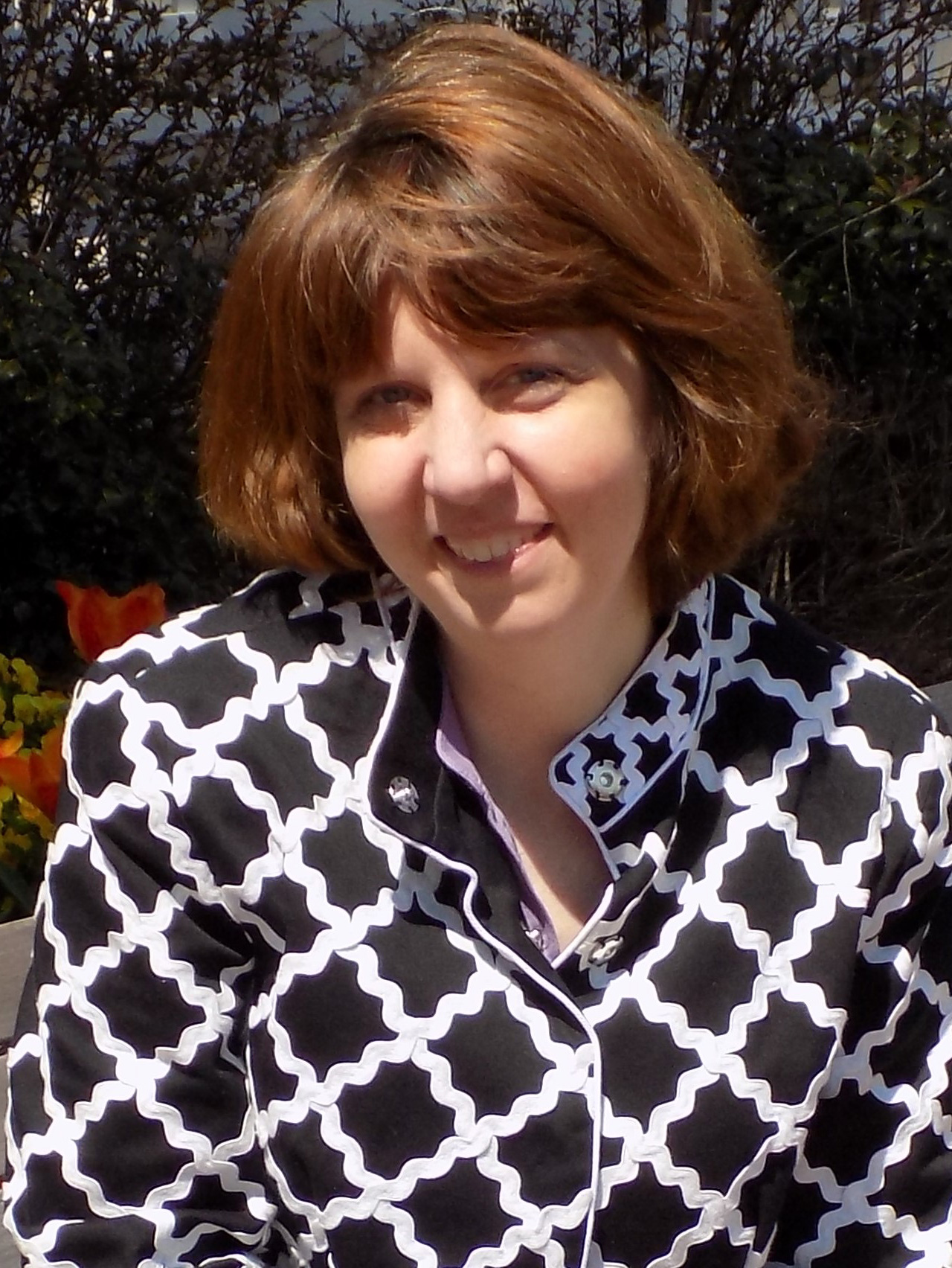

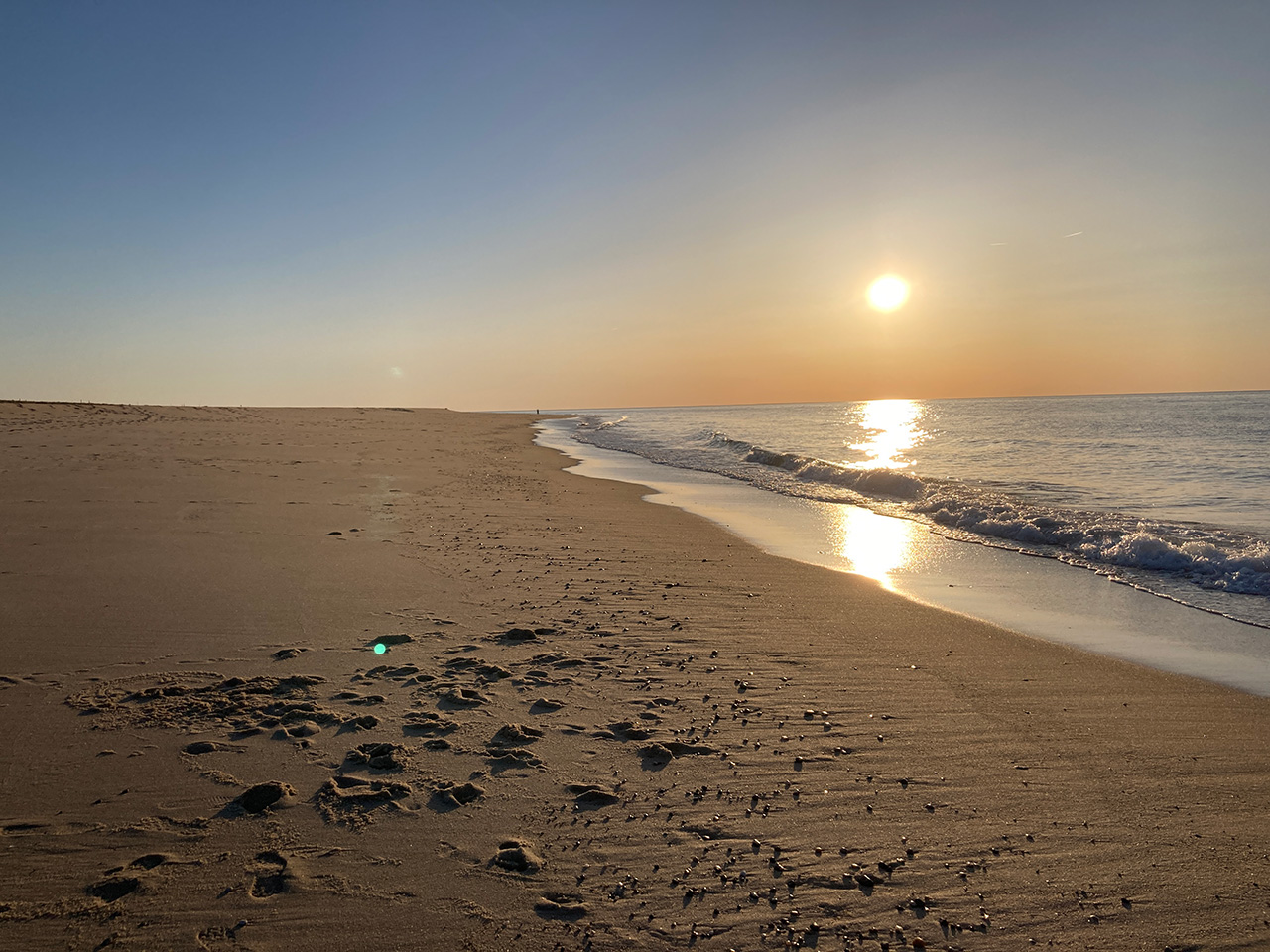

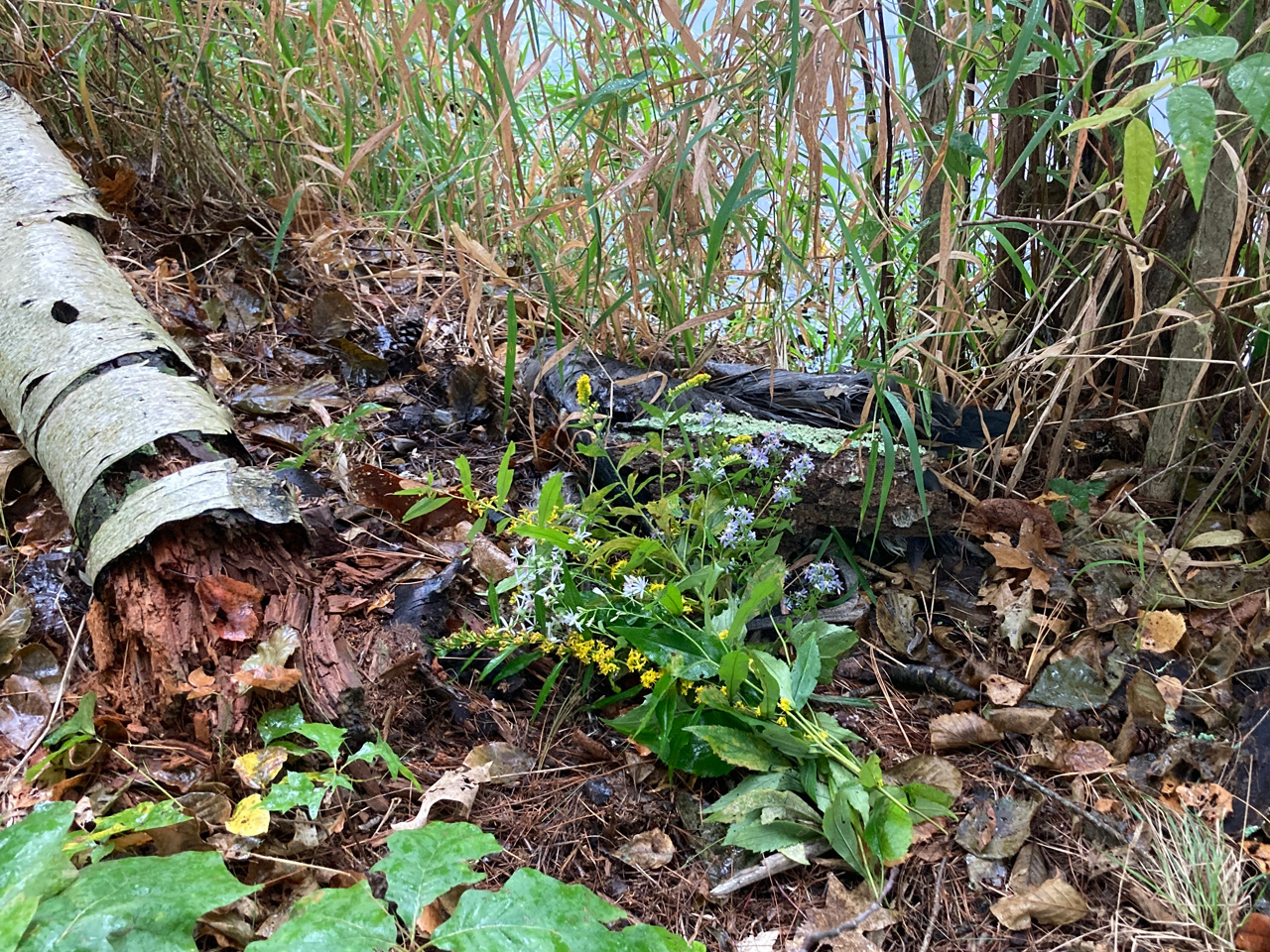

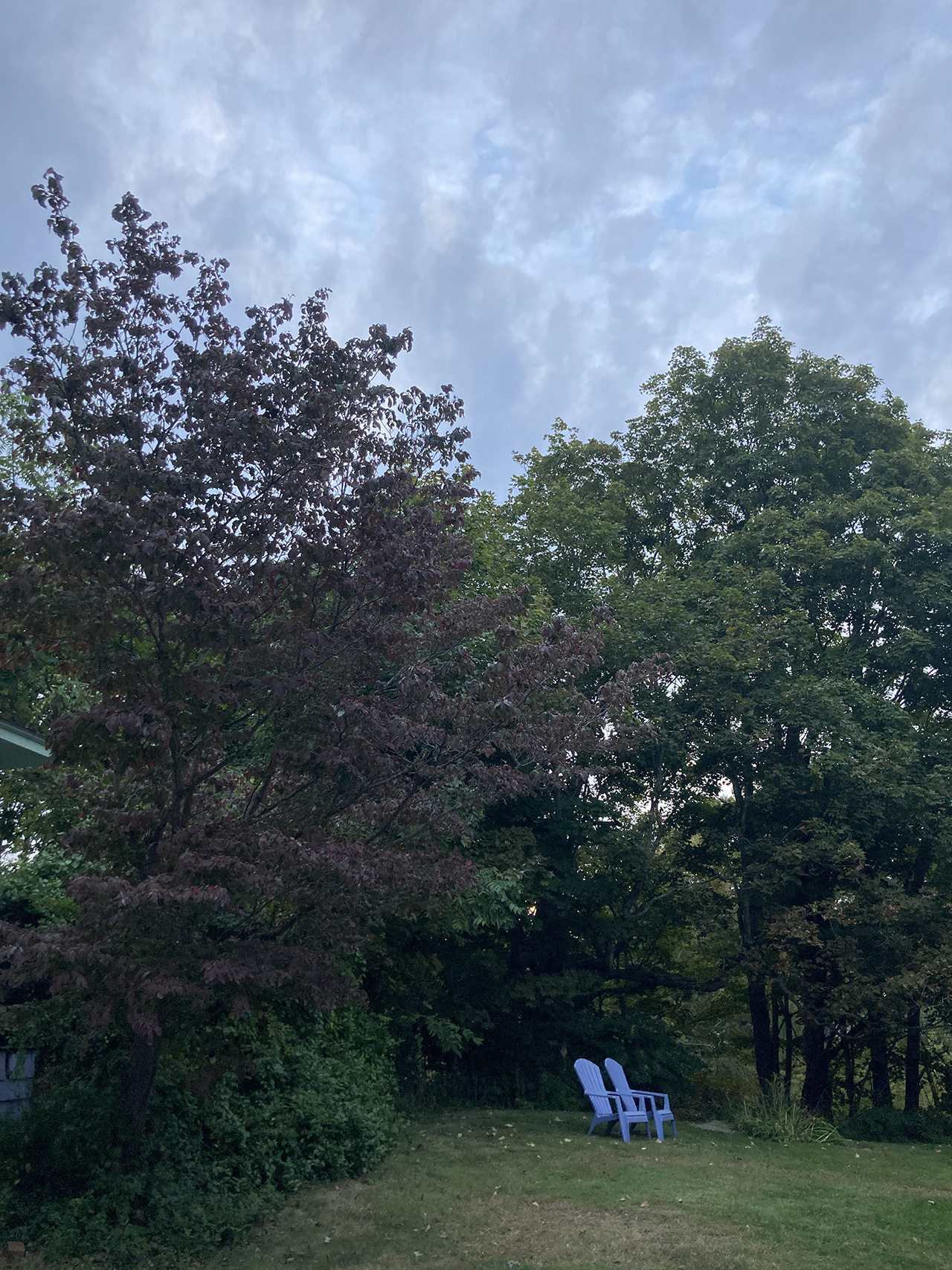


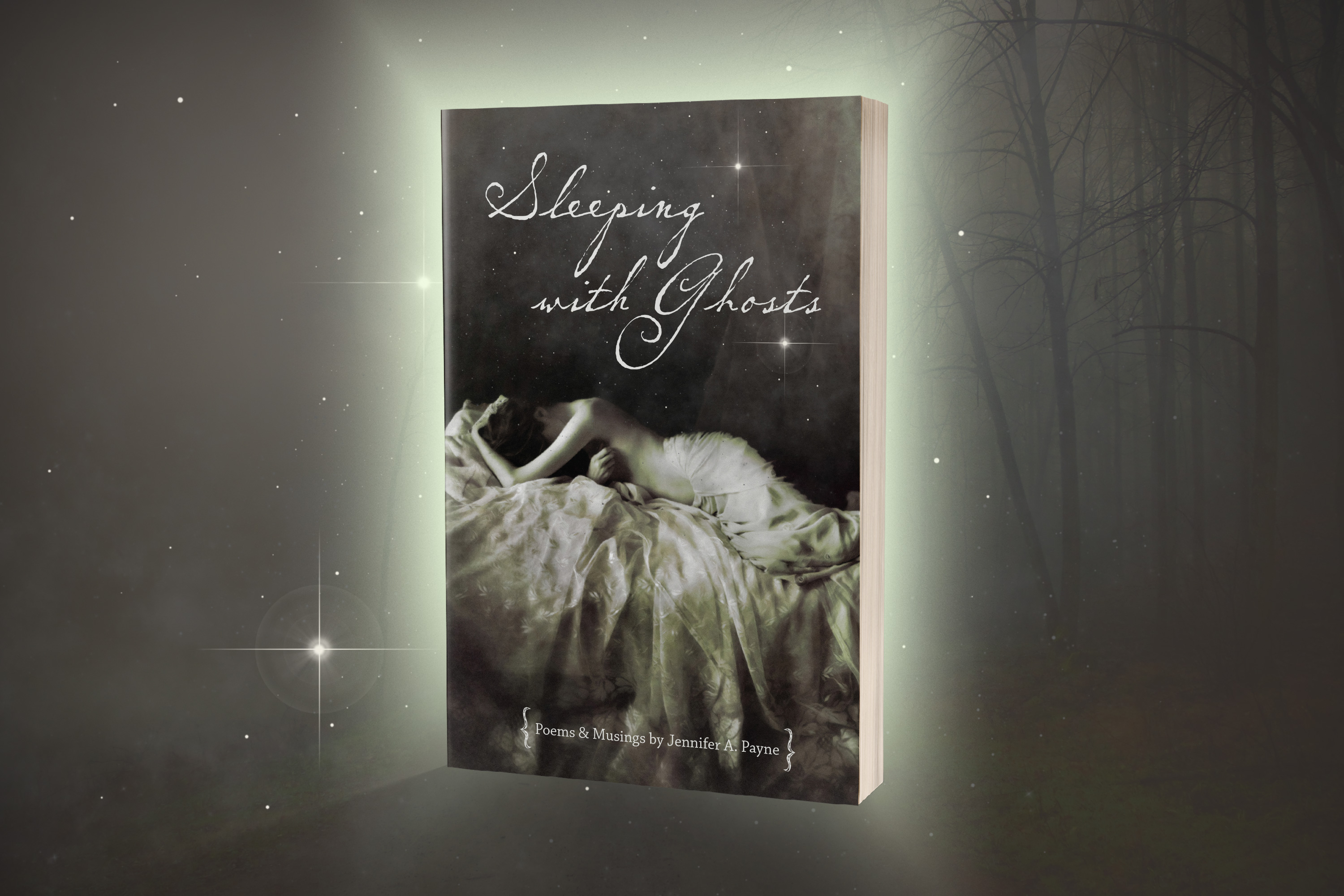

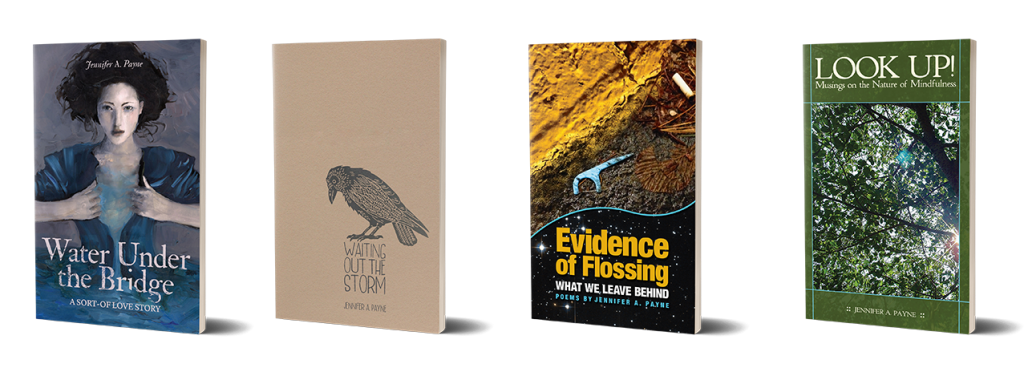





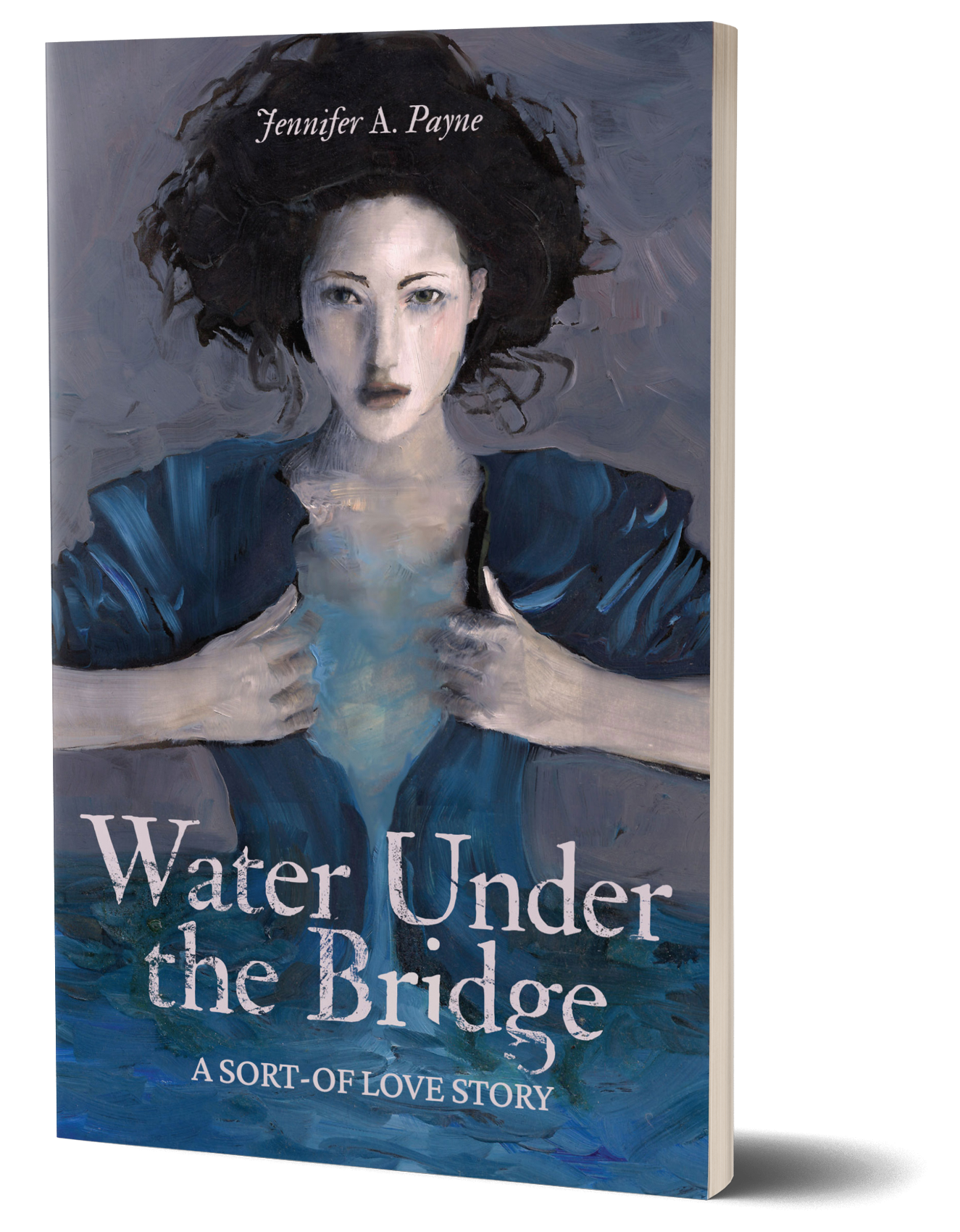
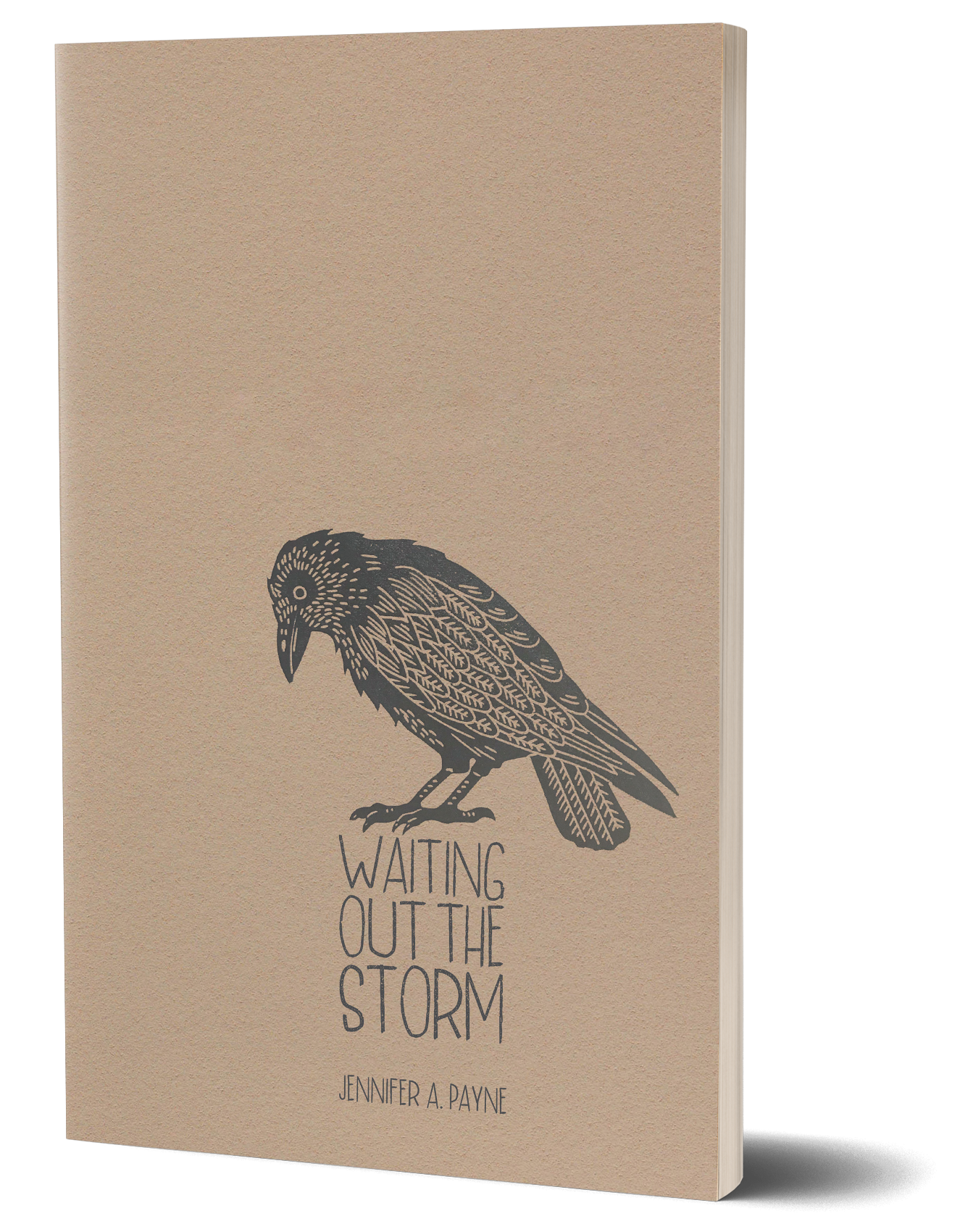
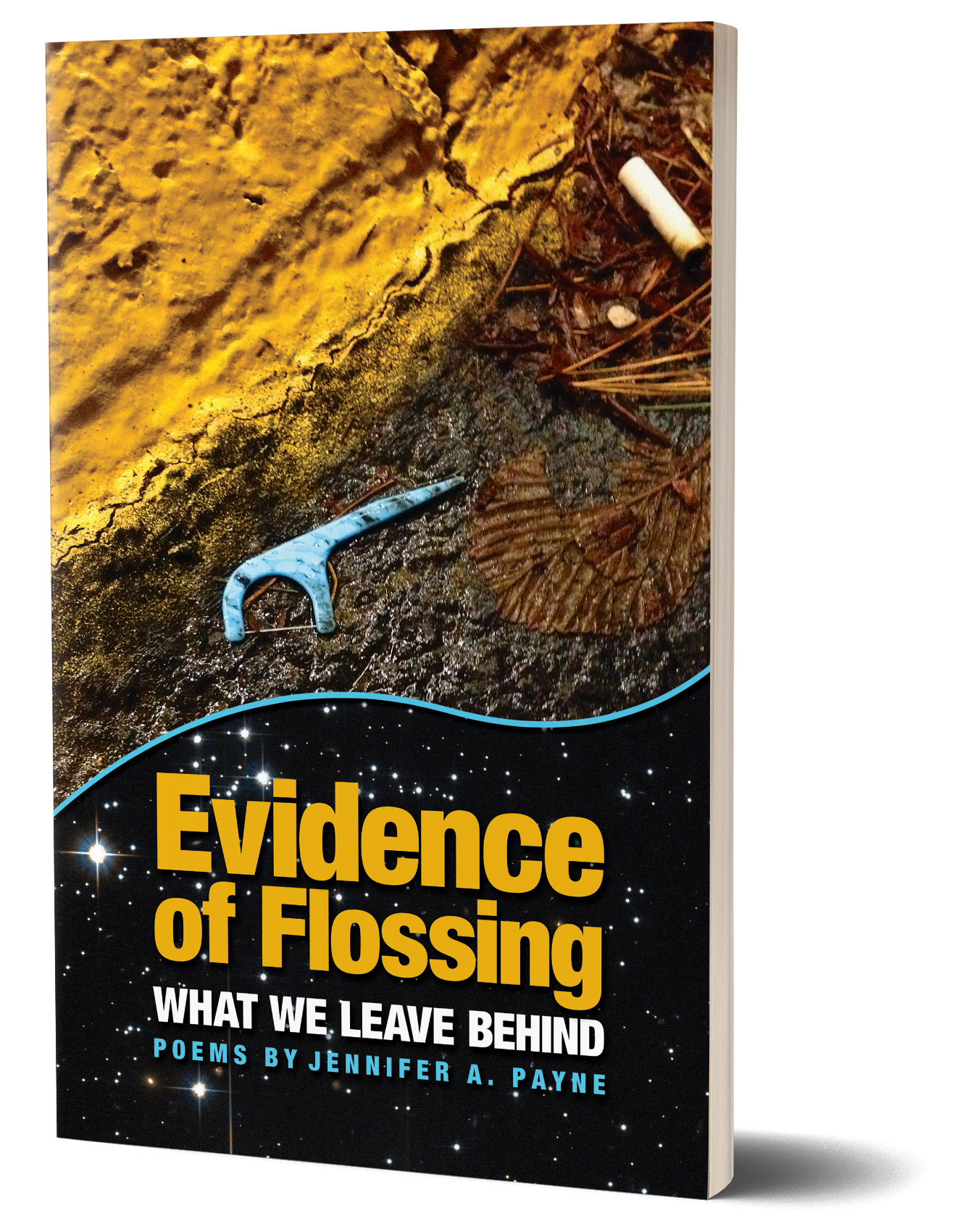
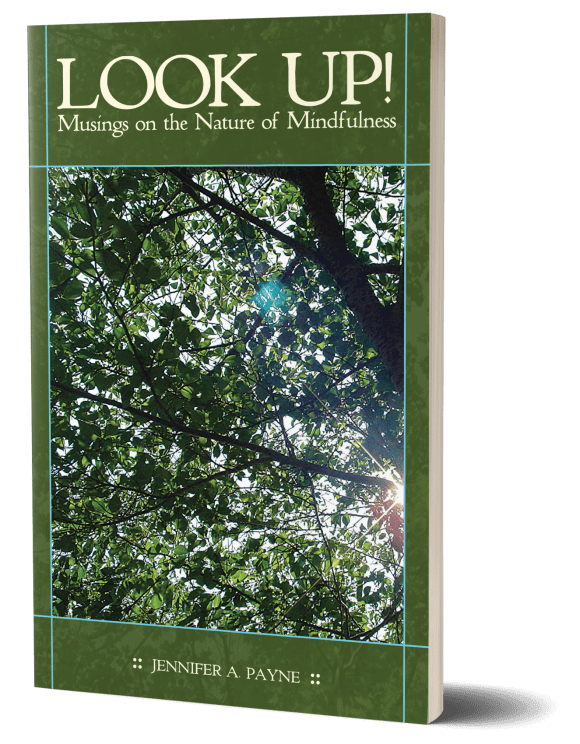
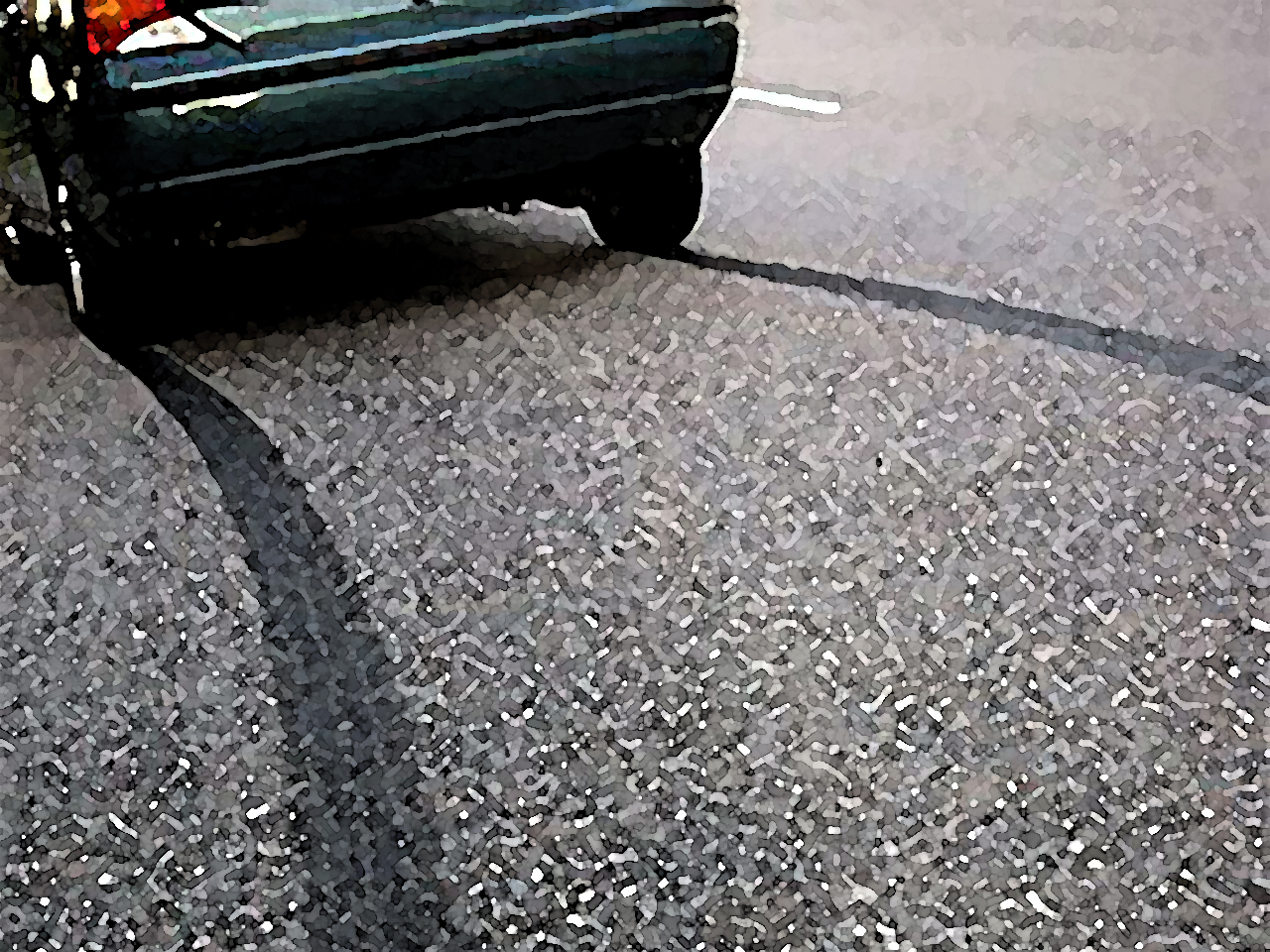
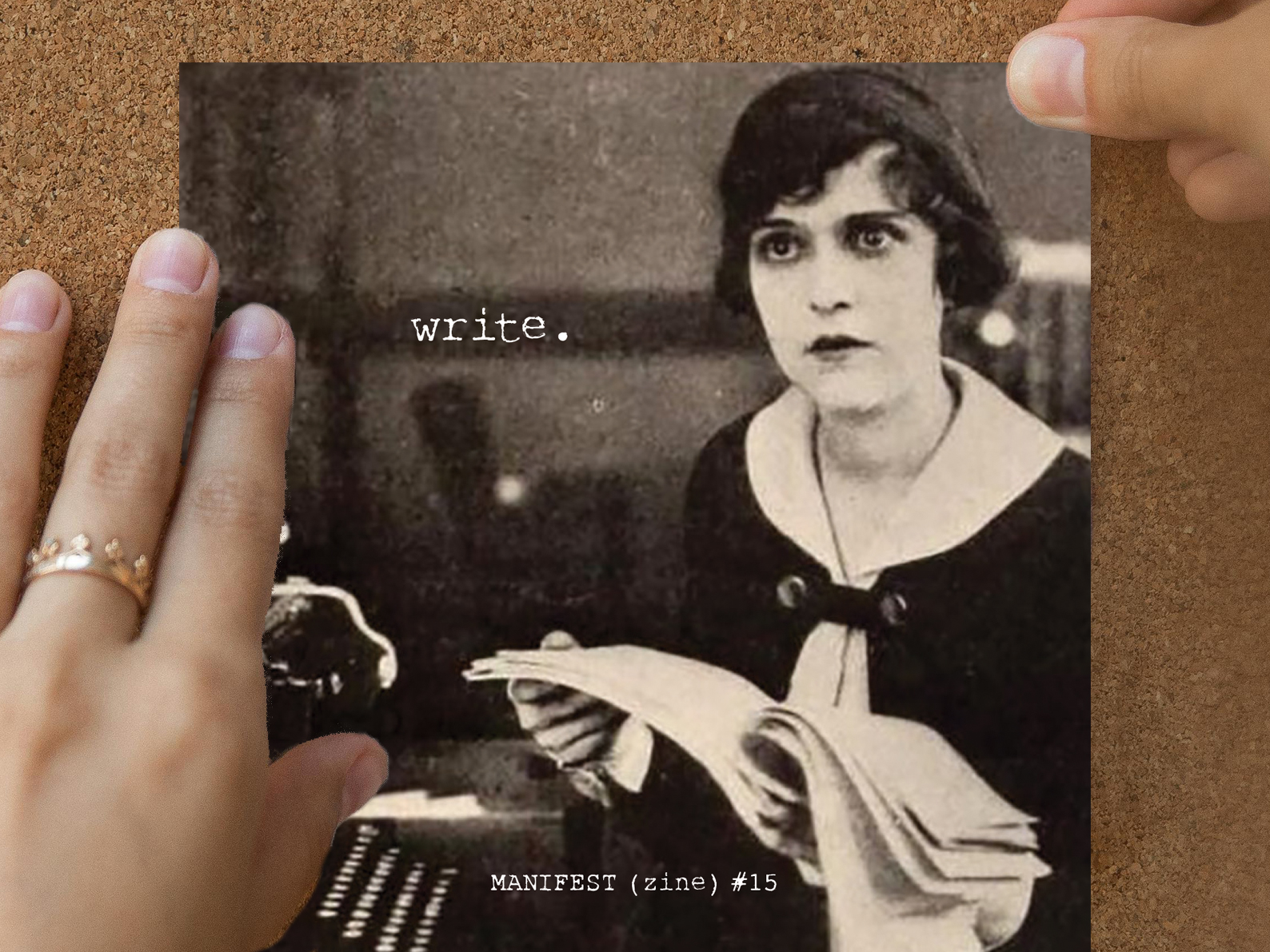

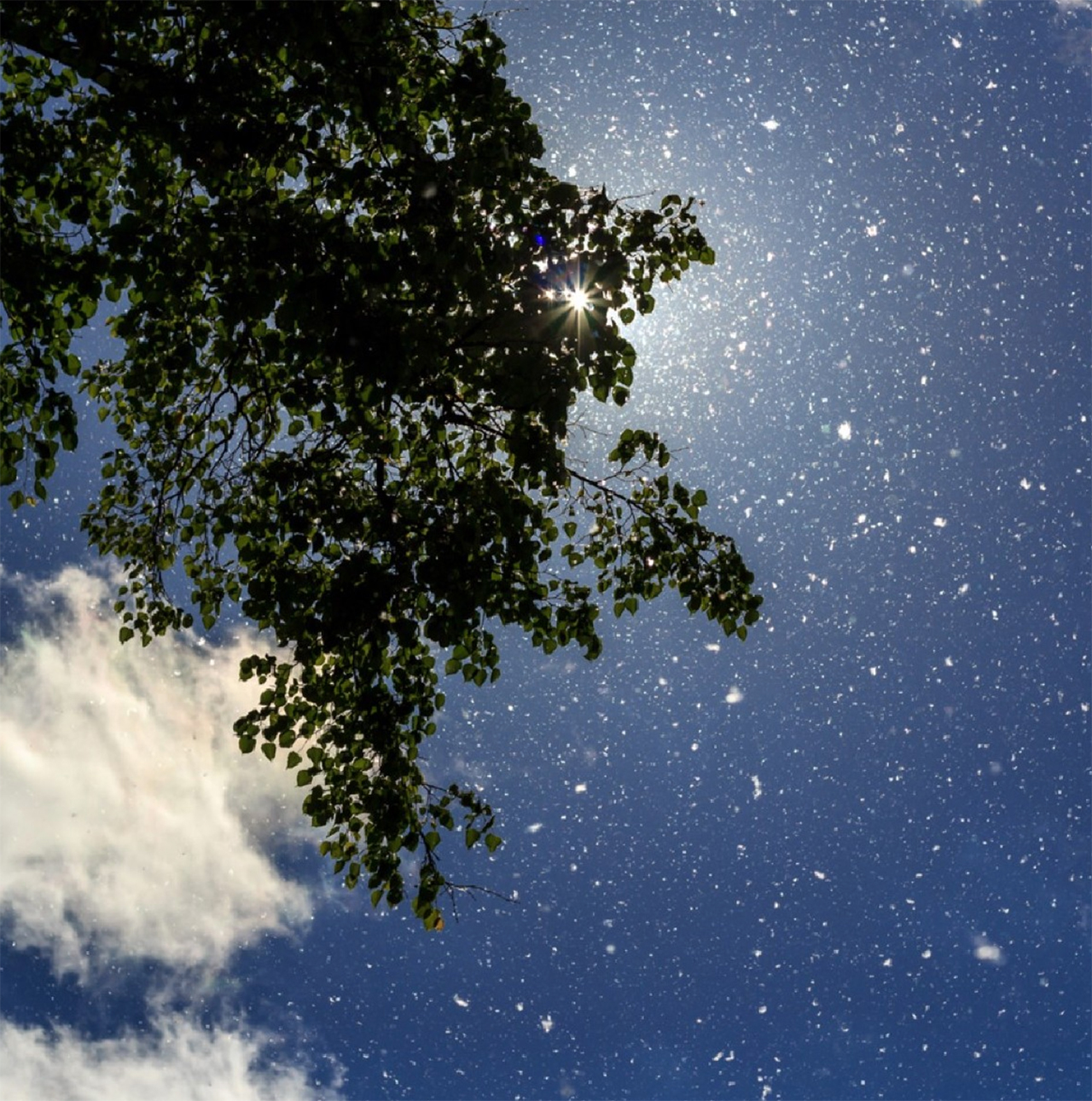
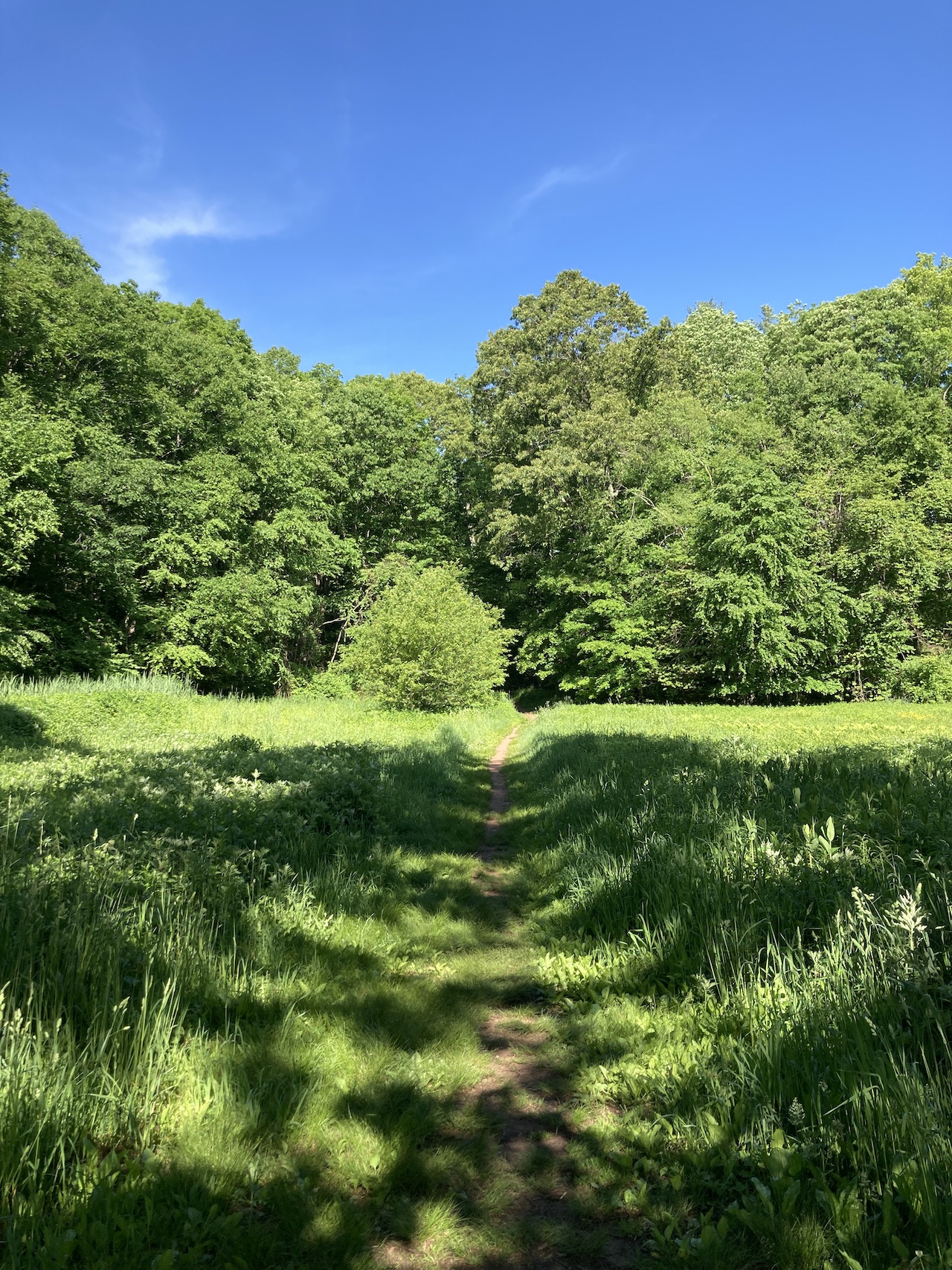
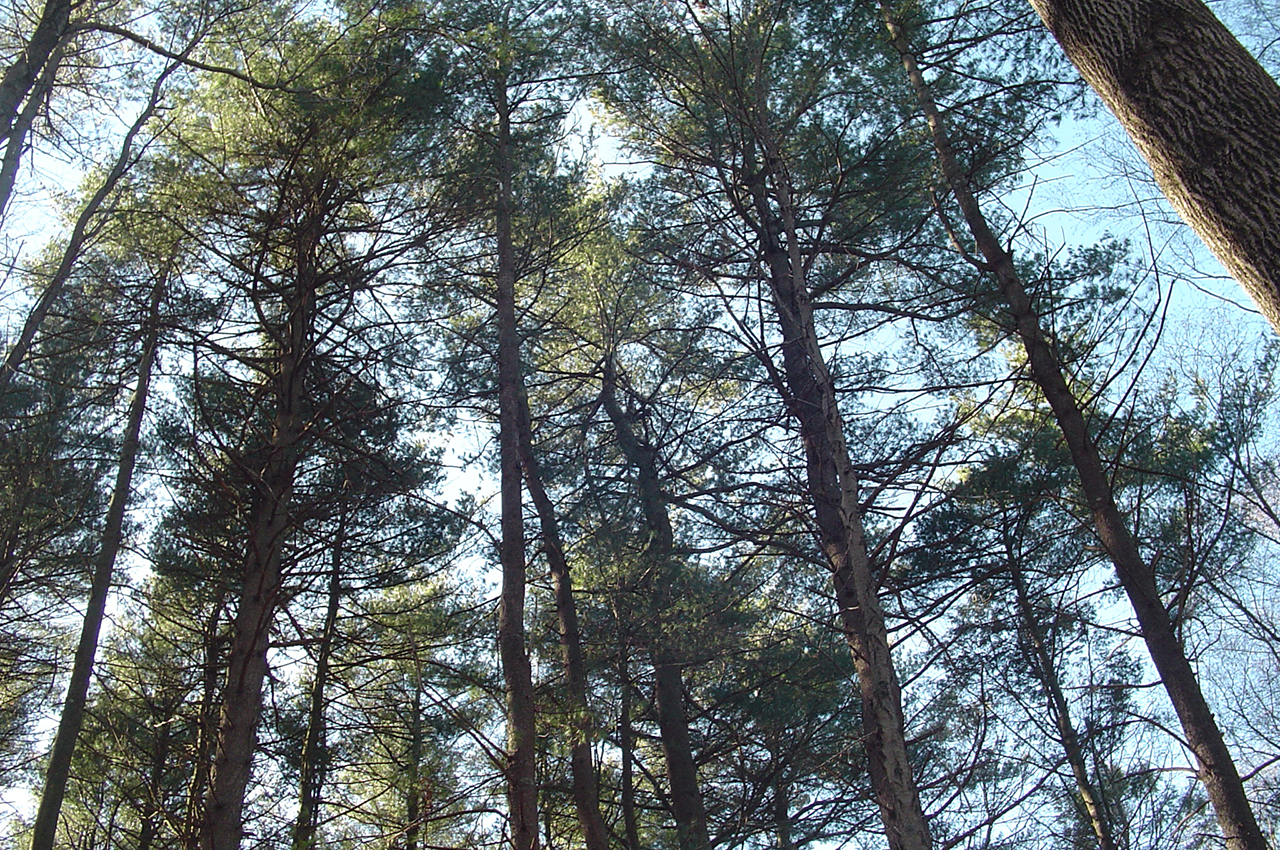
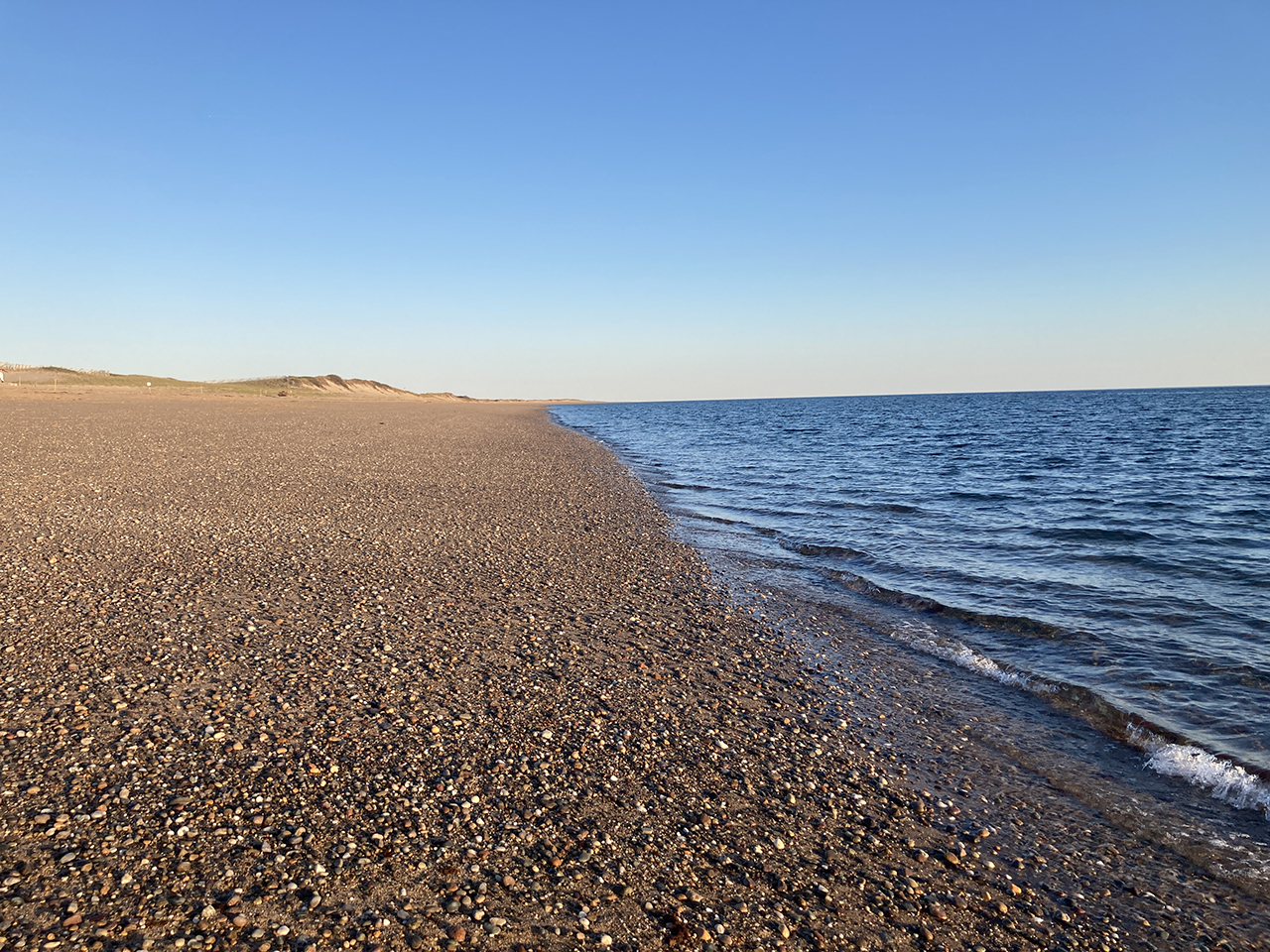
 randomactsofwriting.net