While I thoroughly enjoyed a recent visit to the New Britain Museum of American Art, it was hard to step around the Americanisms.
The museum is celebrating America’s 250th anniversary with themed exhibits that offer an “opportunity to pause and reflect on our nation’s past, honor the contributions of all American artists, and look ahead toward the future of our nation.”
The future. Perhaps that is why I found myself equally inspired and weepy.
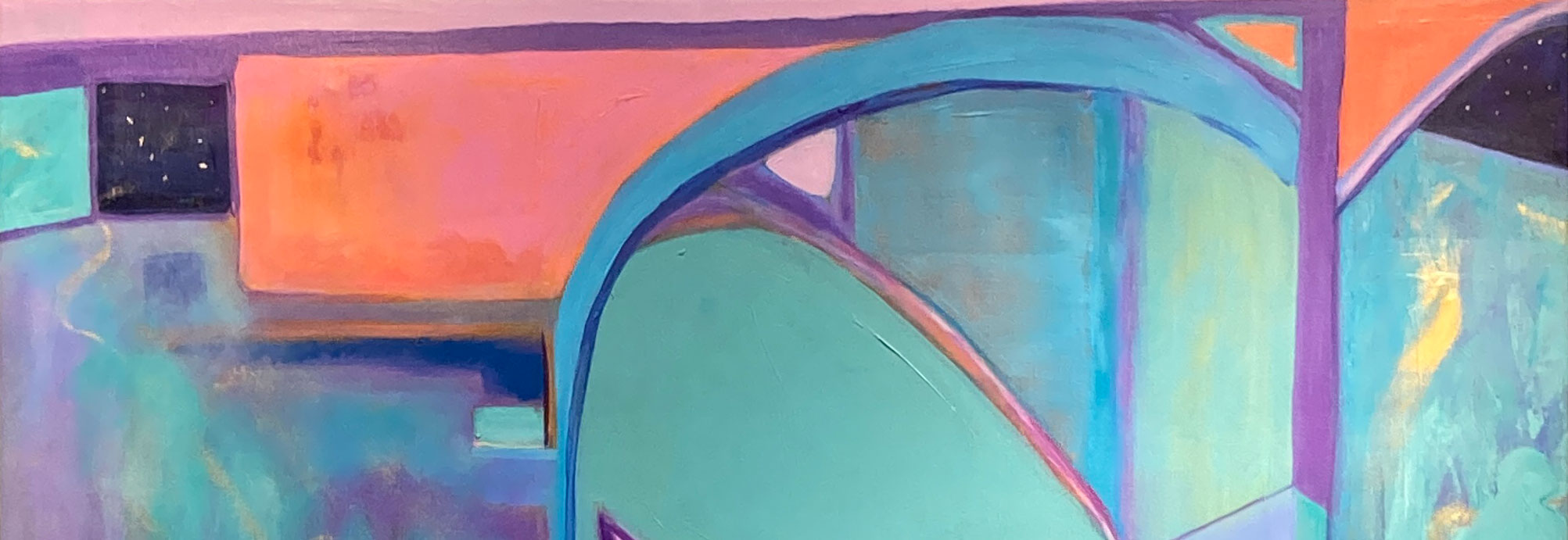
I was incredibly inspired, for example, by the fabulous exhibit “Architects of Being” which showcased a collection of sculpture, painting, collage, fashion and jewelry by mid-century artists Louise Nevelson and Esphyr Slobodkina. The curation and presentation of their work was delicious — I am still savoring the flirty pop of orange that was teased throughout the gallery. And John Hitchcock’s “We are Defined by the Beat!” was an experience of color and sound and memory.
Truth be told, I am always energized by the wild, out-of-the-box minds of contemporary artists in an I-Wanna-Be-An-Artist-Too kind of way.
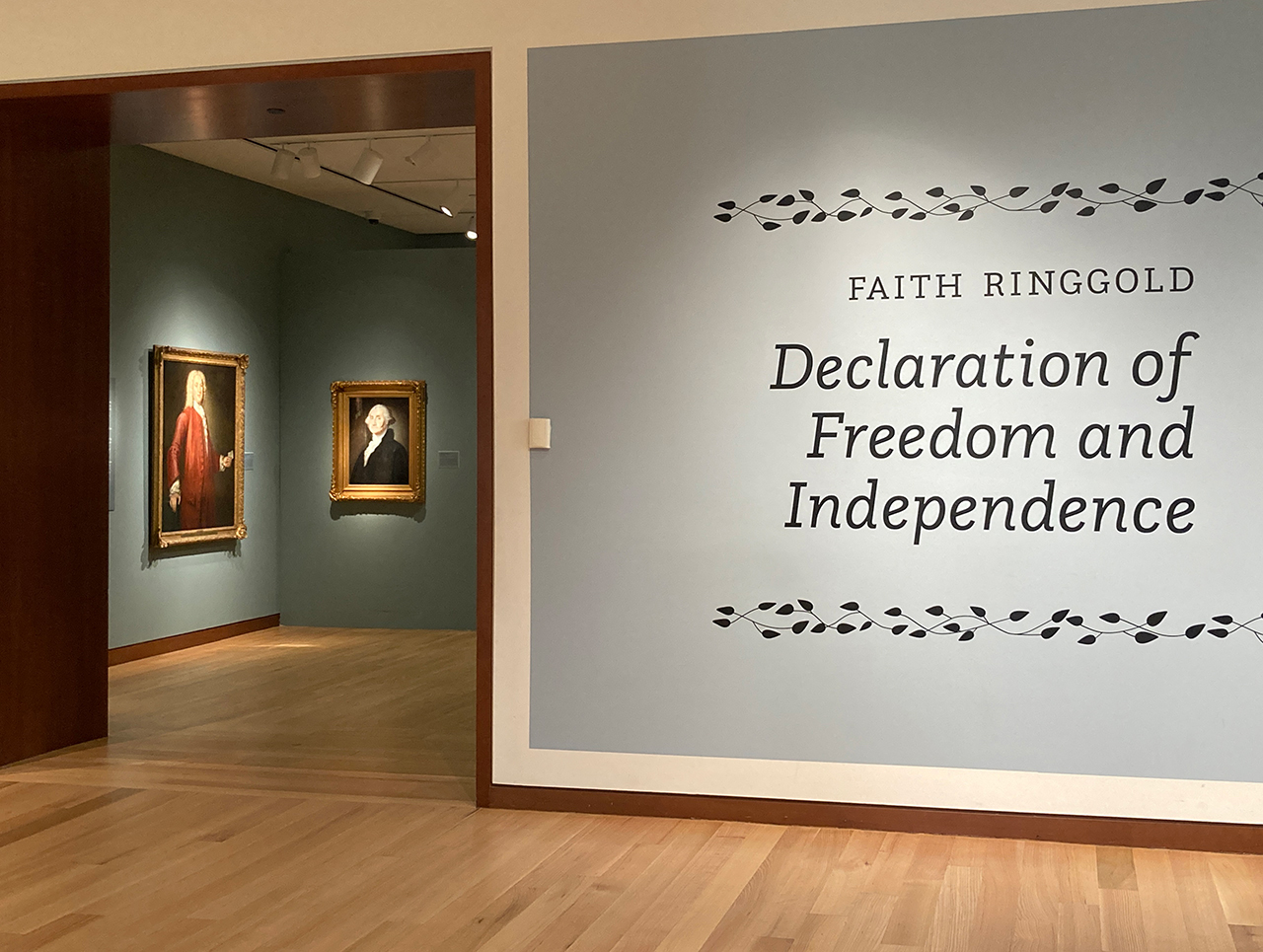
But the Faith Ringgold exhibit “Declaration of Freedom and Independence” juxtaposed to the Colonial portrait gallery featuring lots of old white guys was unsettling. The iconic George Washington portrait gave a constant side-eye to Ringgold’s print series that “considers the contradictions between America’s promises, exclusions, and ongoing efforts to achieve justice and equality for all.”
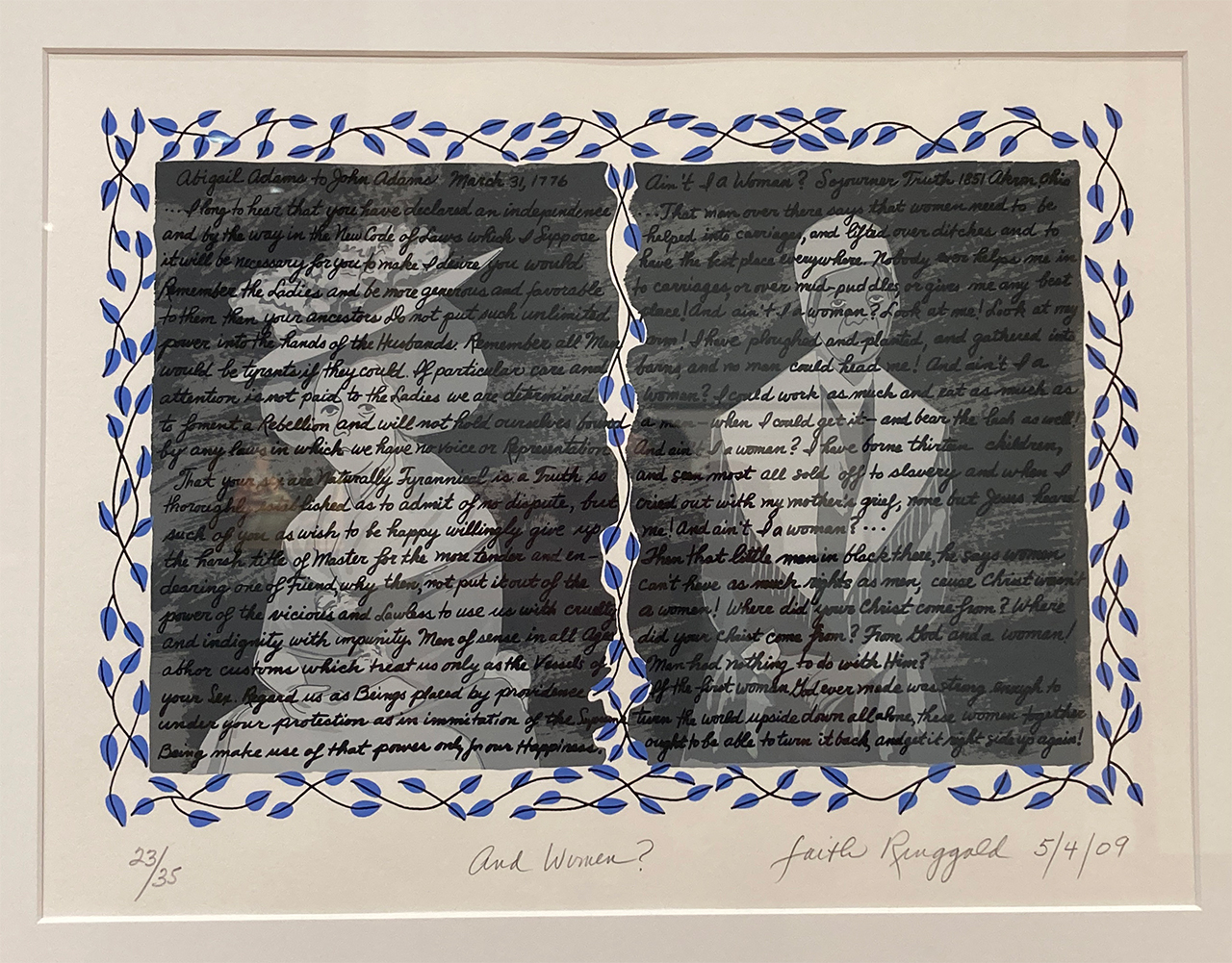
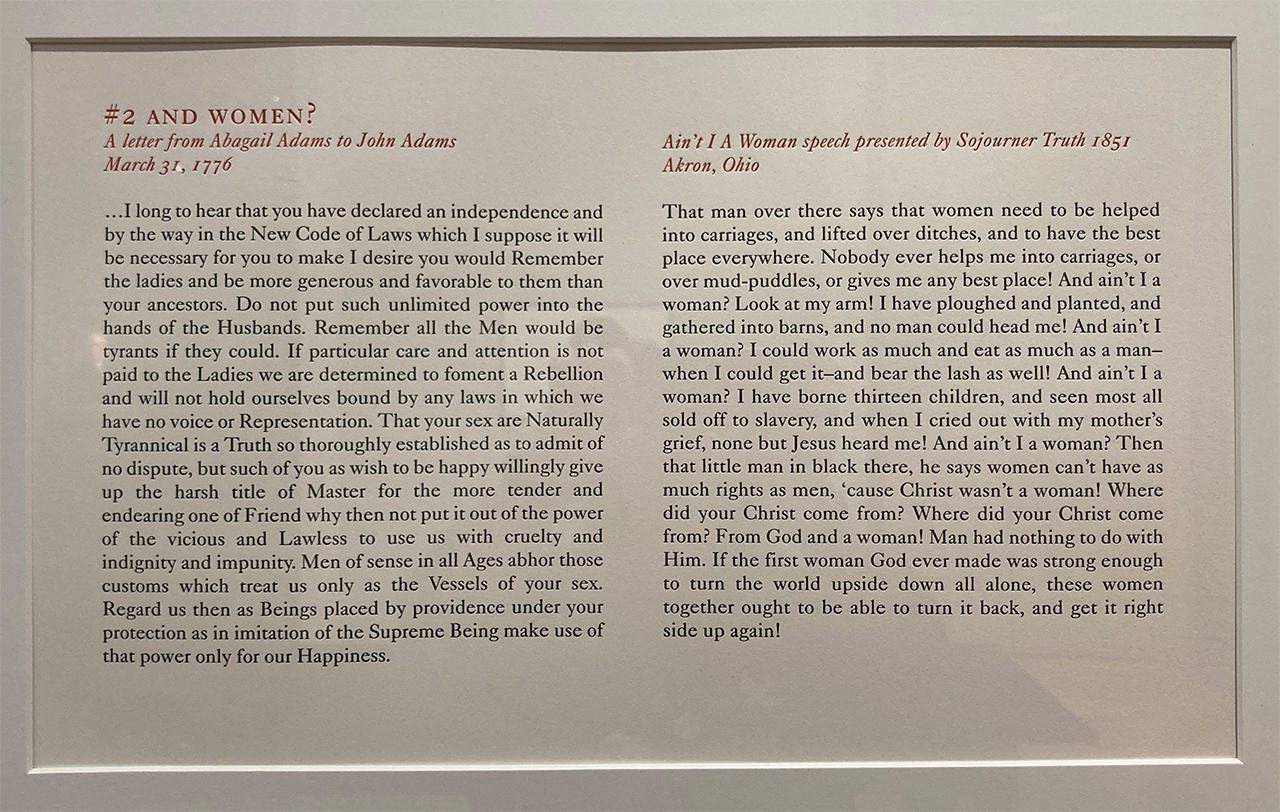
Remember all the Men would be tyrants
if they could. — Abagail Adams, 1776
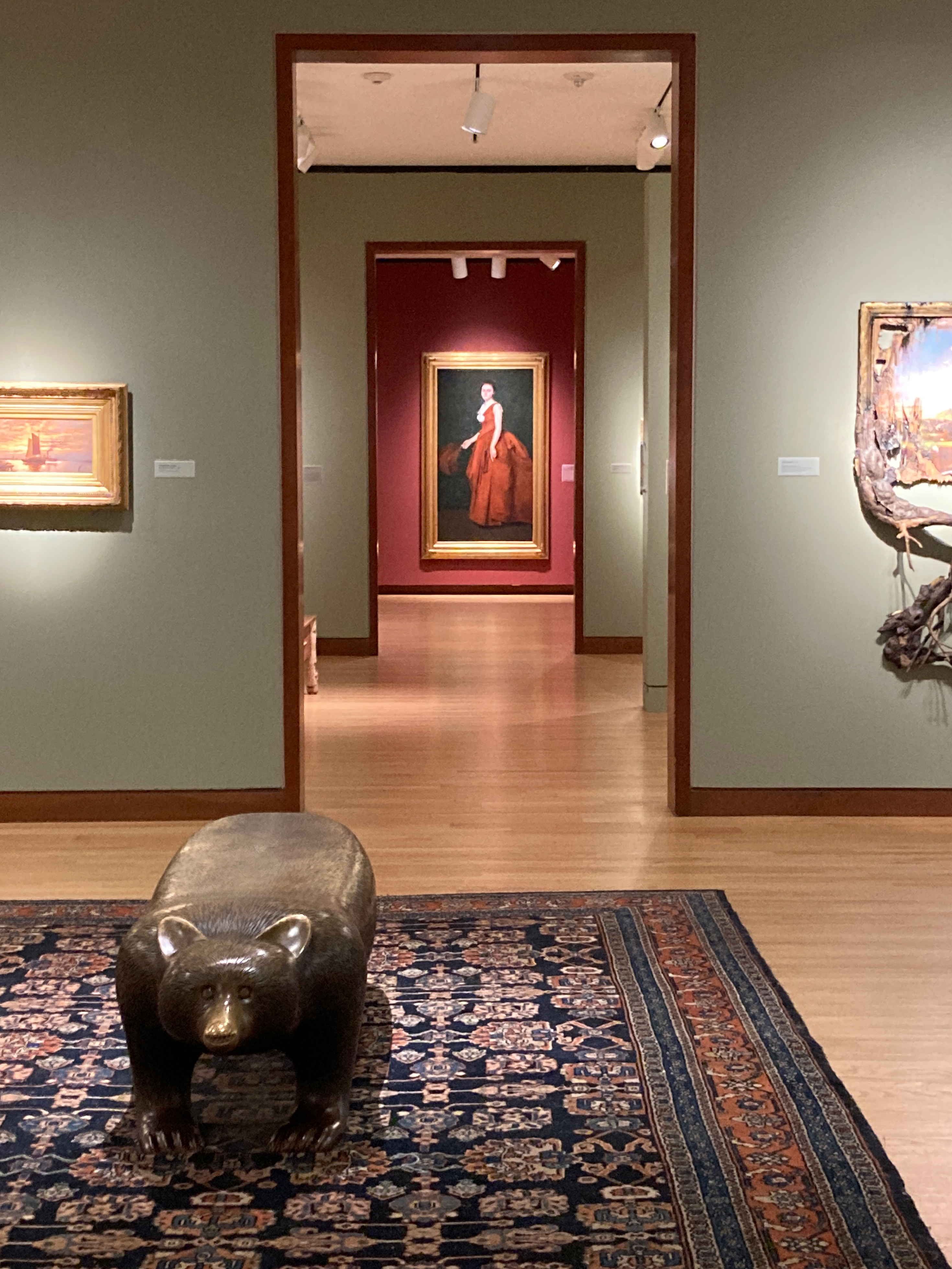
The coincidence of Portrait of Madame T in the gallery with the Grizzly Bear Bench seemed ironic, given the headlines of the day. Headlines which made Oscar Berger’s “Presidential Portraits” exhibit a non-starter for at least two museum patrons.
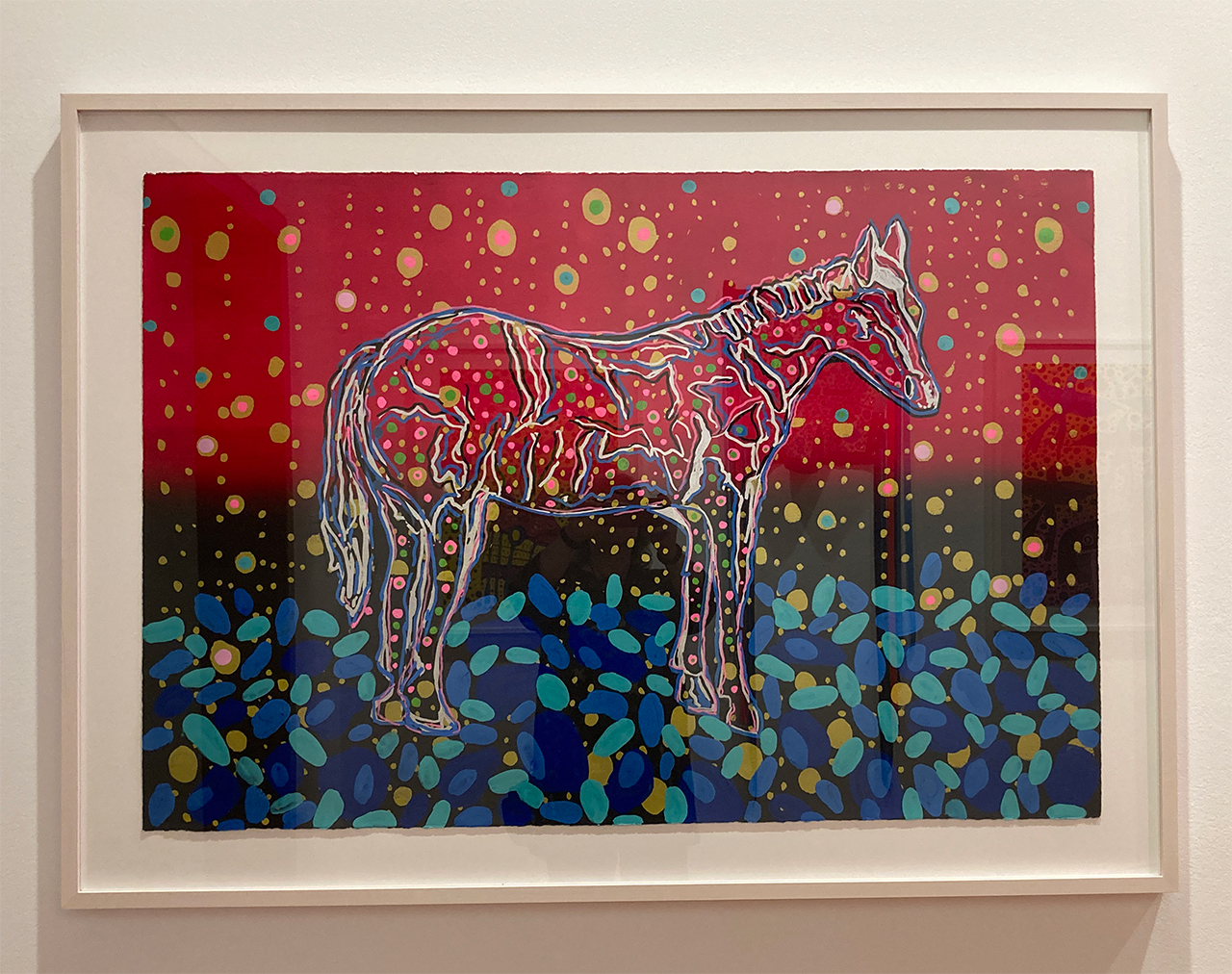
Hitchcock’s “Horse Songs” series called to mind the cruelty of the current president’s administration — from its desecration of public lands to the headlines about horse meat and horse slaughters, not to mention the hypocrisy of ostracizing immigrants while we’re all walking on Native American land.
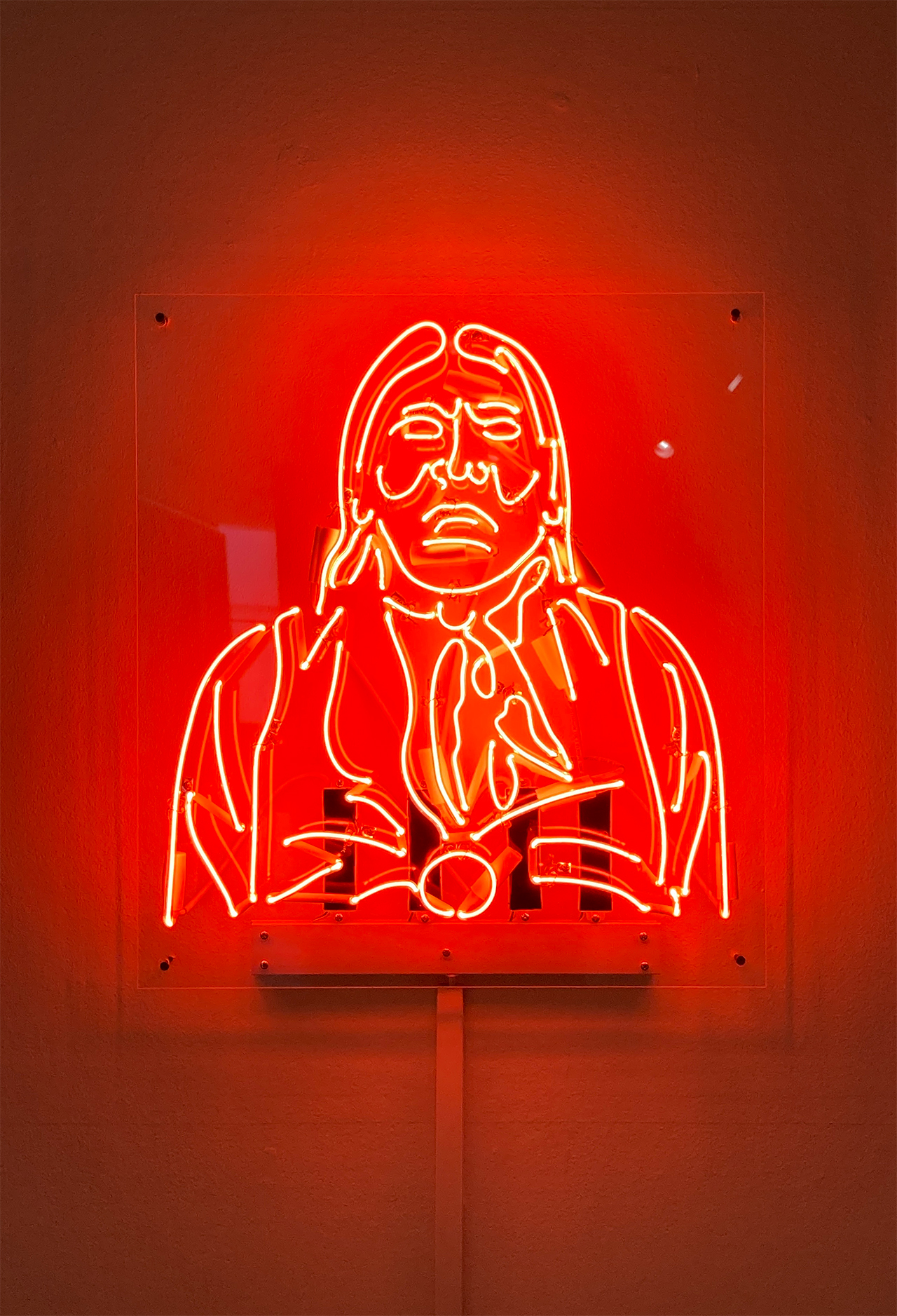
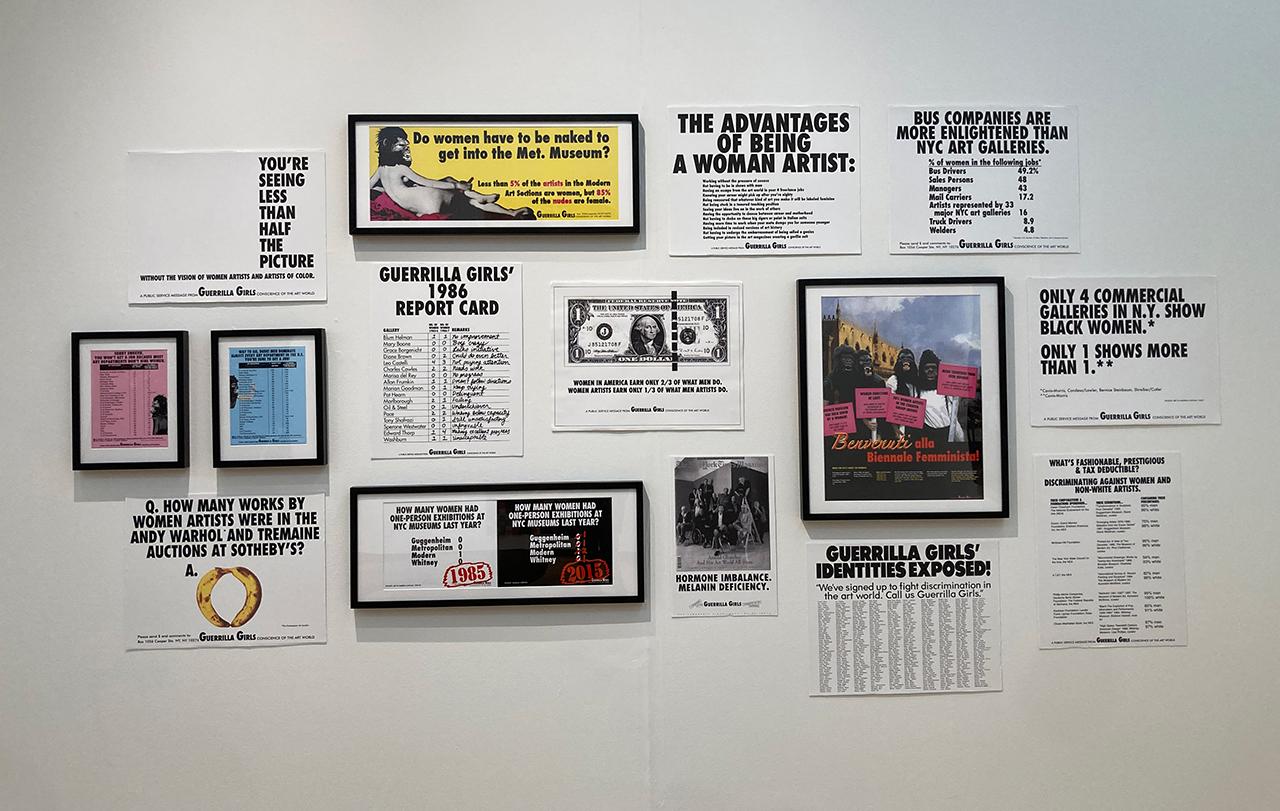
But it was the wall of Guerrilla Girls statistics from the 70s and 80s that brought me to literal tears. I remember Guerrilla Girls from my early zine-making days, when I was a twenty-something young woman making her way in a world that felt deceptively equal and evolved. A world that looks shockingly different here, now, where everything is splayed inside out, statistics for even more wrong reasons.
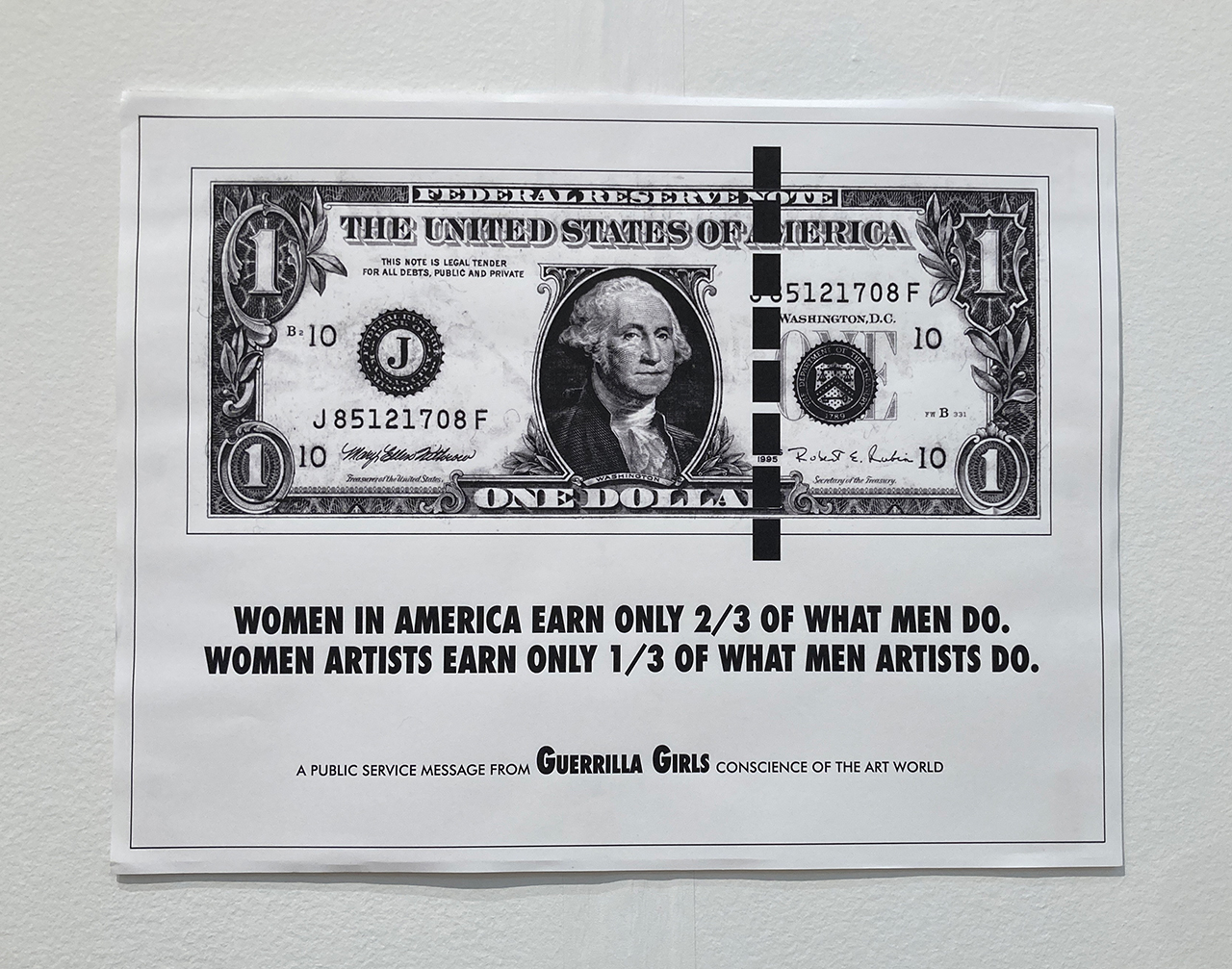
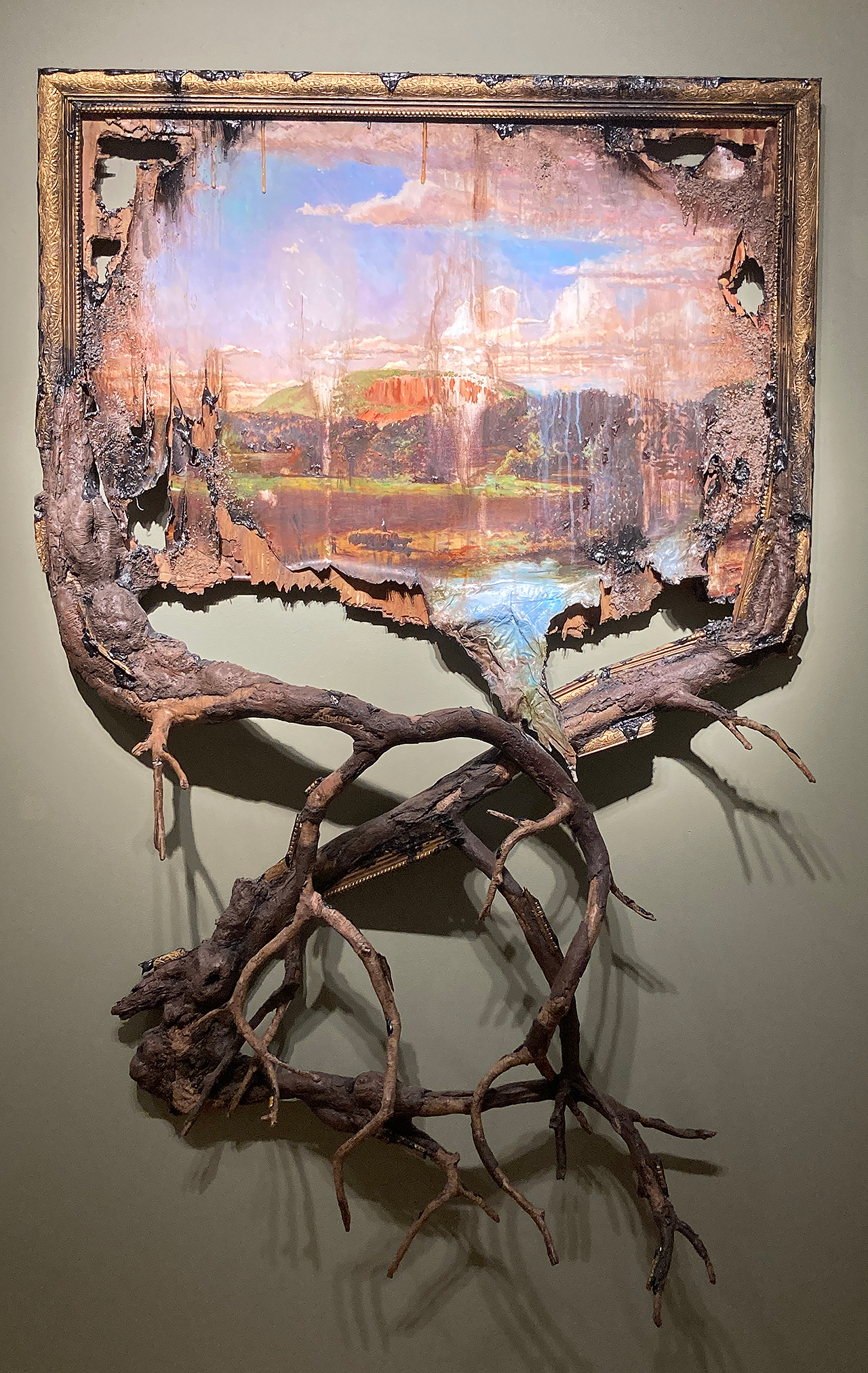
It’s not that any of this is new, really. These inequalities and injustices. They have been part of our history, here in America, since our founding days 250 years ago. It’s even written in to our beloved Constitution, and implied, perhaps in this shocking piece called West Rock with Branches by Valerie Hegarty which makes one ask: what are we? where do we come from? and what are we becoming?