This special “quarantine zine” features the words and images and thoughts within which we found REFUGE last year. The literal and figurative reflections, the comforting quotes and laugh-out-loud memes that kept us breathing all those long months, and helped us regain our sea legs when it seemed like the worst was behind us. Includes a full color, 36-page booklet, fun inserts, a curated Spotify playlist, and more! Cost: $6.00.
The Annual Subscription rate of $20 includes four issues of MANIFEST (zine), and starts with the September issue REFUGE: A Quarantine Zine.
Part lit mag, part artist book, part chapbook, MANIFEST (zine) is the eclectic creation of writer / poet / artist Jen Payne. Consider it a hold-in-your-hands art installation featuring writing, photography, and artwork, along with bits and pieces of whatnot that rise to the surface as she meditates on themes like change and transition, solitude, time, storytelling, and finding refuge in these turbulent times. Each issue also includes a curated Spotify playlist. Layered with colors, textures, meanings (and music), the result is a thought-full, tactile journey with nooks and crannies for you to discover along the way.
You can pay through PayPal using a PayPal account or any standard credit card. If you prefer the old school approach, please send your check, made payable to Jen Payne, P.O. Box 453, Branford, CT 06405.
There is a time to act, and a time to wait, to listen, to observe. Then understanding and clarity can grow. From understanding, action arises that is purposeful, firm, and powerful. — Charles Eisenstein
I’ve been a puppet, a pauper, a pirate, a poet, a pawn, and a king.” — Frank Sinatra
Like Frank, I have been many things. I’ve called myself a writer, journalist, author, poet, blogger. I am all of those things and, lately, seemingly none of them.
I’m not writing. I haven’t had any great ideas. When some bit of inspiration does trickle in, it lands with a thud at my feet and doesn’t even bounce.
Last week in the woods, a poem showed up. It was so insistent, I sat down on the trail and wrote words in my notebook, but by the time I got home, they were stale and soggy.
Is this writer’s block? A pandemic pause? A crisis of faith?
In my darkest moments, I worry I’m a hack, that readers have been humoring me all this time. That my lack of pedigree makes me and my work irrelevant. That I have overstayed my welcome and should just shut up and find something else to do — like paint my nails or make bundt cakes for the neighbors.
Oh, I know most of that isn’t true. In the light of day, anyhow. But at night, when I toss and turn and wonder about what comes next? I get nothing but pieces of soggy poems and dead ends.
That’s life?
I’ve been up and down and over and out and I know one thing Each time I find myself layin’ flat on my face I just pick myself up and get back in the race.
DON’T PANIC! This too shall pass. (I hope.)
So tell me, have you been here before? Experienced writer’s block or a creative pause? What did you do?
• CLICK HERE to read the complete Random Acts of Writing Fall 2021 Newsletter
Grammy-winning folk artist Nanci Griffith dies at 68 — The Guardian
I first heard Nanci Griffith while driving on the Boston Expressway one night. It was three in the morning, actually, the Expressway before the Big Dig, 30 degrees with the window down, and a beautiful, unnamed voice on the radio. She seemed a kindred spirit, someone who somehow understood the loneliness of that newly heartbroken and somewhat lost twenty-something.
I’ve been workin’ in corners all alone at night
Pullin’ down whiskey
Keepin’ my eyes away from the lights
I’ll never be a fool but I will gamble foolishly
I’ve never let go of love
Till I lost it in my dreams
The moment was out of place and time, and remains in my memory to this day more than 30 years later.
I held onto those lyrics in my mind for years before I found out who sang them. Hoping to hear them again, recognize her distinct voice that still haunted me.
When I met my friend DeLinda in 1991, she knew the song. Knew the musician, too — the two of them born and raised in the state I would come to know and love over the years.
Nanci Griffith, born July 6 (my birthday) a world away in Texas, was a singer, guitarist, and songwriter, who grew up in Austin. She was an up-and-coming folk/country folk singer when I first heard her that night in Boston. A popular guest on the PBS show Austin City Limits in the late 80s, she won a Grammy in 1994 for her album Other Voices, Other Rooms, and went on to produce more than 20 albums, including the first one I ever bought: One Fair Summer Evening.
I remember the day I found it — that first album — at a shopping mall record store mall, in the G bin. A cassette tape that played in my car for years and years, every song and note connecting to my heart in old soul ways I can’t explain.
One Fair Summer Evening sang me through that early unrequited love. Lone Star State of Mind connected me to my soul mate and my heart space. Flyer helped me grieve my father.
I saw Nanci in concert once, at Edgerton Park in New Haven. It was October 2001, a month after 9/11. To this day, I am not sure if I was more shocked by the sight of planes in the sky again or by the pure and crystal sound of her voice in the starry night air.
The New York Times wrote that Nanci Griffith “may just be one of America’s best poets.” She was, I think, many of my great loves in one voice…
I found your letter in my mailbox today
You were just checkin’ if I was okay
And if I miss you, well, you know what they say…
Just once… in a very blue moon
– – – – –
And when we die we say, we’ll
Catch some blackbirds wing
Then we will fly away to Heaven come
Some sweet blue bonnet spring
– – – – –
These days my life is an open book
Missing pages I cannot seem to find
These days your face
In my memory
Is in a folded hand of grace against these times
– – – – –
There’s a pale sky in the east, all the stars are in the west
Oh, here’s to all the dreamers, may our open hearts find rest
The wing and the wheel are gonna carry us along
And we’ll have memories for company, long after the songs are gone.
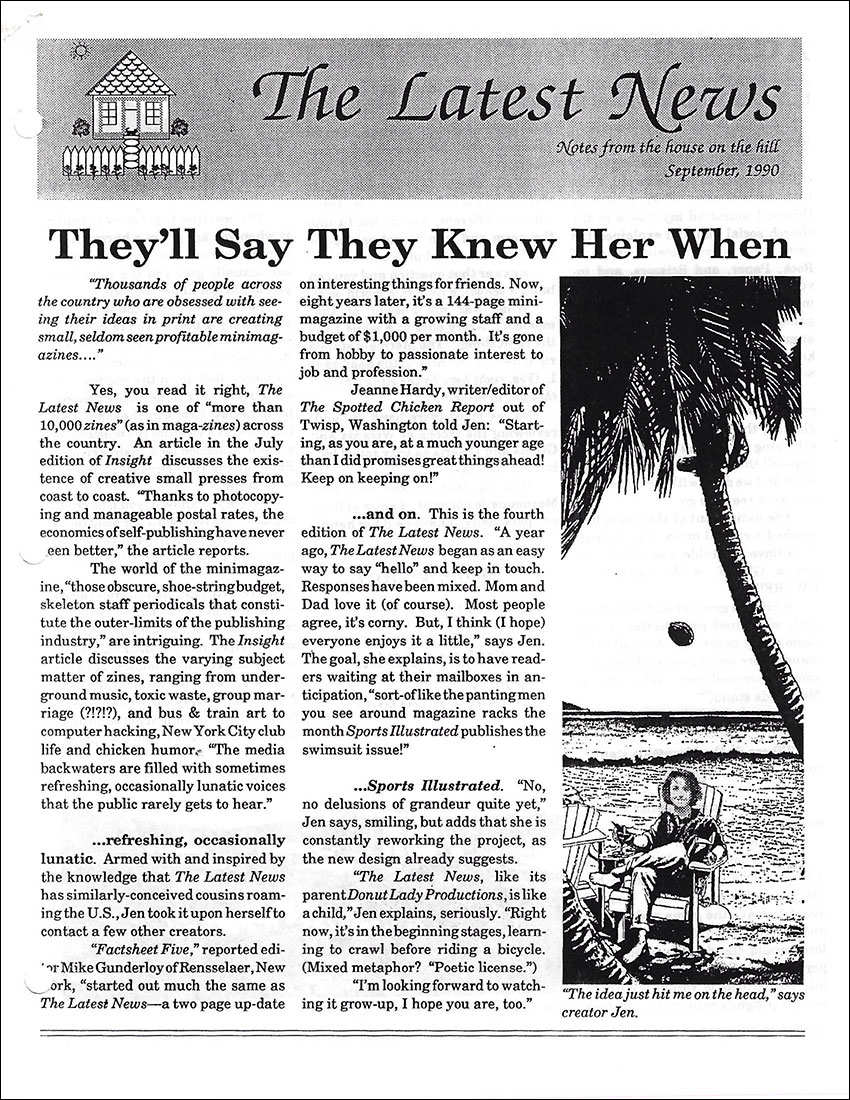
Back in the early 90s, I created a newsletter called The Latest News as a way to keep in touch with college friends and family. It had essays, quotes, photos, bits and pieces of personal news.
I didn’t know it was a “zine” until I read about the zine phenomenon and learned about Mike Gunderloy who reviewed and cataloged thousands of zines in his publication Factsheet Five. I sent him a copy of The Latest News and he reviewed it, and the next thing I knew — BAM! More than 350 people had subscribed and were reading my little 4-page, photocopied newsletter zine!
And then more BAM! The New York Times interviewed me about zines. And Tom Trusky, a professor at Boise State University invited me to be part of a zine exhibit called Some Zines: American Alternative & Underground Magazines, Newsletters & APAs. And later, The Latest News was featured in several retrospective books about the zine phenomenon: Notes from Underground: Zines and the Politics of Alternative Culture and The World of Zines: A Guide to the Independent Magazine Revolution.
Flash forward…I hate to say this, OMG…30 years, and BAM! MANIFEST (zine) showed up on my creative radar.
It’s been 12 months since I launched this new project, and I can’t tell you how amazed I am at the response. Folks from all over the planet have read about Divine Intervention and Cat Lady Confessions, they’ve discovered It’s About Time and what one does about Crickets. And they’ve been enthusiastic and supportive about what comes next.
I don’t know what comes next…or should I say which idea comes next, because I have a bunch! I hope you’ll stick around for the adventure.
Did you know that each issue of MANIFEST (zine) includes a Spotify playlist especially curated for readers? For the DIVINE INTERVENTION issue, I explore the concept of change and transition featuring music by Alanis Morissette, The Chicks, Tracy Chapman, Blind Melon, David Bowie, and many more. Take a listen to this powerful playlist now!
Did you know that each issue of MANIFEST (zine) includes a Spotify playlist especially curated for readers? For the CAT LADY CONFESSIONS issue, I explore all things cat, with songs by artists like Dee-Lite, Peggy Polk, Psapp, Alexis Saski, Lee Ann Womak, and Janet Jackson. It’s purr-fect! Take a listen now!
Issue #2, CAT LADY CONFESSIONS Poor Cat Lady. She always gets a bum rap. No one ever makes fun of Ernest Hemingway, whose Key West home was filled with cats — and he of a certain age. His strapping action figure includes a typewriter and a shotgun. Cat Lady? She gets six cats, bed head, and a ratty bathrobe. Doesn’t she earn points for opening her heart wide open? for loving even the most unlovable? for her strong, independent nature; Her patience and acceptance? for her superpower ability to nurture trust, stillness, solitude, balance? This issue of MANIFEST (zine) explores the oft-maligned life of the cat lady: crazy or contemplative? recluse or dancing to the beat of her own drum? You decide.
POEMS • The Obscurity of This Week’s Words • Bury Me in Yellow • Serenity • Chasing • Note to Self: Smell Roses • The Anatomy of 3 a.m. • Sunday Haiku • Cat Meditation
OTHER INGREDIENTS: acrylic paints, appropriation art, collaged elements, color copies, color scans, colored markers, colored pencils, cracker box, crazy cat lady action figure, Golden gel medium, hand-drawn fonts, hand-dyed paper, handmade cat mask, handmade linoleum block print, handmade papers, ink jet copies, laser prints, latex animal cat head mask, original photography, pigment inks, poetry, ribbon, rubber stamps, soap wrapper, sparkle paint, vintage photographs, watercolor paints, with cameo appearances by Cassastamps, Vikki Dougan , Matt Fry, Carl Larsson, Nina Leen, Pietro Longhi, Amedeo Modigliani, Mary O’Connor, Pixelins by Dana, Eckhart Tolle, Hattie Watson , Helen M. Winslow, and special thanks to Fuzzy, Calico, Crystal, Emily, CJ, Mousse, Little Black Kitty, and Lola.
MANIFEST ZINE Issue #3, It’s About Time! Poems & More by Jen Payne
We humans sure are creative with time, aren’t we? This arbitrary turning clocks backward or forward twice a year, assigning time to zones and lines and frames. I myself try to trick time, setting clocks randomly wrong and always fast as if I can somehow control the hours, beat the Kobayashi Maru of time. Even Albert Einstein said time is an illusion — “a stubbornly persistent illusion” — that time and space are merely “modes by which we think and not conditions in which we live.” Of course, if you think too hard on things like that you end up down rabbit holes and worm holes…want to come along?
Then check out the next issue of MANIFEST (zine). It’s About Time this time — time travel, time loops, time passing — a 28-page, full-color book filled with artwork, photos, poetry, and a curated Spotify playlist just for you. Cost: $6.00.
POEMS • Time Peace • Moonwalk Writer • Time Flies • Time Traveler • There is No Synonym for Reunion • This Affliction of Longing • Shape-Shifter, Time-Shifter Crow • Black Bird Haiku • Missing Banksy
OTHER INGREDIENTS: acrylic paints, appropriation art, collaged elements, color copies, color scans, colored markers, Dymo labels, ephemera, essays, Golden gel medium, hand-drawn fonts, ink jet copies, laser prints, mixed-media collage, one sci-fi geek, original photographs, pigment inks, poetry, postage stamps, postcard art, rubber stamp art, time travelers, vintage magazine pages, vintage photos, vintage postcard, and watercolor paint, with thanks to the Leo Baeck Institute, Joy Bush, Paul Delvaux, Albert Einstein, Esther Elzinga of StudioTokek, Rowland Emmet, the Everett Collection, Michael Jackson, Julien Pacaud, Robert Louis Stevenson and Charles Robinson, Sir John Tenniel, and Rudolph Zallinger.
Issue #3, It’s About Time! 28-page, full-color 7.5 x 5.5 Cost: $6.00
Did you know that each issue of MANIFEST (zine) includes a Spotify playlist especially curated for readers? For the CRICKETS issue, I had fun playing off the themes of silence, finding one’s voice, and creating from the heart. It features an eclectic set of songs by artists like Disturbed, Grace Carter, Barry Manilow, John Mayer, Natasha Bedingfield, and Brandi Carlile. Take a listen now!
IMAGE: Midsummer Frolic, British Library Digital Library, When Life is Young, Mary Elizabeth Mapes Dodge, 1894.
Storytelling is in our DNA says Brené Brown in her book Rising Strong. We share our stories because “we feel most alive when we’re connecting with others and being brave with our stories.” That process, she explains, causes our brains to release cortisol and oxytocin, the chemicals that “trigger the uniquely human ability to connect, empathize, and make meaning.” So we write. And we create. No matter who listens or responds. Crickets be damned.
MANIFEST (zine): Crickets is a riff and a rant about the consequences of creative bravery. It’s a 24-page, full color booklet that includes a curated Spotify playlist for your listening pleasure.
INGREDIENTS: appropriation art, black-out poetry, collaged elements, color copies, colored markers, ephemera, hand-drawn fonts, ink jet copies, laser prints, vintage illustrations, watercolor paints, and “11 Cute Facts About Crickets.”
With THANKS to to the British Library Digital Library, Brené Brown, Leonard Cohen, Carlo Collodi, Francis Crick, Charles Dickens, Mary Elizabeth Mapes Dodge, Natalie Goldberg, Charles d. Orbigny, Pinocchio, George Selden, the Trustees of the British Museum, James Watson, and Margaret J. Wheatley.
Issue #4, Crickets 24-page, full-color 4.25 x 5.5, Cost: $6.00
If you are a dreamer, come in, If you are a dreamer, a wisher, a liar, A hope-er, a pray-er, a magic bean buyer… If you’re a pretender, come sit by my fire For we have some flax-golden tales to spin. Come in! come in!
— Shel Silverstein
Indeed, if you are a dreamer, a wisher, a magic bean buyer…then you must visit THE SHOP at Guilford Art Center. It’s truly one of the most unique shopping destinations, offering a selection of contemporary American crafts and jewelry handmade by local artists and others from across the country. You’ll find works in glass, metal, ceramics, wood, fiber, paper, toys and much more.
Much more…like copies of MANIFEST (zine)!
I’m excited to say that MANIFEST (zine) can now be purchased at THE SHOP at Guilford Art Center, along with copies of my books and postcards. Check it out!
When I published my first book, LOOK UP! Musings on the Nature of Mindfulness, I imagined a complementary art installation: framed photos from the book, poems printed large and hung like tapestries, a CD of woodland sounds in the background.
I had other ideas, too. (I still do.)
A show at New Haven’s Kehler Liddell Gallery (2017) came close. “Random Acts of Writing: Common Ground” — featuring three of my poems and one photograph — was included in INAUGURATION NATION, an open forum exhibit that responded to the political and social climate of the time.
That same year, large framed photos from my second book, Evidence of Flossing: What We Leave Behind, were featured in the exhibit WHERE THE WHOLE UNIVERSE DWELLS at Perspectives, The Gallery at Whitney Center.
You might recognize the theme of my very first art installation effort. Random Acts of Writing: Pushing Time was included in the SHUFFLE & SHAKE exhibit at the Arts Council of Greater New Haven’s Sumner McKnight Crosby Jr. Gallery in 2016. Its three poems and wall clock all appear in MANIFEST (zine): It’s About Time.
You see, it turns out, a lot of my “other ideas” fit neatly into the format that is a zine. Zines, as explained on the Wikipedia page dedicated to this phenomenon, “cover broad topics including fanfiction, politics, poetry, art & design, ephemera, personal journals, social theory, intersectional feminism, single-topic obsession” and more. They have such cultural relevance, there are dedicated zine archives/libraries at Barnard College, the University of Iowa, Duke University, the Tate Museum, the British Library, Harvard University, and at the Beinecke Rare Book and Manuscript Library at Yale University.
So many publications, so many topics, so many ideas! Check it out yourself and stay tuned!
Photo from the Sojourner Truth Library’s Zine Library at the State University of New York, New Paltz
LET’S START WITH: WHAT IS A ZINE? According to Wikipedia, a zine — pronounced zeen — is a small circulation, self-published work of original or appropriated texts and images, usually reproduced via photocopier. It has no defined shape or size, and may contain anything from poetry, prose, and essays, to comics, art, or photography.
A zine is a multi-purposed publication form that has deep roots in political, punk, feminist, artistic, and other subculture communities. Original zinesters are rumored to include Thomas Paine, Ben Franklin, Ralph Waldo Emerson, and Margaret Fuller.
SO THEN, WHAT IS MANIFEST (zine) ? Let’s consider…
MANIFEST (noun): a list of contents
MANIFEST (verb): to make a record of; to set down in permanent form
MANIFEST (adjective): easily understood or recognized by the mind
Then see alsoMANIFESTO (noun): a written statement declaring publicly the intentions, motives, or views of its issuer;
and see also, especially, MANIFESTING (noun) : the creative process of aligning with the energy of the Universe to co-create an experience that elevates your spirit and the spirit of the world;
at which point, you might begin to understand… Manifest (zine)!
It was rather serendipitous last year that the first issue of MANIFEST (zine) came out just in time for International Zine Month! An auspicious debut and an amazing first year! So, today we celebrate! Happy Birthday MANIFEST (zine)…and many more!
Thanks to Alex Wrek at Stolen Sharpie Revolution, we’re celebrating INTERNATIONAL ZINE MONTH! Stay tuned for lots of good zine things and consider these ways to celebrate throughout the month of July!
This morning, I stopped along a narrow trail, enveloped by the sweet scents of honeysuckle and spicebush. Memories of last night’s rain skipped from leaf to leaf, while damselflies danced and a lone catbird sang. From branches sixty feet above, pollen drifted down like snow, illuminated in the first light of day. Oh the bees, their sunrise fête in blooming vines, and mine — oh mine — below.
In her heartbreakingly wonderful book This I Know: Notes on Unraveling the Heart, photographer Susannah Conway explains that writing is “a vocation that pays out twice: first to you as the detective unraveling your heart and then again to the reader who consumes your work.”
This echoes a conversation I had recently with my dear friend Judith who reminded me that the life-changing moment for a writer is not necessarily being published, or even being read. The life-changing moment is the creative spark, that white hot moment of inspiration.
The rest, as they say, is gravy. More or less… (Read More)
One of my favorite things about the work I get do to for my books and zines is the sleuthing. Hunting down random (often misappropriated) quotes, getting permissions to reprint, finding hard copy proof. Evidence for my readers — and myself — that I have done due diligence to make what you hold in your hands valid and true to the best of my abilities.
As a student of English literature and journalism, and as a life-long writer and citer, I feel an incredible responsibility to validate as many of my references as possible. To remind my readers, for example, that it was Henry Stanley Haskins who wrote “What lies behind us and what lies before us are but tiny matters compared to what lies within us,” not Ralph Waldo Emerson or Gandhi, and not Buddha.
When I was writing LOOK UP! Musings on the Nature of Mindfulness, in which I used that quote, I actually spent six months researching and properly attributing quotes. That task included rabbit holes like the quote sourced to a 1970s motivational poster printed by an academic publisher in Texas written by a retired social worker in Oak Park, Illinois.
I get a little geeky when it comes to that kind of thing. Like a dog with a bone. Truth be told, I love it as much Alice loved going on her adventures!
My most recent adventure involved Leonard Cohen and a 60-year-old book.
While I was working on the spring issue of MANIFEST (zine): CRICKETS, I found a beautiful poem by Cohen called “Summer Haiku.” The poem appeared in his book The Spice-Box of Earth of which there was a rare, limited edition hardcover edition that included illustrations by Frank Newfeld, a renowned Canadian illustrator and book designer.
There were several copies of the book available online starting at around $200, which is a tad higher than my budget for the zine project. Less expensive copies did not include the Newfeld illustrations, and by this point in the adventure those were key.
I did find and purchase issue number 56 of The Devil’s Artisan: A Journal of the Printing Arts that featured Newfeld’s work on delicious, offset-printed, antique laid pages. It even included a letterpressed color keepsake of Newfeld’s illustration for Cohen’s poem “The Gift,” which appears in The Spice-Box of Earth.
I went on to find a bookseller in Canada, Steven Temple, who owns a copy of the 1961 edition. Searching through the 10,000 books he attends to in his home-based bookshop, he found and took the photo of “Summer Haiku” that appears in CRICKETS.
Of course, I was still curious. What did the rest of the book look like? How many poems were there? How many illustrations? How could I see it? Read it?
My local library did not have a copy of the book, nor did Google Books. According to a 2016 article in Toronto Life, the University of Toronto’s Thomas Fisher Rare Book Library is “home to 140 banker’s boxes worth of Cohen’s archives” including “handwritten notes and letters, portraits, CDs, paintings, novel manuscripts, books, early drafts of his poetry and lyrics, and even art he made when he lived as a Buddhist monk.” Would it include a digital copy of The Spice-Box of Earth?
It did not.
Nor did the online Library and Archives of Canada or the Canadian Electronic Library. But on the Hathi Trust Digital Library website there was a helpful “Find in a Library” link that, when clicked, revealed some familiar and within-driving-distance names: Yale University, Wesleyan University, Connecticut College.
Lightbulb! I immediately emailed a woman I know at our local library, Deb Trofatter, who is the Associate Librarian for Reference Services and Technology, and asked…by any chance…can you get a copy of…
Which is how, on May 15, I came to have in my hands a 60-year-old hardcover copy of Leonard Cohen’s The Spice-Box of Earth to savor and share.
NOTES & LINKS
• The Spice-Box of Earth, illustrated by Frank Newfeld. (Toronto: McClelland & Stewart, 1961).
Alice photo from a Fortnum & Mason (London) holiday window display, possibly 2006. Photographer not found yet.
MANIFEST (zine): Crickets is a riff and a rant about the consequences of creative bravery. It’s a 24-page, full color booklet that includes a curated Spotify playlist for your listening pleasure. Click here to order your copy today!
The storm took so much it’s difficult to consider — gone the familiar, the known path. Feet so sure there was no need to gauge progress. It was how I became present again, how I stepped back in the moment.
It was where I could breathe, let go, release my rooted stride. Slough off thoughts. Embrace the solitude with just a heartbeat and birdsong for company.
But her wide canopy of solace is gone now, and I have been hobbled.
Those sacred spaces of breath and respite are changed.
And so am I.
So I take a different path this morning and it comforts me.
It whispers…
This rabbit will caretake the old path.
This turtle, hopeful, lays its eggs. As does the robin.
Part of this snake is here but its heart has moved forward,
and this spider writes her poems in the spaces left behind.
Storytelling is in our DNA says Brené Brown in her book Rising Strong. We share our stories because “we feel most alive when we’re connecting with others and being brave with our stories.” That process, she explains, causes our brains to release cortisol and oxytocin, the chemicals that “trigger the uniquely human ability to connect, empathize, and make meaning.” So we write. And we create. No matter who listens or responds. Crickets be damned.
MANIFEST (zine): Crickets is a riff and a rant about the consequences of creative bravery. It’s a 24-page, full color booklet that includes a curated Spotify playlist for your listening pleasure.
INGREDIENTS: appropriation art, black-out poetry, collaged elements, color copies, colored markers, ephemera, hand-drawn fonts, ink jet copies, laser prints, vintage illustrations, watercolor paints, and “11 Cute Facts About Crickets.”
With THANKS to to the British Library Digital Library, Brené Brown, Leonard Cohen, Carlo Collodi, Francis Crick, Charles Dickens, Mary Elizabeth Mapes Dodge, Natalie Goldberg, Charles d. Orbigny, Pinocchio, George Selden, the Trustees of the British Museum, James Watson, and Margaret J. Wheatley.
Issue #4, Crickets 24-page, full-color 4.25 x 5.5, Cost: $6.00
Volume S of our 1976 Encyclopedia Britannica collection did not have much to say about the Spinning Jenny. What it was: an early machine for spinning wool or cotton. Who created it: James Hargreaves from Lancashire, England. When: 1764. And a short sentence about its significance in the industrial revolution.
I can still see the two-sentence paragraph description and its line drawing of the Spinning Jenny sitting on the page. What I could not see at the time was the 500-word essay being requested by my 6th grade social studies teacher Mr. Jacobson.
So I did what any good writer would do. I improvised!
What is a spinning wheel used for? How does it work? Where does the wool and cotton come from? What was life like in Lancashire? What was life like in 1764? Who was James Hargreaves? What was the industrial revolution?
Et voila! Essay.
Pulling from different sources, I spun together that essay and earned an impressive A- for my effort.
Ironically, one of the reasons the Spinning Jenny was so important is that it allowed a worker to use multiple spindles of material in the forming of thread.
Fast forward 40-something years, and I am still spinning. Still pulling from multiple sources to form threads of thought that get woven into my writing and creative work.
I love the experience of that process. Going down the rabbit hole of “what do we have here?” and finding winding paths to all sorts of unexpected discoveries.
I love the organic nature of those discoveries — what reveals itself as I walk along those paths. A bit like Alice, I suppose, wandering and Wondering in that strange, unexplored land.
I love the challenge of digging deeper to find some key piece of information that completes the story. I love doing research and following breadcrumbs.
The best part, of course, is when it can all finally come together. Tie off all of the threads, weave the ends together. See the conclusion of the hard work: the poem, the book, the zine, this essay.
I suppose, if you think about it, that make me a Spinning Jenny, wouldn’t you say?
“For every action there is an equal and opposite reaction,” Isaac Newton said.
“You leave old habits behind by starting out with the thought, ‘I release the need for this in my life’,” author Wayne Dyer said, some 300 years later.
I don’t think either of them were talking about keys…but I am.
I was walking through the woods the other day, thinking about the things we carry with us. The physical things—like keys — and the less tangible, like memories. The things we carry with us can be heavy — grudges or a responsibility. Or they can be light — kind words or the lyrics of a favorite song…
The wind is the whisper of our mother the earth The wind is the hand of our father the sky The wind watches over our struggles and pleasures The wind is the goddess who first learned to fly.
Often, the things we carry with us are no longer necessary.
For example, the key chain I carry holds 11 keys, three key fobs, and bar-coded tags for access to my library, AAA, and mile-long receipts from CVS.
Of those keys, I use three: house, car, post office box. One opens the door to a friend’s house, but I can’t remember the last time I used any of the other ones. That’s seven keys — or about four ounces — I carry around with no purpose.
Imagine if the non-tangible things carried weight as well? An ounce for that grudge, another for that resentment. Two ounces for that grief, and two more for that heartache. Perhaps they do.
But can I “release the need for this in my life,” I wonder as I walk? Can I let go of those old things that no longer serve a purpose? Can I leave stale habits and welcome new ones?
If I want to change things, according to Newton, I must do something: every object tends to remain in its state of motion unless an external force is applied to it.
If I “release the need,” and there is an equal and opposite reaction…will I manifest positive change? What new doors will open?
And won’t I need a new key?
Windsong, John Denver
If you like this poem, you’ll LOVE the Divine Intervention issue of MANFEST (zine)
Emily Fletcher, author of the awesome book Stress Less, Accomplish More: Meditation for Extraordinary Performance, writes “When we create something — whether it’s dinner for a friend, a presentation at work, a self-published memoir, or a new company — we’re stepping into the unknown and making ourselves vulnerable by putting into concrete terms something we had nurtured in our mind.”
MANIFEST (zine) is just that.
Emerging from creative inspirations and the solitude of the pandemic, this colorful, eclectic publication features my own writing and artwork, along with thoughts and images from a host of guest artists and authors, all dancing loosely around themes like change, time, and silence. The result — what has been manifest especially for you — is a thought-full, tactile journey of consideration and contemplation.
Curious? You can buy individual issues below for just $6.00 or SUBSCRIBE now and get 4 issues for $20.00.
The newest issue — Crickets — should be ready in June. I can’t wait for you to see it! Until then, sending wishes for good inspiration and steady health!
Love,
Jen Payne
Writer / Poet / Artist
Three Chairs Publishing
Issue #4, CRICKETS
Storytelling is in our DNA says Brené Brown in her book Rising Strong. We share our stories because “we feel most alive when we’re connecting with others and being brave with our stories.” That process, she explains, causes our brains to release cortisol and oxytocin, the chemicals that “trigger the uniquely human ability to connect, empathize, and make meaning.” Issue #4 of MANIFEST (zine) presents a riff and a rant about the consequences of creative bravery.
PREORDER – Ships June 1
24-Page, Color, 4.25 x 5.5 Booklet, curated Spotify playlist, $6.00 BUY NOW!
Issue #3, IT’S ABOUT TIME
We humans sure are creative with time, aren’t we? This arbitrary turning clocks backward and forward twice a year, assigning time to zones and lines and frames. I myself try to trick time, setting clocks randomly wrong and always fast as if I can somehow control the hours, beat the unwinnable Kobayashi Maru of time. Even Albert Einstein said time is an illusion — “a stubbornly persistent illusion” — that time and space are merely “modes by which we think and not conditions in which we live.” Of course, if you think too hard on things like that you end up down rabbit holes and worm holes…want to come along?
Issue #2, CAT LADY CONFESSIONS
Poor Cat Lady. She always gets a bum rap. No one ever makes fun of Ernest Hemingway, whose Key West home was filled with cats — and he of a certain age. His strapping action figure includes a typewriter and a shotgun. Cat Lady? She gets six cats, bed head, and a ratty bathrobe. Doesn’t she earn points for opening her heart wide open? for loving even the most unlovable? for her strong, independent nature; Her patience and acceptance? for her superpower ability to nurture trust, stillness, solitude, balance? This issue of MANIFEST (zine) explores the oft-maligned life of the cat lady: crazy or contemplative? recluse or dancing to the beat of her own drum? You decide.
Issue #1, DIVINE INTERVENTION
What is the force that moves us? Changes us? Propels us with such acceleration that we hardly recognize ourselves. Is it grief, heartbreak, indignation? Or joy, courage, determination? Perhaps it is DIVINE INTERVENTION — masked for our benefit as demon or angel or a hurried white rabbit who intrigues us just enough to move. To trip, fall, test the waters, grow up, expand, explore. And praise be to that because often, so very often, those big and unexpected transitions become our greatest and most profound adventures.
I had, for years, chosen words carefully, like one might apples in the January bin — hold, look, turn, feel for the bruises beforehand.
And I set them out carefully on this paper we call a screen so there was time to savor my meaning — hold, look, turn, let down your guard, love.
But that proved as elusive as the worms that burrow in — making scar tissue of sweet, soft flesh, unseen beneath the skin where bruises bloom and hearts stay broke.
He ran, he told me, through the corridors of Heathrow the framed Monet under a free arm, it, his grand gesture to the unrequiting, me
Monet’s water lilies The Water Lily Pond (to be precise) its soft curved bridge symbolic, perhaps, of his efforts to cross over from friends to something more colorful, shall we say?
For the untrained eye it gave the impression of love, but look closely to see a thousand random dots, their missed connections a terminal romance.
As the sun rose, he whispered, I’ll come back if I’ve left anything then packed and went as quickly as he did that first time some ten years before. It was a fishing trip then — a last chance visit with family before graduation and grad school — this time a funeral, his uncle. No lingering, not like other years, when we dozed dream-wrapped late into the morning……..loved. But with New Jersey such a long ride from our reverie, he left before we had a chance to… ……..a chance to say anything more than
Same time next year? Should I bake a cake? I’ll come back if I’ve left anything.
I prayed he left more than a spoon, held my breath in pregnant pause for weeks until it was clear there was nothing to come back to……..not even the spoon which still makes its way into coffee, stirs up the memory of that morning and what might have been……..afterall had he left anything more.
National Poetry Month was inaugurated by the Academy of American Poets in 1996. Over the years, it has become the largest literary celebration in the world with schools, publishers, libraries, booksellers, and poets celebrating poetry’s vital place in our culture. Click here to learn more.
Here at Random Acts of Writing, I’ll be writing a poem a day at part of NaPoWriMo…or attempting to, at least, muse willing. Join me? Or check out these other…
Record yourself reading a poem, and share why you chose that work online using the hashtag #ShelterinPoems. Be sure to tag @poetsorg on twitter and instagram!
The S.S. Pussiewillow II is a whimsical machine by inventor-sculptor Rowland Emett, who was known worldwide for his intricate machines that whirr, spin, flash, sway, and quiver, going nowhere, doing nothing, poking fun at technology. It appeared on display circa 1980 in the Flight in the Arts gallery at the National Air and Space Museum in Washington, DC, complemented by music composed and performed on antique harpsichords by Trevor Pinnock. This indescribable kinetic work became a favorite of adults and children alike. The object was taken off display in 1990, but visitors with long memories still ask about it.
From the postcard:
The S.S. Pussiewillow II, a Personal Air and Space Vehicle of unique Stern-wheel configuration, with Flying Carpet attributes, by Rowland Emett, O.B.E. An adapted Kashmir carpet is enmeshed within a light Jupiter-ring, which undulates and spins to provide False Gravity. Twelve variable-speed Zodiacs spin up to ensure activation of suitable Sign, to nullify adverse contingencies. In combined Control Module and Hospitality Room, the Pilot, accompanied by his Astrocat, pedals lightly (aided by helium-filled knee-caps) to energize Stern Paddle-wheel. There is an elevated Power-boost G.E.O.R.G.E. (Geometric Environmental OARiented Row-Gently Energizer), and a Solar Transfuser for trapping random sun-rays. Module is shown in open attitude, revealing possible Extraneous Being being won-over by Afternoon Tea, and toasted tea-cakes.
“A memory I wasn’t entirely sure was real, of finding something that seemed completely but wonderfully out of place in the National Air and Space Museum,” says the person who took the video below, and I completely agree. Like them, I too, remember wandering around the Air and Space Museum and finding myself in this magical room with its dancing machine and fantastical music. I’ve kept the postcard (above) tucked away ever since — what fun to revisit the memory all these years later!
Postcard and text from the National Air and Space Museum, Smithsonian Institution, 1981
If you like this magical creation, you’ll LOVE the It’s About Time issue of MANIFEST (zine). On sale now!
MANIFEST ZINE Issue #3, It’s About Time! Poems & More by Jen Payne
We humans sure are creative with time, aren’t we? This arbitrary turning clocks backward or forward twice a year, assigning time to zones and lines and frames. I myself try to trick time, setting clocks randomly wrong and always fast as if I can somehow control the hours, beat the Kobayashi Maru of time. Even Albert Einstein said time is an illusion — “a stubbornly persistent illusion” — that time and space are merely “modes by which we think and not conditions in which we live.” Of course, if you think too hard on things like that you end up down rabbit holes and worm holes…want to come along?
Then check out the next issue of MANIFEST (zine). It’s About Time this time — time travel, time loops, time passing — a 28-page, full-color book filled with artwork, photos, poetry, and a curated Spotify playlist just for you. Cost: $6.00.
POEMS • Time Peace • Moonwalk Writer • Time Flies • Time Traveler • There is No Synonym for Reunion • This Affliction of Longing • Shape-Shifter, Time-Shifter Crow • Black Bird Haiku • Missing Banksy
OTHER INGREDIENTS: acrylic paints, appropriation art, collaged elements, color copies, color scans, colored markers, Dymo labels, ephemera, essays, Golden gel medium, hand-drawn fonts, ink jet copies, laser prints, mixed-media collage, one sci-fi geek, original photographs, pigment inks, poetry, postage stamps, postcard art, rubber stamp art, time travelers, vintage magazine pages, vintage photos, vintage postcard, and watercolor paint, with thanks to the Leo Baeck Institute, Joy Bush, Paul Delvaux, Albert Einstein, Esther Elzinga of StudioTokek, Rowland Emmet, the Everett Collection, Michael Jackson, Julien Pacaud, Robert Louis Stevenson and Charles Robinson, Sir John Tenniel, and Rudolph Zallinger.
Issue #3, It’s About Time! 28-page, full-color 7.5 x 5.5 Cost: $6.00
Grayson Books announces the publication of Waking Up to the Earth: Connecticut Poets in a Time of Global Climate Crisis. Edited by Connecticut’s Poet Laureate Margaret Gibson, this poetry anthology includes work by Connecticut poets, including Guilford Poets Guild members Gwen Gunn, Patricia Horn O’Brien, and Jen Payne.
Each poet writes of their relationships with the earth in a time of climate crisis. The scope of the poems goes far beyond Connecticut to the whole ecosystem we humans share. “It’s hard to believe that the poems in this essential collection all come out of a single small state,” writes Chase Twichell, author of Things As It Is and Horses Where the Answers Should Have Been. “But make no mistake; these are not poems about Connecticut. They are poems about the world—our one and only world—and the damage we inflict upon it. Ranging from expressions of profound love for and intimacy with the earth and its many creatures to grief and rage at our species’ self-destructive blindness, each poem is a testament to our planet’s preciousness and a grave warning of its fragility. Waking Up to the Earth is a resounding wake-up call.”
Guilford Poets Guild poems include “Of Stones and Time,” by Gwen Gunn, “Getting to Prayer,” by Patricia Horn O’Brien, and “When I Call it the Zombie Apocalypse, Neither of Us Is as Scared as We Should Be,” by Jen Payne.
Waking Up to the Earth: Connecticut Poets in a Time of Global Climate Crisis is a 138-page paperback book available through Ingram Book Company, Grayson Books, from local booksellers or from amazon.com for $20.00. For more information, contact gconnors@graysonbooks.com or visit www.graysonbooks.com.
Many years ago, I attended a local chamber of commerce dinner. I was a board member back then, a committee chair and such. Around the table sat clients and colleagues in standard business attire: blues and blacks, a few pops of red, maybe a dark LL Bean green. I wore black pants and a rust-colored jacket that had a turquoise sequined-and-beaded mermaid on the back. “Are you an artist?” a state senator asked when he shook my hand, and I smiled.
I had just re-discovered my Creative Spirit, and she and I were rockin’ that mermaid blazer with much more pizazz than I ever rocked a bored meeting. I think Brené Brown would call that pizazz “authenticity”…
• Brené Brown’s 10 Guideposts for Wholehearted Living
• Random Acts of Writing Anniversary!
• MANIFEST (Zine) #3: It’s About Time
• Zombie Poetry & More
Make sure you click around. With hidden links, videos, and rabbit holes to explore, this Spring 2021 enewsletter is meant to be savored slowly. So grab a cup of coffee — or a slice of cake — and enjoy!
Issue #2, DIVINE INTERVENTION Poor Cat Lady. She always gets a bum rap. No one ever makes fun of Ernest Hemingway, whose Key West home was filled with cats — and he of a certain age. His strapping action figure includes a typewriter and a shotgun. Cat Lady? She gets six cats, bed head, and a ratty bathrobe. Doesn’t she earn points for opening her heart wide open? for loving even the most unlovable? for her strong, independent nature; Her patience and acceptance? for her superpower ability to nurture trust, stillness, solitude, balance? This issue of MANIFEST (zine) explores the oft-maligned life of the cat lady: crazy or contemplative? recluse or dancing to the beat of her own drum? You decide.
POEMS • The Obscurity of This Week’s Words • Bury Me in Yellow • Serenity • Chasing • Note to Self: Smell Roses • The Anatomy of 3 a.m. • Sunday Haiku • Cat Meditation
OTHER INGREDIENTS: acrylic paints, appropriation art, collaged elements, color copies, color scans, colored markers, colored pencils, cracker box, crazy cat lady action figure, Golden gel medium, hand-drawn fonts, hand-dyed paper, handmade cat mask, handmade linoleum block print, handmade papers, ink jet copies, laser prints, latex animal cat head mask, original photography, pigment inks, poetry, ribbon, rubber stamps, soap wrapper, sparkle paint, vintage photographs, watercolor paints, with cameo appearances by Cassastamps, Vikki Dougan , Matt Fry, Carl Larsson, Nina Leen, Pietro Longhi, Amedeo Modigliani, Mary O’Connor, Pixelins by Dana, Eckhart Tolle, Hattie Watson , Helen M. Winslow, and special thanks to Fuzzy, Calico, Crystal, Emily, CJ, Mousse, Little Black Kitty, and Lola.
November 2020, 24-Page, Full-Color, 5.5 X 8.5 Booklet, $6.00 (Spotify Playlist)
“And the people stayed home. And read books, and listened, and rested, and exercised, and made art, and played games, and learned new ways of being, and were still. And listened more deeply. Some meditated, some prayed, some danced.” — Kitty O’Meara
I am sure the red fox wonders,
as does the otter and friends,
what happened to the horizon,
why the light that’s not a star shines
from sun down to sun up
with no seeming purpose,
why the fresh salt air is slow to come
The gulls know, of course
They see from the sky
the new and larger rooftops,
the wide expanses of useless green,
the decks and porches and drives,
the construction constructed from the edge of their pond to the edge of the harbor
They see even, in the biggest living room
of the biggest house
the big screen TV,
which,
on certain mornings,
lights the horizon just like a sun,
casts shadows on the fox
and the otter
who will never know again
the rush of first light and certain breezes.
TALK ABOUT MANIFESTING…they hadn’t yet come out with the action figure when I was first called a “Cat Lady.” Besides, at 23, I was hardly the poster child for “a cultural archetype most often depicted as a woman, a middle-aged or elderly spinster, who has many cats.” I was young and dancing to the beat of some wicked good 80s music, just being me, coloring a little outside of the lines. And I only had one cat.
Truth be told, back then I thought “Cat Lady” was a term of endearment — sweet, soft, cuddly — not a derisive comment meant to make me feel less valid or valuable. Crazy, even; abnormal and somehow unable to abide by cultural expectations.
Poor Cat Lady. She always gets a bum rap. No one ever makes fun of Ernest Hemingway, whose Key West home was filled with cats — and he of a certain age. His strapping action figure includes a typewriter and a shotgun. Cat Lady? She gets six cats, bed head, and a ratty bathrobe.
Doesn’t she earn points for opening her heart wide open? for loving even the most unlovable? for her strong, independent nature; Her patience and acceptance? for her superpower ability to nurture trust, stillness, solitude, balance?
Her action figure should be quietly fierce. And wearing a purple silk kimono…just like me!
Curious? Then get your copy of the latest issue of MANFEST (zine) today!
Issue #2, CAT LADY CONFESSIONS explores the oft-maligned life of the cat lady: crazy or contemplative? recluse or dancing to the beat of her own drum? You decide. Includes a curated Spotify playlist. (Color, 24-page booklet)
Everybody look around ’ Cause there’s a reason to rejoice you see Everybody come out And let’s commence to singing joyfully Everybody look up And feel the hope that we’ve been waiting for
Everybody’s glad Because our silent fear and dread is gone Freedom, you see, has got our hearts singing so joyfully Just look about You owe it to yourself to check it out Can’t you feel a brand new day? Can’t you feel a brand new day? Can’t you feel a brand new day? Can’t you feel a brand new day?
Everybody be glad Because the sun is shining just for us Everybody wake up Into the morning into happiness
Hello world It’s like a different way of living now And thank you world We always knew that we’d be free somehow In harmony And show the world that we’ve got liberty
It’s such a change For us to live so independently Freedom, you see, has got our hearts singing so joyfully Just look about You owe it to yourself to check it out Can’t you feel a brand new day? Can’t you feel a brand new day?
Everybody be glad Because the sun is shining just for us Everybody wake up Into the morning into happiness Hello world It’s like a different way of living now And thank you world We always knew that we’d be free somehow In harmony And show the world that we’ve got liberty
It’s such a change For us to live so independently Freedom, you see, has got our hearts singing so joyfully Just look about You owe it to yourself to check it out Can’t you feel a brand new day? Can’t you feel a brand new day? Can’t you feel a brand new day? Can’t you feel a brand new day?
Flag by Leo Villareal. “A Brand New Day,” also known as “Everybody Rejoice,” is a song from the 1975 Broadway musical The Wiz written by American R&B singer and songwriter Luther Vandross.
Poems & Musings by Jen Payne 80+ Original & Vintage Color Photographs
Would God floss? Do spiders sing? Can you see the Universe in your reflection?
Part social commentary, part lament, the poems in Evidence of Flossing: What We Leave Behind are, at their heart, love poems to the something greater within all of us. Inspired by Henry David Thoreau, John Muir, and Mary Oliver, naturalist Jennifer Payne explores the essence of spiritual ecology: the human condition juxtaposed to the natural world and the possibility of divine connection.
Its pages are illustrated by an absurd and heartbreaking assortment of original and vintage color photographs, including a series of discarded dental flossers that prompted the title of the book.
No matter your faith or following, the poems and musings in Evidence of Flossing speak to the common heart that beats in you and in me, in the woods and on the streets, across oceans and around this planet. It is, as NPR contributor David Berner writes, “an unflinching account of our unshakeable relationship to the modern world…God, nature, and ourselves.”
Evidence of Flossing: What We Leave Behind follows on the heels of Payne’s 2014 well-received book LOOK UP! Musings on the Nature of Mindfulness, and continues a dialogue about our innate connection with nature.
PRINT
178 pages, 5.5 x 8.5, Color Photos
ISBN: 978-0-9905651-1-6
$21.99 (plus tax + shipping)
“Happiness cannot be traveled to, owned, earned, worn or consumed. Happiness is the spiritual experience of living every minute with love, grace, and gratitude.” – DENNIS WAITLEY
Last year, my holiday postcard wished friends and family “a twisted, imperfect New Year.” Was I psychic?
And while I certainly did not wish 2020 on anyone, I am still of the mind that twisted and imperfect makes for a life LIVED. Twisted and imperfect is the dark, rich compost from which things will grow…
Every year, the ladies at Chikmedia put together a list of must have women-owned products you need for the holidays. The 2020 edition includes fab gift items from:
Wine Shop at Home
Miss Lou Makes
Lay & V
NSW Jewelry Designs
Contribution Clothing
Blendi and…Three Chairs Publishing!
Check out the video now, then head on over to Chikmedia to do a little shopping!
Part of the Coin-Operated Press Christmas Zine Fair
JEN PAYNE is no stranger to the zine phenomenon. Her first zine —The Latest News — came out in the early 1990s during the golden age of Factsheet Five and Mike Gunderloy. Since those early days writing The Latest News, Jen has enjoyed putting her writing out into the world through the online lit/art journal Creative Soup, her blog Random Acts of Writing, and as part of art installations, literary magazines, and anthologies. Her most recent effort, Three Chairs Publishing, is a vehicle for her four published books and other creative projects, like MANIFEST (zine).
Click below to read the full interview by Coin-Operated Press!
As the cold winter nights draw in, Coin-Operated Press is showcasing fellow zine-makers just in time for the Hollyday season! Their first annual Christmas Zine Fair is online THIS weekend, Saturday December 5 and Sunday December 6.
Visit the Christmas Zine Fair to check out our zine-makers at their virtual tables.
The folks at Coin-Operated Press will be live throughout the day with loads of cool zine happenings! So, do visit the fair a few times, and/or make sure you turn on your notification for this event on Facebook so you don’t miss out on any of the festive fun!
MANIFEST (zine) will make a special appearance on Sunday at 6am GMT. We’ll add a link when we’re live!
SATURDAY, DECEMBER 5
10:00 Welcome/Opening Post from Coin-Op Press 11:00 Christmas Zine Shop Launch 12:00 Caw & Paw 13:00 Charlie Birch 14:00 Chloe Henderson 15:00 Drawn Poorly Zine 16:00 Dungeon Maven Games 17:00 Coin-Operated Press Interview Video on YouTube 18:00 Echo Zines 19:00 Fuzzy Cherry Zines 20:00 Thank you for coming/see you tomorrow from Coin-Op Press
SUNDAY, DECEMBER 6
10am Welcome/Opening Post Day 2 11:00 MANIFEST (zine) 12:00 Mini-Komix 13:00 Regional by Sam 14:00 Sean Dempsey 15:00 Sublunam 16:00 Tentaclerental 17:00 Weirdo Brigade 19:00 Thank you for coming/goodbye from Coin-Op Press!
If you ever find yourself on Cape Cod, be sure to make your way to PB Boulangerie Bistro in Wellfleet. There, you will find “a taste of France” that includes — among other deliciousnesses — all of your favorite French pastry. Oh oui! Le croissant, le pain au chocolat, le croissant aux amandes, le pain aux raisins.
My last visit to the bistro was just a month ago. A guilty escape in the middle of the pandemic for sure, and worth the two weeks quarantine for the respite, as well as the croissants. But, not knowing when I might return again, I decided it would be fun to attempt to make some pastry myself.
AU PETIT BONHEUR LA CHANCE With a little bit of luck.
A student of cooking shows since I was a teenager and a more-recent Great British Baking Show devotee, I knew early on that my first foray into this French pastry making — Le Pain Aux Raisin — was not going to make me Star Baker.
Which is not to say it didn’t make a decent showing. The raisins, soaked in whiskey for lack of cognac, were a highlight. So was the frangipane — a sweet almond cream filling I made from scratch — tasty, despite the hint of rosemary leftover in the spice and nut grinder.
Much to my surprise, the pastry even had some layers! Doughy, yes, but layers of doughy! That is a feat in itself— and should be considered such, given the rolling and folding and waiting necessary to create classic puff pastry lamination.
I confess, I was full of equal measure doubt and faith through the whole process.
I doubted the yeast was viable when it failed to produce its telltale foamy goodness. I questioned the lumpy dough and the technique of butter. I tried to convince myself the dough rose un petit peu in the covered bowl, though I wasn’t really sure.
Still I persevered with faith through the three rounds of rolling and folding and waiting, rolling and folding and waiting, rolling and folding and waiting.
I happily introduced the pastry dough to the rosemary frangipane and the drunk raisins.
I used my trusty Stanley tape measure to cut even, round discs. Then set them out on a tray, 2 inches apart for room to grow, covered them lightly…and took a nap.
Yes, I was full of equal measure doubt and faith — and humor.
In the time it took to make the pastry, I could have driven to Wellfleet, had a croissant by the beach, and driven home! I was pretty sure the dough was not rising any peu at all. And, in all honesty, I had no idea what I was going to do with a dozen or so pastry, because, well…pastry gives me heartburn.
And yet, in the end, there they were. Sixteen lightly browned, sort-of pain aux raisins — and I was proud.
As Julia Child once said, “If everything doesn’t happen quite the way you’d like, it doesn’t make too much difference, because you can fix it.”
“The only real stumbling block is fear of failure. In cooking you’ve got to have a what-the-hell attitude.”
MANIFEST (zine) presents Cat Lady Confessions, a full-color exposé that explores the oft-maligned life of the cat lady: crazy or contemplative? recluse or dancing to the beat of her own drum? You decide.
Now on sale, this 24-page, color booklet includes essays, poetry, and mixed media collage pieces. You’ll get to make your own Cat Lady mask, and dance around to a Spotify playlist curated especially for this issue.
Part artist book, part chapbook, MANIFEST (zine) is the creation of writer / poet / artist Jen Payne. It’s a hold-in-your-hands art installation featuring Jen’s creative efforts along with inspirational quotes, and bits and pieces of whatnot that rise to the surface as she meditates on a theme.
Layered with colors, textures, and meanings, each issue is handmade then color-copied and embellished. The result is a thought-full, tactile journey with nooks and crannies for you to discover along the way.
Cat Lady Confessions costs $6.00, but you can subscribe to MANIFEST (zine) and get four issues for just $20.00. Support the project as a $30.00 Sponsor and get four issues plus a special gift!
CLICK HERE for more information or order your copy today!
Issue #2, CAT LADY CONFESSIONS explores the oft-maligned life of the cat lady: crazy or contemplative? recluse or dancing to the beat of her own drum? You decide. Includes a curated Spotify playlist. (Color, 24-page booklet)
The Spotify playlist that’s included with this issue includes 10 familiar songs, sung as only a cat lady can. Enjoy this classic, sung by Psapp, now.
Every year, the ladies at Chikmedia put together a list of must have women-owned products you need for the holidays. The 2020 edition includes fab gift items from:
Wine Shop at Home
Miss Lou Makes
Lay & V
NSW Jewelry Designs
Contribution Clothing
Blendi and…Three Chairs Publishing!
Check out the video now, then head on over to Chikmedia to do a little shopping!
Poems & Musings by Jen Payne 80+ Original & Vintage Color Photographs
Would God floss? Do spiders sing? Can you see the Universe in your reflection?
Part social commentary, part lament, the poems in Evidence of Flossing: What We Leave Behind are, at their heart, love poems to the something greater within all of us. Inspired by Henry David Thoreau, John Muir, and Mary Oliver, naturalist Jennifer Payne explores the essence of spiritual ecology: the human condition juxtaposed to the natural world and the possibility of divine connection.
Its pages are illustrated by an absurd and heartbreaking assortment of original and vintage color photographs, including a series of discarded dental flossers that prompted the title of the book.
No matter your faith or following, the poems and musings in Evidence of Flossing speak to the common heart that beats in you and in me, in the woods and on the streets, across oceans and around this planet. It is, as NPR contributor David Berner writes, “an unflinching account of our unshakeable relationship to the modern world…God, nature, and ourselves.”
Evidence of Flossing: What We Leave Behind follows on the heels of Payne’s 2014 well-received book LOOK UP! Musings on the Nature of Mindfulness, and continues a dialogue about our innate connection with nature.
PRINT
178 pages, 5.5 x 8.5, Color Photos
ISBN: 978-0-9905651-1-6
$21.99 (plus tax + shipping)
As we watch the fall colors wane and this long, long year slowly fades into winter, I find myself thinking about comfort.
my grandmother’s afghan draped across my lap
cinnamon rolls baking and hot coffee brewing
a favorite sweater, its sleeves stretched long and collar pulled up
roast chicken and red wine for a while, and candles
“Can’t we just not deal for a while and take refuge in a pile of pillows and blankets?” writes Jessie and Nathaniel Kressen in their book Blanket Fort: Growing Up is Optional.
A blanket fort? Yes, that too! I’ve spent some time this fall researching and sketching and making a pile of linens and pillows for a reading nook.
“With so much uncertainty in the world – from the pandemic to politics – it’s hard not to be a little envious of hibernators. For humans, it’s bound to be a challenging winter. But for the bears? It’ll be a blur. They’ll essentially get to skip it all, curled up in their dens, awaiting a sunnier spring.”
Sing ho for the life of a bear?
Or…sing ho for a life that includes a chance to slow down a little. Curl under a favorite afghan, sip hot cup of coffee (or red wine)…and rest, read, and regenerate for the year ahead.
With that in mind, please visit the Three Chairs Publishing online shop today! We’ve got plenty of good reading materials, just in time for winter, the holidays, or your own personal hibernation…whichever comes first.
The 6am bird outside my window
knows nothing of this angst,
the heavy beat of my heart,
it just sings peter-peter-peter
peter-peter-peter
and sings some more,
but I have no song
not this day, not this week
I am speechless
and songless
and almost…
almost
hopeless.
Do you think the titmouse
would still sing if it
could see the foreshadow of winter,
the deception of sunshine days,
and the unkind cold of darkness?
Would the lilt of peter-peter-peter
peter-peter-peter
be just as joyful,
playful even as birds skip
from branch to branch
this November morning?
Will I be joyful
or playful even, in the shadow
of what comes or doesn’t come,
what hides hungry in wait,
or what the fresh sky offers
as holy compensation?
Within the pages of FLOSSING, you’ll find a series of photos showing discarded dental flossers that first appeared in the poetry book Evidence of Flossing: What We Leave Behind (2017). Part of a collection of more than 150 photographs of flossers found over a 3-year period by author/photographer Jen Payne, these artistic but ironic images ask the viewer to consider how our actions influence the world around us.
Supporting A Place Called Hope
50% of all proceeds from the sale of FLOSSING are donated to A Place Called Hope, Birds of Prey Rehabilitation & Education Center
A Place Called Hope is a rehabilitation and education center for birds of prey located in Killingworth, Connecticut. Its goal is to rescue, rehabilitate, re-nest and release each bird back into the wild whenever possible. The Center is state-licensed and federally-permitted to care for wild birds of all kinds, and they are specialists in birds of prey, corvids and vultures including: hawks, falcons, harriers, osprey, kites, eagles, owls, barn owls, ravens, American crows, fish crows, blue jays, black vultures and turkey vultures.
A Place Called Hope is a 501c3 nonprofit organization run entirely by volunteers along with donations of time, supplies and money from supporters. For more information, visit www.aplacecalledhoperaptors.com.
FLOSSING
Photography by Jennifer A. Payne
6.5″ x 6.5″, Paperback
54 pages, 41 Color Photographs
ISBN: 978-0-9905651-3-0
$14.99 (plus tax & shipping)
“Not till we are lost, in other words not till we have lost the world, do we begin to find ourselves, and realize where we are and the infinite extent of our relations.” — Henry David Thoreau
Written from the shoreline of Connecticut and the wide and windswept beaches of Cape Cod, this book is an intimate look at life transitions and how we cope with the unexpected.
Reflecting on the sudden loss of a close friend, author Jen Payne returns, as she does in her past books LOOK UP! and Evidence of Flossing, to the solace of nature. On the opening pages, she allows the poet Rilke to remind the reader “Through the empty branches the sky remains. It is what you have. Be earth now, and evensong. Be the ground lying under that sky.”
In the long space between cars
from the Sunday road,
I could hear the bell buoy
just off shore,
the breeze from the Sound
pushed curtains aside
allowing a view south
to see, from my window,
the fall migration,
to wonder at how things change
so quickly and so slowly
while I folded, carefully,
in meditation……….and mediation
each and every sheet
in my possession
the cool cottons and soft flannels,
the cooperative flats,
and grumbly fitteds
housekeeping
housekeeping
housekeeping
as if in the folding
I could lose the grief,
misplace the pain,
find comfort in neat tucked corners
and sweet even stacks
knowing that they’ll return —
the birds — in spring,
and life goes on.
I have been charmed of late by the dynamic duo of Ann and Jane Esselstyn, who host a series of YouTube videos featuring plant-based and heart-healthy recipes.
Their family, through individual efforts and the Esselstyn Foundation, is dedicated to “eradicating lifestyle related diseases through whole food, plant-based nutrition.” Ann and Jane have created recipes for several books including The Prevent and Reverse Heart Disease Cookbook, Plant-Strong, and The Engine 2 Cookbook. You can find out more about all of that on Jane’s website, here.
Jane and her mom Ann are a sassy duo, enthusiastic about their food lifestyle that includes lots of the healthy food things we all need more of in our diets. You know, things like kale.
This week, I’ve taken notes about their French Lentil with Grapes and Mint salad, chocolate tofu pudding, and cheesy chickpeas. But it was their Savory Sesame Green Beans recipe that had me at hello.
My favorite Chinese take-out restaurant, Moon Star — replaced now by a (gag) Chipotle — used to make the best sesame green beans. I ordered them a lot: seasame green beans, boneless spareribs, and steamed dumplings was a regular order. So when I saw the Esselstyns’ recipe, I had to try it!
The headliner of this dish is the Sesame Tamari Sauce, an easy-to-make concoction that will transform your beans or snow peas…or maybe even Kale. They’ll just POP with flavor!
SEASAME TAMARI SAUCE
2 tablespoons sesame seeds
1 teaspoon maple syrup or honey
2 teaspoons low-sodium tamari
Toast sesame seeds in the oven or in a pan, watching carefully so they don’t burn. Place in a small grinder or food processor and process just until ground. Put sesame seeds in a small bowl and add honey and tamari. Stir until mixed and just crumbly. Add to hot green beans or use with any vegetable. This recipe goes a long way: it is enough for 1-1/2pounds green beans.
75 ESSAYS & POEMS by
Branford, Connecticut Writer Jen Payne
Nature – Balance – Spirituality – Connection
100 ORIGINAL COLOR PHOTOS
of the Woods & Shoreline of Connecticut
QUOTATIONS by Philosophers, Poets
Naturalists, and Treasured Writers
PREVIEW LOOK UP! Musings on the Nature of Mindfulness NOW and discover one woman’s reconnection with Nature, told through essays and poems by writer Jennifer Payne, and illustrated by 100 stunning, full-color photographs of the woods and shoreline of Connecticut.
LOOK UP! narrates Jen’s personal journey from running her own business 24/7 to the rediscovery of the joys she knew as a child playing outdoors and a new connection with the world around her. Follow along on this journey, season by season, through journaled reflections about nature, life, breath, mindfulness, balance, spirit.
Woven in between, you’ll meet kindred spirits like Emily Dickinson, Henry David Thoreau, and Walt Whitman — each one expressing his or her own connection with Nature. From ancient texts including the Bible and the Dhammapada to contemporary teachers like the Dalai Lama and Jon Kabat-Zinn, from the writings of Shakespeare to current-day authors, naturalists, artists and bloggers — you will come to understand the vast and wonderful lessons to be learned in the natural world.
“When I finally learned to look up,” Jen writes, “I found my way back to that spirit who loved to play outside, who was curious about her surroundings, whose imagination knew no boundaries. When I finally learned to look up, I found much more — peace, solace, joy, connection.”
I make a mean swiss chard smoothie. Swiss chard, banana, blueberry, green tea, protein powder. Mmmm. Mmmm. But even I get tired of that concoction after a while.
So what does one do when the local CSA delivers so much swiss chard your crisper drawer won’t close?
Hey Siri: Find me a recipe for swiss chard.
A quick internet search recently took me to the Blue Apron website and a tasty recipe for Meatball Ragout with Swiss Chard.
It’s a surprising dish, I think because of the blend of spices used in the meatballs: onion powder, paprika, ground fennel, celery seed, garlic powder, marjoram, and cayenne pepper. This is not your Italian grandma’s meatball!
According to meal kit service Blue Apron, “the word ragout comes from the French ragoûter, which means to revive the taste or appetite.” And indeed, this make a satisfying supper, especially for the chilly nights we’ve been enjoying lately.
I modified the recipe slightly to my own tastes and tolerances — and ingredients I had on-hand — but I’ll include a link to the complete recipe below.
Not included in that version is the insistence that you serve this with a loaf of crusty bread and your favorite, lush red wine.
Meatball Ragout with Swiss Chard
INGREDIENTS
10 oz ground beef
1 carrot
1/2 yellow onion
1 sweet potato
½ bunch swiss chard, rinsed
2 tablespoons sundried tomatoes in oil, finely chopped
a splash (or two) of red wine
1 tablespoon of flour
¼ cup plain panko breadcrumbs
SPICE BLEND
4 parts onion powder
4 parts sweet paprika
4 parts ground fennel seeds
2 parts celery seeds
2 parts garlic powder
1 part whole dried marjoram
1 part ground cayenne pepper
Peel the carrot, and thinly slice. Chop the onion finely, and dice the sweet potato. Roughly chop the swiss chard leaves, then thinly slice the stems, keeping them separate. Make and set aside a slurry with the flour (or cornstarch) and ¼ cup of water.
For the meatballs, mix the ground beef, breadcrumbs, salt and pepper, and spice mix. Then form 12-14 equal-sized meatballs, about 1″ round. Brown them in olive oil, 4-6 minutes, until browned on all sides, then transfer to a plate.
Add the sweet potato to the pan — leaving all the browned bits for flavor — season with salt and pepper, and cook until lightly browned. Add the carrots, onion, and swiss chard stems. Cook 4-6 minutes until softened, then add the sundried tomatoes and cook, stirring frequently, 1-2 minutes.
Finally, add the meatballs back into the pan, along with the chard leaves, red wine, and 1-1/2 cups of water. Cook for about one minute, making sure to scrape the bottom of the pan for any remaining browned bits.
Bring to a boil and add the slurry while stirring to blend. Reduce the heat and cook 2-4 more minutes until the broth has thickened slightly. Season to taste and serve.
This is a delicious supper, a tasty leftover tomorrow night — or add a poached egg to the bowl and consider it a protein-rich breakfast to substitute that swiss chard smoothie! Enjoy!
(Click here to read the original Blue Apron recipe with more detailed instructions.)
Within the pages of FLOSSING, you’ll find a series of photos showing discarded dental flossers that first appeared in the poetry book Evidence of Flossing: What We Leave Behind (2017). Part of a collection of more than 150 photographs of flossers found over a 3-year period by author/photographer Jen Payne, these artistic but ironic images ask the viewer to consider how our actions influence the world around us.
Supporting A Place Called Hope
50% of all proceeds from the sale of FLOSSING are donated to A Place Called Hope, Birds of Prey Rehabilitation & Education Center
A Place Called Hope is a rehabilitation and education center for birds of prey located in Killingworth, Connecticut. Its goal is to rescue, rehabilitate, re-nest and release each bird back into the wild whenever possible. The Center is state-licensed and federally-permitted to care for wild birds of all kinds, and they are specialists in birds of prey, corvids and vultures including: hawks, falcons, harriers, osprey, kites, eagles, owls, barn owls, ravens, American crows, fish crows, blue jays, black vultures and turkey vultures.
A Place Called Hope is a 501c3 nonprofit organization run entirely by volunteers along with donations of time, supplies and money from supporters. For more information, visit www.aplacecalledhoperaptors.com.
FLOSSING
Photography by Jennifer A. Payne
6.5″ x 6.5″, Paperback
54 pages, 41 Color Photographs
ISBN: 978-0-9905651-3-0
$14.99 (plus tax & shipping)
The radio and I have a long history of discovery. Several bars of music led me to Nanci Griffith and Jenny Owen Youngs. There are plenty of books on my bookshelf recommended by one guest author or another, like Barbara Kingsolver’s Animal, Vegetable, Miracle and David Sedaris’ Holidays on Ice.
Recipes, too, find their way onto my Look It Up list via the radio. It goes something like this:
Mmm. That sounds good.
Mmm. I have those ingredients at home.
Mmm. I could make that!
Such was the case last week as I was listening to an interview with Kathy Gunst about summer vegetables on Here and Now. I was just getting off Exit 54 as she excitedly explained…
“And then, this was a revelation, I sauteed fresh corn kernels off the cob with a little bit of butter and fresh ginger and white miso paste. So, miso is full of umami, it’s very very full flavored, and I thought ‘would miso and corn work’? Well, the answer is absolutely yes. This is a five minute recipe that you can eat on its own, sprinkled over grilled fish, ramen, soups, rice dishes. Really straight-forward.”
So I made it for supper. No recipe – just the simple recollection of “corn, butter, ginger, miso.” It was delicious!
If you’re like me, you’re a corn purist: boil, butter, salt, eat. But, for those moments you think: what else can I do with this? Definitely try this recipe for Miso Corn Sauté. Trust me.
MISO CORN SAUTÉ
Ingredients
2 ears fresh corn
1-1/2 tablespoons butter
1-1/2 teaspoons finely chopped fresh ginger
1 scallion, finely chopped, white and green sections
1 tablespoon white or light miso paste
Instructions
Strip the husks and silk off the corn. Hold corn up in a large bowl, narrow tip up, and, using a sharp knife, cut the kernels off the cob.
In a medium skillet, melt the butter over moderate heat. Add the ginger and half the scallions and cook, stirring, for 2 minutes. Add the miso paste and using a spoon, stir together to create a smooth paste. Cook 2 minutes. Add the corn and stir to coat all the kernels; cook 2 minutes.
Serve hot sprinkled with the remaining scallion.
For the complete episode of “Find Solace In Your Summer Harvest With 4 Delicious Dishes,” including the broadcast recording and recipes, click here.
For the past few years, I have signed up for a local CSA. A CSA, or Community Supported Agriculture, is a great way to get local, seasonal food directly from a farmer in your area.
Through a CSA, farmers offer a certain number of “shares” to the public. The share might include a box of vegetables along with other farm products like eggs, honey, mushrooms, or cheese. You purchase a share and in return receive a weekly selection of seasonal offerings throughout the farming season.
I enjoy CSAs, I really do. I feel like I’m supporting local agriculture, eating good healthy food, and doing my part for the environment.
But, truth be told, I feel a little bit of pressure to eat all of the weekly food things in a timely manner. I see the next pick-up day on my calendar, then glance guiltily at the crisper drawer wondering if I’ve finished all of the kale and kohlrabi this week.
If all else fails, there are smoothies to be made. But if you have some extra time on your frequently-washed pandemic hands, do what I do and source out some interesting recipes for those straggler veggies in the crisper. A little Google search’ll do ya!
Take for example this recipe for a Leek, Green Olive and Sultana Pissaladière I found on the Olive Magazine website! According to their notes, a pissaladière (pronounce) is a dish which originated from Nice in Southern France. From Nice, how nice!
The recipe includes homemade dough for the crust, but I cheated and bought some fresh-made pizza dough at my grocery store and followed its directions for preparation.
Then you just heat the olive oil in a frying pan, stir in finely sliced leeks, cover and cook gently for 40-50 minutes. Once the leeks soften, season with salt and pepper, and stir in the sultanas (aka golden raisins for those of you who don’t watch Nigella Lawson or Jamie Oliver).
Heat your oven to 425˚ F, then roll and press the dough out to a large rectangle. Sprinkle fresh grated parmesan (the real kind please) over the surface, spread the leek mixture on top, then add the quartered green olives.
The recipe suggests adding bay leaves, but I think pine nuts would add just a little more decadence. Drizzle with a little olive oil, and bake for 25-30 minutes.
Poems & Musings by Jen Payne 80+ Original & Vintage Color Photographs
Would God floss? Do spiders sing? Can you see the Universe in your reflection?
Part social commentary, part lament, the poems in Evidence of Flossing: What We Leave Behind are, at their heart, love poems to the something greater within all of us. Inspired by Henry David Thoreau, John Muir, and Mary Oliver, naturalist Jennifer Payne explores the essence of spiritual ecology: the human condition juxtaposed to the natural world and the possibility of divine connection.
Its pages are illustrated by an absurd and heartbreaking assortment of original and vintage color photographs, including a series of discarded dental flossers that prompted the title of the book.
No matter your faith or following, the poems and musings in Evidence of Flossing speak to the common heart that beats in you and in me, in the woods and on the streets, across oceans and around this planet. It is, as NPR contributor David Berner writes, “an unflinching account of our unshakeable relationship to the modern world…God, nature, and ourselves.”
Evidence of Flossing: What We Leave Behind follows on the heels of Payne’s 2014 well-received book LOOK UP! Musings on the Nature of Mindfulness, and continues a dialogue about our innate connection with nature.
PRINT
178 pages, 5.5 x 8.5, Color Photos
ISBN: 978-0-9905651-1-6
$21.99 (plus tax + shipping)
What is life without poetry? What is life without music?
Sponsor MANIFEST (zine) today for just $25.00 and get 2 issue of this new art/poetry zine PLUS a FREE Spotify playlist that dances around the themes of change and Divine Intervention.
Part artist book, part chapbook, MANIFEST (zine) is the creation of Branford, CT writer / poet / artist Jen Payne. Consider it a hold-in-your-hands art installation featuring Jen’s writing and mixed-media collage work, along with photography, quotes, and bits and pieces of whatnot that rise to the surface as she meditates on a theme.
Layered with colors, textures, and meanings, each issue is handmade then color-copied, embellished, and intricately folded. The result is a thought-full, tactile journey with nooks and crannies for you to discover along the way.
Issue #1, DIVINE INTERVENTION asks the reader to consider the catalysts and consequences of Change: What are the forces that move us? Change us? Propel us with such acceleration that we hardly recognize ourselves?
I SWEAR I DIDN’T PLAN IT! I swear I didn’t plan to launch my new zine, MANIFEST (zine), on the cusp of International Zine Month (thanks Alex Wrekk). But sometimes really good things happen that way!
WHAT IS A ZINE, YOU ASK? A zine — pronounced zeen — is a small circulation, self-published work of original or appropriated texts and images, usually reproduced via photocopier. It has no defined shape or size, and may contain anything from poetry, prose, and essays, to comics, art, or photography.
A zine is a multi-purposed publication form that has deep roots in political, punk, feminist, artistic, and other subculture communities. Original zinesters are rumored to include Thomas Paine, Ben Franklin, Ralph Waldo Emerson, and Margaret Fuller. Google it. You’ll be surprised by what you find!
NOW, TALK ABOUT REALLY GOOD THINGS HAPPENING… Back in the early 90s, I created a newsletter called The Latest News as a way to keep in touch with college friends and family. It had essays, quotes, photos, bits and pieces of personal news. I didn’t know it was a zine until I read about the zine phenomenon and learned about Mike Gunderloy who reviewed and cataloged thousands of zines in his publication Factsheet Five. Then I sent him a copy of The Latest News and he reviewed it, and the next thing I knew — BAM! More than 350 people had subscribed and were reading my little 4-page, photocopied zine!
And then more BAM! The New York Times interviewed me about zines once. And Tom Trusky, a professor at Boise State University invited me to be part of a zine exhibit called Some Zines: American Alternative & Underground Magazines, Newsletters & APAs. And later, The Latest News was featured in several retrospective books about the zine phenomenon: Notes from Underground: Zines and the Politics of Alternative Culture and The World of Zines: A Guide to the Independent Magazine Revolution.
Flash forward…I hate to say this, OMG…30 years, and here we are: MANIFEST (zine) and International Zine Month. Go figure!
The experience of MANIFEST (zine) so far has been pretty go-figure magical. Maybe enchanted? The idea to do a zine (again) just appeared. The first issue, Divine Intervention, practically gathered itself together — one piece inspiring the next and the next. The final printed piece makes me smile every time I look at it, and folks who have read it so far seem to feel the same way.
Bottom line? It’s really, really good to be back!
So Happy International Zine Month!
ONE ISSUE July 2020 Divine Intervention $5.00
SUBSCRIPTION Annual, 2020 2 issues $10.00
PROJECT SPONSOR 2 issues, 2020 plus a special gift $25.00
“Not till we are lost, in other words not till we have lost the world, do we begin to find ourselves, and realize where we are and the infinite extent of our relations.” — Henry David Thoreau
Written from the shoreline of Connecticut and the wide and windswept beaches of Cape Cod, this book is an intimate look at life transitions and how we cope with the unexpected.
Reflecting on the sudden loss of a close friend, author Jen Payne returns, as she does in her past books LOOK UP! and Evidence of Flossing, to the solace of nature. On the opening pages, she allows the poet Rilke to remind the reader “Through the empty branches the sky remains. It is what you have. Be earth now, and evensong. Be the ground lying under that sky.”



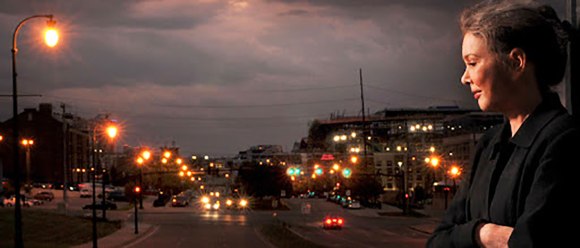

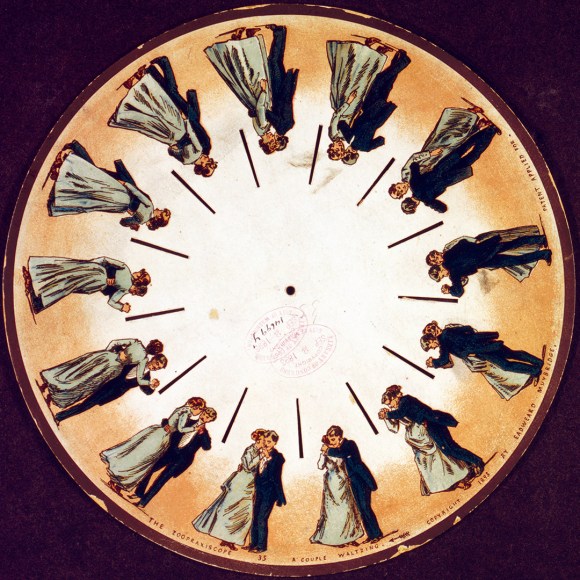


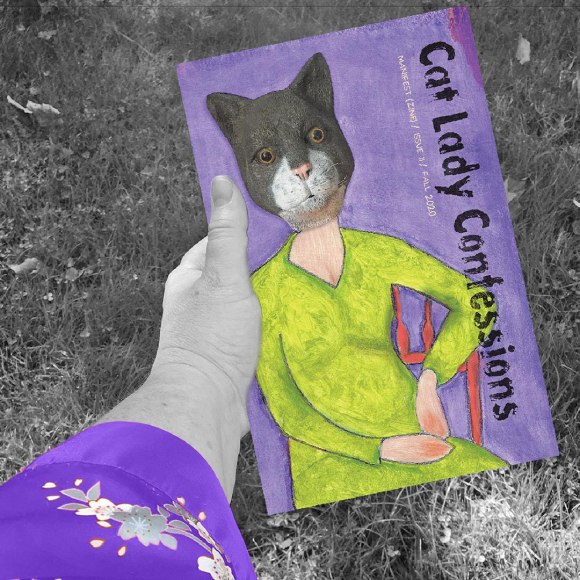
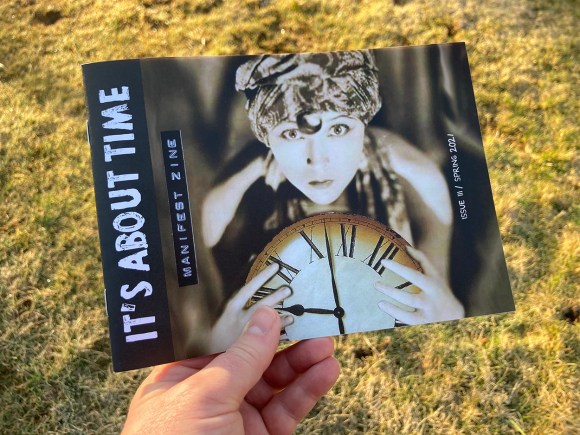


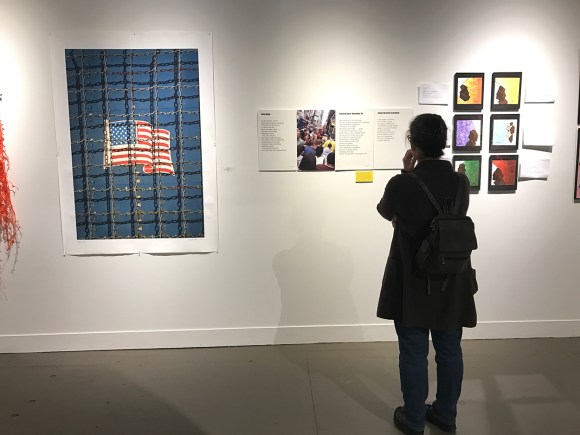
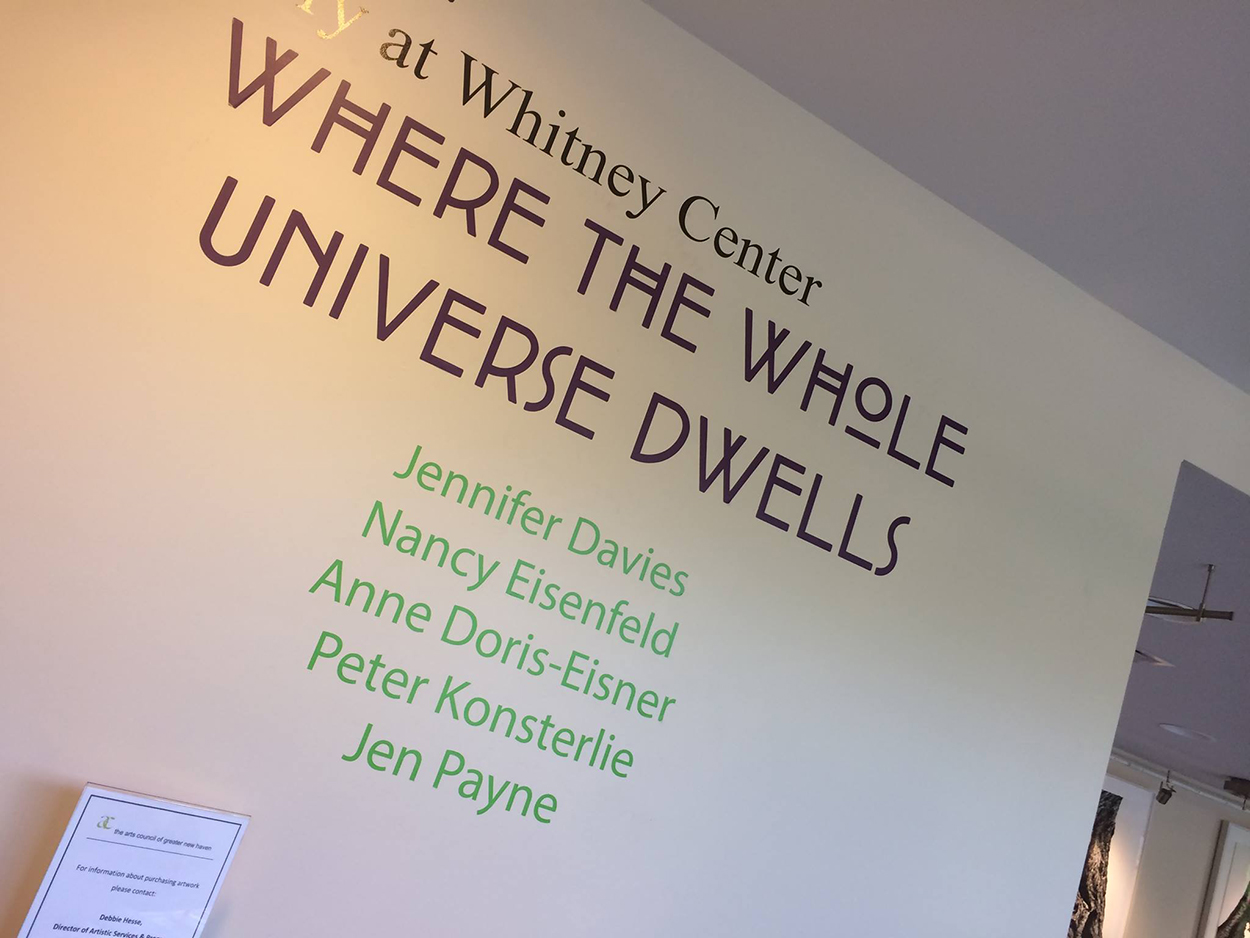
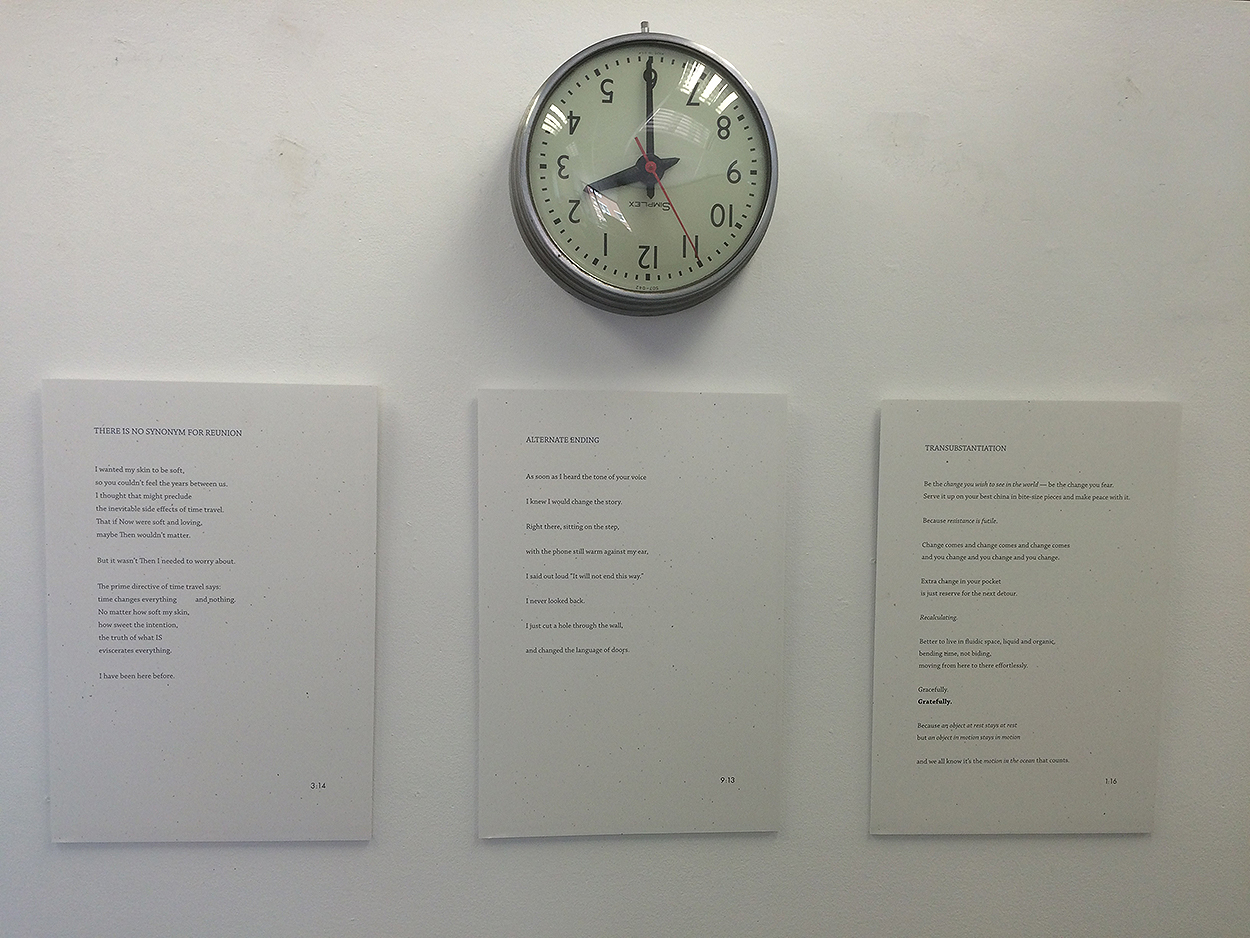
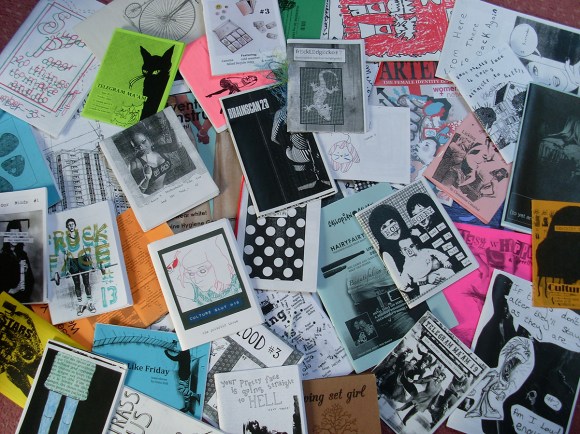
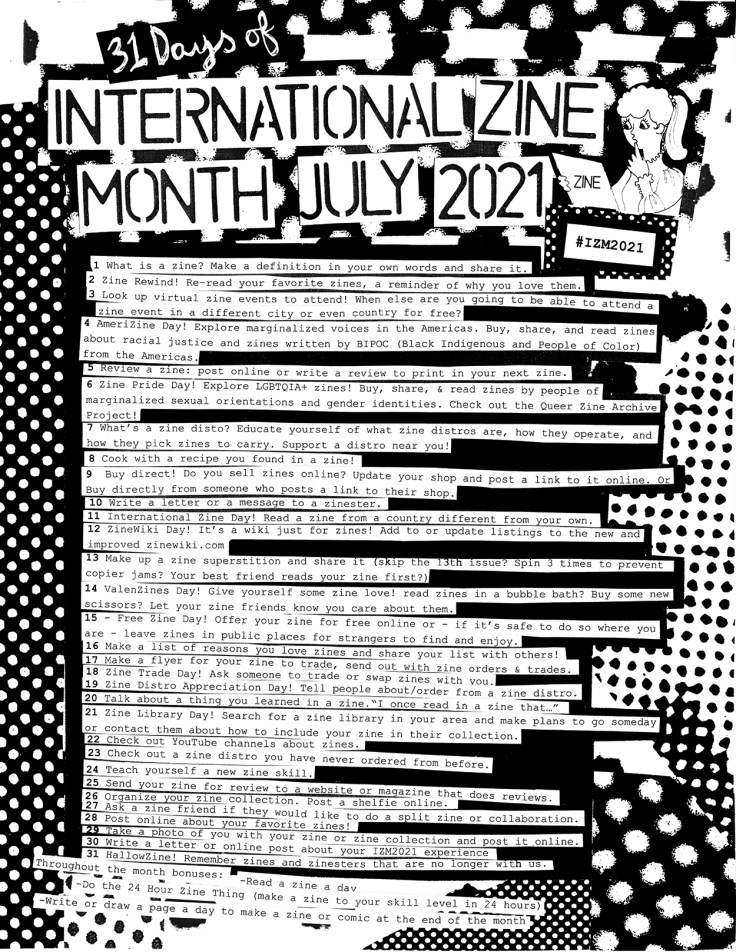
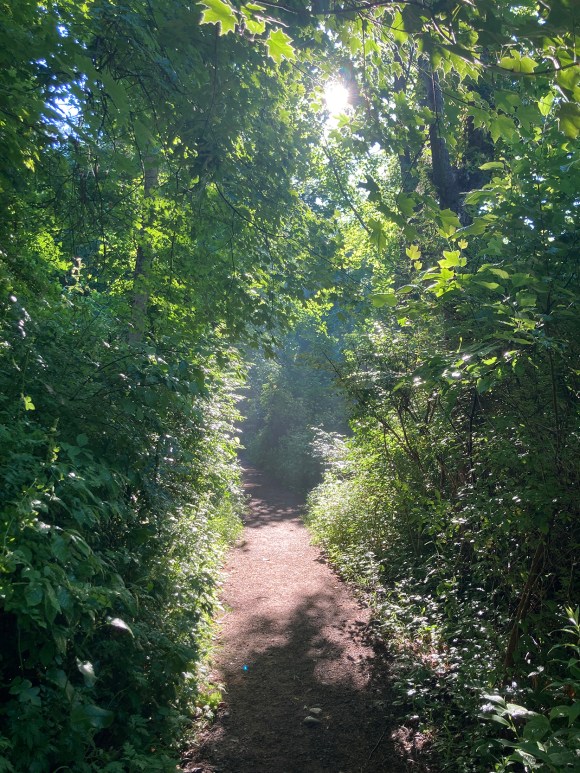

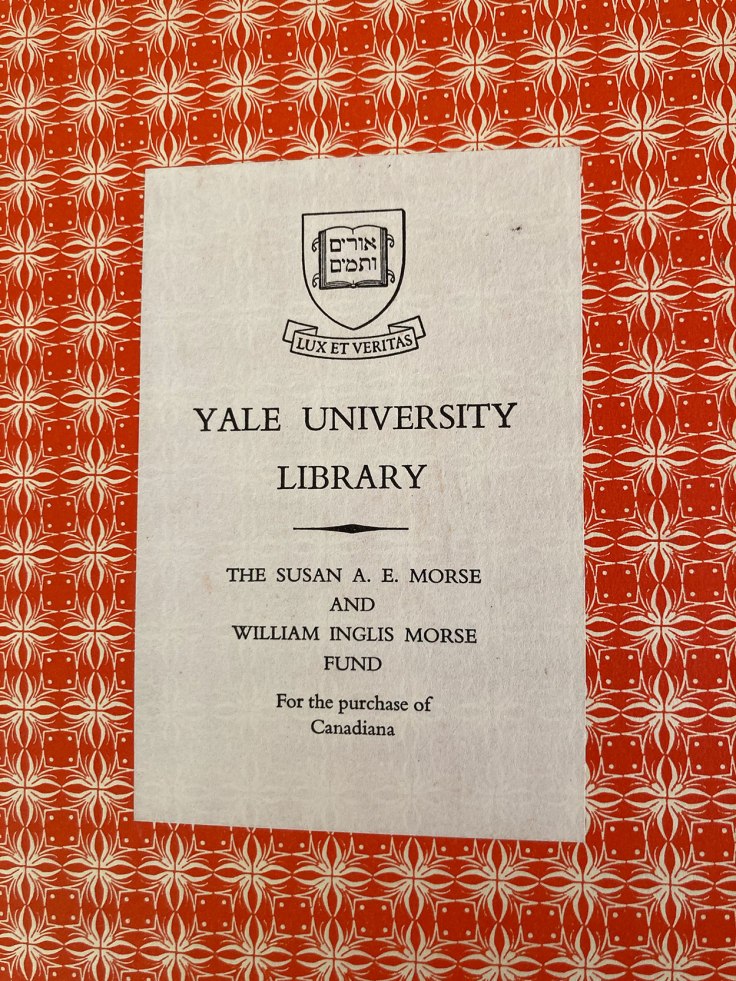


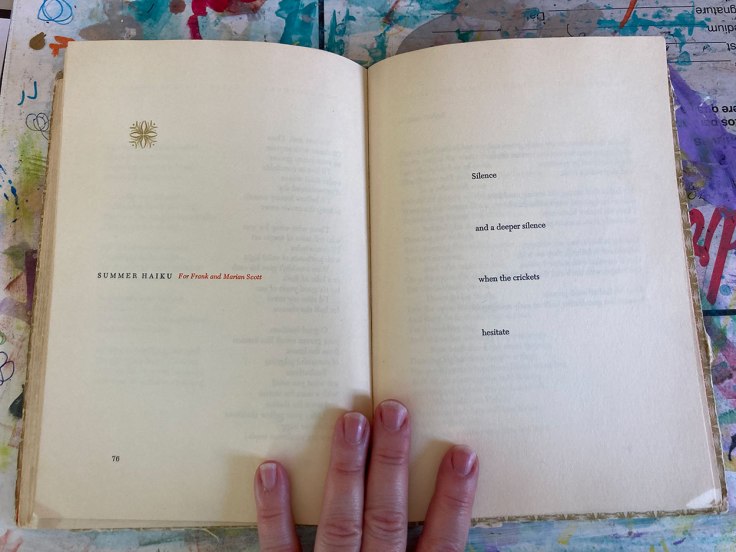
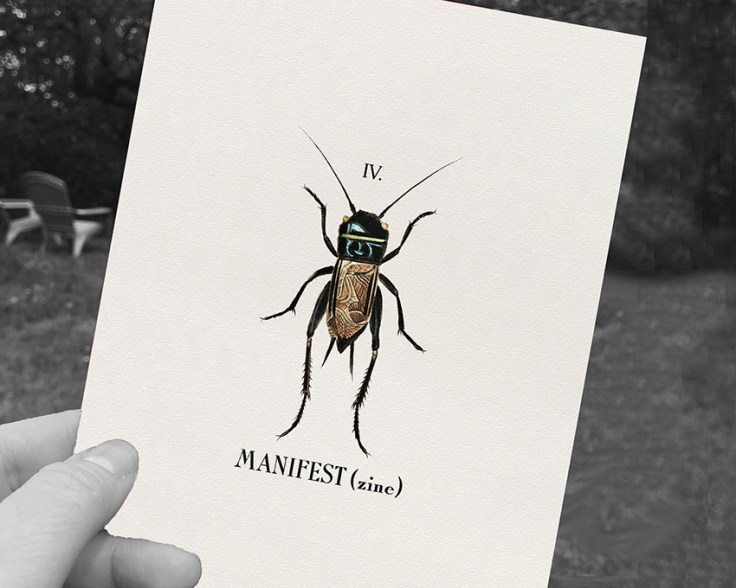
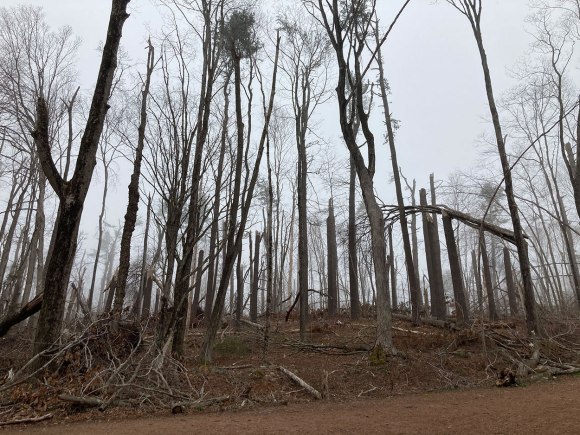
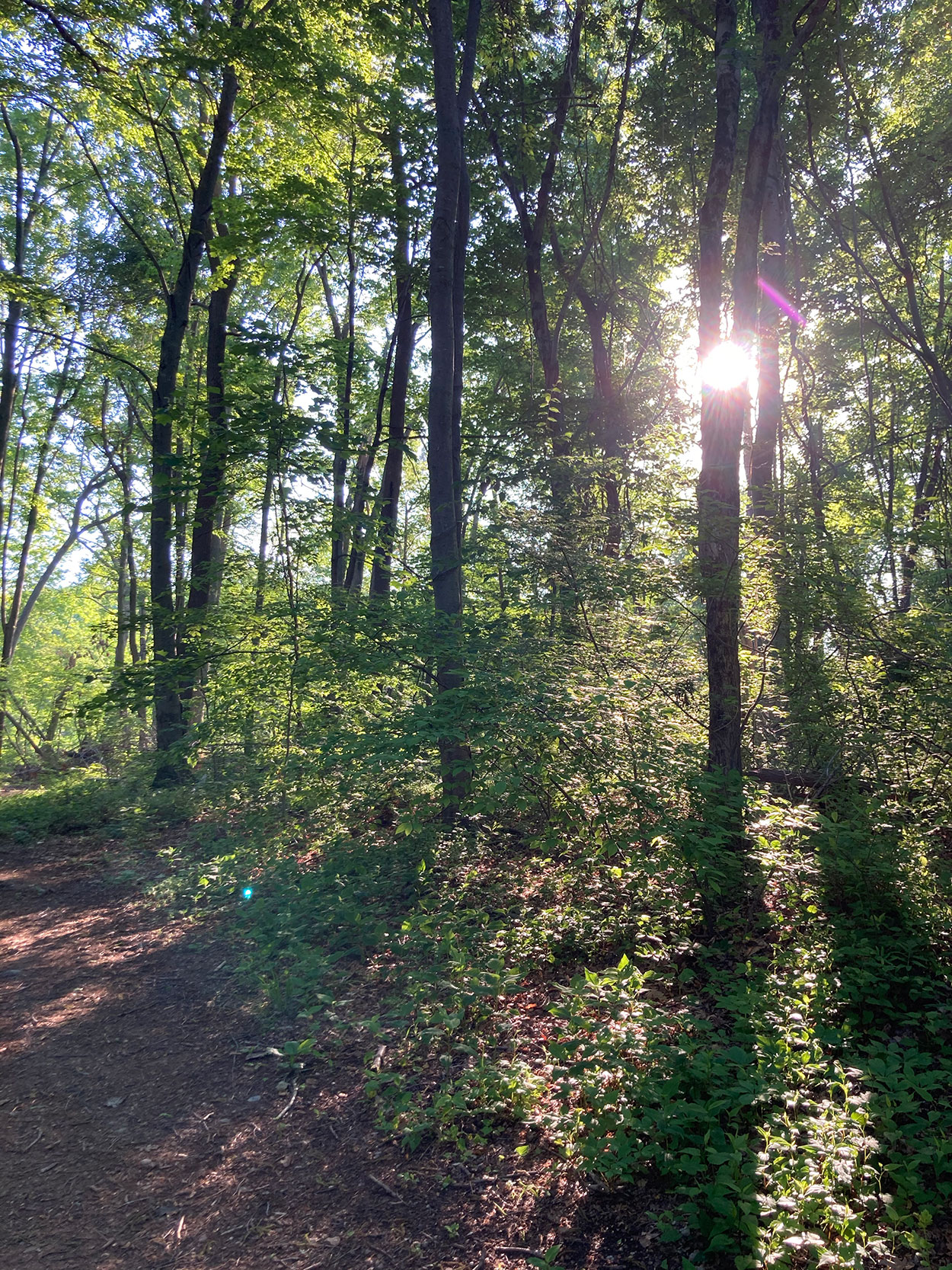
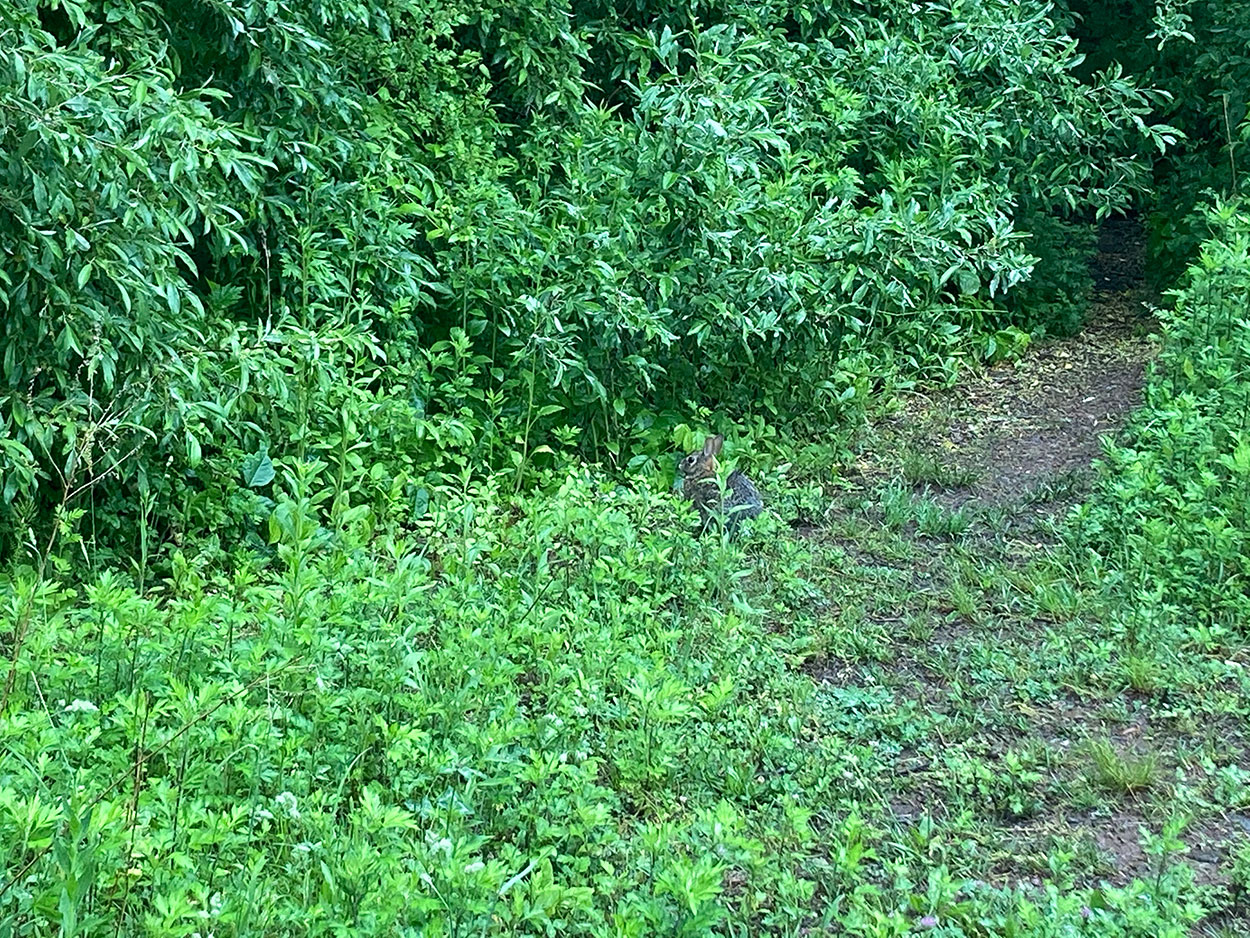
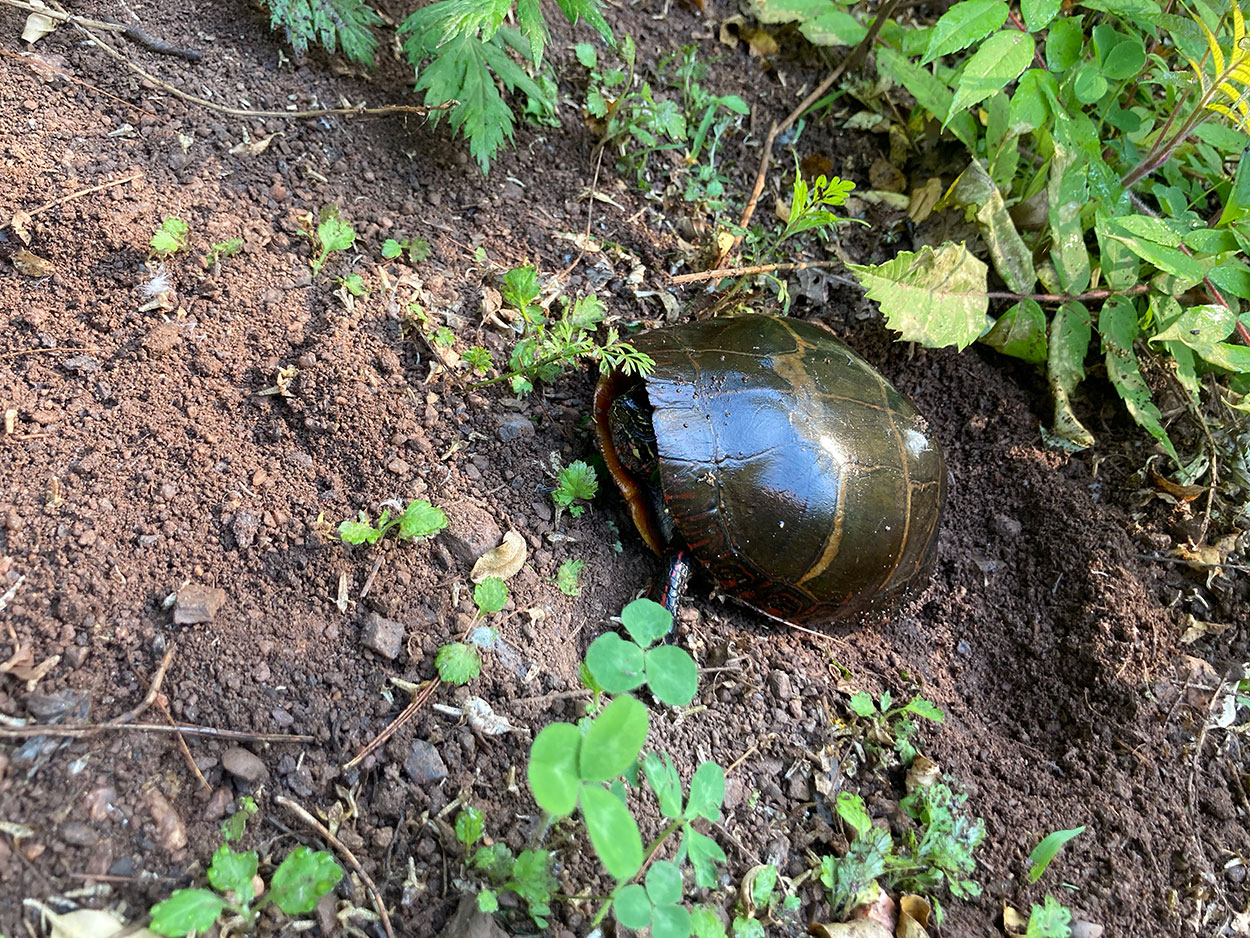
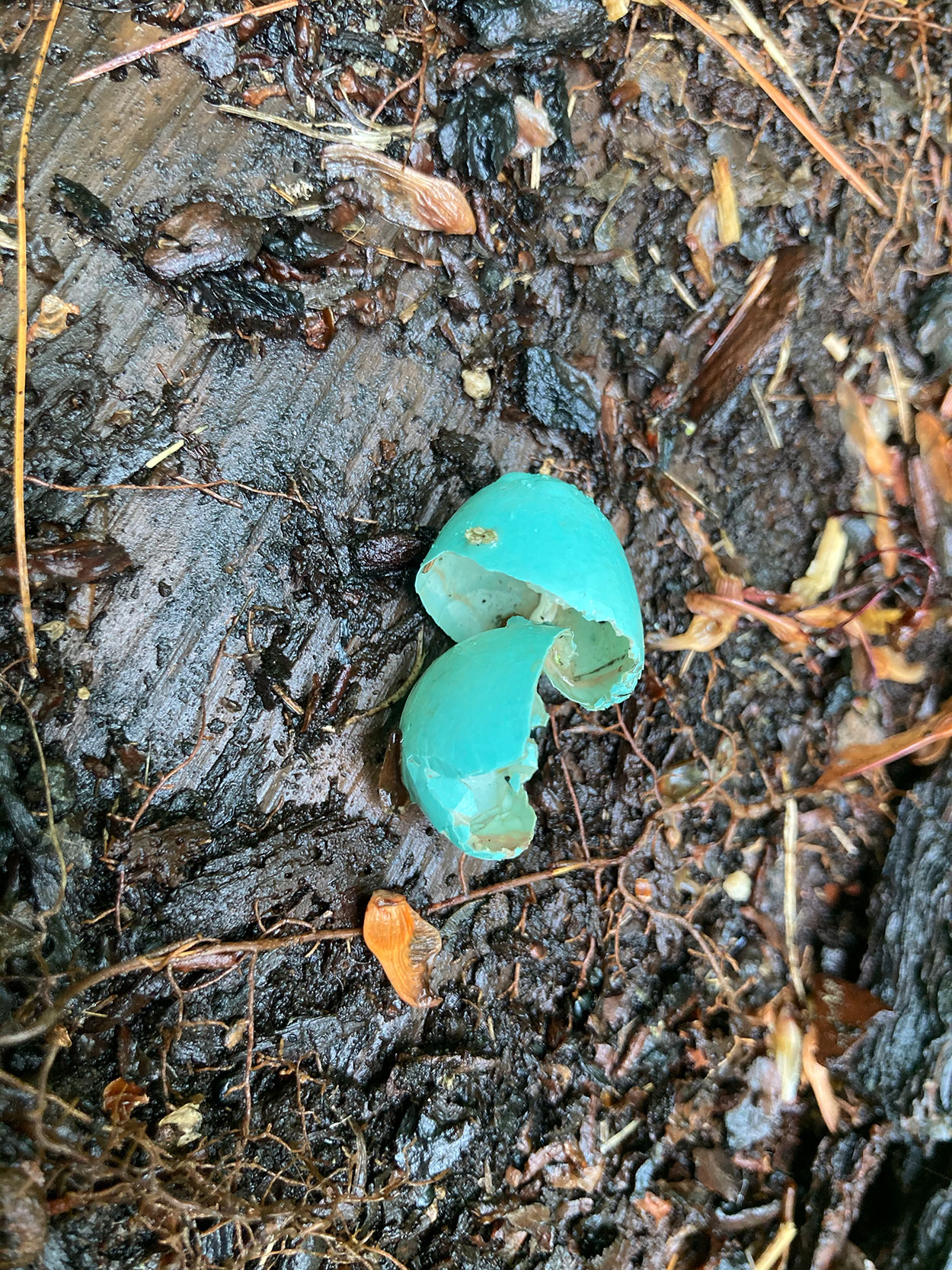
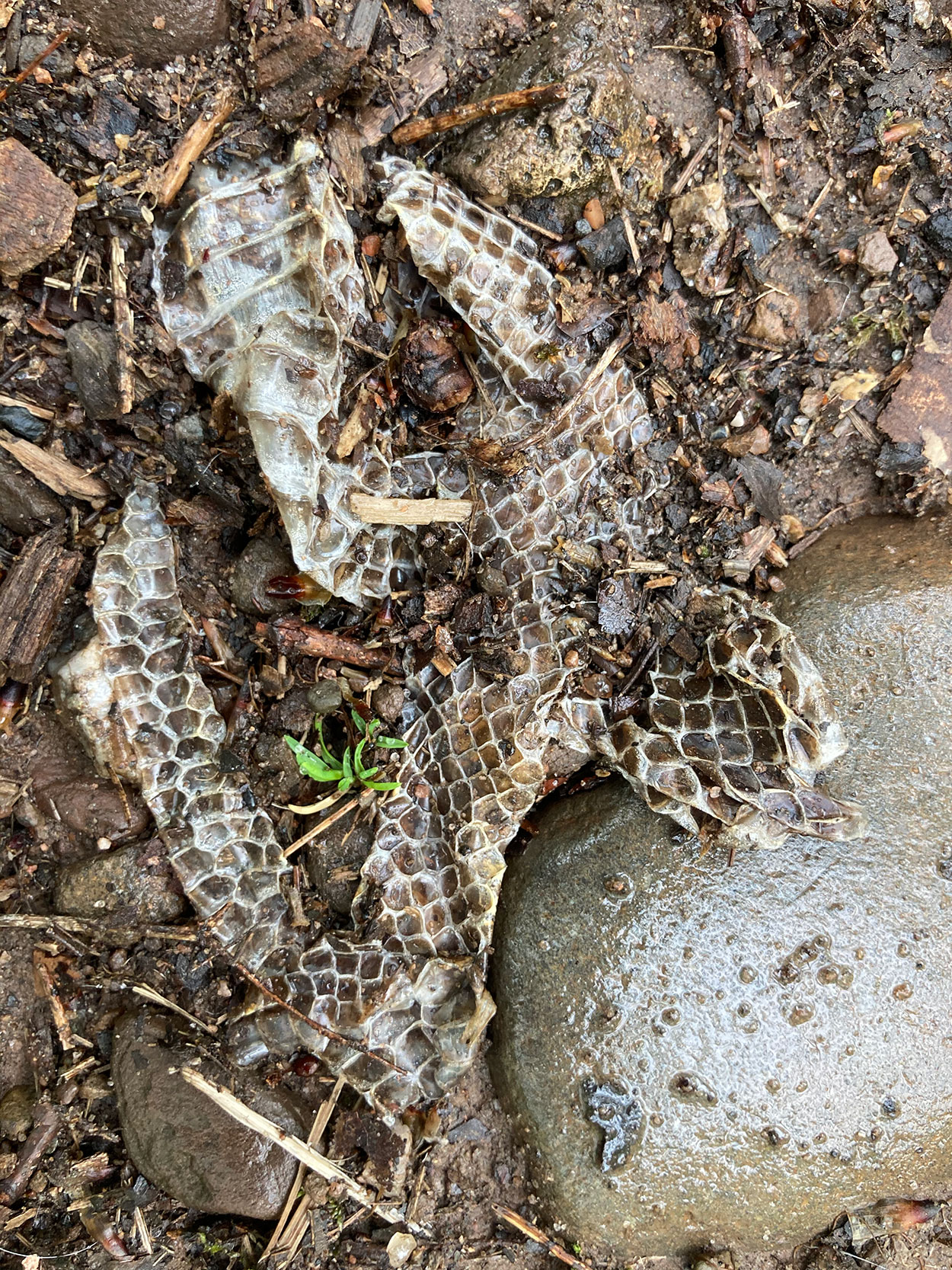
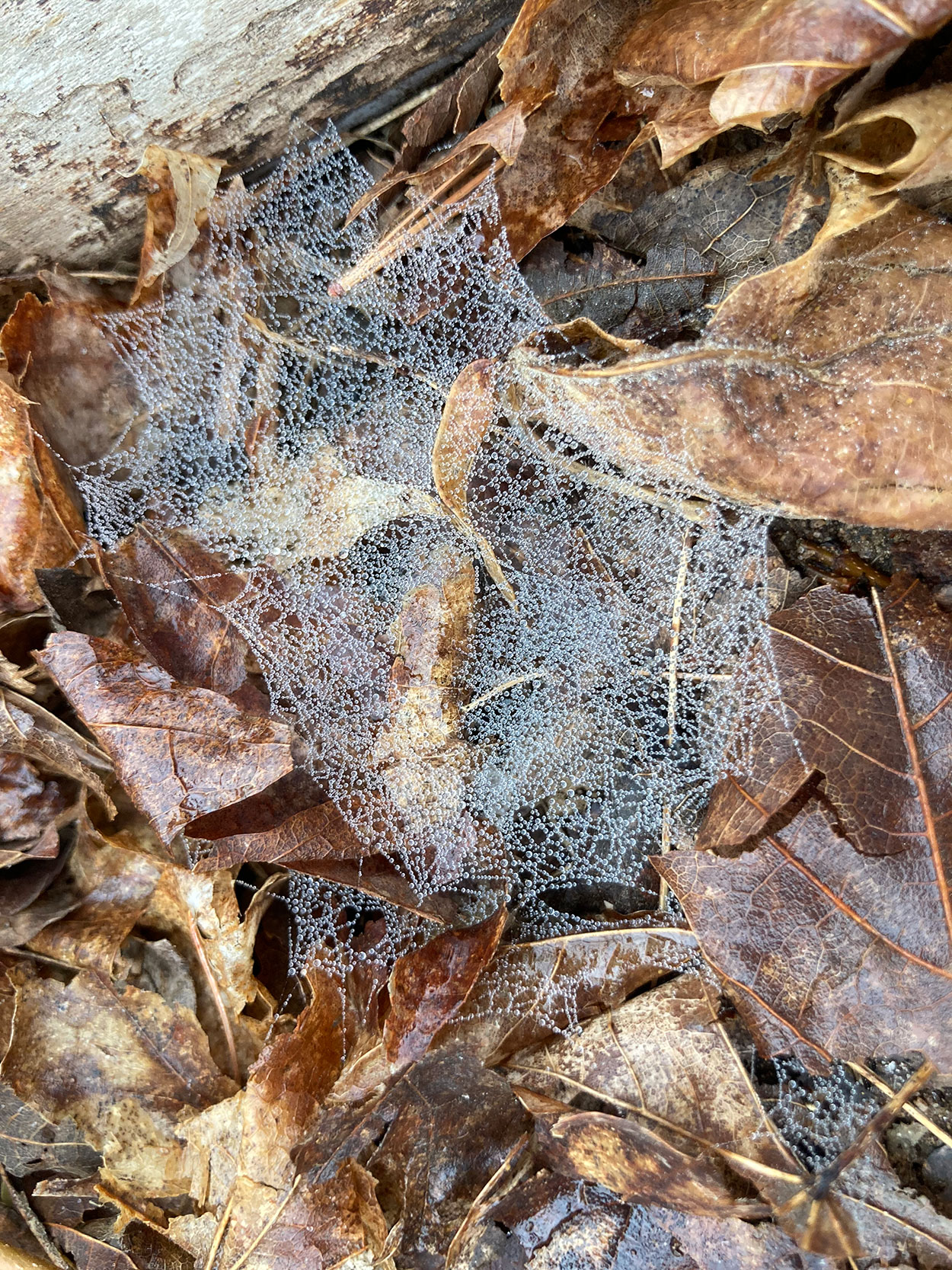
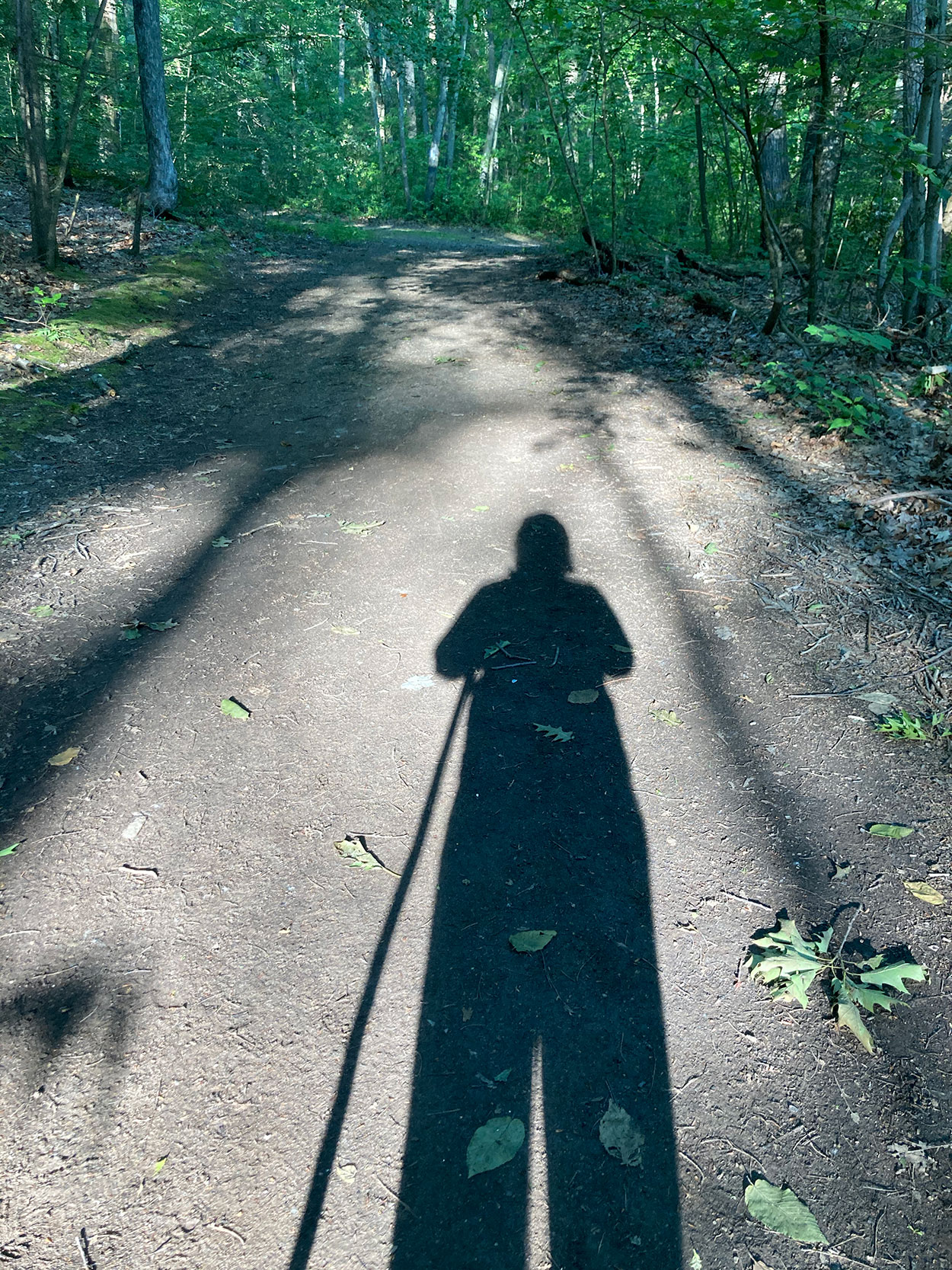
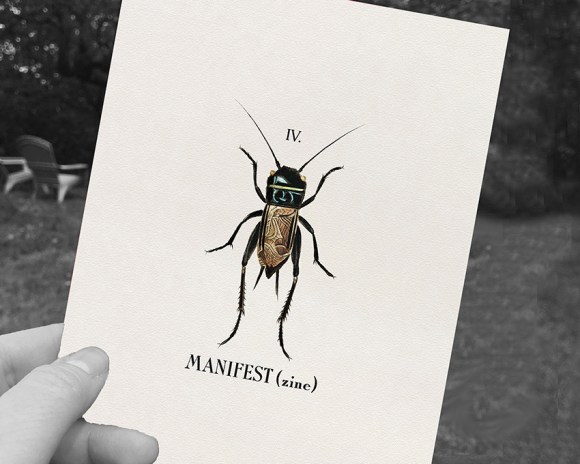


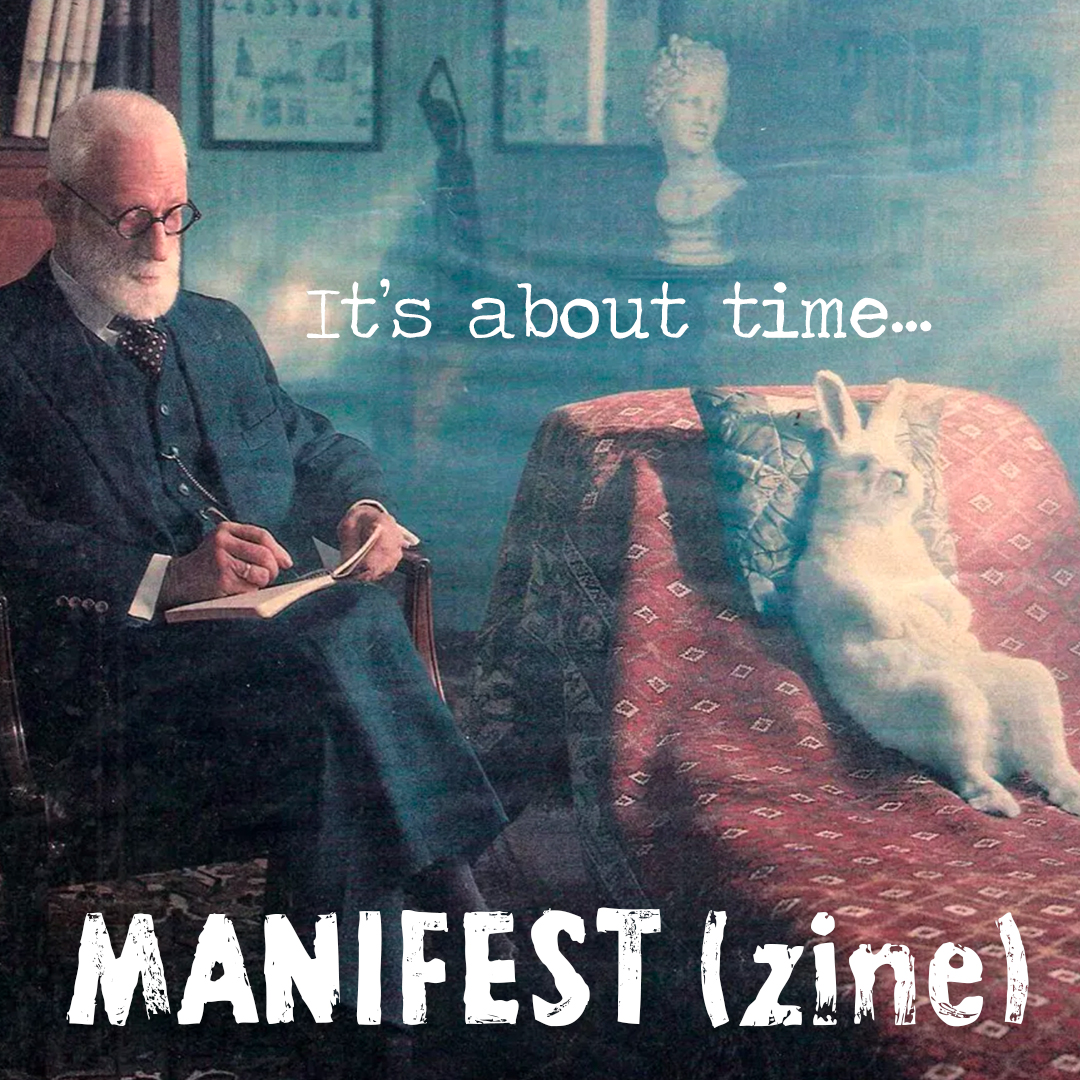
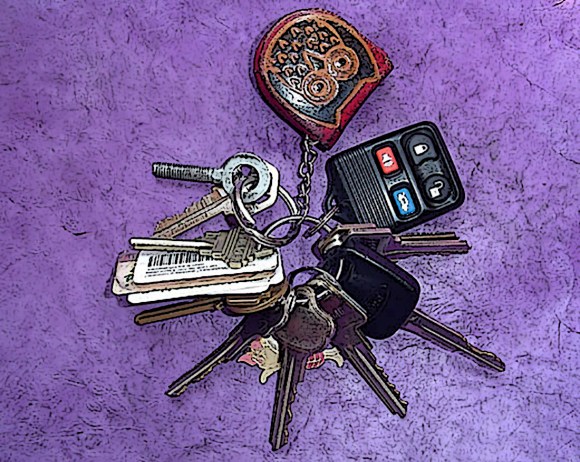
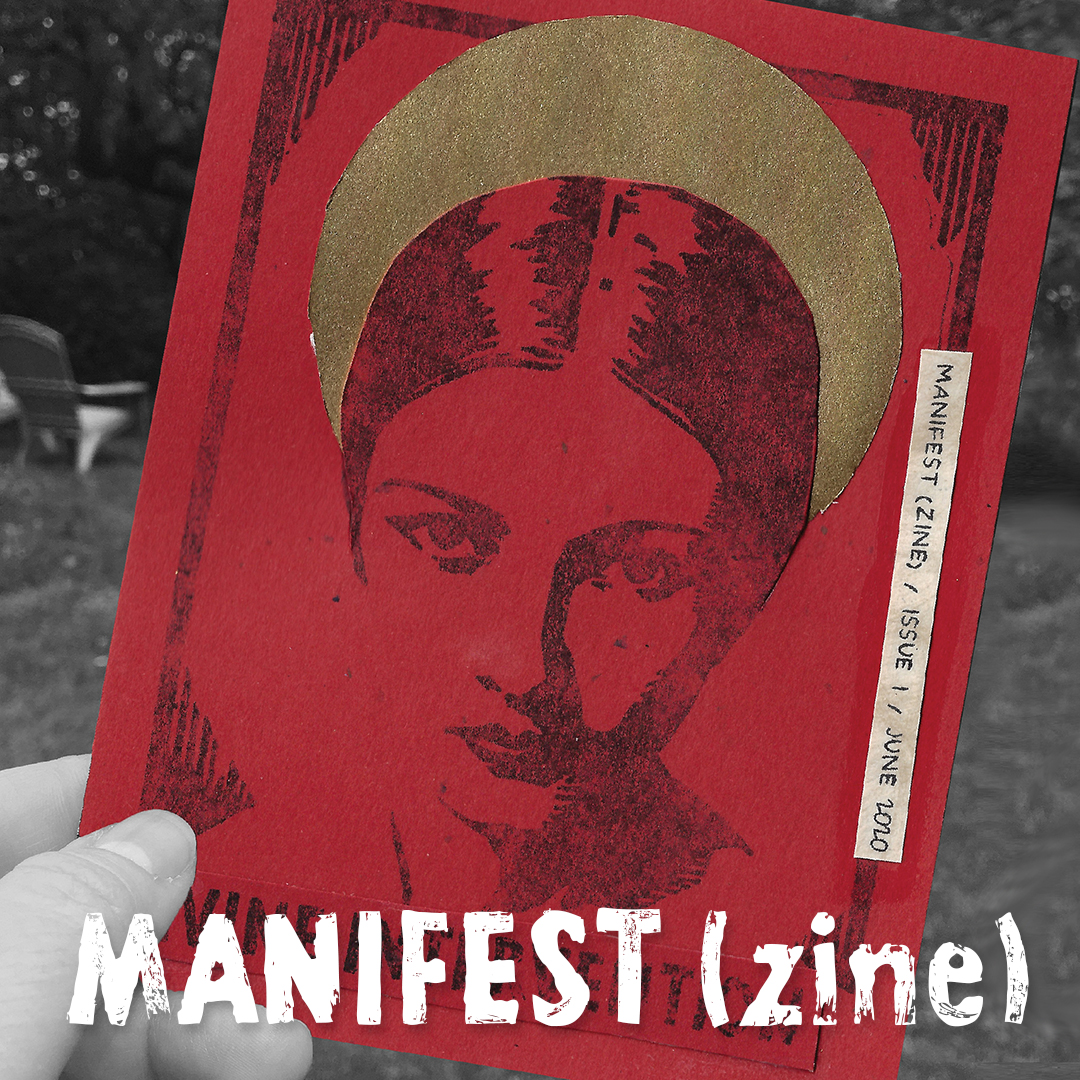


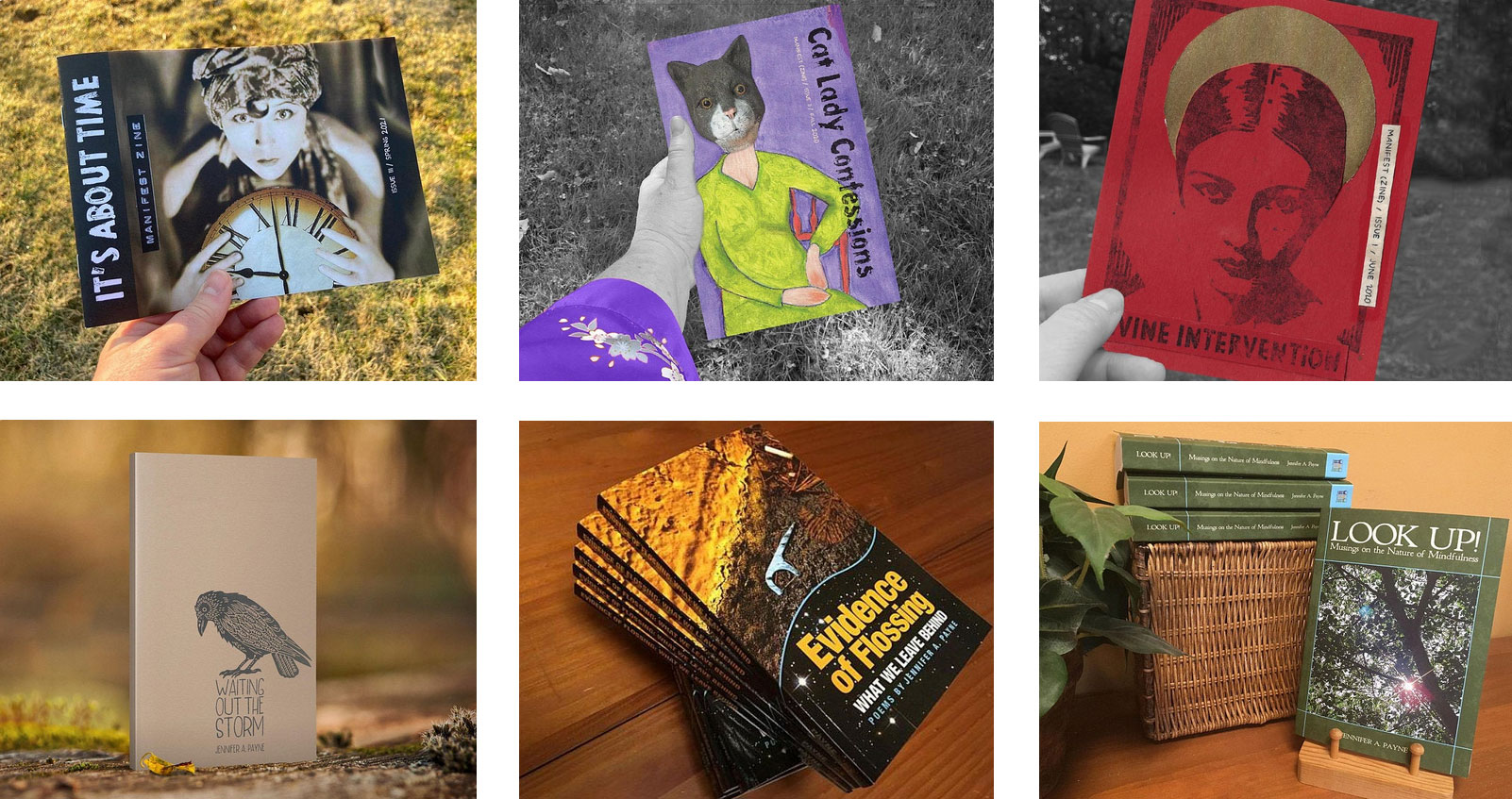
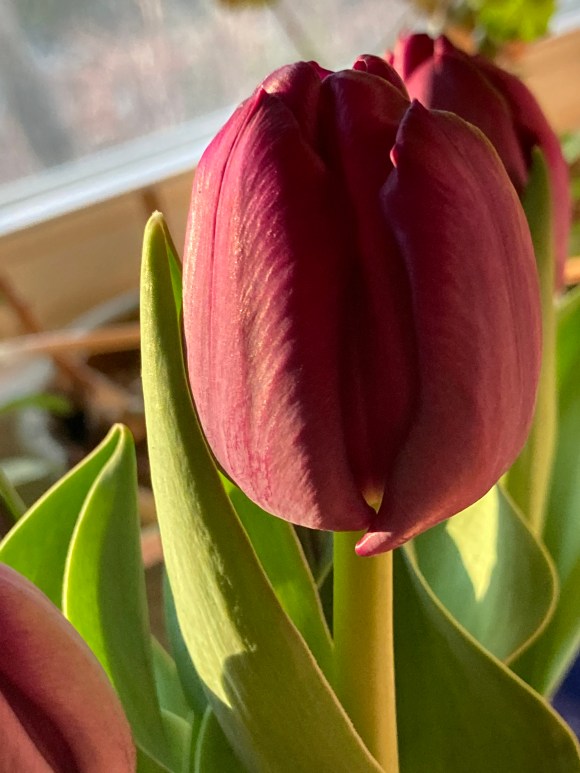



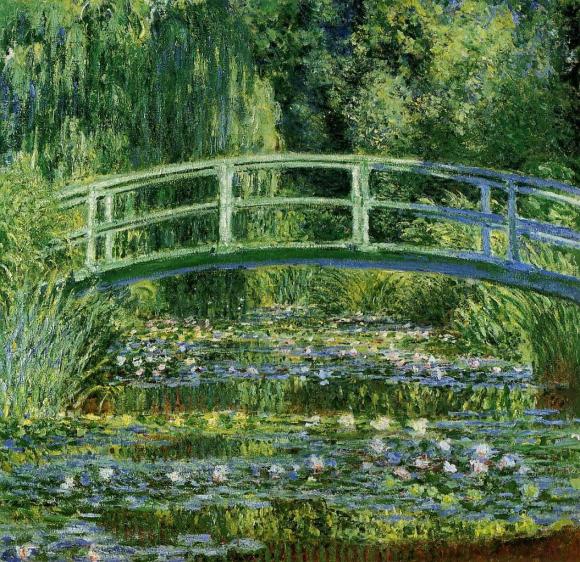
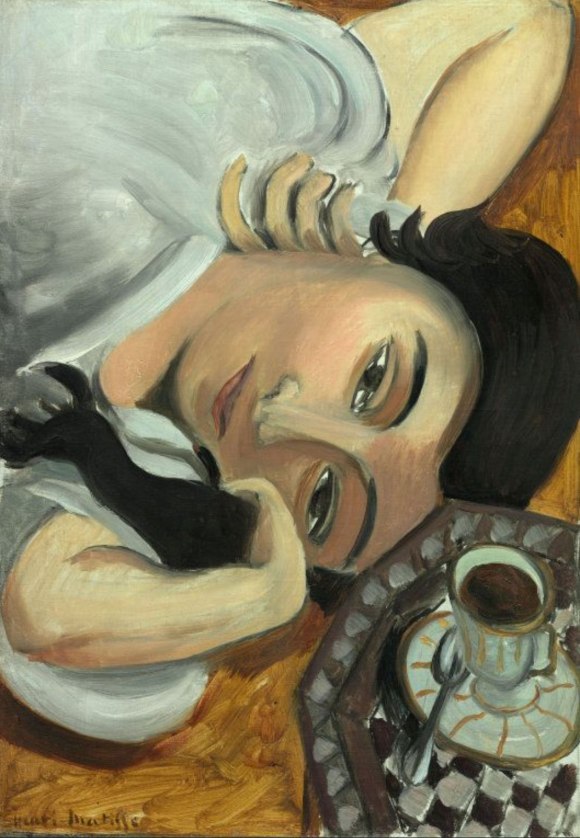

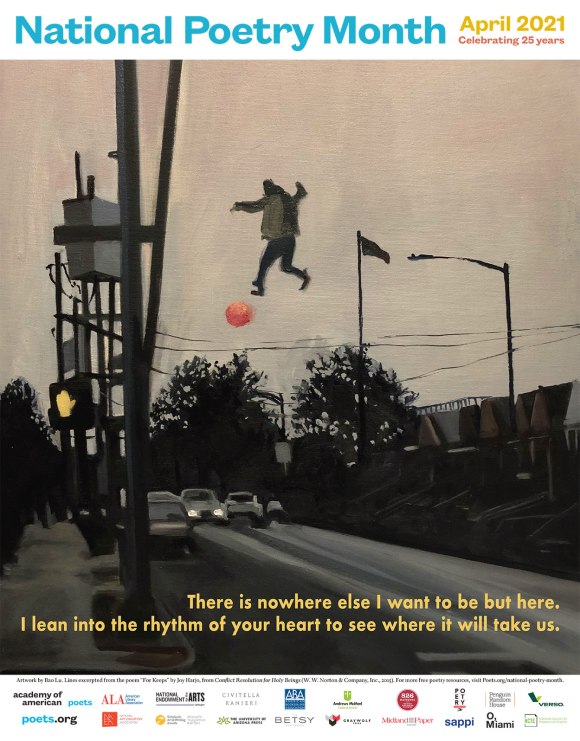

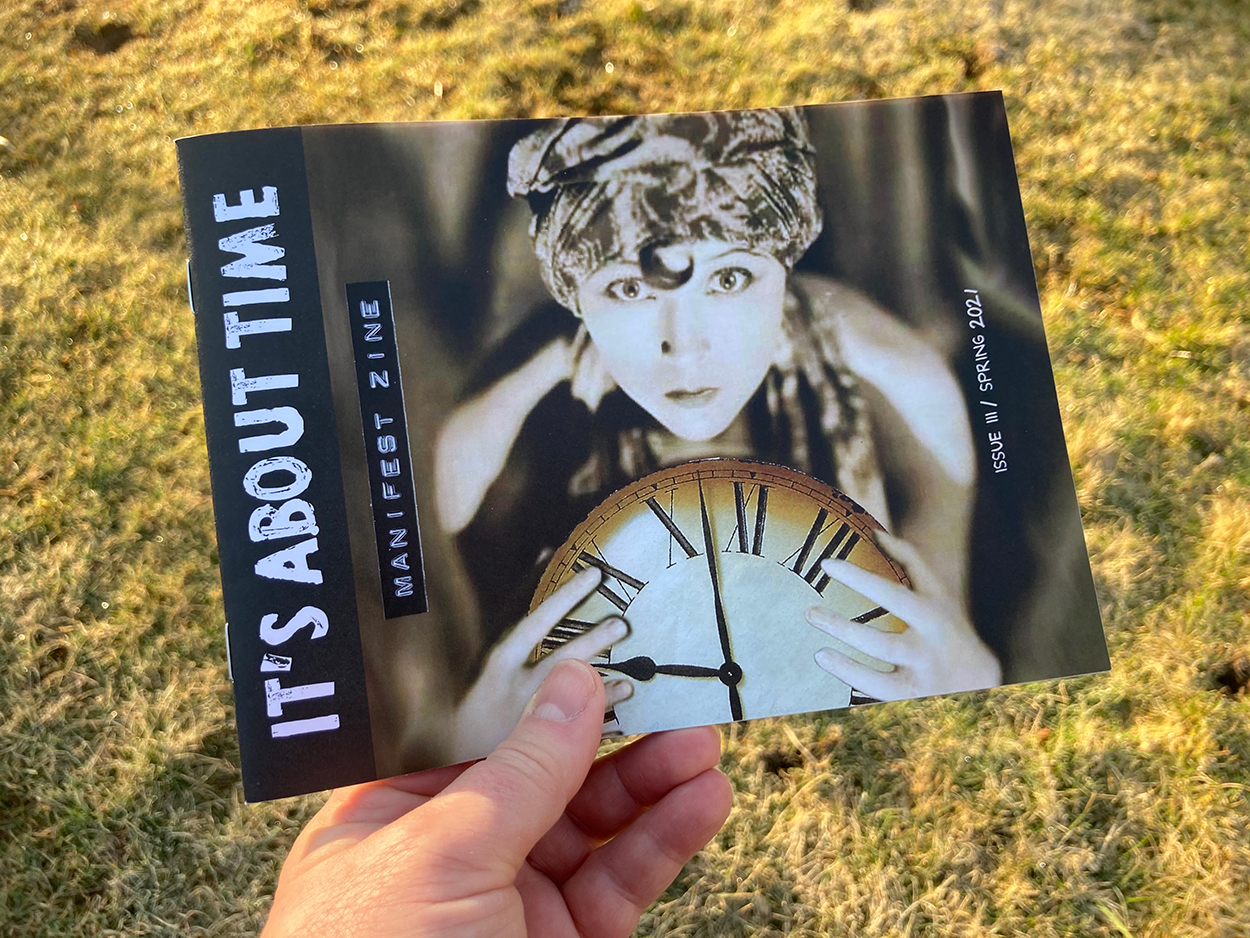


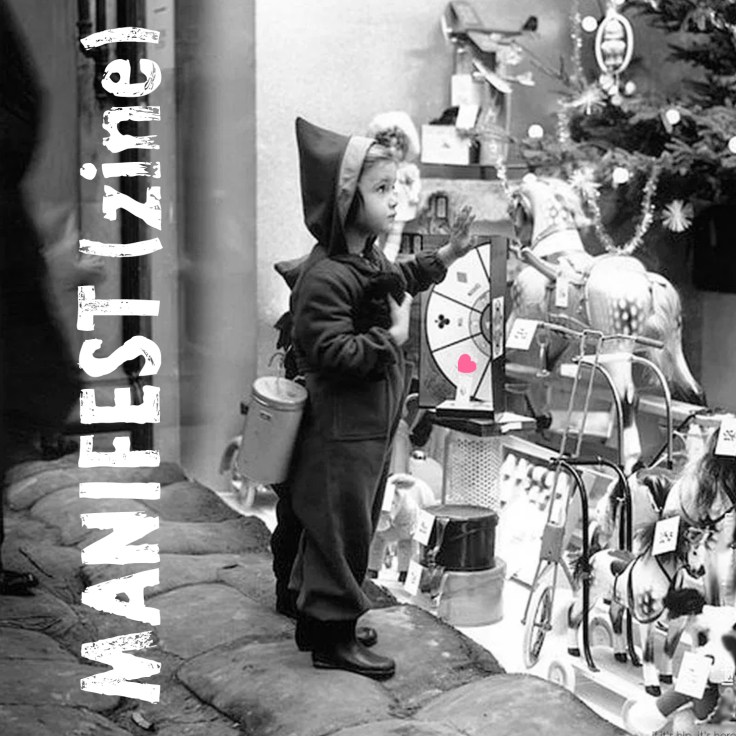
 A blanket fort? Yes, that too! I’ve spent some time this fall researching and sketching and making a pile of linens and pillows for a reading nook.
 With that in mind, please visit the
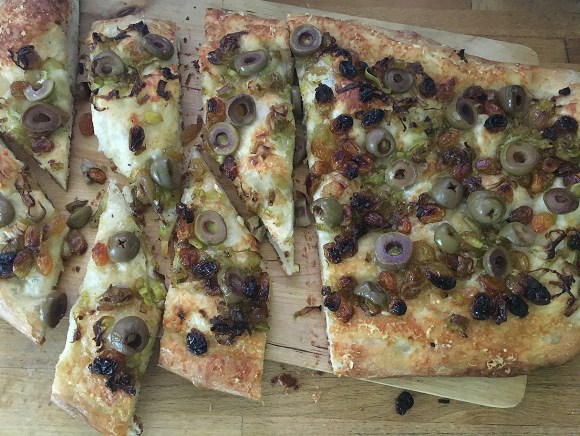
 What is life without poetry?