Categories
Creativity

The Importance of Storytelling

by Jen Payne, author, Sleeping with Ghosts
My mother, who is easily insulted, often remembers the time a therapist called her a storyteller. Mom recounts the comment as one might an injustice, and she twists and elongates the word “storyteller” to make it sound as painful as it felt for her.

What’s the old saying? The truth hurts.

That’s the funny thing about my mother’s story — she IS a storyteller. Long before neurodivergent was a word, my mother was making her way through life with the only tools she had, and one of those was storytelling. Often and on repeat. It’s how she relates to the world and people around her.

I have a friend whose mother was also a storyteller. She had a degree in drama, was in numerous theatrical productions, taught children how to act and perform, and went on to start a successful annual storytelling festival. She also found connection in telling stories.

The act of storytelling is as diverse as these two examples and includes four primary forms: oral, visual, written, and digital. Within each of those forms, there are a myriad of vehicles: books and magazines, visual arts, stage, radio, film, television, video, internet.

Consider all of the ways storytelling comes into your own life! It’s part of the fabric of who we are. Think about it! What would we be without our fairytales, folktales, fables, religions, and mythologies? We are built on story!

And quite literally. This is what social scientist Brené Brown, says about storytelling in her book Rising Strong: How the Ability to Reset Transforms the Way We Live, Love, Parent, and Lead.

“We are wired for story. In a culture of scarcity and perfectionism, there’s a surprisingly simple reason we want to own, integrate, and share our stories….We do this because we feel the most alive when we’re connecting with others and being brave with our stories — it’s in our biology. The idea of storytelling has become ubiquitous. It’s a platform for everything from creative movements to marketing strategies. But the idea that we’re “wired for story” is more than a catchy phrase. Neuroeconomist Paul Zack has found that hearing a story — a narrative with a beginning, middle, and end — causes our brains to release cortisol and oxytocin. These chemicals trigger the uniquely human ability to connect, empathize, and make meaning. Story is literally in our DNA.”

Like my mother, I’m also a storyteller. I frequently use analogy and story not only to talk about my own experiences, but to say, “I understand yours, too. Let’s talk about it.” It was Brené Brown who gave me the courage to tell those stories on paper, and who inspired several of my books, including my new collection of poems, Sleeping with Ghosts.

That book, Rising Strong, still sits on my coffee table — dogeared and well-worn — as a reminder to be brave, to show up, and to keep telling my stories. The book ends with her “Manifesto of the Brave and Brokenhearted,” which I’ll share with you here as inspiration for you to tell your own stories because what you have to say — no matter how you say it — is important!

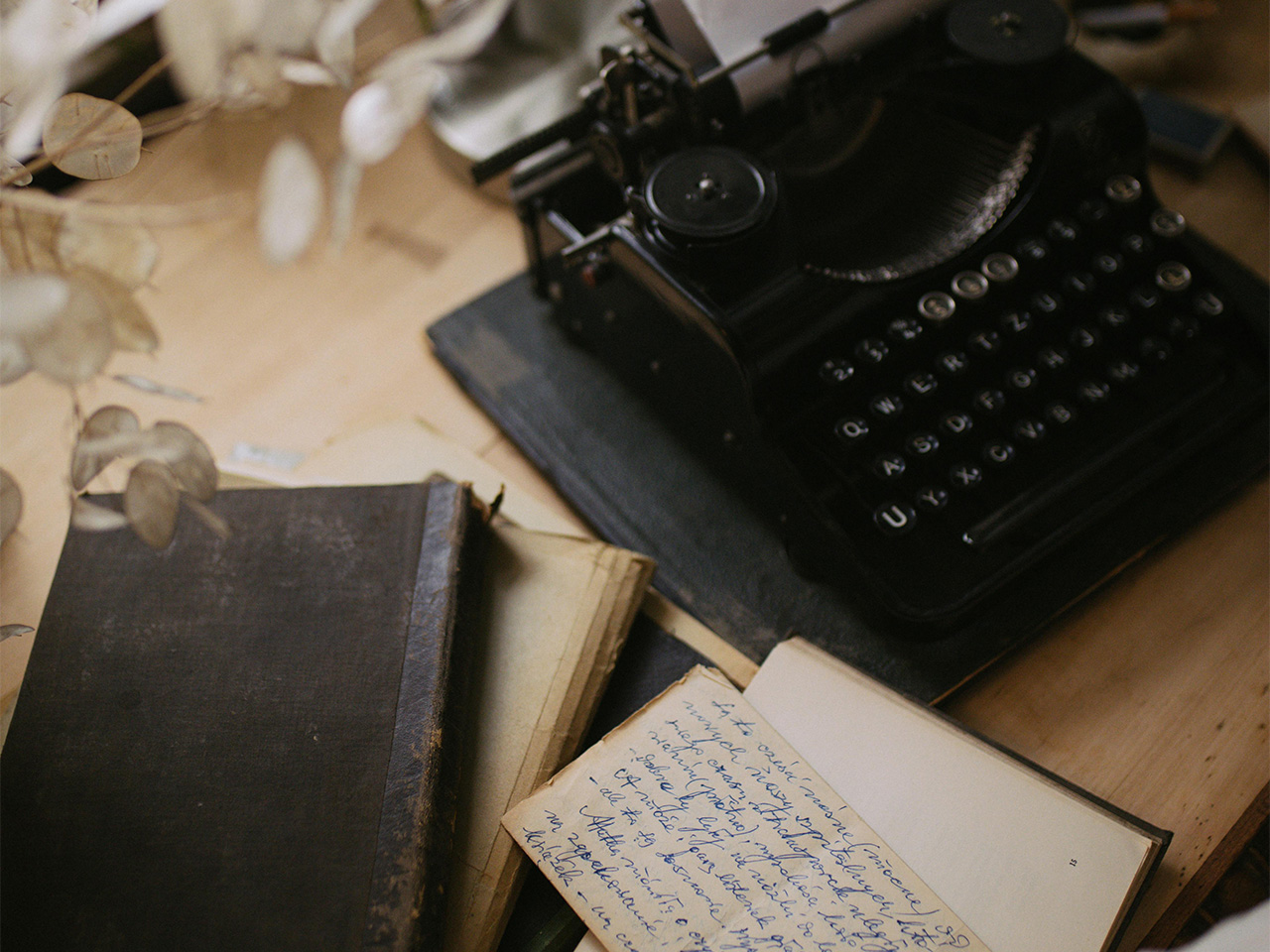
Photo by Kool Shooters/Pexels. Brown, Brené. Rising Strong: How the Ability to Reset Transforms the Way We Live, Love, Parent, and Lead. United States: Random House Publishing Group, 2017.


This essay was originally featured in the WOW! Women on Writing national Blog Tour for my book Sleeping with Ghosts: Poems & Musings.

Categories
Creativity

The Artwork of Sleeping with Ghosts

by Jen Payne, author, Sleeping with Ghosts

People often comment about the visual nature of my creative work, and how my writing is usually accompanied by photography or artwork.

As a graphic designer, artist, and writer, I firmly believe that partnering visuals and words layers the intentions of my work and makes the communication more palpable.

Two of my previous books, Look Up! Musings on the Nature of Mindfulness and Evidence of Flossing: What We Leave Behind, were as much about the color photographs as they were about the essays and poems. As a matter of fact, the whole concept of the poems in Evidence of Flossing was inspired by a series of photographs I took showing discarded dental flossers in random places.

Odd, I know, but they spoke to the message — our disrespect of nature — in a necessary and immediate way. Sometimes writing takes a while to be absorbed, while images have a speedy hook!

LOOK: THIS IS WHAT I WANT TO TELL YOU! (Read More)

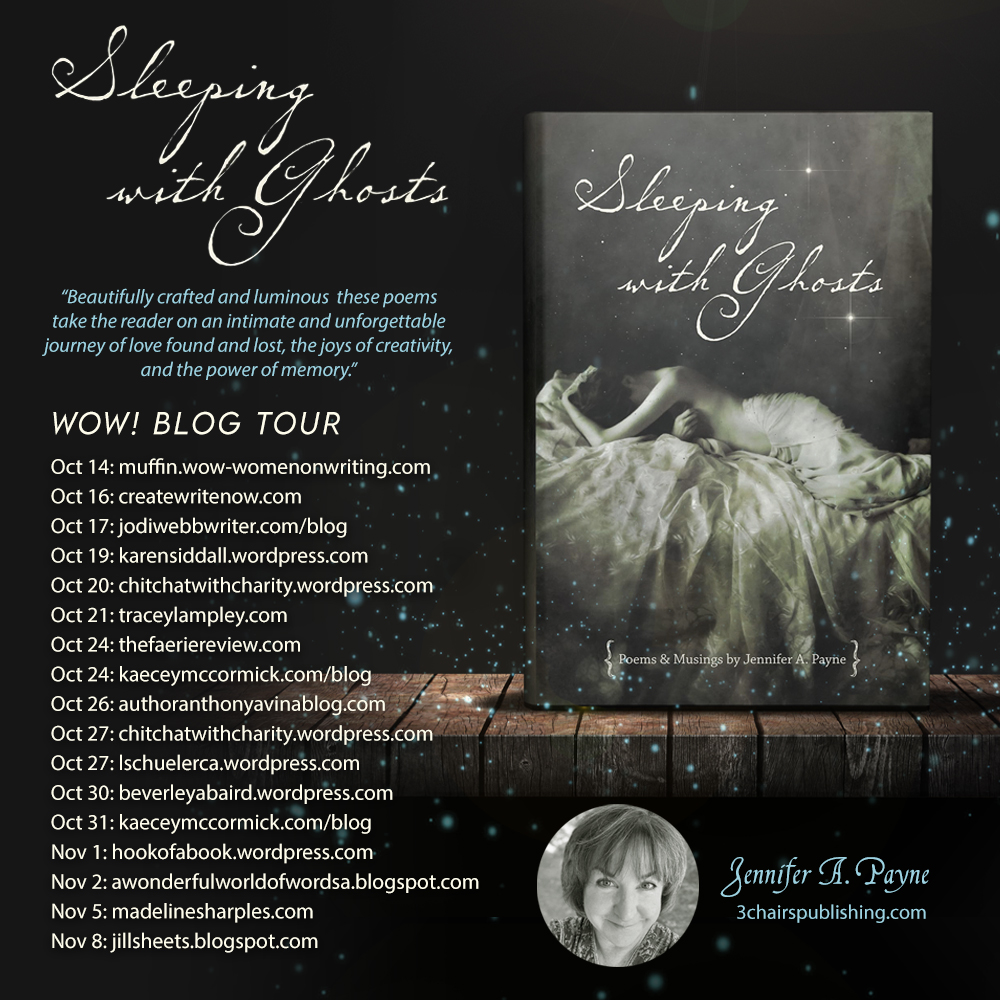
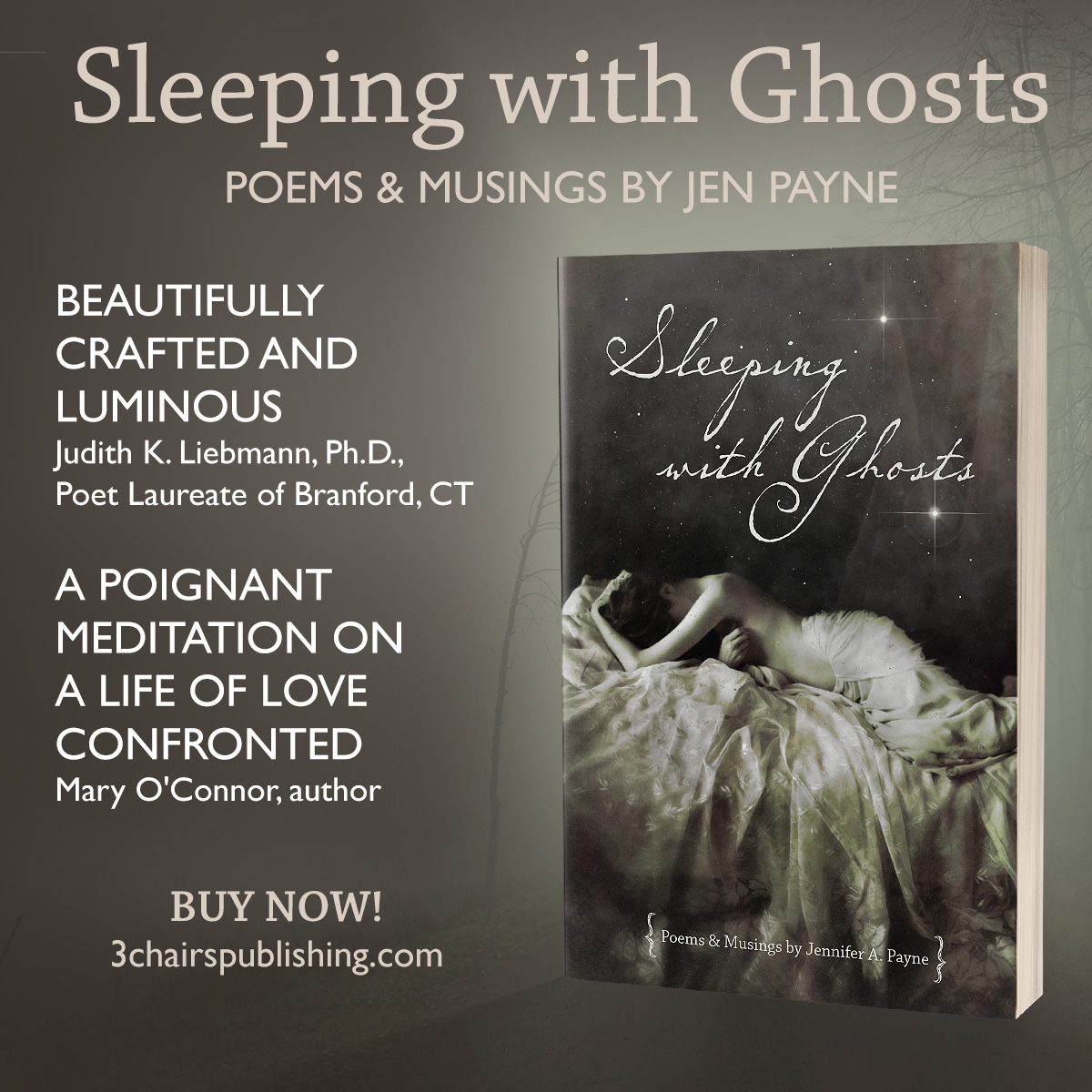
I love that the cover of my new book, Sleeping with Ghosts, does exactly that: it grabs your attention!

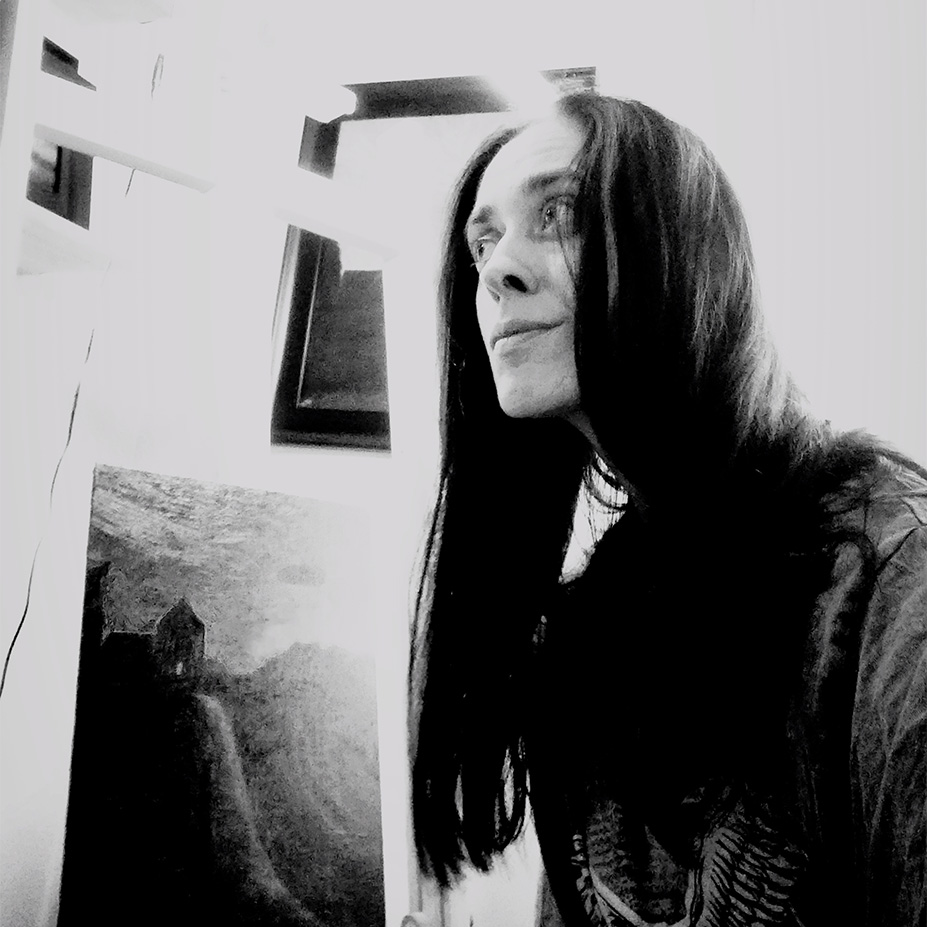
The cover photograph is by Polish artist Malgorzata Maj, who I connected with online back in 2015. (Yes, I’ve known the book’s title and have had that photo saved for nine years!)

Małgorzata is a contemporary painter and photographer known for her symbolic nighttime landscapes and ethereal portraits exploring the world of the Unknown. She graduated in 2004 (Olsztyn/Poland) with the title of Master in Arts. Influenced by 19th-century symbolism, her photographic works feature a bold painterly approach to the compositions she depicts. She has exhibited in galleries across the U.S. and Europe, and published her works on numerous book covers and magazines. Today she mostly focuses on traditional media such as oil painting and continues to explore themes and ideas less accessible for photographic medium.

In a bit of happenstance, on her website, Malgorzata says she “explores haunted places, past memories, and hidden feelings and symbols,” which really is the essence of Sleeping with Ghosts.

“Photography has this unique quality of something real and intangible,” she says, “…something that I find difficult to speak about. It is the language of ghosts.”

For the cover, I accented Malgorzata’s photograph with a cluster of stardust that appears in several places within the book. It’s from a series of images in a Lunar Calendar collection by Lana Elanor that includes stars, moons, and constellations.

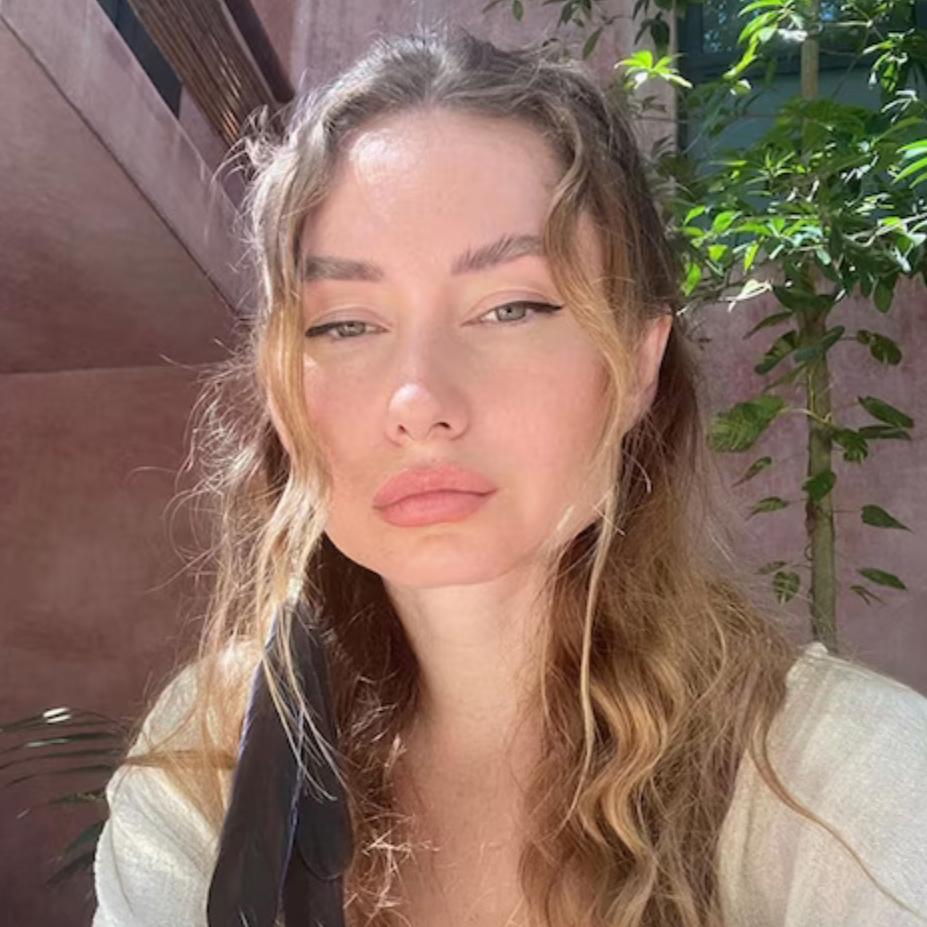
Elanor is an independent artist from Ukraine who now lives in Tulum, Mexico. She is “a meditative person passionate about art, travel, and the study of the conscious and unconscious mind.”

About her work she says, “I’ve loved creating art for as long as I can remember myself. Only beauty itself is a catalyst for the awakening of this world, so I’m totally in love with the concept to make this place more beautiful than it was when we got here.”

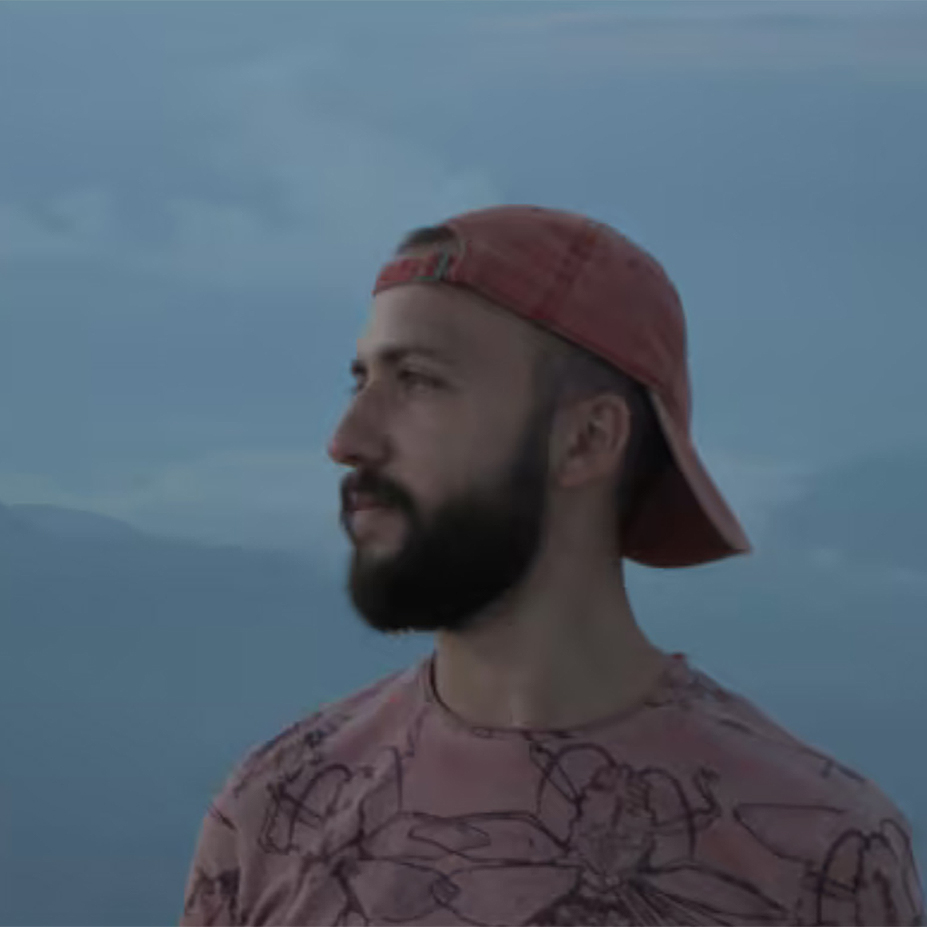
The illustrations that introduce each chapter, and entice the reader from the Table of Contents, are by Ukrainian artist Michael Rayback. I connected with Michael about his art in 2022, and we were both excited to include his work in my book. But Michael lives in Kyiv, and our last correspondence was several months after Russia invaded Ukraine.

I check his social media from time to time, to see if he is back online, but unfortunately, we have not reconnected. When I think of him, I remember this quote I saw on one of his sites:

“Art is self-expression, therefore all that you see here is a part of me. I know many languages of self-expression. I like drawing, I love photo art, cinema is one of the main parts of my life, I like cooking tasty and healthy food. I wake up at five in the morning to be alone and tune in for a new day, and the sun tells me that I’m doing everything right and inspires me to new creativity. I do yoga and meditate. All this helps me to explore myself, I learn something new every day, and every day I try to be a little better.”

Something we can all aspire to, right?

I do hope you appreciate the collaborative nature of Sleeping with Ghosts. Please visit these artists online and discover more of their work!

Malgorzata Maj (Mrągowo, Poland)
www.sarachmet.com

Lana Elanor (Tulum, Mexico)
www.etsy.com/shop/LanaElanor

Michael Rayback (Kyiv, Ukraine)
www.creativemarket.com/michaelrayback

Photos from each artist’s social media bios.


This essay was originally featured in the WOW! Women on Writing national Blog Tour for my book Sleeping with Ghosts: Poems & Musings.

Categories
Creativity

Time to Write

by Jen Payne, author, Sleeping with Ghosts

Did you know that Picasso created more than 50,000 works of art, but only about 100 of those are considered masterpieces? That’s less than 1% of his work!

I think about that little fact every April, when I attempt to write a poem a month for NaPoWriMo (National Poetry Writing Month). There aren’t a lot of masterpieces, for sure, but a few have been published. So there’s that.

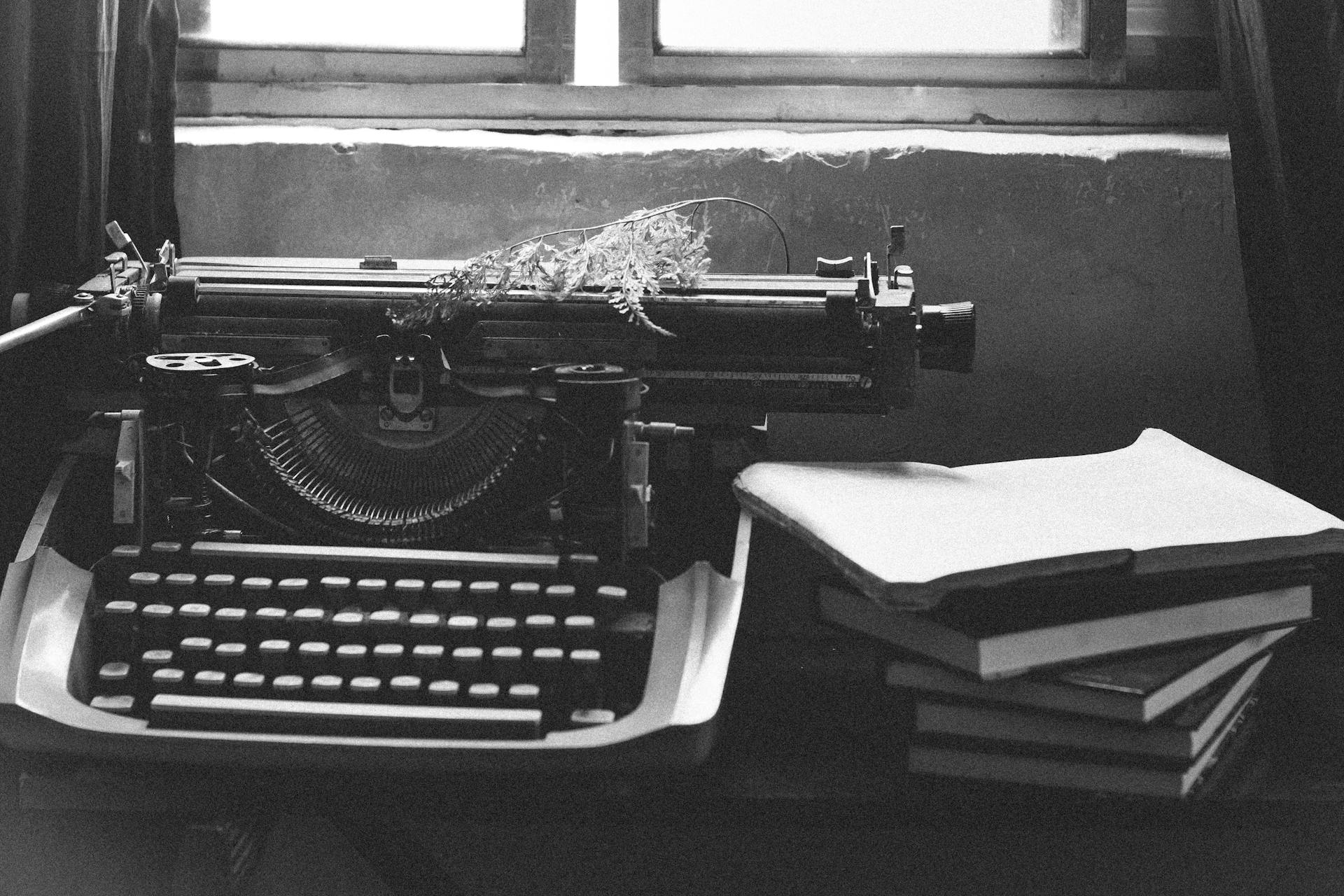
Of course, lots of folks will point out the averages — ONE percent?!? And you’ll never be at a loss for angsty advice about being a writer. Ernest Hemingway said “There is nothing to writing. All you do is sit down at a typewriter and bleed.” Robert DeNiro considers a writer on a good day to be “isolated, neurotic, caffeine-addled, crippled by procrastination, consumed by feelings of panic, self-loathing, and soul-crushing inadequacy.”

Oh my. Does it have to be that painful?

I’ve been privy to lots of conversations about writing lately. I don’t have time, they say, or my work isn’t good enough, I can’t stop editing, what will people think?

I like what writing guru Natalie Goldberg advises: “Say what you want to say. Don’t worry if it’s correct, polite, appropriate. Just let it rip.”

That’s the approach I go by every April — just write. I suppose it’s the approach I take all year long. Just do it, like Nike says.

Author Neil Gaiman suggests, “This is how you do it: you sit down at the keyboard and you put one word after another until it’s done. It’s that easy, and that hard.”

Exactly, it’s that easy and that hard. I think it’s kind of like the lottery slogan: you can’t win if you don’t play. How are you ever going to write a masterpiece if you’re not writing all along?

Photo by Wallace Chuck.


This essay was originally featured in the WOW! Women on Writing national Blog Tour for my book Sleeping with Ghosts: Poems & Musings.

Categories
Creativity

How to Read Like a Writer

by Jen Payne, author, Sleeping with Ghosts

Some of my all-time favorite books on writing are classics, like Bird by Bird: Some Instructions on Writing and Life by Anne Lamott, Poemcrazy by Susan Goldsmith Wooldridge, or Writing Down the Bones: Freeing the Writer Within by Natalie Goldberg. Those were the must-read books when I was coming of age as a writer.

I’ll be dating myself even further when I say that I much prefer Goldberg’s Wild Mind: Living the Writer’s Life to her popular Writing Down the Bones. I remember reading Wild Mind while sitting in an airport and feeling compelled — literally dragged to my feet — to go buy a notebook and pen so I could write right there.

That’s some powerful how-to magic.

That’s the kind of book you want in your TBR pile if you’re a writer in need of writerly guidance. Something that feels like magic!

One of my most dog-eared books is Brené Brown’s Rising Strong: How the Ability to Reset Transforms the Way We Live, Love, Parent, and Lead, which isn’t a how-to-write book at all. It’s a spellbinding get-out-of-your-comfort-zone-and-tell-your-story kind of book.

For a quick dose of that kind of brave magic, read any of The Moth compilations: Occasional Magic: True Stories About Defying the Impossible, A Point of Beauty: True Stories of Holding On and Letting Go, or All These Wonders: True Stories About Facing the Unknown. Talk about how to tell a story. Wow!

For those of you having a hard time finding inspiration? You gotta shake it up!

Do you know Keri Smith? She’s most well-known for her book Wreck This Journal. But she has a whole, delicious series of books that make you look at the world in curious new ways. Try The Wander Society or How to Be an Explorer of the World, and you’ll see what I mean.

For me, the key to writing is seeing the world with fresh eyes — which is what Smith’s books help you do. But there are other ways to do this.

Lots of writers write books about writing, right? Who better to know how to do it than a Stephen King (On Writing) or a Margaret Atwood (On Writers & Writing)?

But I find I am more inspired to write my own stories when I can get lost in one of theirs, like Atwood’s MaddAddam series, or Ransom Riggs’ Miss Peregrine’s Peculiar Children series.

Some of my favorite more recent get-lost books — the ones that help me shake up day-to-day — include The Book of Form and Emptiness, Ruth Ozeki, Cloud Cuckoo Land, Anthony Doerr, The Starless Sea, Erin Morgenstern, and The Watchmaker of Filigree Street series by Natasha Pulley.

Of course, you have to find your own favorite authors and genres, but don’t be afraid to mix it up! I spent one winter in a back-to-back foray of historical fiction books about World War II, while just this spring I devoured Tony DiTerlizzi’s young adult sci-fi series The Wondla Trilogy!

These might seem a little off-track from the topic of “How to Read Like a Writer,” but as Steve King himself says:

“If you want to be a writer, you must do two things above all others: read a lot and write a lot. There’s no way around these two things that I’m aware of, no shortcut… If you don’t have the time to read, you don’t have the time or the tools to write.”

So, tell me, what books are on your TBR pile?

Photo by Rikka Ameboshi.


This essay was originally featured in the WOW! Women on Writing national Blog Tour for my book Sleeping with Ghosts: Poems & Musings.

Categories
Creativity

FEATURED: Sleeping with Ghosts on Hook of a Book!

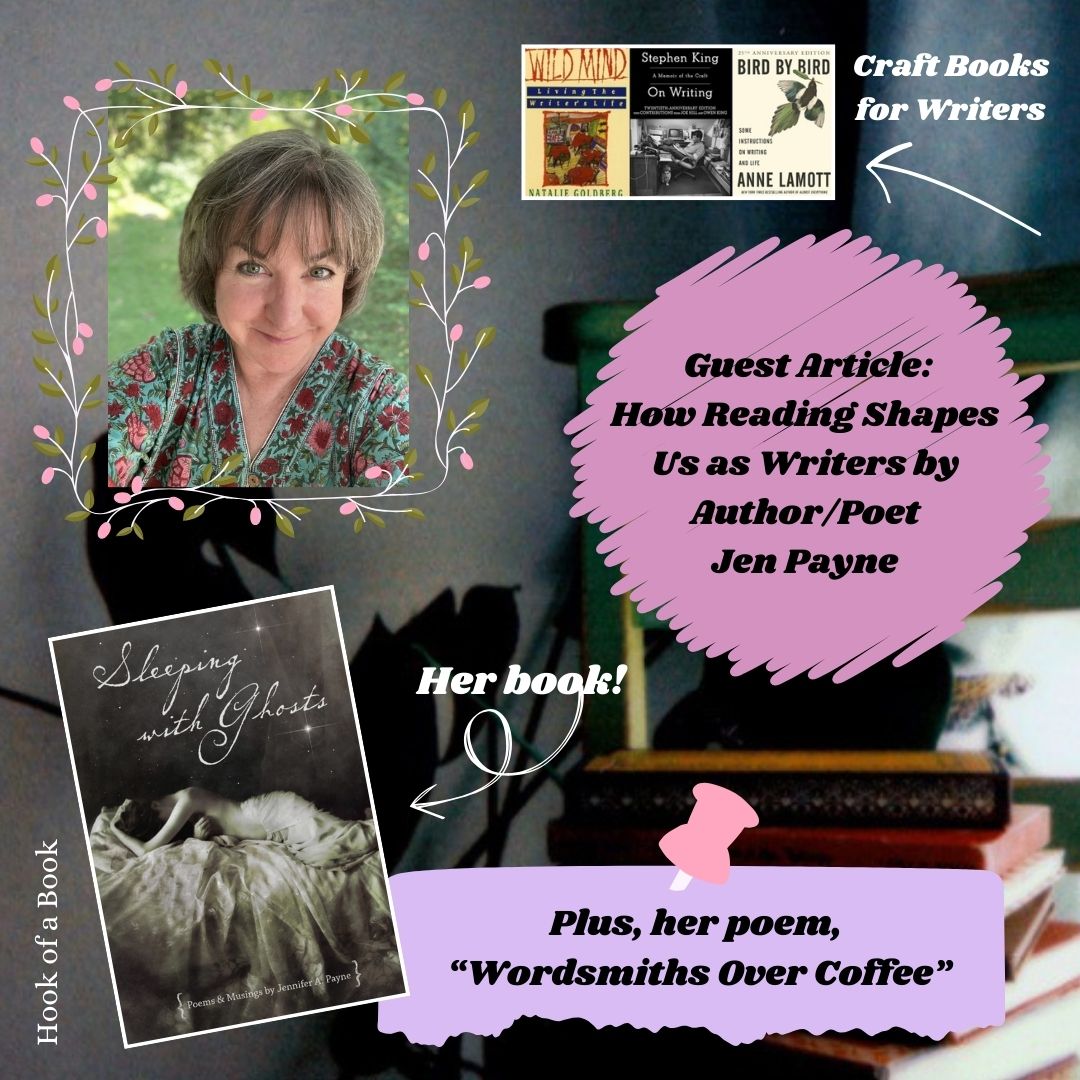
Today’s WOW! Blog Tour finds me over at Erin Al-Mehairi’s blog HOOK OF A BOOK! as a Guest Writer. There’s also a poem preview and some reading recommendations. Check it out!

Categories
Creativity

FEATURED: Sleeping with Ghosts on Madeline Sharples Blog

Today’s WOW! Blog Tour finds me over at Madeline Sharples’ blog CHOICES as a Guest Writer.

Categories
Creativity

GUEST WRITER: The Artwork of Sleeping with Ghosts

by Jen Payne, author, Sleeping with Ghosts

People often comment about the visual nature of my creative work, and how my writing is usually accompanied by photography or artwork.

As a graphic designer, artist, and writer, I firmly believe that partnering visuals and words layers the intentions of my work and makes the communication more palpable.

Two of my previous books, Look Up! Musings on the Nature of Mindfulness and Evidence of Flossing: What We Leave Behind, were as much about the color photographs as they were about the essays and poems. As a matter of fact, the whole concept of the poems in Evidence of Flossing was inspired by a series of photographs I took showing discarded dental flossers in random places.

Odd, I know, but they spoke to the message — our disrespect of nature — in a necessary and immediate way. Sometimes writing takes a while to be absorbed, while images have a speedy hook!

LOOK: THIS IS WHAT I WANT TO TELL YOU! (Read More)

I love that the cover of my new book, Sleeping with Ghosts, does exactly that: it grabs your attention!

The cover photograph is by Polish artist Malgorzata Maj, who I connected with online back in 2015. (Yes, I’ve known the book’s title and have had that photo saved for nine years!)

Małgorzata is a contemporary painter and photographer known for her symbolic nighttime landscapes and ethereal portraits exploring the world of the Unknown. She graduated in 2004 (Olsztyn/Poland) with the title of Master in Arts. Influenced by 19th-century symbolism, her photographic works feature a bold painterly approach to the compositions she depicts. She has exhibited in galleries across the U.S. and Europe, and published her works on numerous book covers and magazines. Today she mostly focuses on traditional media such as oil painting and continues to explore themes and ideas less accessible for photographic medium.

In a bit of happenstance, on her website, Malgorzata says she “explores haunted places, past memories, and hidden feelings and symbols,” which really is the essence of Sleeping with Ghosts.

“Photography has this unique quality of something real and intangible,” she says, “…something that I find difficult to speak about. It is the language of ghosts.”

For the cover, I accented Malgorzata’s photograph with a cluster of stardust that appears in several places within the book. It’s from a series of images in a Lunar Calendar collection by Lana Elanor that includes stars, moons, and constellations.

Elanor is an independent artist from Ukraine who now lives in Tulum, Mexico. She is “a meditative person passionate about art, travel, and the study of the conscious and unconscious mind.”

About her work she says, “I’ve loved creating art for as long as I can remember myself. Only beauty itself is a catalyst for the awakening of this world, so I’m totally in love with the concept to make this place more beautiful than it was when we got here.”

The illustrations that introduce each chapter, and entice the reader from the Table of Contents, are by Ukrainian artist Michael Rayback. I connected with Michael about his art in 2022, and we were both excited to include his work in my book. But Michael lives in Kyiv, and our last correspondence was several months after Russia invaded Ukraine.

I check his social media from time to time, to see if he is back online, but unfortunately, we have not reconnected. When I think of him, I remember this quote I saw on one of his sites:

“Art is self-expression, therefore all that you see here is a part of me. I know many languages of self-expression. I like drawing, I love photo art, cinema is one of the main parts of my life, I like cooking tasty and healthy food. I wake up at five in the morning to be alone and tune in for a new day, and the sun tells me that I’m doing everything right and inspires me to new creativity. I do yoga and meditate. All this helps me to explore myself, I learn something new every day, and every day I try to be a little better.”

Something we can all aspire to, right?

I do hope you appreciate the collaborative nature of Sleeping with Ghosts. Please visit these artists online and discover more of their work!

Malgorzata Maj (Mrągowo, Poland)
www.sarachmet.com

Lana Elanor (Tulum, Mexico)
www.etsy.com/shop/LanaElanor

Michael Rayback (Kyiv, Ukraine)
www.creativemarket.com/michaelrayback

Photos from each artist’s social media bios.


This essay was originally featured in the WOW! Women on Writing national Blog Tour for my book Sleeping with Ghosts: Poems & Musings.

Categories
Creativity

GUEST WRITER: The Importance of Storytelling

by Jen Payne, author, Sleeping with Ghosts

My mother, who is easily insulted, often remembers the time a therapist called her a storyteller. Mom recounts the comment as one might an injustice, and she twists and elongates the word “storyteller” to make it sound as painful as it felt for her.

What’s the old saying? The truth hurts.

That’s the funny thing about my mother’s story — she IS a storyteller. Long before neurodivergent was a word, my mother was making her way through life with the only tools she had, and one of those was storytelling. Often and on repeat. It’s how she relates to the world and people around her.

I have a friend whose mother was also a storyteller. She had a degree in drama, was in numerous theatrical productions, taught children how to act and perform, and went on to start a successful annual storytelling festival. She also found connection in telling stories.

The act of storytelling is as diverse as these two examples and includes four primary forms: oral, visual, written, and digital. Within each of those forms, there are a myriad of vehicles: books and magazines, visual arts, stage, radio, film, television, video, internet.

Consider all of the ways storytelling comes into your own life! It’s part of the fabric of who we are. Think about it! What would we be without our fairytales, folktales, fables, religions, and mythologies? We are built on story!

And quite literally. This is what social scientist Brené Brown, says about storytelling in her book Rising Strong: How the Ability to Reset Transforms the Way We Live, Love, Parent, and Lead.

“We are wired for story. In a culture of scarcity and perfectionism, there’s a surprisingly simple reason we want to own, integrate, and share our stories….We do this because we feel the most alive when we’re connecting with others and being brave with our stories — it’s in our biology. The idea of storytelling has become ubiquitous. It’s a platform for everything from creative movements to marketing strategies. But the idea that we’re “wired for story” is more than a catchy phrase. Neuroeconomist Paul Zack has found that hearing a story — a narrative with a beginning, middle, and end — causes our brains to release cortisol and oxytocin. These chemicals trigger the uniquely human ability to connect, empathize, and make meaning. Story is literally in our DNA.”

Like my mother, I’m also a storyteller. I frequently use analogy and story not only to talk about my own experiences, but to say, “I understand yours, too. Let’s talk about it.” It was Brené Brown who gave me the courage to tell those stories on paper, and who inspired several of my books, including my new collection of poems, Sleeping with Ghosts.

That book, Rising Strong, still sits on my coffee table — dogeared and well-worn — as a reminder to be brave, to show up, and to keep telling my stories. The book ends with her “Manifesto of the Brave and Brokenhearted,” which I’ll share with you here as inspiration for you to tell your own stories because what you have to say — no matter how you say it — is important!

Photo by Kool Shooters/Pexels. Brown, Brené. Rising Strong: How the Ability to Reset Transforms the Way We Live, Love, Parent, and Lead. United States: Random House Publishing Group, 2017.


This essay was originally featured in the WOW! Women on Writing national Blog Tour for my book Sleeping with Ghosts: Poems & Musings.
Categories
Books Creativity

February 12: BOOK SIGNING & ART EXHIBIT

Saturday, February 12, 11:00 a.m. to 1:00 p.m.
BOOK SIGNING & ART EXHIBIT
at Guilford Art Center
411 Church Street, Guilford, CT

• Book Signing with writer Jen Payne
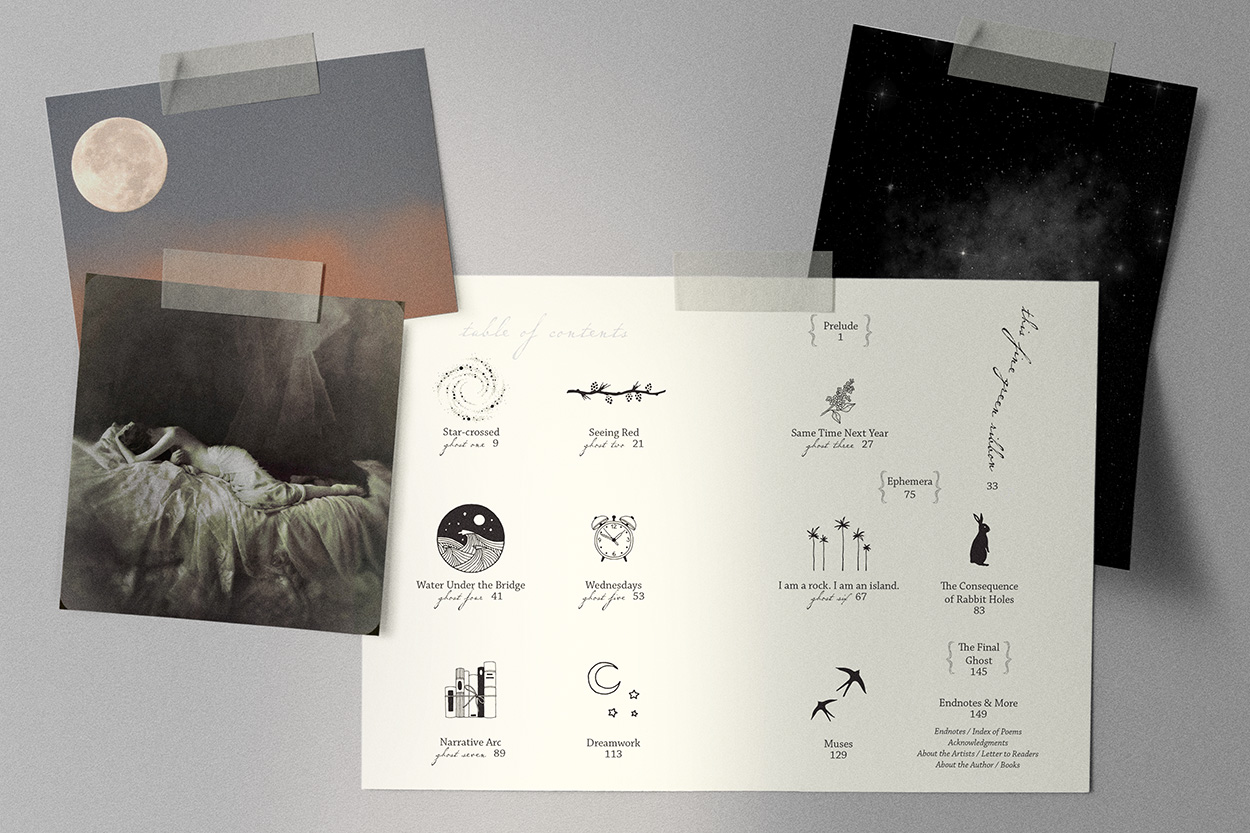
• “Bigger on the Inside,” exhibit by artist Sarah Zar
• Free and open to the community

Connecticut writer Jen Payne has long been inspired by those life moments that move us most — love and loss, joy and disappointment, milestones and turning points — and her new book WATER UNDER THE BRIDGE: A SORT-OF LOVE STORY tells of such a moment. It’s a conversation, a memoir, a love story — just in time for Valentine’s Day!

Told through a series of emails, WATER UNDER THE BRIDGE is the story of two people who reconnect after 15 years apart and work to reconcile their pasts…and futures.

She thought about him often over the years. Looked him up online occasionally to see where he was and if he was all right. It wasn’t until last fall that she found his email address, and several months more before she got up the courage to write.

Influenced by the work of Brené Brown and a proponent of the bravery of storytelling, Payne says WATER UNDER THE BRIDGE is “about having the courage to speak our truths; it’s about trust and vulnerability, and about the true blessings found when we open our hearts — come what may.”

What followed surprised her even more…


Please note, masks are required, regardless of vaccination status, please see current COVID protocols. Snow date: Saturday, February 19.


WATER UNDER THE BRIDGE: A SORT-OF LOVE STORY ($16) will be available at the Shop at Guilford Art Center (411 Church Street, Guilford, CT 06437) and from Three Chairs Publishing.


Jen Payne has published two books of poetry as well as a collection of essays and original photographs. Her work has been featured in numerous publications including the international anthology Coffee Poems: Reflections on Life with Coffee; the Guilford Poets Guild 20th Anniversary Anthology; Waking Up to the Earth: Connecticut Poets in a Time of Global Climate Crisis, edited by Connecticut’s Poet Laureate Margaret Gibson; and The Perch, a publication by the Yale Program for Recovery and Community Health. Payne is the owner of Words by Jen, a graphic design and creative services company founded in 1993. You can read more of her work on her blog Random Acts of Writing, randomactsofwriting.net, and in MANIFEST (zine) which creatively explores concepts of change and transition, solitude, time, storytelling, and finding refuge in these turbulent times.

Sarah Zar is a book-obsessed, multi-disciplinary artist who has exhibited in the U.S. and abroad. Whether drawing, painting, collaging, or sculpting, Zar uses images in a literary, psychological and symbolic way. While finishing her Master’s degree, she played the saw in a gypsy chamber ensemble, taught contemporary art & aesthetics, quantum theory, literary theory, NLP, nonsense cryptology, psychology, and the art of microexpressions. Zar is currently working on community-based artwork in which anyone in the world can be painted into an epic narrative scene about the War on Imagination.

Her specially curated exhibit will be on view in the GAC lobby throughout February.

The Guilford Art Center is a non-profit school, shop, and gallery established to nurture and support excellence in the arts. Through classes for adults and children, gallery programs, a shop of contemporary crafts, and special events, the Center provides opportunities for the public to participate in the arts, to experience their cultural and historical diversity, and to appreciate the process and product of creative work. Founded in 1967, the Center currently serves over 2,000 students, presents juried and invitational exhibits of art in the Center’s gallery and operates a shop of fine, handmade American crafts year-round. The Center also presents the Craft Expo, held on the Guilford Green each year in July, that features works by more than 180 of the country’s most distinguished artisans.

Categories
Creativity

The Sound of Crickets

Did you know that each issue of MANIFEST (zine) includes a Spotify playlist especially curated for readers? For the CRICKETS issue, I had fun playing off the themes of silence, finding one’s voice, and creating from the heart. It features an eclectic set of songs by artists like Disturbed, Grace Carter, Barry Manilow, John Mayer, Natasha Bedingfield, and Brandi Carlile. Take a listen now!

IMAGE: Midsummer Frolic, British Library Digital Library, When Life is Young, Mary Elizabeth Mapes Dodge, 1894.

Categories
Creativity

WHAT’S THAT? Manifest (zine): Crickets

MANIFEST ZINE
Issue #4, Crickets
by Jen Payne

Storytelling is in our DNA says Brené Brown in her book Rising Strong. We share our stories because “we feel most alive when we’re connecting with others and being brave with our stories.” That process, she explains, causes our brains to release cortisol and oxytocin, the chemicals that “trigger the uniquely human ability to connect, empathize, and make meaning.” So we write. And we create. No matter who listens or responds. Crickets be damned.

MANIFEST (zine): Crickets is a riff and a rant about the consequences of creative bravery. It’s a 24-page, full color booklet that includes a curated Spotify playlist for your listening pleasure.


INGREDIENTS: appropriation art, black-out poetry, collaged elements, color copies, colored markers, ephemera, hand-drawn fonts, ink jet copies, laser prints, vintage illustrations, watercolor paints, and “11 Cute Facts About Crickets.”

With THANKS to to the British Library Digital Library, Brené Brown, Leonard Cohen, Carlo Collodi, Francis Crick, Charles Dickens, Mary Elizabeth Mapes Dodge, Natalie Goldberg, Charles d. Orbigny, Pinocchio, George Selden, the Trustees of the British Museum, James Watson, and Margaret J. Wheatley.


Issue #4, Crickets
24-page, full-color 4.25 x 5.5,
Cost: $6.00


BUY NOW or SUBSCRIBE and get 4 issues for just $20!


Categories
Self Care transition

What Treasures Await?

Last week, my nephew and I stopped at the local library for a contactless pickup of some things he’d placed on hold. He exited the lobby with a bag — a large paper grocery bag — full up with treasures, and he couldn’t have looked more excited!

From the backseat, he reached in and tallied his Christmas vacation spoils: the Scooby Doo videos, the Jurassic Park videos, the Captain Underpants book, and other classic 9-year-old contraband. He was giddy at the prospect of so much time and so much to explore!

I must confess, I am feeling likewise giddy at the prospect of 2021. It is giddy tempered by the sadness and grief we’ve all felt about 2020, but it’s a hopeful perspective nonetheless.

And while my bag of booty does not include cartoons and dinosaurs, there are plenty of treasures to yo-ho-ho about.

Just this morning, I signed up for my 9th annual Goodreads Reading Challenge with the promise to try to read 50 books. First up? Brené Brown’s The Gifts of Imperfection: Let Go of Who You Think You’re Supposed to Be and Embrace Who You Are.

You’ll find there’s a running theme here at the top of 2021. I’m all self-improvementy right now, all I’m OK, You’re OK but everything feels like it needs a little work. Everything feels like it needs a good shaking out, really, like it needs (or I need) to be unfurled and hung out on the line to flap in the fresh air for a while.

Do you know what I mean?

Here’s a funny story…

Every year for years, I’ve kept a Vision Board here in my office. It’s included all of the things I hoped to accomplish or dreamed about. Cut out photos, postcards of dream vacations, words and sayings — all compiled to help me manifest my vision. And every morning, I’ve turned on the light, lit incense, and said a little prayer…for years…until it became rote. Rote, uninspired, spirit-less.

My vision had become spirit-less.

So last January when my friend Judith suggested I take everything off the bulletin board, I was only momentarily stunned. Stunned, then inspired.

In retrospect, I think that blank Vision Board and its lack of expectations is what saved me in 2020, what kept me sane and above water while the waves of quarantine, isolation, loss, and detachment crashed over our heads.

But it’s 2021, a gorgeous blank page at the beginning of a new chapter!

In preparation, I bought some colored pens and a new journal. Collaged its cover with purples and reds and gold leaf!

I’ve consulted the angels, petitioned the runes, and created a simple list of self-care intentions.

I am journaling now with kindred spirit Susannah Conway, unraveling my year in a series of questions and writing prompts.

I’m taking an online workshop called Finish Strong, Start Stronger, hosted by the lovely and loving Emily Fletcher.

I’m meditating on the one Word that will guide and inspire me in 2021.

And I’m gathering special pieces for a new Vision Board, creating delicious treasures to seek out in the coming year.

There’s no pressure, no grand expectations or plans, just a beautiful bag of spoils to be had if I just reach in…

©2021, Jen Payne. Photo by Davis Bartus.

A GIFT FOR YOU…