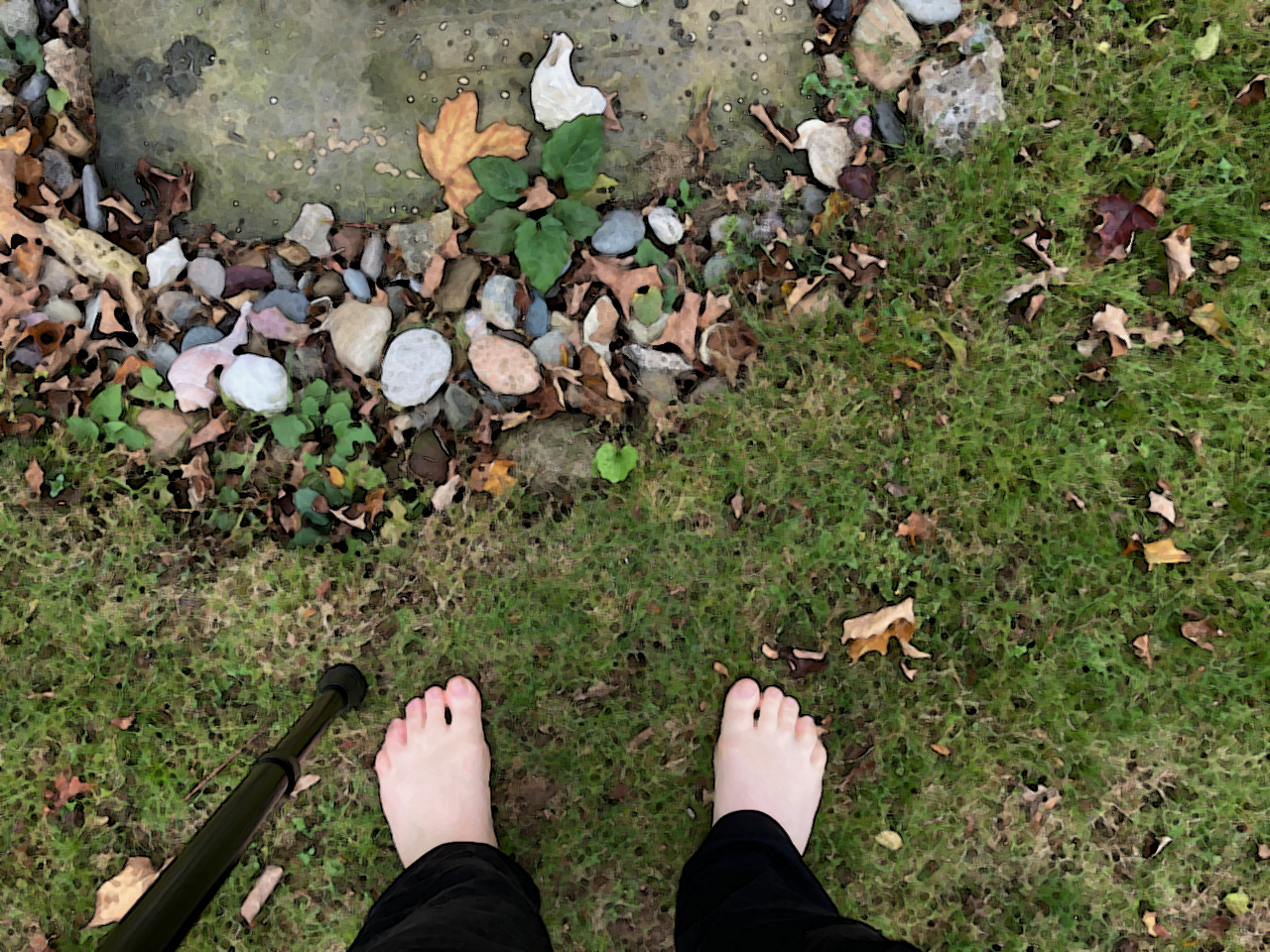
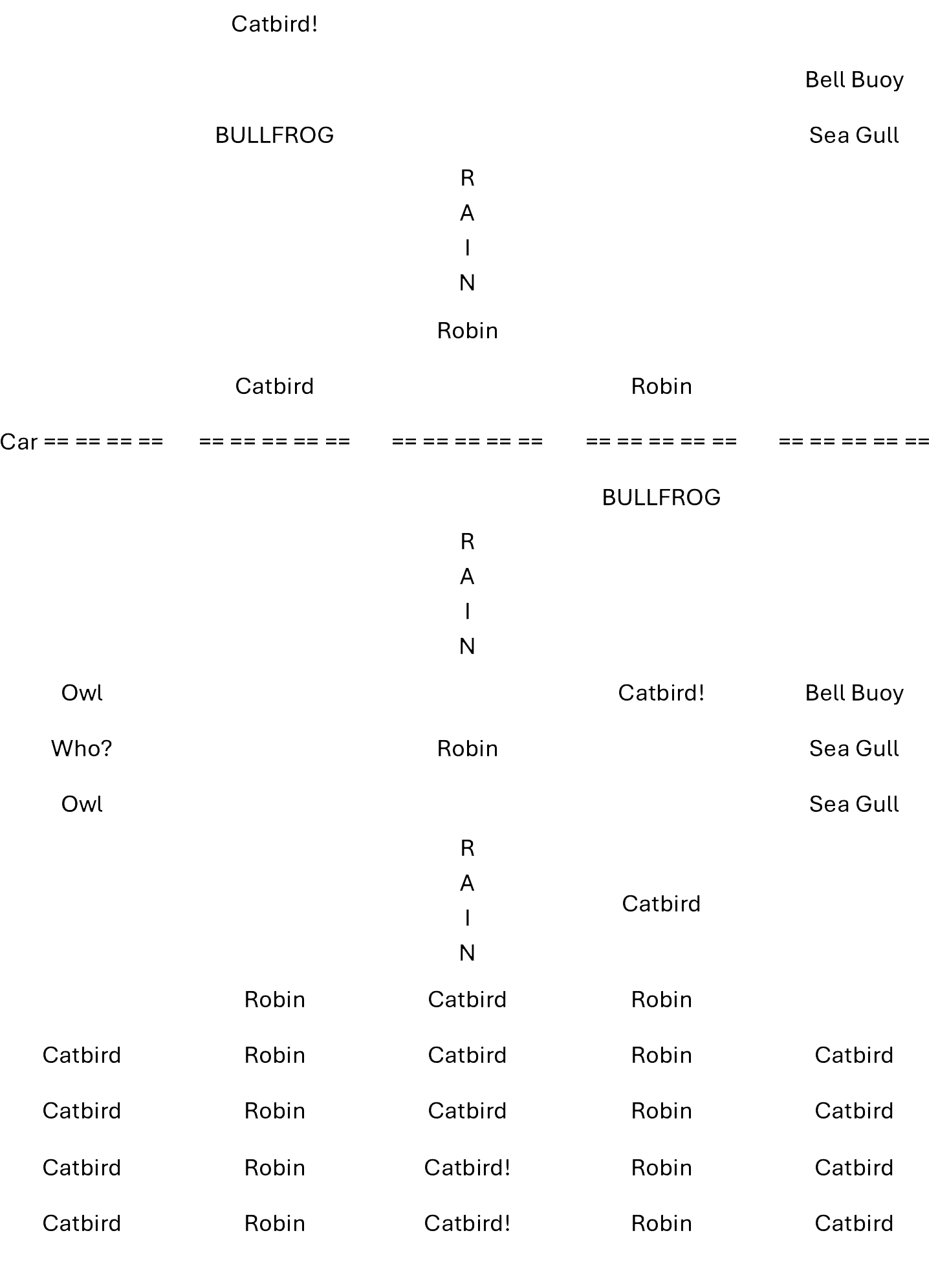
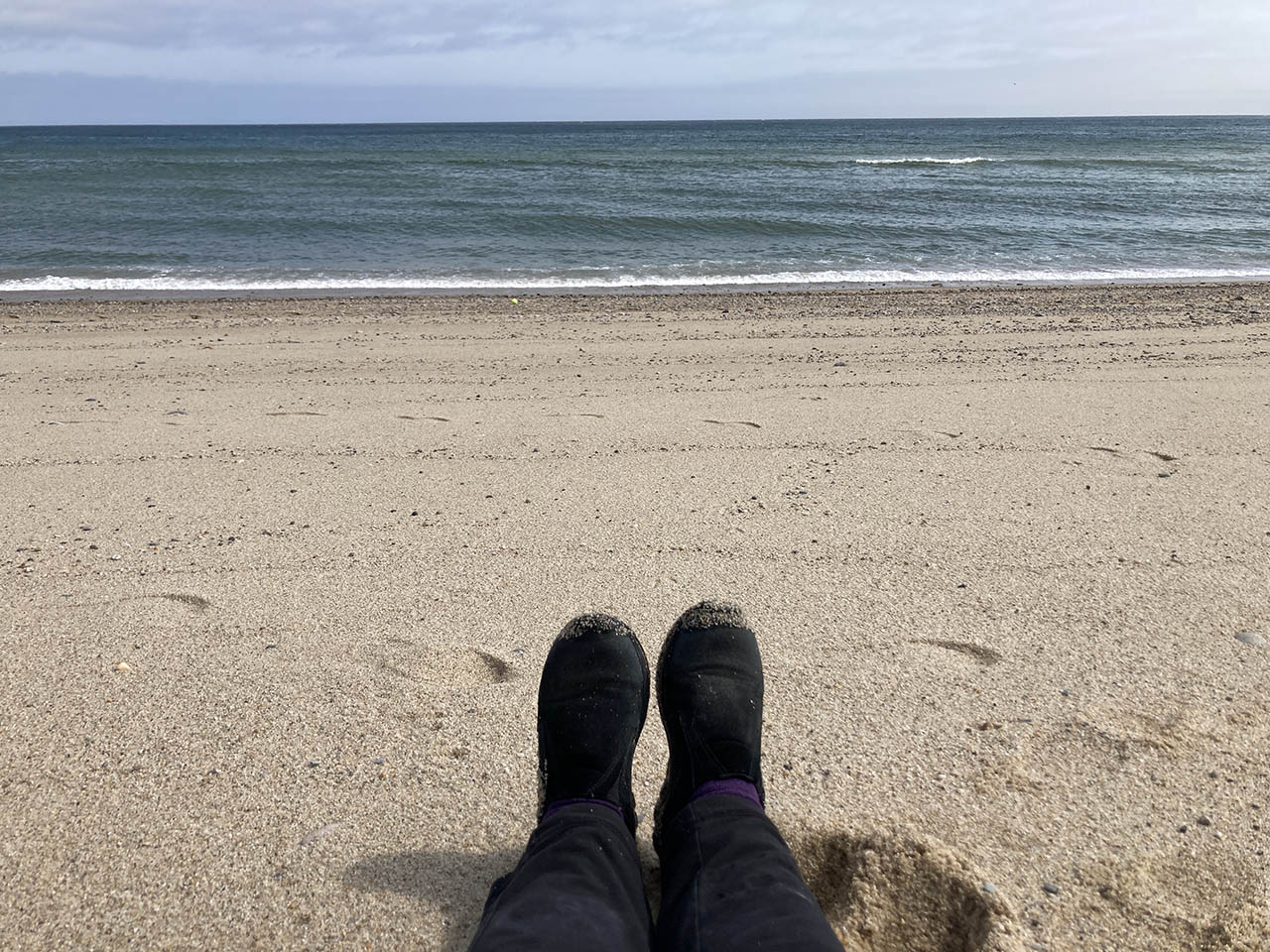
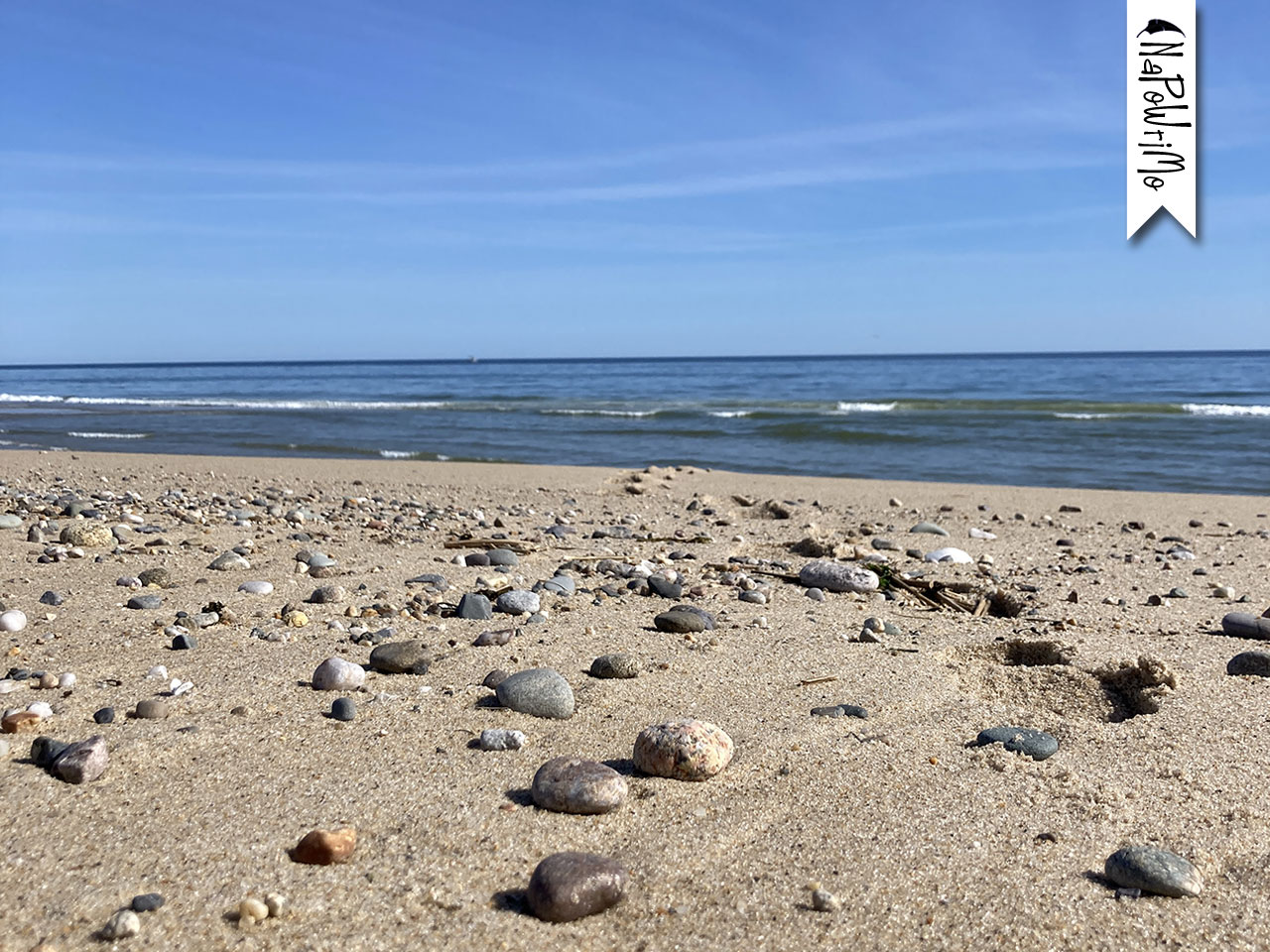
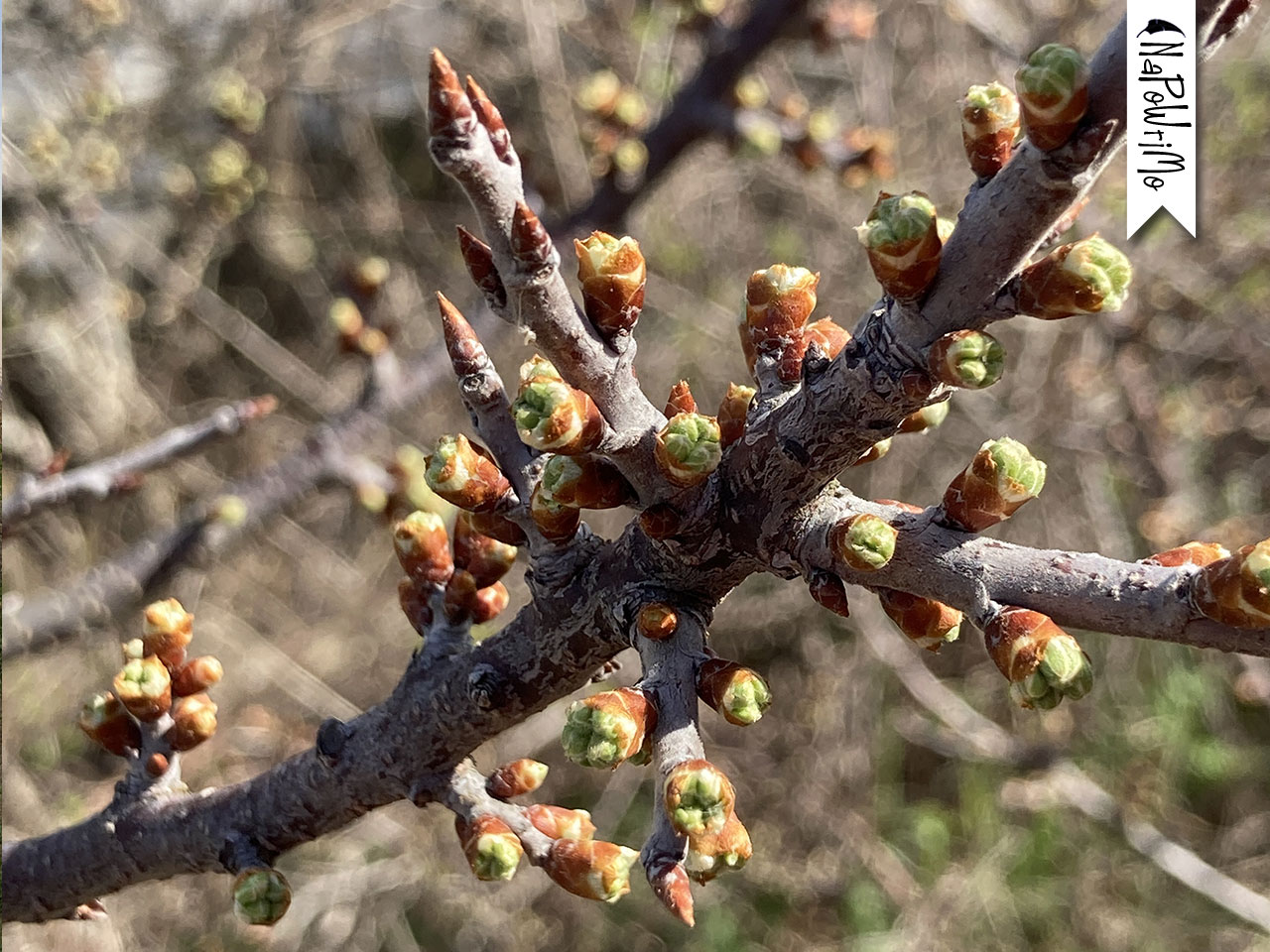
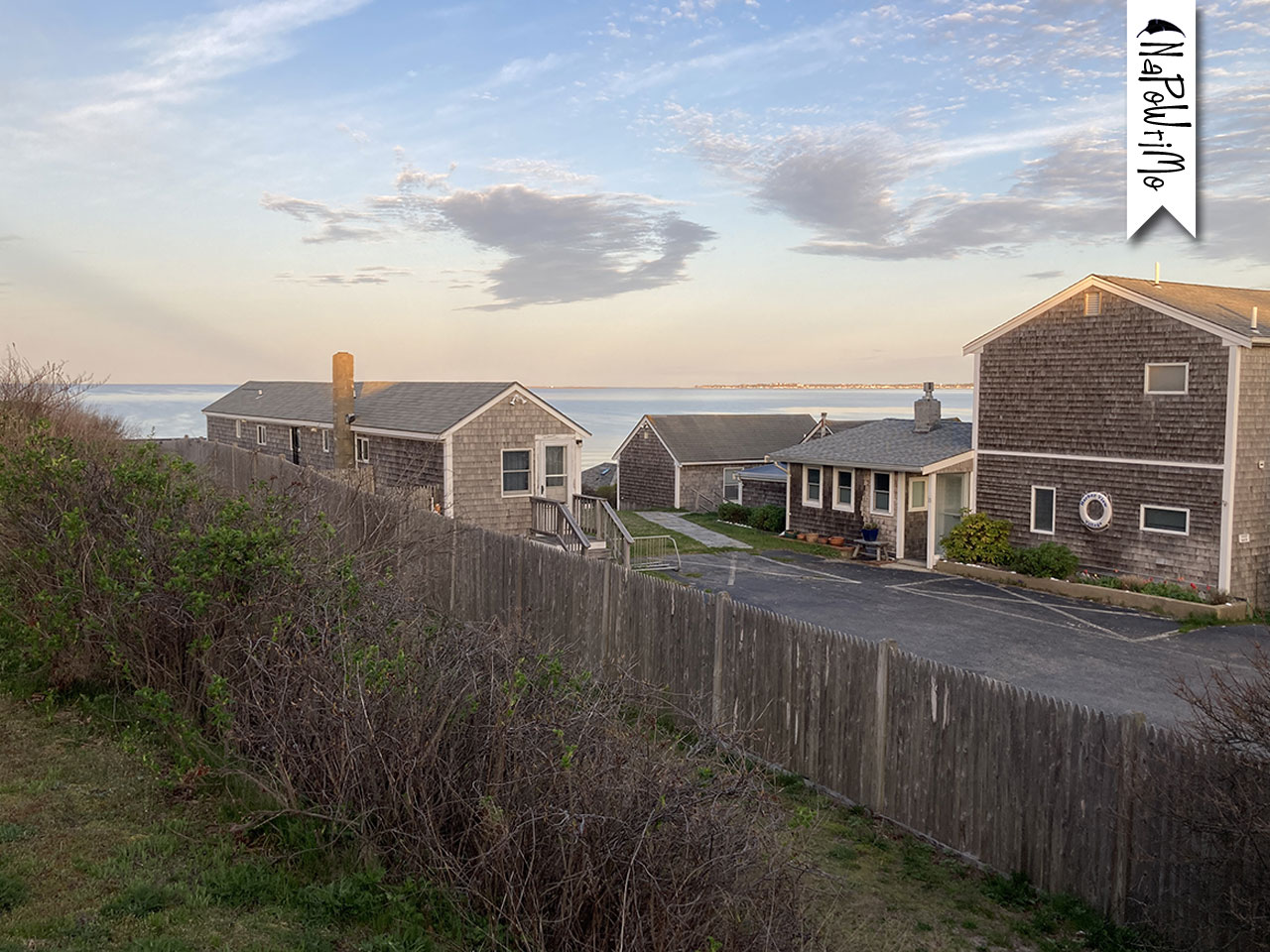
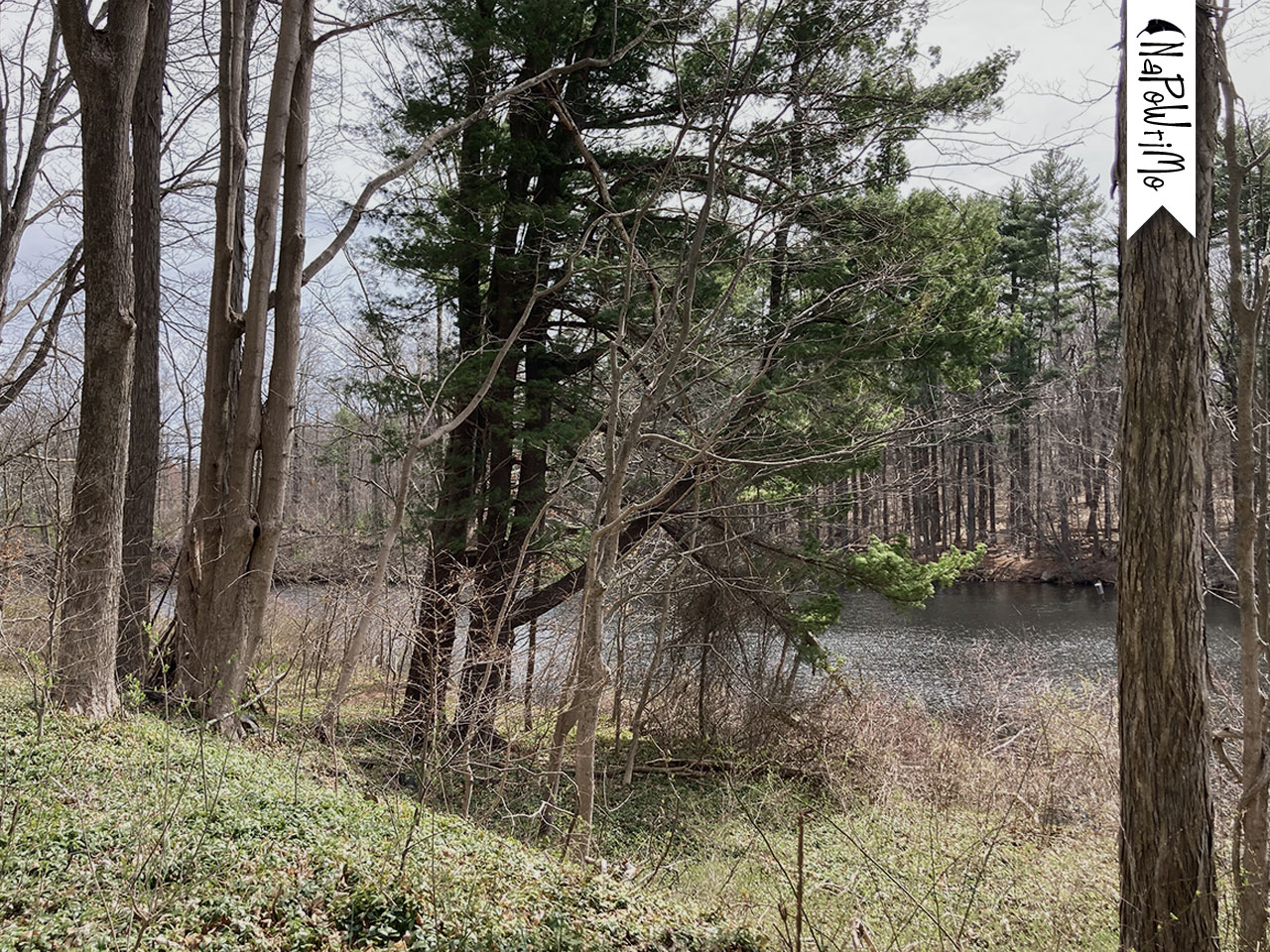
Do the birds know I am not myself moving gently towards them seeds in one pocket water in the other barefoot in the cool, damp grass tticking to call the cardinals tticking to say I have not forgotten you I have been here all along just moving more slowly finding my way to solid ground done with the flitterings of grief and old limitations — so what of loss? these leaves had to fall it is the natural order churning and churning everything changing the leaves, the river, and time tticking too
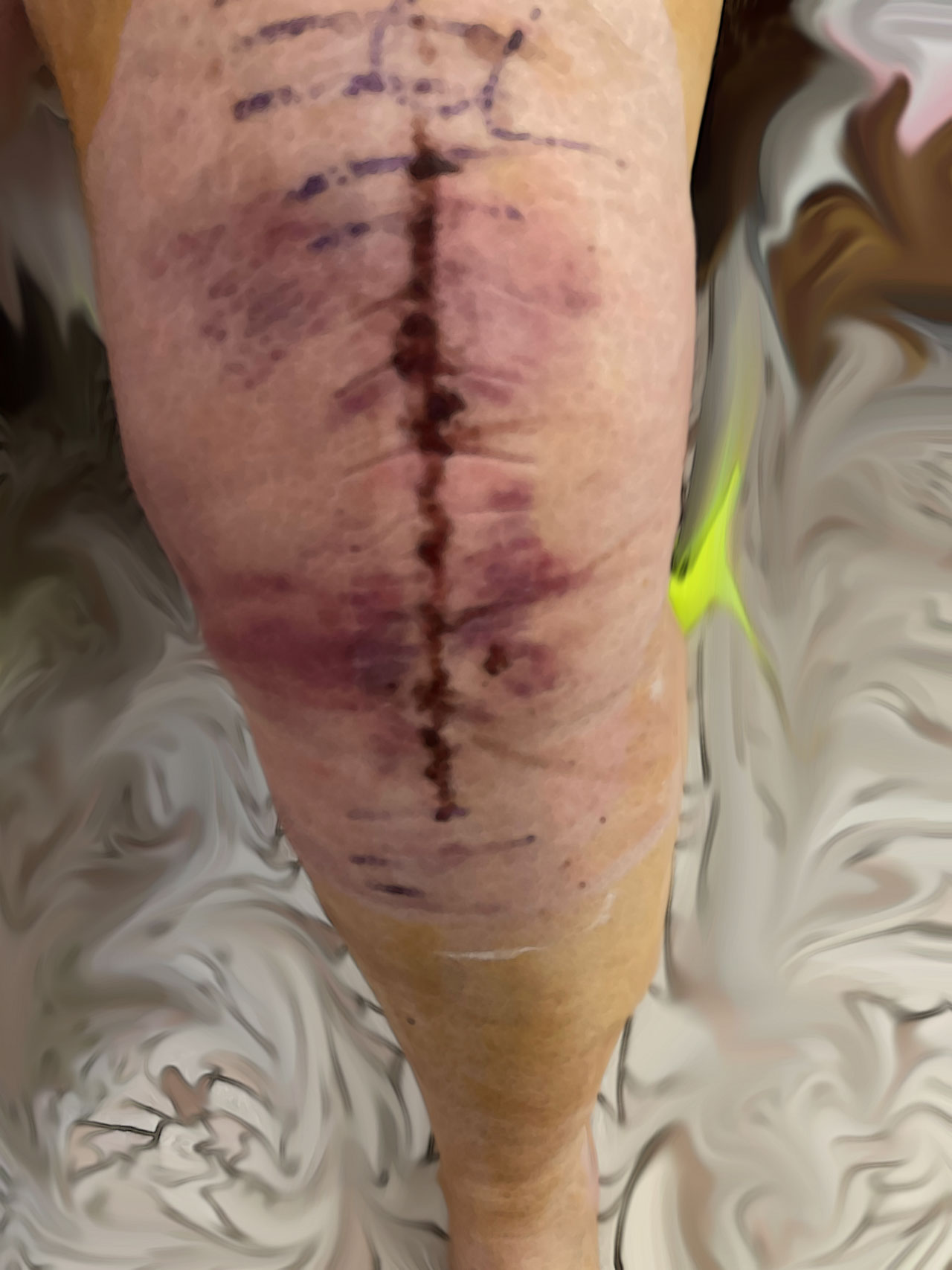
The 8″ battle scar explains the retreat in glorious, punctuated detail so no apologies or all apologies for having been absent from duty absent from craft absent from self our tactical strategy required split-second timing a vanguard deployment of the strongest self armed and ready for the battle of chemical warfare and severed skin, of breaking bones and hammered metals; while the correspondent self held the flank, taking cryptic notes to send by wire later, when the haze cleared.
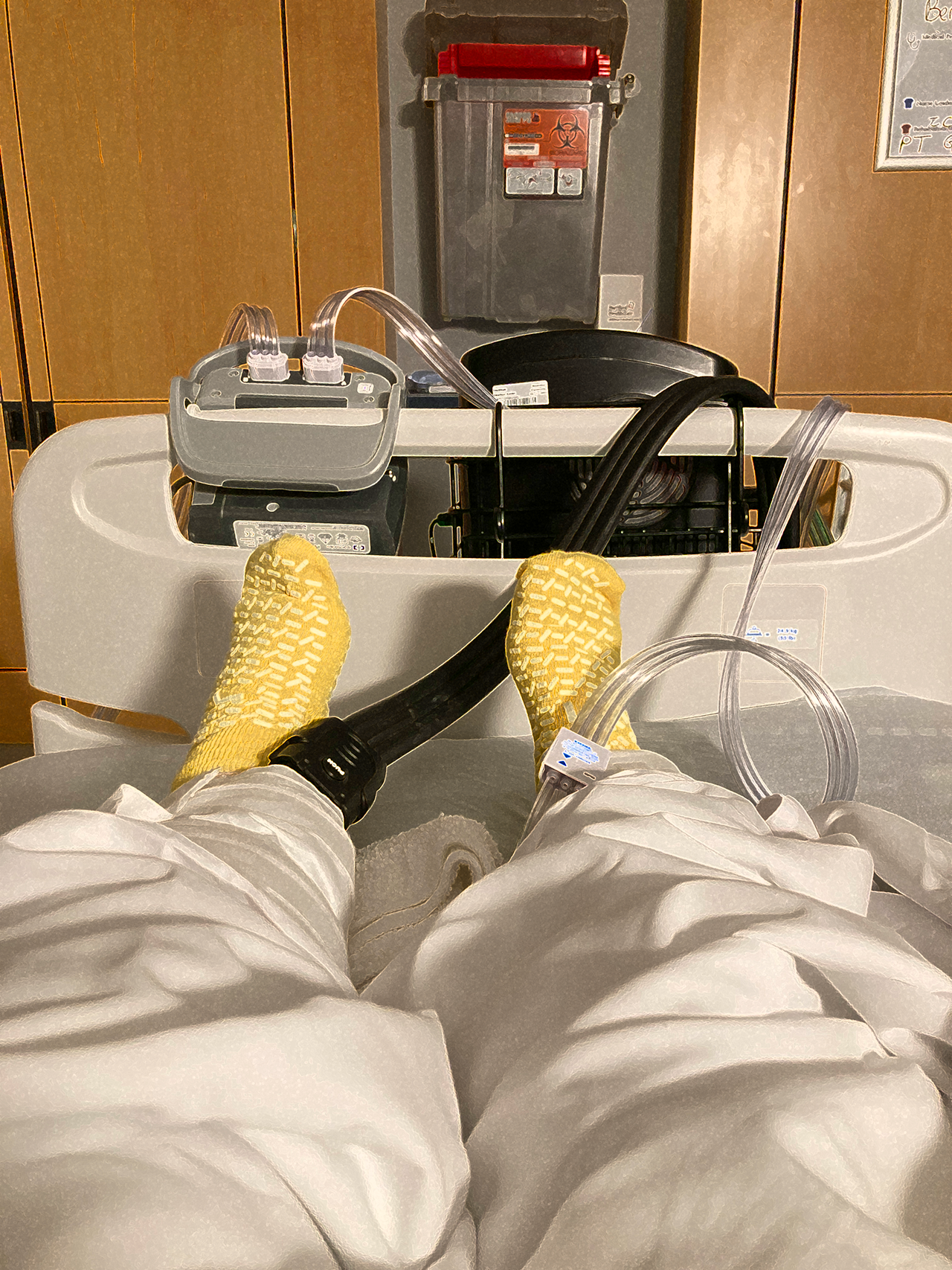
a poem inspired by Stranger Things, post-op drugs, and him again
The meditation takes me to the Upside Down — a crossover of dreams and Spielberg memories, where muses suddenly appear with the Next Great Idea! on a dark plane of black water, the beaming light of What Comes After This; but he is there, too, and I say the goodbye I never get to say except in dreams and poems I want to fold up and leave in secret places, like the Upside Down, where maybe he travels sometimes, this kindred spirit who is so familiar I am always certain we have crossed paths in some other life… or is that just this rich, deep darkness of conjuring? the magic of a poet turning things over to see what might be, maybe, substance for another poem?
A bird in the privet suddenly sings and without evidence of prey I can only surmise that she is dreaming. It’s a morning for dreaming, crisp-cold and clear, the moon and Jupiter still dance while constellations shimmer to the rhythm and she is singing in her sleep, a sweet but startled sound as if she feels our spinning, senses the sun’s fast approach wishes for one more hour of peace before the day begins.
It’s 9 o’clock my time barely three for you but it’s no matter we’re decades apart — not hours — only ghosts here in the library where I race to find the book I need you to read before the alarm goes off and I wake to the day where it’s just a fine gold thread that connects us now.
I pass long tall stacks of coffee table books and the bust of Blackstone in the halls of recorded memory — yours and mine — and you seem not to notice the immediacy of the moment when I approach with insistence, your retired posture almost welcome were it not for the clock ticking next to me in the bed we used to share,
but by then the words have disappeared from the pages in your lap and in exchange, a collage of nonsensical images fall to the ground at your feet rendering me speechless in that dreamworld way, paralyzed by all I have left to say, gasping for moonlit breaths.
In the dark you whisper your worst fears made manifest by explosive lights and sounds you conjure in the woods outside our room, specters stretched tall along walls the shadow of what comes, but I am not afraid of your ghosts nor you of mine — we’ve never been — it is why we find ourselves here again partners in crimes of comfort and concoctions; I leave my dreams to curl into yours, stroke the broad arm of your embrace, lie in the darkness of silent understanding, this midnight love come round, the long wide bed, moonlight and stars our afterlife dreams.
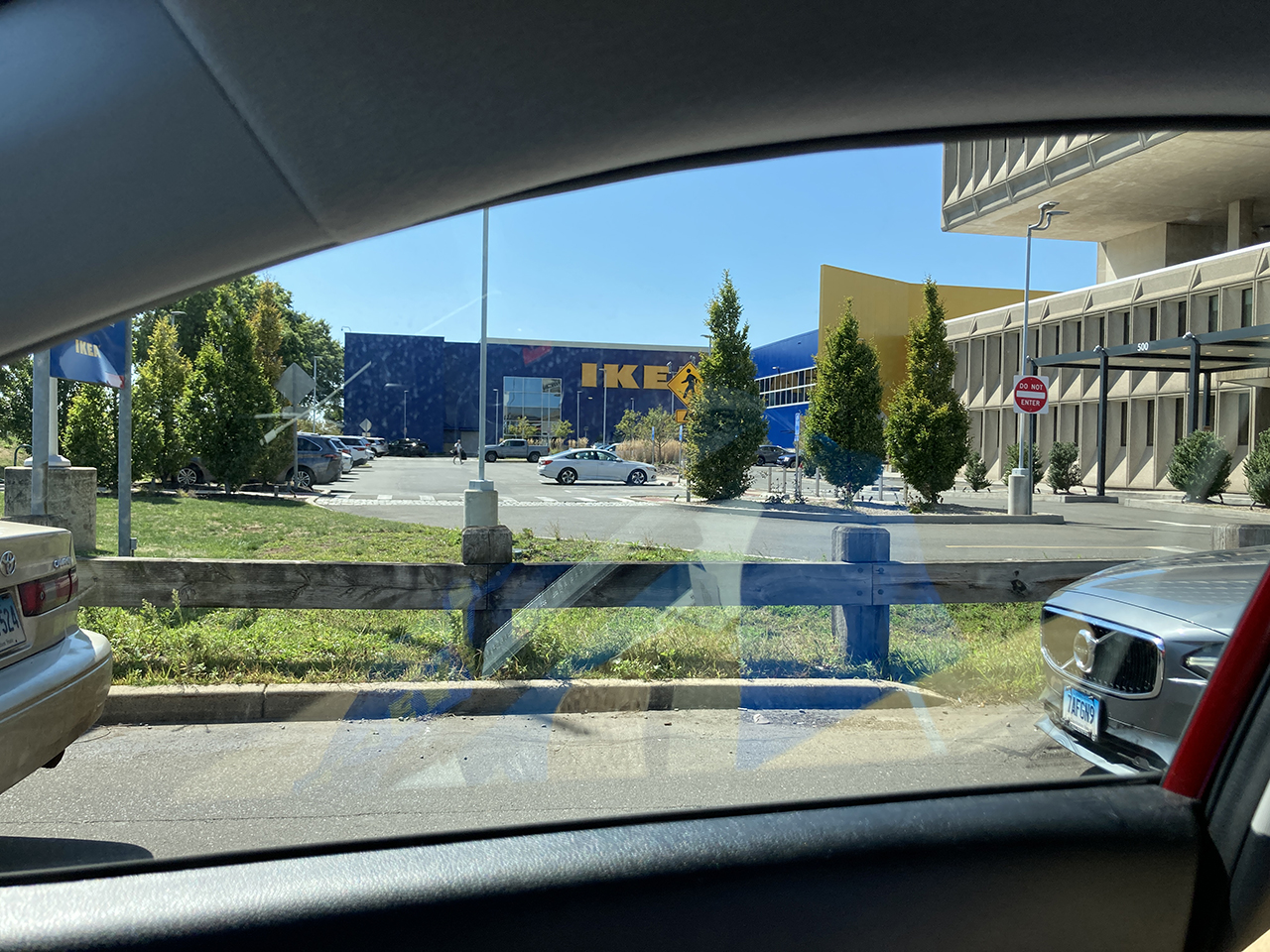
Resisting the urge (for the seventh or eighth time in two days) to hoist the parking lot flag back up to full mast in some alter-ego Fuck Donald Trump ninja subterfuge, I remind myself to breathe in the gorgeous late summer afternoon there in the shadow of Ikea — monument of consumerism — gorgeous, except for the Spotted Lanternfly that crosses my path begging me to squash its red polka-dotted guts out; more death on these days of infinite death I cannot bear; it might be feast for the songbird trapped in the cafeteria throwing itself again and again and again against the ceiling-high windows, their pretense of sky; it does not stop seeking what it remembers, the poor thing, but is that Futility or Hope I wonder as I read signs about food waste and recycling, the 3,920 solar panels on the roof above my head, feast on Swedish meatballs covered in slick red jam.
You are legend suddenly made flesh but no comparison to the mythology I have constructed for you. its scaffolding felled akimbo by your presence, poetry strewn in incomplete sentences across the timeline; mere mortals are not made for this; we fail by our very nature, destroy the sacred altars of memory, light fires to its sweetness, and burn down walls of forgetfulness; best put you back in the box, close the lid tightly before even Hope escapes the happy ending I wrote on our behalf
Maybe it was the full moon or just the occurrence of these days of ending things crashing around us the long slow molting I want you to know I tell him in case I die… but I am no longer sure if that was real or something I said to a ghost
They all come to visit lately by happenstance or dream by the cosmic dust that connects all of us or through airwaves as cluttered as our atmosphere
Last night I walked with one — a ghost — along a woods road up into a wide field of apple trees and goldenrod laughing like old friends
And it was so good to see him again that I burrowed back into sleep in case he was still there waiting
Sometimes when they hover like this converge in dream spaces whisper in dark corners I think I must be dying And this is our mea culpa our chance to set things right finally or again
I never could see it in myself, that origami fold of accommodation, beautiful in its grace and considerations, but the creases wear thin after a while;
I see it in her, this kindred spirit across from me; offer silent permission with a glance and watch as she unfolds just a little, reconfigures her angles to her own liking, sets things right, sets things free.
At 6:15 this morning I had the thought I should drive to Pennsylvania. Sit at my father’s graveside for a while. Talk about all of the things that have changed in the 30 years since we buried him there, the all of us still in shock about the accident, the sudden death, the things we’d left unsaid.
Thirty years is a long time — almost half my life now — there would be a lot to say.
I hadn’t thought of a cemetery visit, made a plan. The grief is so subtle now, with no demands for place and time. It comes as it will come, whether I am sitting there among rows of stones, or sitting in the woods communing with the spirit of everything.
So that was my choice — the spirit of everything in the woods early this morning, and I was happy for the solitude, the Sunday morning quiet.
While I hoped for a sign — he often appears as Hawk — or a voice on the wind, what I found was gratitude.
A deep and unyielding gratitude for how very well he raised me, how strong he taught me to be; for his laugh and the stick-with-it, positive way he approached life; for his encouragement to dream big and love big.
My favorite story about my Dad was the time he took me sledding when I was about four-and-a-half. He set me up on the sled at the top of a rather large hill and reminded me to steer left when I got to the tree. But I got my left and right mixed up and hit the tree straight on — requiring a race to the emergency room and ten stitches. A few weeks later, he brought me back to that hill and told me to open the glove compartment. Inside was the bloody rag he’d held to my forehead — it was a no-pain-no-gain moment. Then he made get on the sled and go back down the hill because…“When you fall off the horse, you get right back on.”
These days we call that tenacity, perseverance, courage, strength, resilience — all of the things that got 29-year-old me standing graveside to this version of me now. I like to think he’d be really proud.
I stayed too long in dreams so much the day seems flat and one dimension; in my mind, the sander still polishes the leg of the man who said “the body always feels pain” as sawdust coats my throat too much for words; a crystal-blue rain falls with wicked gold lightening against the wide horizon somewhere along I-90 in South Dakota, an angel floating in the back seat laughs at what we forgot to say, urges me to Drive! Drive! Drive! as if I am escaping something; all the while my mind ticks, like a clock pacing time, thinking how to slip you a note handwritten that says 808.81 and nothing more, you’re the Sherlock Holmes, you figure it out; all these years, the conversations in my head and you, deaf and blind or just resigned to dreams like me, this morning, wasting days away before the knives cut out pieces of me again, remember? Like the last time you were here, the both of us relieved to hear “she made it.”
The friend who found me after I lost you died and so I lost her, too
there’s a long list of others lost for various reasons since then
by default by accident by misfortune or miscalculation or by the eventuality that all things change and nothing is certain
certainly not love I’ve lost that, too, too many times
so many times I’ve stopped counting one, two, three… out loud anyway
do you ever wonder why we find them again? in hallways of dreams, in lobbies of random buildings doors opening and closing and time passing on all sides everywhere except where you stand momentarily lost and found and lost again
there will always be more to say a one thing I didn’t mention a question I needed to ask a reassurance or gratitude or words I never, ever spoke out loud a messy, beautiful bouquet things I’ve gathered for the next time we meet by chance or happenstance petals dropping even as I walk away a meadow of words at my feet forget-me-not nor I you, ever
AN INTIMATE EXPLORATION OF LOVE, MEMORY, AND MEANING
Known for her meditations and musings about our outside world, Connecticut writer Jen Payne takes readers inside this time…into the heart and mind of a poet, where memories wander, hearts break, and ghosts appear in dreams. Those ghosts — her lovers, soulmates, and muses — reveal themselves slowly, one at a time, in this wistfully reflective, time-traveling memoir.
His smile was Errol Flynn from the get-go, and he made no apologies for the affect — the tight jeans and cowboy boots, the crisp white t-shirt sleeves rolled, suntanned arms, the hair done up and over, the cologne as alluring as the charm he used to catch your attention. And once he had it, he’d reel you in slow and steady, until you would agree to anything everything and never look back, not even now, all these years later, where he remains as legendary as he was those first early days when you rode the high seas together, stared up at the wild stars and knew you would never ever forget.
I remember with much fondness my local library’s summer reading programs. There was a large bulletin board with a hand-drawn map or roadway, and construction paper vehicles that we could move forward depending on how many books we had read.
Even now, I have a deep sweet memory of the summers when I was 11, 12, 13: riding my bike downtown, getting ice cream at the docks, and cooling off in the library lobby, before climbing the steps to the Children’s Room presided over by Mrs. Mays.
Thank you Maribeth Breen, Henry Carter Hull Library, for these photos of Lynnabeth Mays.
Those were the years of Nancy Drew and the Hardy Boys, and authors like Judy Blume, Roald Dahl, and Beverly Cleary. Back then, all the magic of the world was held within the pages of their books!
This could explain my penchant for all things fiction, especially in the summer, when my To Be Read (TBR) list still includes magical realism, fantasy, and young adult novels.
Speaking of TBR lists, earlier this year — in an effort to stop feeding the Amazon machine — I switched from Goodreads to StoryGraph to keep track of my reads and want-to-reads. It’s a nice, easy-to-use application that even has an annual reading challenge, which I’ve been doing on Goodreads since 2013 — old habits die hard, Mrs. Mays.
Have you heard of StoryGraph? Its a social cataloguing web platform for books that includes book profiles, reviews, and reader data. It was created by British software engineer Nadia Odunayo in 2019. Odunayo is kind of a rock star really, as StoryGraph currently has more than 3.5 million users! Watch an interview with her on the Today show, or sign up for StoryGraph here.
I’d share a link to my current StoryGraph Reading Challenge page, but I’m afraid I am woefully behind in my reading this year. Thirteen books behind, to be precise, and I doubt I’ll catch up. I blame it on 2025, which is giving wicked 2020 vibes, and my focus is following suit.
While my Books I’ve Read list is relatively short for the year, my TBR List keeps growing and growing. It’s at 526 books right now, which is 17 years’ worth of reading at my current pace.
I’m trying to weed out some of the older listings, like the dozen or so books I added in 2020 while researching how to become a hermit. A lot of those 526 are out-of-print, or notes to self, or other books by my favorite authors. Some come from reading quizzes that add “should books” to the list — as in “someday I really should read In Search of Lost Time” or “I really should read some Jane Austen.”
Try your hand at one of these quizzes and see how many books you add to your TBR list!
As for my own Summer Reading, I have a short stack of books in my literal TBR pile: The Murderbot Diaries, Martha Wells, The Staircase in the Woods, Chuck Wendig, Wake the Wild Creatures, Nova Ren Suma, Life Hacks for a Little Alien, Alice Franklin, The Postcard, Anne Berest, and Poetry Will Save Your Life, Jill Bialosky.
What’s on your TBR pile this summer?
If you are in need of things to do, especially on the steamier days, stop by your local library. Many of them have summer reading programs for grown-ups as well as kids!
Did you know that WORDS BY JEN offers book design and publishing services? We’ve helped dozens of local authors publish their writing — from art books and cookbooks, to poetry books, works of fiction, history books, and memoirs.
Our publishing work has been praised by the Eric Hoffer Book Awards, Foreword Magazine, Independent Publisher Book Awards, International Book of the Month Club, New York Public Library Best Books, US Review of Books, Voice of Youth Advocates Magazine, and the Young Adult Library Services Association.
Have you always wanted to write and publish a book? Then give us a call to find out about…
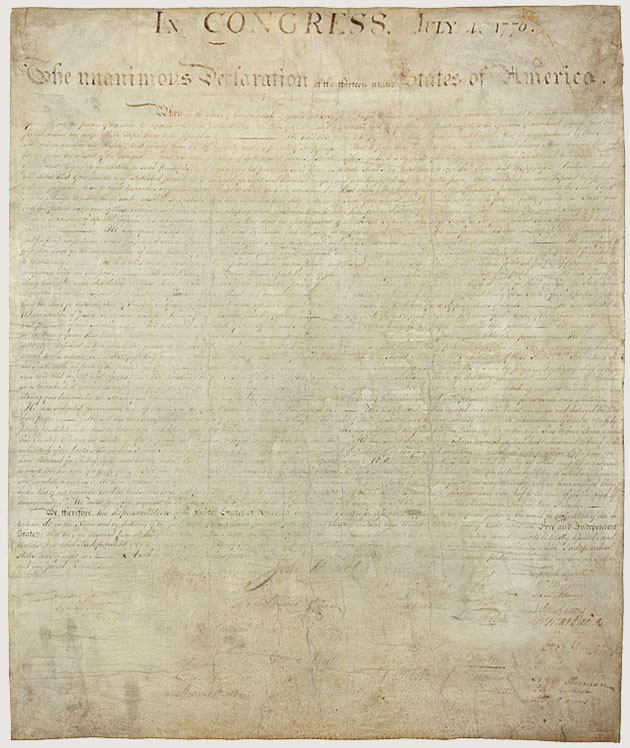
The unanimous Declaration of the thirteen united States of America, When in the Course of human events, it becomes necessary for one people to dissolve the political bands which have connected them with another, and to assume among the powers of the earth, the separate and equal station to which the Laws of Nature and of Nature’s God entitle them, a decent respect to the opinions of mankind requires that they should declare the causes which impel them to the separation.
We hold these truths to be self-evident, that all men are created equal, that they are endowed by their Creator with certain unalienable Rights, that among these are Life, Liberty and the pursuit of Happiness.–That to secure these rights, Governments are instituted among Men, deriving their just powers from the consent of the governed, —That whenever any Form of Government becomes destructive of these ends, it is the Right of the People to alter or to abolish it, and to institute new Government, laying its foundation on such principles and organizing its powers in such form, as to them shall seem most likely to effect their Safety and Happiness. Prudence, indeed, will dictate that Governments long established should not be changed for light and transient causes; and accordingly all experience hath shewn, that mankind are more disposed to suffer, while evils are sufferable, than to right themselves by abolishing the forms to which they are accustomed. But when a long train of abuses and usurpations, pursuing invariably the same Object evinces a design to reduce them under absolute Despotism, it is their right, it is their duty, to throw off such Government, and to provide new Guards for their future security.–Such has been the patient sufferance of these Colonies; and such is now the necessity which constrains them to alter their former Systems of Government. The history of the present King of Great Britain is a history of repeated injuries and usurpations, all having in direct object the establishment of an absolute Tyranny over these States. To prove this, let Facts be submitted to a candid world.
He has refused his Assent to Laws, the most wholesome and necessary for the public good.
He has forbidden his Governors to pass Laws of immediate and pressing importance, unless suspended in their operation till his Assent should be obtained; and when so suspended, he has utterly neglected to attend to them.
He has refused to pass other Laws for the accommodation of large districts of people, unless those people would relinquish the right of Representation in the Legislature, a right inestimable to them and formidable to tyrants only.
He has called together legislative bodies at places unusual, uncomfortable, and distant from the depository of their public Records, for the sole purpose of fatiguing them into compliance with his measures.
He has dissolved Representative Houses repeatedly, for opposing with manly firmness his invasions on the rights of the people.
He has refused for a long time, after such dissolutions, to cause others to be elected; whereby the Legislative powers, incapable of Annihilation, have returned to the People at large for their exercise; the State remaining in the mean time exposed to all the dangers of invasion from without, and convulsions within.
He has endeavoured to prevent the population of these States; for that purpose obstructing the Laws for Naturalization of Foreigners; refusing to pass others to encourage their migrations hither, and raising the conditions of new Appropriations of Lands.
He has obstructed the Administration of Justice, by refusing his Assent to Laws for establishing Judiciary powers.
He has made Judges dependent on his Will alone, for the tenure of their offices, and the amount and payment of their salaries.
He has erected a multitude of New Offices, and sent hither swarms of Officers to harrass our people, and eat out their substance.
He has kept among us, in times of peace, Standing Armies without the Consent of our legislatures.
He has affected to render the Military independent of and superior to the Civil power.
He has combined with others to subject us to a jurisdiction foreign to our constitution, and unacknowledged by our laws; giving his Assent to their Acts of pretended Legislation:
For Quartering large bodies of armed troops among us:
For protecting them, by a mock Trial, from punishment for any Murders which they should commit on the Inhabitants of these States:
For cutting off our Trade with all parts of the world:
For imposing Taxes on us without our Consent:
For depriving us in many cases, of the benefits of Trial by Jury:
For transporting us beyond Seas to be tried for pretended offences:
For abolishing the free System of English Laws in a neighbouring Province, establishing therein an Arbitrary government, and enlarging its Boundaries so as to render it at once an example and fit instrument for introducing the same absolute rule into these Colonies:
For taking away our Charters, abolishing our most valuable Laws, and altering fundamentally the Forms of our Governments:
For suspending our own Legislatures, and declaring themselves invested with power to legislate for us in all cases whatsoever.
He has abdicated Government here, by declaring us out of his Protection and waging War against us.
He has plundered our seas, ravaged our Coasts, burnt our towns, and destroyed the lives of our people.
He is at this time transporting large Armies of foreign Mercenaries to compleat the works of death, desolation and tyranny, already begun with circumstances of Cruelty & perfidy scarcely paralleled in the most barbarous ages, and totally unworthy the Head of a civilized nation.
He has constrained our fellow Citizens taken Captive on the high Seas to bear Arms against their Country, to become the executioners of their friends and Brethren, or to fall themselves by their Hands.
He has excited domestic insurrections amongst us, and has endeavoured to bring on the inhabitants of our frontiers, the merciless Indian Savages, whose known rule of warfare, is an undistinguished destruction of all ages, sexes and conditions.
In every stage of these Oppressions We have Petitioned for Redress in the most humble terms: Our repeated Petitions have been answered only by repeated injury. A Prince, whose character is thus marked by every act which may define a Tyrant, is unfit to be the ruler of a free people.
Nor have We been wanting in attentions to our Brittish brethren. We have warned them from time to time of attempts by their legislature to extend an unwarrantable jurisdiction over us. We have reminded them of the circumstances of our emigration and settlement here. We have appealed to their native justice and magnanimity, and we have conjured them by the ties of our common kindred to disavow these usurpations, which, would inevitably interrupt our connections and correspondence. They too have been deaf to the voice of justice and of consanguinity. We must, therefore, acquiesce in the necessity, which denounces our Separation, and hold them, as we hold the rest of mankind, Enemies in War, in Peace Friends.
We, therefore, the Representatives of the united States of America, in General Congress, Assembled, appealing to the Supreme Judge of the world for the rectitude of our intentions, do, in the Name, and by Authority of the good People of these Colonies, solemnly publish and declare, That these United Colonies are, and of Right ought to be Free and Independent States; that they are Absolved from all Allegiance to the British Crown, and that all political connection between them and the State of Great Britain, is and ought to be totally dissolved; and that as Free and Independent States, they have full Power to levy War, conclude Peace, contract Alliances, establish Commerce, and to do all other Acts and Things which Independent States may of right do. And for the support of this Declaration, with a firm reliance on the protection of divine Providence, we mutually pledge to each other our Lives, our Fortunes and our sacred Honor.
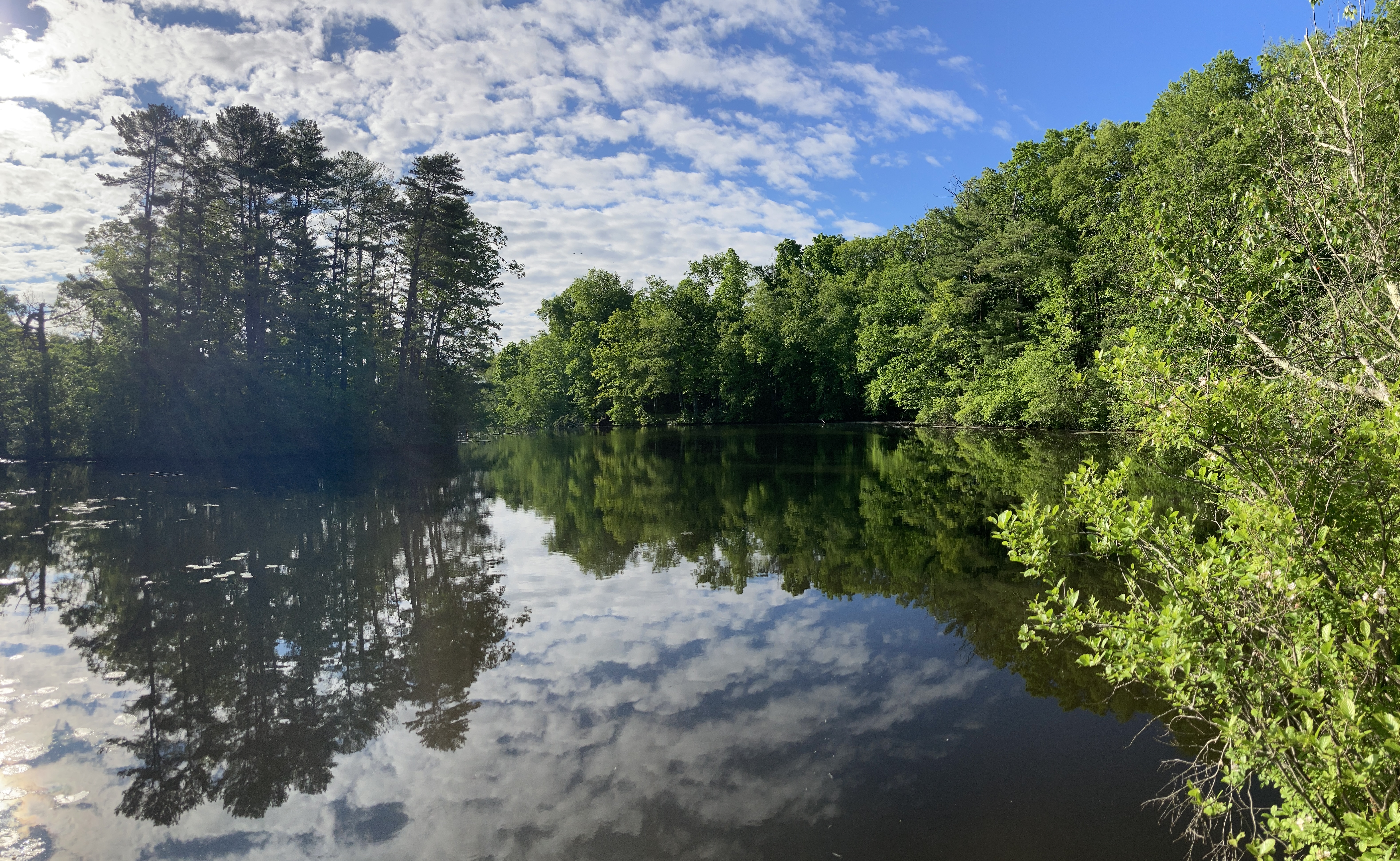
For more than 20 years, I have hiked at a nature preserve here in my town. Its criss-crossing trails allow for easy walks around a pond and through the forest, and its 800 acres of open space provide for quiet contemplation, easy escape, and frequent inspiration.
This was the place that inspired my very early nature writing which became my first book Look Up!Musing on the Nature of Mindfulness. And it sparked a re-connection with being out in nature, and a feeling of companionship with it and its creatures that has fed my writing ever since.
It’s fed my spirit, too. It’s where I meditate, where I talk to god. On peaceful, early morning walks, I often find myself in quiet conversation with kindred spirits like Henry David Thoreau, Mary Oliver, and Emily Dickinson.
On a recent walk, I found myself thinking about Sue Holloway. Sue was a woman of the woods and a poet, too. She loved swans and butterflies. And she spent countless hours along the trails at the same nature preserve.
Sue was an adjunct professor in Ecofeminist Writing at Southern Connecticut State University in New Haven, Connecticut. She was a member of the Swan Society and the Orion Grassroots Network.
Sue wrote a “Back to Earth” column for four Connecticut newspapers, and a “Woman with Spirit” column for Woman Magazine. Her editorials, photo features, articles, and poetry appeared in numerous publications, newspapers, and anthologies including Heart Beat of New England: An Anthology of Contemporary Nature Poetry. Sue published several books as well: A Community of Young Poets, Artemis’ Arrow, and Swan in the Grail.
Her writing, as noted by one online biography, “traced themes of human intimacy and subjectivity with the rest of creation. Her intent was to promote affiliation, compassion, tolerance, and peace among people and among humans and creatures.”
Thomas Berry, the renowned visionary thinker who explored humanity’s relationship to the earth and the universe, said of Sue: “It’s such a joy to come across someone who understands…The creatures in the surrounding world are all gracious companions on our great journey.”
She understood that deeply, as shown not only in her teaching and her writing, but in her actions, as well.
When a local conservation group organized a controlled burn of a meadow to thwart invasive weeds, despite the presence of animals, birds, and insects, Sue passionately resigned from its board, terminated her membership, and never looked back.
I was considering Sue Holloway and her enthusiastic stance recently, as I drove into the preserve I have considered sacred space all these years. There, along a pristine arc of the pond, a new gravel path had been bulldozed into place. A quarter mile of stone and boulder stanchions in the shadowy overlook where turtles once laid eggs and herons would land to rest.
As I walked the familiar paths that morning — the words of a scathing protest letter forming in my mind, ideas for a clandestine remediation — I thought about Sue and what she might think about the new walkway. I wondered what she should think about all of the changes in this special place where we both found solace.
What would she think of the increase in visitors who leave behind trash and bags full of dog poop, who hang Christmas decorations in the woods and tuck painted rocks into nooks and crannies, who toss food waste and rotting piles of birdseed along the trail?
What would she think of the infrastructure needed to support the increase in traffic — the fabricated bridges in place of stepping stones and corduroy roads, the bulldozed woods road now 10 feet wide, the loose gravel tossed liberally atop muddy patches, the multitude of trail blazes hammered deep into bark?
How would she feel walking the trails forever changed by the microburst that destroyed the forest canopy, the rocky arid paths, the increase of invasive plants? The stark evidence of climate change, the insects and tree diseases?
As I walked, I wondered what protest could be loud enough for all of that? What words, what actions, what effort could ever, ever turn the tide?
“I urge each reader to make an informed choice about the destiny of these creatures, for it also defines ourselves.” — Sue Holloway
“In everything do to others as you would have them do to you; for this is the law and the prophets.” — Matthew 7:12 (NOAB)
– – – – –
Sue Holloway’s book Swan in the Grail can be borrowed from the Blackstone Memorial Library in Branford and found online to purchase. Many of her photographs can be found on the website All Creatures. Here are links to some of her articles:
I love these and wanted to share with you! Click here to learn more. You can also download a poster and workbooks perfect for classrooms or the young children in your life.
WHAT ARE YOU SEEING? In today’s world, this question takes on a whole new meaning, doesn’t it? What are we seeing? What is real and what is imagined? How is my subjective response relevant to the collective real and important conversations?
It’s critical, now more than ever, to validate what is real and to identify our selective responses. In this issue of Manifest (zine), you’ll find several images of artwork, each followed by an ekphrastic poem that responds to the art.
The zine is arranged in such a way that you are asked to see the REAL artwork, and then turn the page to read a SUBJECTIVE response. In doing so, hopefully, you’ll come to understand that for every YOU looking at the world one way, there is a ME seeing it completely differently.
Featuring writings by Jen Payne, and artwork reprinted with permission by Jennifer Flint, Lisa Wolkow, Susan Doolittle, Linda Edwards, LeBrie Rich, Collier and Kim Hahn, and Frank X. Tolbert 2; as well as older works by C. Allen Gilbert, Joseph Beuys, and W. E. Hill.
24-page, Full Color 4.75″ square booklet and a curated Spotify playlist. Cost: $8.00.
This issue has been printed and mailed thanks to the generous support of readers. I’m hoping to continue publishing MANIFEST (zine) through 2026, but could use your help. Please click here for more information.
You can pay through PayPal using a PayPal account or any standard credit card. If you prefer the old school approach, please send your check, made payable to Jen Payne, P.O. Box 453, Branford, CT 06405.
The sweet honeysuckle breeze is small consolation, brief relief from the headlines of heat waves and hatred. I set off to the woods this morning looking for some kind of solace or peace. But honestly? While my mother threatens to live another four years, I’m wondering if I have to. Everywhere I turn there are disappointments and discouragements, humans making inroads where they do not belong, humans caught where others say they shouldn’t be, humans being…human. I am the generation of John Lennon’s Imagine. Peace signs and hippie hope. But hate comes around again, and again. And again. As if hope and peace are delusions, the dream from which we wake to these long and painful days. I used to think myself the happy one, the silly one casting light into darkness. La La La. But my ninja thoughts tell me otherwise, and I spend my walk wondering about the energetic force necessary to uproot infrastructures.
Last week, in one of those wonderful moments of happenstance, I met a local woman who — we discovered while discussing her photography work — was raised in the same town as my mom and dad. We got to talking about what it was like growing up there, how you really are made up of where you come from, and how the language of the place filters into conversations like ours and defines things without elaboration.
I wasn’t born in Bethlehem, Pennsylvania — but my entire family was — my mom’s family and all of Dad’s, uncles and aunts, cousins. My parents, decades after moving to Connecticut, still called it Home, and for me, sometimes, it feels that way, too. As a child, we spent holidays and summers in Bethlehem, attended family weddings and funerals. Still, today, I can drive around the city without getting lost, find my way back to my grandparents’ houses, the cemeteries, the church where I was baptized and my parents were married.
So I knew, immediately, the location of the photographs in this local woman’s portfolio. The view from the Southside that Walker Evans immortalized (above), the Kraken-like spires of the steel mill rising from the shore of the Lehigh River, the stories-high windows through which I used to watch molten steel flicker and pour as we drove through town.
Like my client, I have always been fascinated by the steel mill. It holds its place in my mind as the beating heart of the city, with its pulsing engines and machines. It was the center through which everything moved: the trains that woke me up at night, my grandfathers working night shifts, my grandmothers keeping house in the shadows of industry, the smell of iron ore on their skin.
If you have been there or lived there, you know that smell. You know the feel of Steel City, its rough-around-the-edges energy and patchwork culture of blue collar workers, religious sects, and immigrants. You know the hills of Southside, the porch-lit Moravian Stars, and you can see the famous steel stacks along the skyline. You see them, even now, as ghosts keeping watch over the casinos and concert venues, the museum dedicated to the long-gone industry that made its city famous.
The woman I met, Linda Cummings, is an artist-photographer with an incredible catalog of work. You can see her collection of Bethlehem, PA images on her website. They’re part of a larger collection of work called Slippages that will be featured in her new book of the same name.
how the ants know it’s coming before the rest of us realize, how they announce its arrival in a parade across my kitchen counter, their appreciation of the small morsels of sugar I’ve misplaced, the renegade crumbs
how the mosquitos are consistent in the hum-hum-sting of their assault at the backs of my arms, my legs, my scalp and at the sweet tender skin of my ankles, how assertively their bites manifest as persistently-itchy welts long after the union of proboscis and skin
I love the sharp pungent aroma of bug spray its perfumed plumes of offense that linger on clothing and linens, its placebo effect that lulls one into thinking a stroll in the grass or evening walk is not the suicidal effort it inevitably becomes how calamine, all these years later, still has little effect
I love how the sun is brighter and hotter now, how it sizzles in the sky and scares off cloud cover, how sun begets sweat that trickles down my neck and back and armpits and the crooks of my knees so that everything is damp and humid and sticky including my sheets at night, and the pillows, too no matter how often I wake and flip them to the cool side, no matter the window unit chugging along the fan blowing luke-warm air and irony
how humidity hangs in the air, keeps everything summer moist swells up my fingers, makes mock raisins of my toes in their constricting summer sandals that bind and dig-in, leave criss-cross marks like tattoos that say Summer Was Here
I love the incessant noise of lawn mowers the ARRRRRR ARRRRR ARRRRR beat of blades the tease as they fade around the corner but return for another stanza often accompanied by the RRRRRRA-ZZZ-ZZZ RRRRRRA-ZZZ-ZZZ of the weed whacker
Oh…all of those summer noises! the startling shock of motorcycle manhood as it revs its engine just as it passes my open window, the cigarette boat in the harbor insisting no it is bigger and better than any motorbike the backing-up beep of the landscape van, the beat box boom box bass of radios blasting music nobody likes, the violent scream of the chain saw against even more trees, the fireworks erupting to celebrate their own percussive noises in an ongoing summer competition of what the fuck can be louder than this?
I love the busy-ness of summer: the ants and mosquitos mere poster children for the weeds, the outside chores, and the inside chores, the long and sprawling list of Things to Do and Places to Be and just how many carnivals, fairs, markets, and outdoor sweaty buggy get togethers can one fit into a two-day weekend that requires hours of slogging through touristy traffic crawling along at 20 sweaty, noisy miles an hour
Perhaps, though, what I love most about summer is that tortuous steamy day in August, as heat forms in waves off the macadam and gossip spreads of eggs frying and Lucifer rising, when the air conditioner coughs its last breaths of what passes at that point for “Cool” when you look, then, to the heavens to beseech god up above to make it stop and you see what appears to be trees aflame… and know, intuitively, that soon it will end graciously and gloriously end.
Since 2020, MANIFEST (zine) has presented writing, art, photography, and creative bits of whatnot in a series of zines ranging in topics from creativity, grief, change, the environment, social issues, and finding refuge in turbulent times.
It’s an eclectic combination of lit mag, artist book, and poetry chapbook, that also includesa curated Spotify playlist. Beautifully printed, it’s layered with colors, textures, meanings (and music), the result is a thought-full, tactile journey with nooks and crannies for you to discover.
But since 2020, the costs for printing and postage have increased dramatically. And while there is a steady and loyal list of subscribers, it’s getting harder and harder to print and mail out issues on a regular, quarterly basis.
That’s why I’m hoping to raise $1,000 for production to take us through 2026, including the Spring 2025 issue, PERCEPTION, which has been ready to go to press since March.
As a thank-you for each donation of $25, I will mail you (or a recipient of your choosing) one of the following:
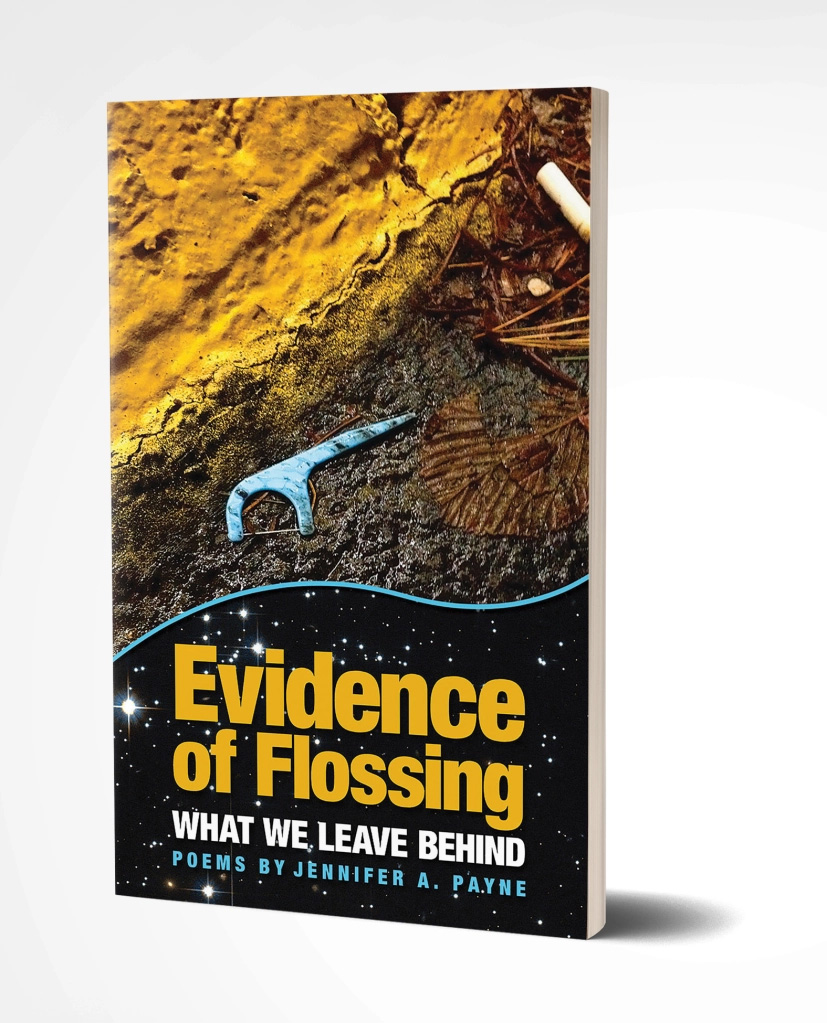
One copy of any of my books: LOOK UP! Musings on the Nature of Mindfulness, Evidence of Flossing: What We Leave Behind, Waiting Out the Storm, Water Under the Bridge: A Sort-of Love Story, or Sleeping with Ghosts.
I am back on terra firma, sound rushing through my feet and up in a cacophony of thought, worry, consternation that somehow fades on the coast, transitions into whitecaps and whale song, a quiet not to be found among these common conflicts at home, the roar of traffic, the flight plan overhead, the bells and buzzes of business.
How is the sound of the ocean and all its occupants some two miles deep meager competition to the loudness of this day today? The ever present noise of them and us and this…even here in my beloved woods.
I awoke this morning feeling rudderless alone and adrift so I partnered myself with sheets and pillows in a meager attempt to stop the sway to right myself between swells of defeat and despair but finding no equilibrium I moored myself to the day and got on with it albeit without commitment or fortitude floated aimless past noon and afternoon grateful for the sun’s setting the welcome drift of deep deep dreams.
It’s hard to believe it’s been seven years since my dear, sweet friend Mary Anne Siok died. I think about her a lot, especially these days when her kind of sparkle and joy would be a light in the darkness.
She’d be pissed about the current state of the world. Ferocious in her protests. Screaming from the front lines…and dancing. She’d be dancing…and so would I.
I haven’t re-posted this — her eulogy — for a few years, so I thought this would be a good time. And a good reminder, because I still don’t say YES nearly enough as I should, and the years are racing by…
Mary Anne and I met in a freshman English class at UMass in 1984. We were just joking a few weeks ago about how it’s been 30 years since we graduated. I said “How the hell did that happen?” and she said “Because we’re old.”
But the MA I knew – the one we all knew – was never old. Very often her texts would go on and on about what she was doing and where. (Even her cousin Katherine couldn’t keep up!) The weekend before she died? On Friday, after a full day of work and a train commute home to Rhode Island, she went out for sushi with Billy. On Saturday, she and I spent an entire day walking around the mall, shopping, talking, toasting her birthday with bloody marys. On Sunday, she was with friends at Foxwoods to see the Hollywood Vampires, and then on Monday she celebrated a gorgeous spring day with a drive along the coast and lobster rolls.
THAT, in a big long-weekend nutshell was our Mary Anne.
MA was my best friend, my secret keeper, my sister, my person…and the most fabulous yin to my yang.
Me ever so cautious and worried, the introvert full of specific plans to her come what may, live life to its fullest, hell yeah we’re doing that extrovert with an absolute love of life.
She was inspiring.
So much so that in recent years, I’ve taken to asking myself WWMAD? As in: What Would Mary Anne Do?
What would Mary Anne do? Mary Anne would say Yes.
YES to the next concert, the Red Sox or Patriots game, the fireworks, the dive bar, the music festival, the movie night, the road trip, the matching tattoos, and one more Hallmark Christmas movie.
YES to the beach. Always.
YES to anything in black, the sales rack, the sparkly earrings, the extra glass of wine. And YES to Dunkin Donuts. Of course.
YES to dancing … anywhere, drinks at the Hard Rock Cafe, going to the symphony, enjoying a home cooked meal, taking a spinning class … or yoga, cheering on her boyfriend’s band.
YES to shopping at the outlets, seeing an art exhibit, wandering a museum, getting tickets to a play, or a long full day at the Big E.
Jump off a 3-foot ledge into the ocean while a crowd cheers? Yes.
Help you check off something on your bucket list? Yes.
YES to coming to your BBQ, your daughter’s dance recital, your campaign event, your nephew’s first birthday, your sons’ soccer game, your girls’ weekend, your wedding, your holiday dinner. Probably all on the same day … usually with a gift … always with that big, sweet, joyful smile.
A smile that said YES, I’ll move in with you. YES I’ll meet you at the winery. YES I’ll be at the party. YES let’s go shopping.
YES, we have to do this again soon.
Not everyone can do that — be so wide open to life and love and friends and experiences. No holds barred. Fearless. Hell yeah, we’re doing that!
And so, in honor of the blessing that was our wonderful, bold and brazen, brave and beautiful Mary Anne Siok, I challenge you — all of you — to say YES a lot more often.
And I thought we could practice right now…ready?
In memory of Mary Anne Siok, May 31, 2018. Click here to read her full obituary.
It is often effortless this charge a light somewhere a word a phrase a road highlighted on an internal GPS how to get from here [ thought ] to there [ something written ] with little but an invisible arrow a compelling a compulsion an understanding that it’s fleeting unforgiving fickle if not me and mine then someone else somewhere else will get it catch it in whatever way they have learned to catch mitt, net, rain barrel
I prefer mine organic open a door a window my arms let the words come right in no ceremony or formality no place settings and certainly no roughhousing (live and let live, I always say)
you wanna be a good poem or a bad poem, one anointed with laurels or just doddering in the margins? come on out with all your slick juices scream and wail and take that first breath, baby!
and then there it is whatever it is good, bad, mediocre
I don’t mind them any of them, really they’re warm-ups stretches practice runs compost
take a deep breath
because the good ones? Mmm, yeah, the good ones, they glow! preternaturally hum and buzz and vibrate a little so you have to keep reading them over and over pinching a dream is this real?
You just birthed an angel, mama — a wild wondrous angel — watch her fly!
Hindsight is 20/20 except when what you’d been seeing then, back then, was larger than life, grander than anything you could imagine and so enormously out of proportion that… now, hindsight is microscopic requiring broken circles of glass — that you try not to bite down on too hard or else you might bleed even more than you already have — to see what was right in front of your eyes all along how minuscule you had to make yourself to fit into that space that small mindedness that box with clearly defined edges (and no imagination) but these are things you don’t see through rose colored glasses their purpose only to color inside the lines with one conforming color the vision of what you were programmed to think you wanted that small sweet girl and her dolls playing make believe building castles out of miss-matched pieces instead of telescopes with which to see the much bigger picture.
This morning, on a friend’s Facebook page, I read a heartfelt plea for a newsfeed devoid of a Donald Trump’s face. And while I, too, would love an opt-out button for that, it makes me wonder: is that her Algorithm? is she clicking on posts that generate more of that same face? That happens to me, a lot.
Our Algorithms, if you think about it, are mirrors of our thoughts — are they not? How we think, what we’re thinking about, often what we thought about yesterday or the day before. The omnipresent Big Brother feeds us more of the same until we are beyond sated, until we’re over-stimulated and over-whelmed, jacked up on fake dopamine, or banging on Read More Read More Read More like a sugared-up teenager at a carnival whack-a-mole.
And while I know (I know) it’s important that we keep informed about current events, that we pay attention to what’s happening in our world — I’m also concerned that we’re collectively helping to create what’s happening by focusing on what’s happening.
It’s called Manifesting. You can read about the positive effects of manifesting in popular books like The Secret (Rhonda Byrne) and Law of Attraction (Esther Hicks and Jerry Hicks).
And before you say hocus-pocus. Remember that prayer is also a form of manifesting.
“According to many spiritual teachings…consciousness creates our reality. What we desire is what we receive. If we are uncertain, we receive the energy of uncertainty. If we respond to crises with worry and negative, thinking, we increase the likelihood of a painful outcome.” — Yehuda Berg, The Power of Kabbalah
Yes, we are living in scary times. Yes, we need to pay attention to what’s going on. But in our attempts to pay attention to what we don’t want, are we losing sight of the things we DO want?
How can we ever hope to create a safe, peaceful, equitable world if our thoughts (and hearts) are always focused on threats, war, and inequalities?
We can all talk about what we don’t want — easily and profusely. Think about it, how many conversations have you had in the past six months about Donald Trump and his insane antics? About the circus that is our government, the atrocities happening to our immigrants, in Gaza, in Ukraine? About what’s happening to America, democracy, and our way of life?
Now, how many times have you talked about what makes a great leader? about the people on the ground doing good work on behalf of those who are suffering? about what you want the world to look like in the future? how many times have you laughed, planted something, created, danced?
All week long, activist and author Jessica Craven’s Chop Wood, Carry Water emails focus on what’s going on, the scary things happening in our government, and actions steps to take. But once a week, she posts Extra! Extra!, a glorious accounting of all of the good things that have happened lately.
I’ll be honest, by the time Extra! Extra! arrives on Sundays, I am usually stacking another shipment of canned beans in my basement and making sure my stun gun is fully charged. So to read all of the positive things that are happening, all of the forward steps we’re taking, all of the good news despite my Algorithm? My Hope tank fills right back up!
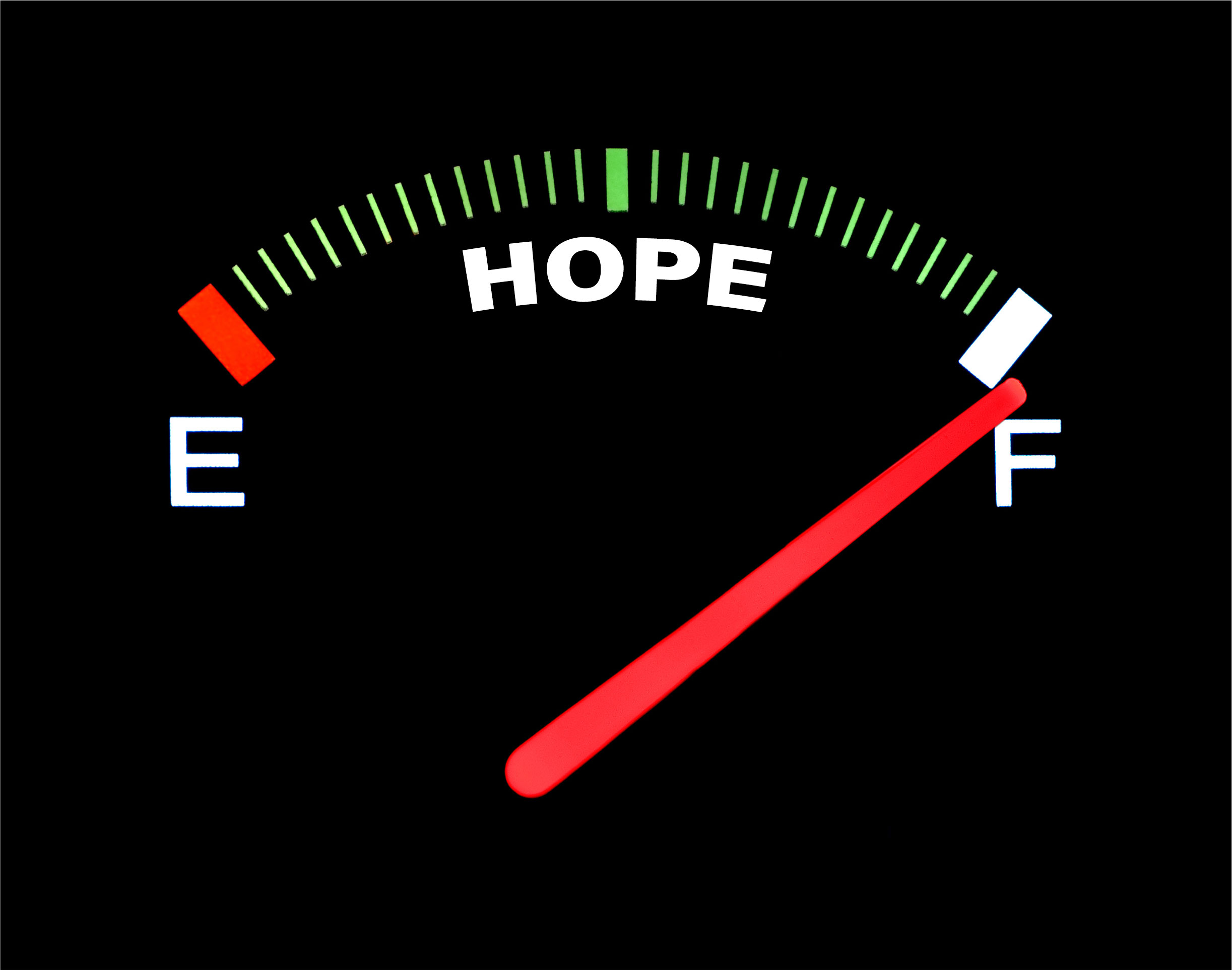
We all need a full Hope tank. So, here are 10 Ways to Fill Yours…
1. Go outside and breathe. 2. Listen to your favorite music and dance (or sing) (or both). 3. Go for a walk in the woods. 4. Have a playdate with a friend. 5. Get creative: make art, write something, bake, garden. 6. Watch a favorite movie. 7. Go to the library and find a book to read. 8. Take a day off social media/media/technology/work. 9. Keep a Gratitude Journal. 10. Change your Algorithm by reading good news; start here.
Let’s all MANIFEST the kind of world we want to be living in together!
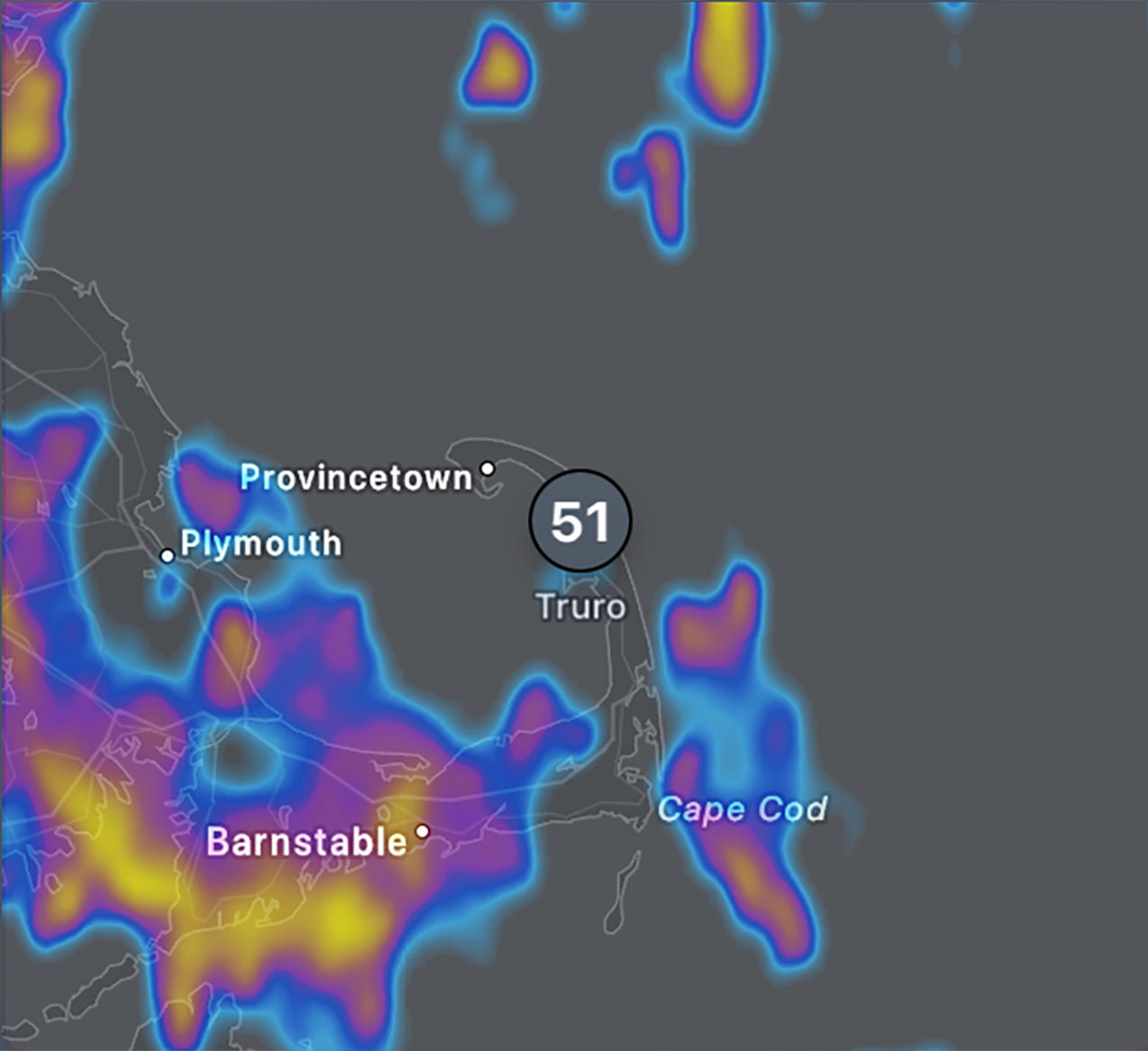
Radar shows the storm purple and red and gold but all I see for miles are shades of Cape Cod gray pale where the sky should be a graphite-thin horizon line its boats like ghosts and a graduated green-gray ocean punctuated by the occasional wild white cap making its way to shore even the trees are gray this morning their late spring effort almost forgot inside this passing storm whose endings promise blue.
Bring me here, darling, the day I die. Let’s hope the seals bob curiously at our folly and the black cap gulls make us laugh along with them.
Let’s manifest giant waves — the kind little boys scream into — and a full moon that plays hide and seek with the setting sun behind billowed clouds and tall green grasses.
We can celebrate whale spouts and whale tails and the fine thin lines of birds come back — that life goes on and a moment of joy can last forever, here, a laugh, a dance, and love worn smooth with time.
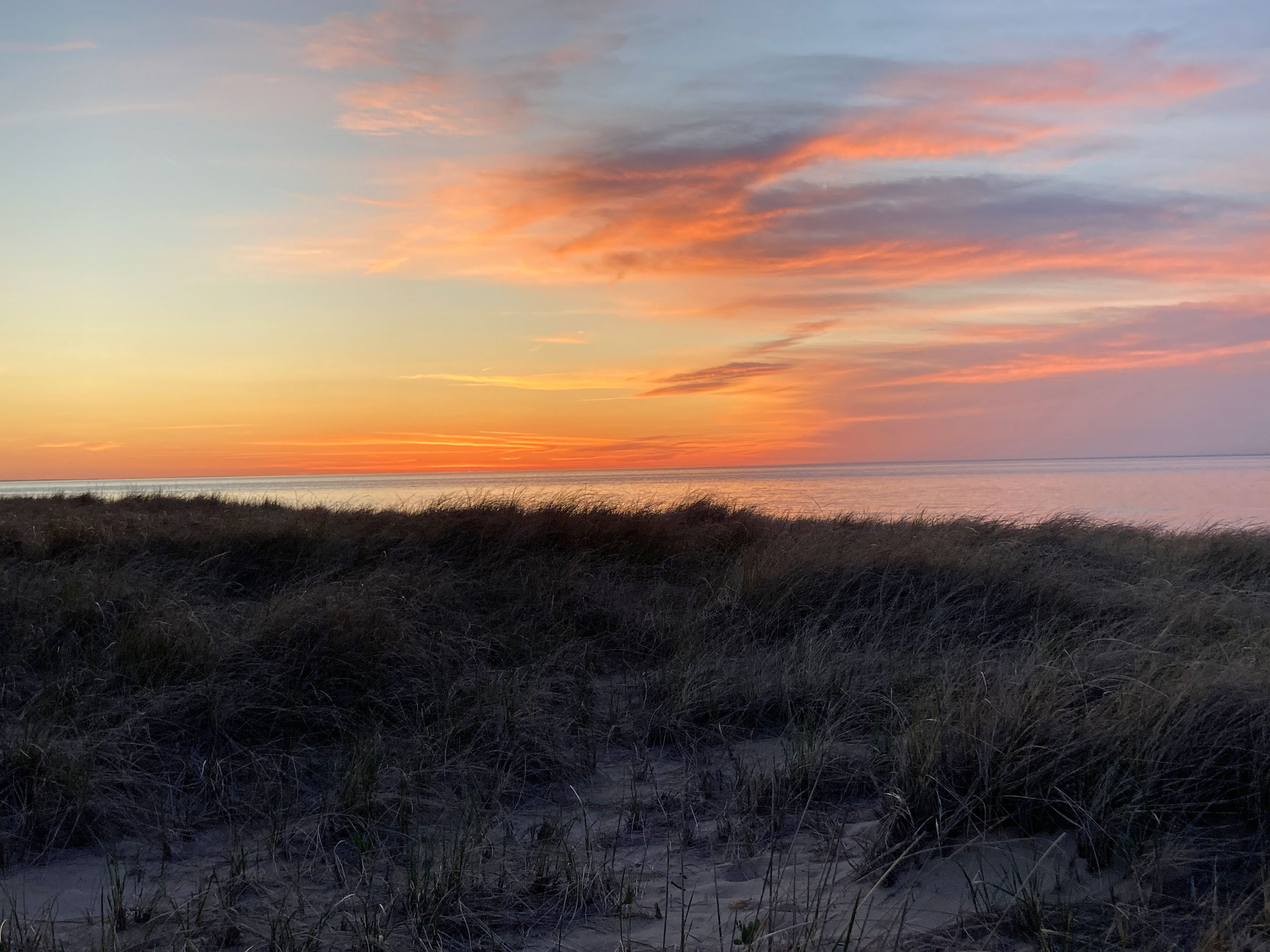
We’ll hope for a cold spring day you and me alone on the dunes and that one final breathtaking breeze to push me forward into oblivion.
Her Algorithm has teeth fangs, really like the kind you see in nightmares, and its fur is black and sharp like a worn carpet tread in worry and fear, with small fibers that pierce the skin and stick like burrs.
Her Algorithm has firm, strong legs and claws that dig in and hold fast to a path she didn’t even realize she was walking down, until she’s so far deep and running at such a clip all she can see is the hot steamy breath of her Algorithm, the gates of hell like a flaming blur.
and there’s nothing a cute purring kitten or craft project can do but watch from the sidebar and wait their turn until the Algorithm catches sight of something more interesting and follows its scent down a rabbit hole of obscure poetry, trendy dance moves, and weird fashion from a 1970s JCPenney catalog that turns her Algorithm a shaggy, avocado green.
Heart-shaped rocks underfoot all around on the grassy path and sand dune from here to the shore and at the water’s edge
(dare I say even in the palm of the Garçon at the pâtisserie whose smile needed no translation)
Hearts!
There was a time I would have come home with enough heart-shaped rocks to border a banister, fill a bowl and basket, lined them up to show the Garçon in the morning with coffee and croissants
but I am content now to find moon stones instead translucent round and easy love in the stars, the sky, the universe enough
In a persistent effort to weave a web the spider imperceptible casts her silver filaments from the uppermost spire of a wintered beach plum one thin budded branch from which a hundred casts arc and fall arc and fall her small labors shimmering in afternoon light prayers of possibility glittering
There is a slice of ocean outside my window and in it the world from a view just above a confluence of birdsong and whalesong the mechanics of the day juxtaposed to sweet, sweet silence.
There’s this photo in which he stares at the camera and I remember we’d already begun by then; made plans, talked for hours, fallen in love, even by the look on his face; I remember that day, our chairs pushed together, sharing our lunches, scribbling notes to each other like school kids; but we were hardly that, hardly so fresh to all of it; I wish my camera had focused more, had adjusted its exposure to show the shadows, the rough edges and hidden details, to find the nuances in the full picture I see so clearly, now.
This is Reverend Scott on the valve in the belly of Poseidon. Quint in the jaws of his worst nightmare. Jack and Rose at the Titanic’s stern. Eowyn and the Nazgûl. Harry and Voldemort. Bruce Willis on the asteroid careening through space.
This is the battle scene. The climactic moment. The death scene.
This is before the denouement. Before the resolution. Before the credits roll.
This is the moment that needs you. That demands faith. That requires courage. And sacrifices.
So hang on tight, baby, because it’s going to be a bumpy ride…
Grizzly Bear and Goldilocks (that’s not my name, she says) are discussing the merits of cinnamon applesauce and whether or not I would eat her, instead, barbequed with ranch dressing but before I can answer in my gruffy harumphing voice we’re off to gather sticks for our make-believe fire pit and the s’mores we’ll eat later because right now she’s making breakfast pancakes with maple syrup? bacon and strawberries I love bacon! which we eat while she laughs that the syrupmakes my fur sticky so she cleans it off my hands thank you then we pretend-read a book before going to bed and I snore as loud as I can until she wakes me up ten seconds later to sit by the fire (just one more round, she asks) so I can’t possibly leave and why would I ever want to? there are s’mores, after all, and a backyard afternoon that is just right.
I have seen her one hundred times since she died in crowds and corners when I least expect and last night in a dream again looking fabulous and forgiving all my tears waited until I was done so we could step into the space of time allotted that glorious dreamspace where everything is as it was and we do as we used to do for hours unending until I wake no longer feeling quite as alone.
If these walls could talk these shelves and set-aside spaces you might think I love her and I do one hundred times I do and have for so long I no longer remember first glance, first conversation first spark of friendship but this and this and this tell our story — part of it most of it the sum of it — easy to turn pages in this space and remember the miles we traveled, the endless stories, the memories gathered in pockets to take home for safe keeping.
The morning thick with sound spring sound a humid hovering of birdsong and flowersong buds on trees whispering and soft soil separated by anxious green almost ready for the ministry of bees and butterflies soon to be tending and tittering a symphony of what is this moment and what will be at any moment soon.
Sleep has been merciful these past three months, arriving early from exhaustion staying late in fellowship with the dreams that wax nostalgic for simpler nightmares and harmless ghosts.
But this morning, I’m awake at 3, my familiar and I like old friends sharing space beneath the spring moon, waning in its sixth phase, while one lone peeper keeps time as sharp as the second hand on a clock.
We have not been together in this way — the moon and morning and me — since the monsters took over, since their cacophony of destruction, the sinister palpitation of days, and all of us wondering what or who will be next.
This morning is a gift of quiet comfort, the marsh frog a beacon which seems to say Here! Here! Here! over and over and over, it reminds that even in the age of monsters, once can find solace in the soft, dark edges, calm in the promise of cycles and phases, of spring and worlds ever spinning.
sit up straight the napkin goes on your lap elbows off the table tines down tines up left hand, right hand, tip the spoon away don’t slurp don’t shovel don’t talk with your mouth full
To the Starlings who have moved into the Privet Hedge on Short Beach Road,
Welcome.
Please stay as long as you like.
Help yourself to the bugs and slugs in the front garden. Enjoy the spread of sweet clover and violets in the lawn, but watch for the mower who arrives every two weeks on Friday.
There’s always shade under the boxwoods, if you need, and rain water in small pools along the mossy brick path.
In the back, you’ll find a bird feeder loosely tended, but often full of seeds, and an endless dance of bees among the honeysuckle by the old dogwood.
We have resident squirrels, a family of five jays, and a chipmunk who resides just south of the bird bath which we keep filled all summer long.
The pond out back offers the companion of frogs and turtles, crows and owls, a flock of your brothers and sisters, and at least one hawk for balance.
Pay no mind to the cat. She never goes outside, but does love her spot on the screen porch. Feel free to watch her watching you, that could go on for hours!
Now mind you, I do have one request.
What I ask only in return is this: please do not cross the wide wild way, west of the hedge. It’s fast and merciless. If you, out of instinct, fly that way ever, please stay high and alert.
It occurred to me this morning, while I held tight to old dreams, that someone, somewhere was also waking to this day, but opening eyes to a present they recognized: the familiar sun though curtains and the routine of Sunday laid out in front of them with no need to pretend otherwise; the photos on the shelf of old friends smiling, the bucket list taped to the refrigerator door, the piggy bank promise of new adventures somewhere and someday still shimmer in the early light of their morning, there; should I tell them? remind them to hold fast live in the moment for god’s sake everything is fleeting, tomorrow might already be a memory.
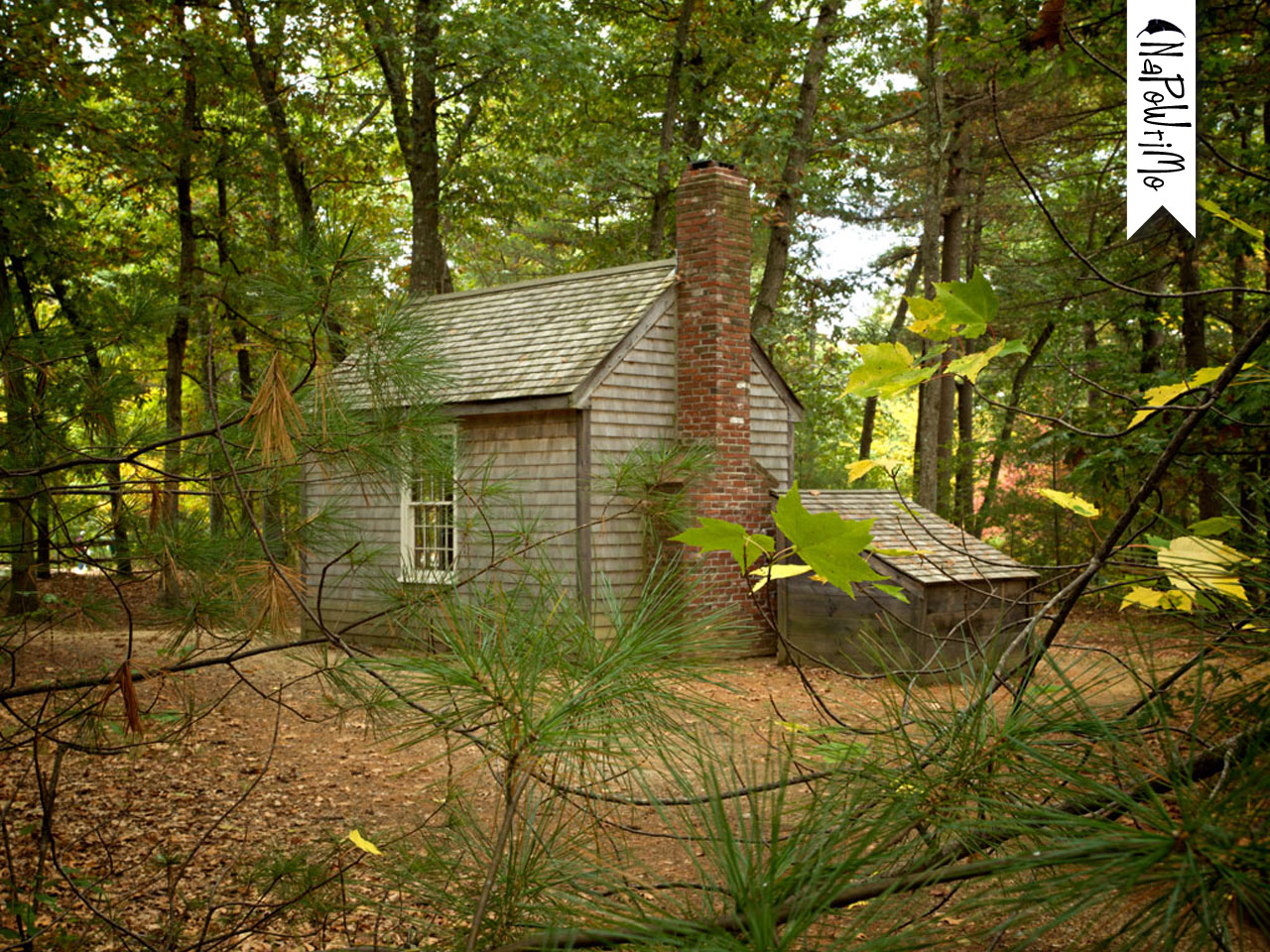
Thoreau, she tells me, was tended to by women. Meals and laundry — a side of the story I’d missed, hadn’t even thought to think about; his cabin in the woods? his solitude and simplicity? my dream! my escape! my alternate ending! and who considers practicalities when we’re having a transcendental crisis? I am disheartened and disappointed and then…delighted! The solitude of the woods? The simplicity of sojourn? And a community of women to soothe and support? Life Goals times one hundred!
It’s the robin’s trill that most often calls him to mind deep from the arbor of spring azalea and its cotton candy blooms, the privet hedge shoulder high then two stories up in an instant of memory, a wooden screen door slam bees and clover and Pappy lifting me to the sky whiskey on a breeze, the rough chafe of whiskers, “chirp chirp” he says as a kiss against my cheek then sets me on the ground to tangle in the blossoms one more time before we leave for home.
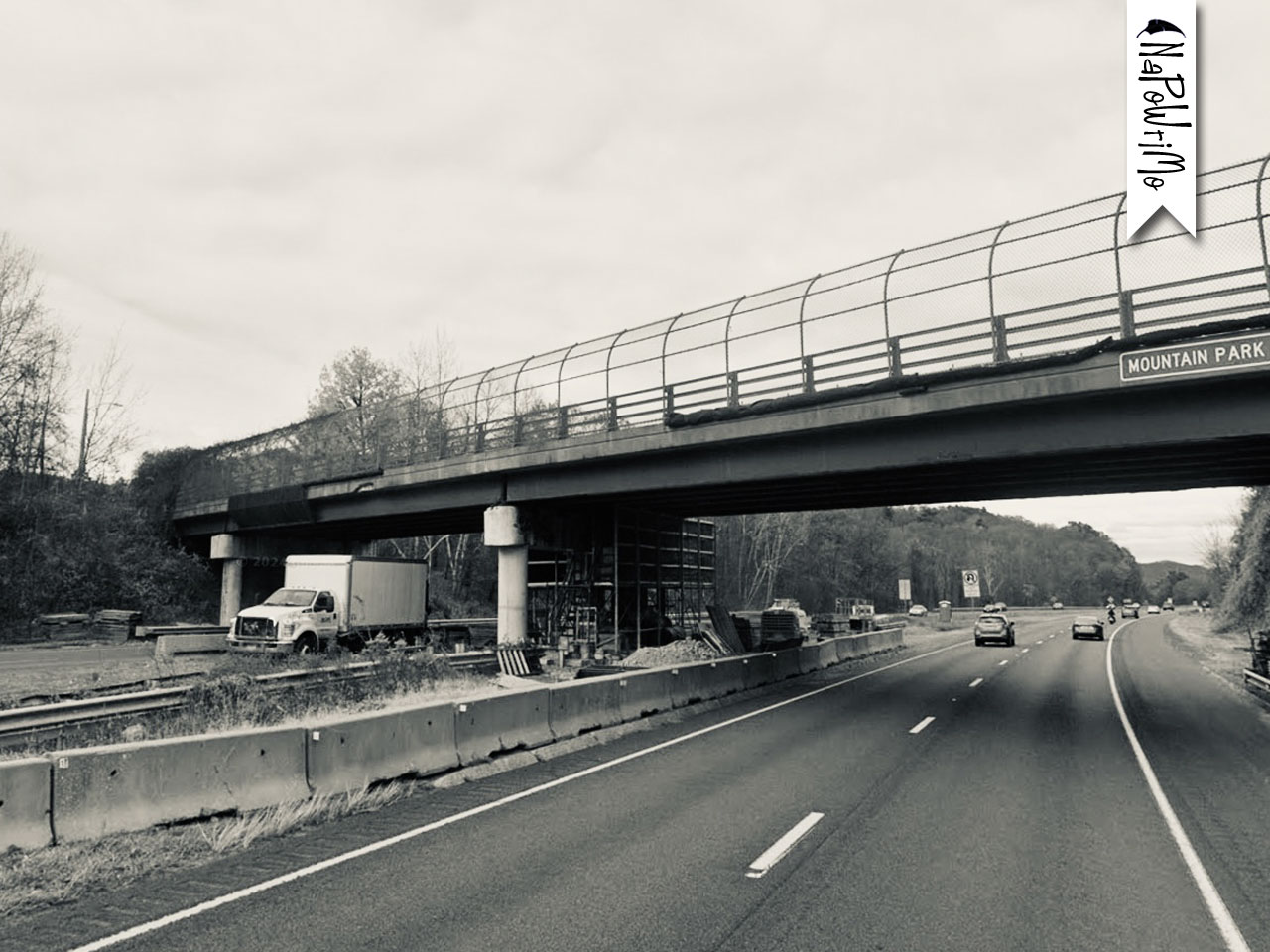
There’s a ghost standing on Mountain Park Road I spy her from the highway as I scream past at seventy She might have waved but had no need to I saw her knew her remembered all of the layers of time, there on the overpass at Mountain Park Road and I wondered briefly if she knew me here now this apparition this shadow of who she used to be in a blur of recognition a moment frozen in time the all of us in overlap here, there, then, now on Mountain Park Road
This morning I stayed in bed squeezed my eyes shut and begged for more more sleep more dreams more anything than what waits: that 21st century disappointment and the cold blank stare of what comes next
It was already hard enough to live with the stark comparison of hopes and dreams versus real world, the daily effort of just keep swimming just keep swimming
Now there is just this THIS every day THIS good lord THIS
Once, I told a therapist that I was considering a long slow drift in ice floe silence, and she sat aghast asked if she should be concerned so I dialed it back and laughed like I was joking
Concerned is such a funny word — To Whom It May Concern we have concerns but it is of little concern
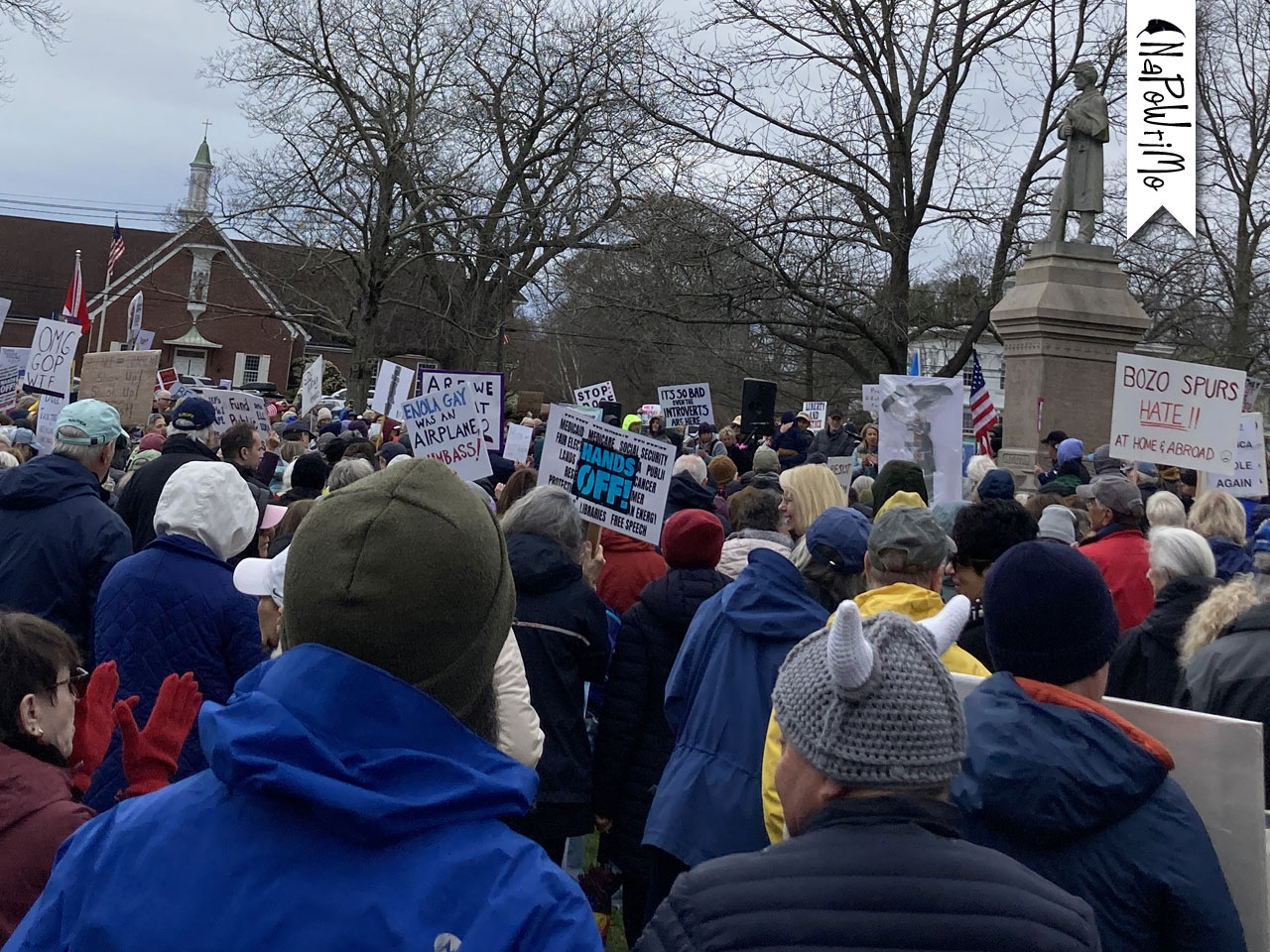
Yesterday, at a protest, I danced with strangers and felt free in a way I haven’t since my best friend died seven years ago and I thought: she is better for it dead before THIS all of this with no concerns no need for persistence or resistance or a clever exit strategy disguised in a poem.
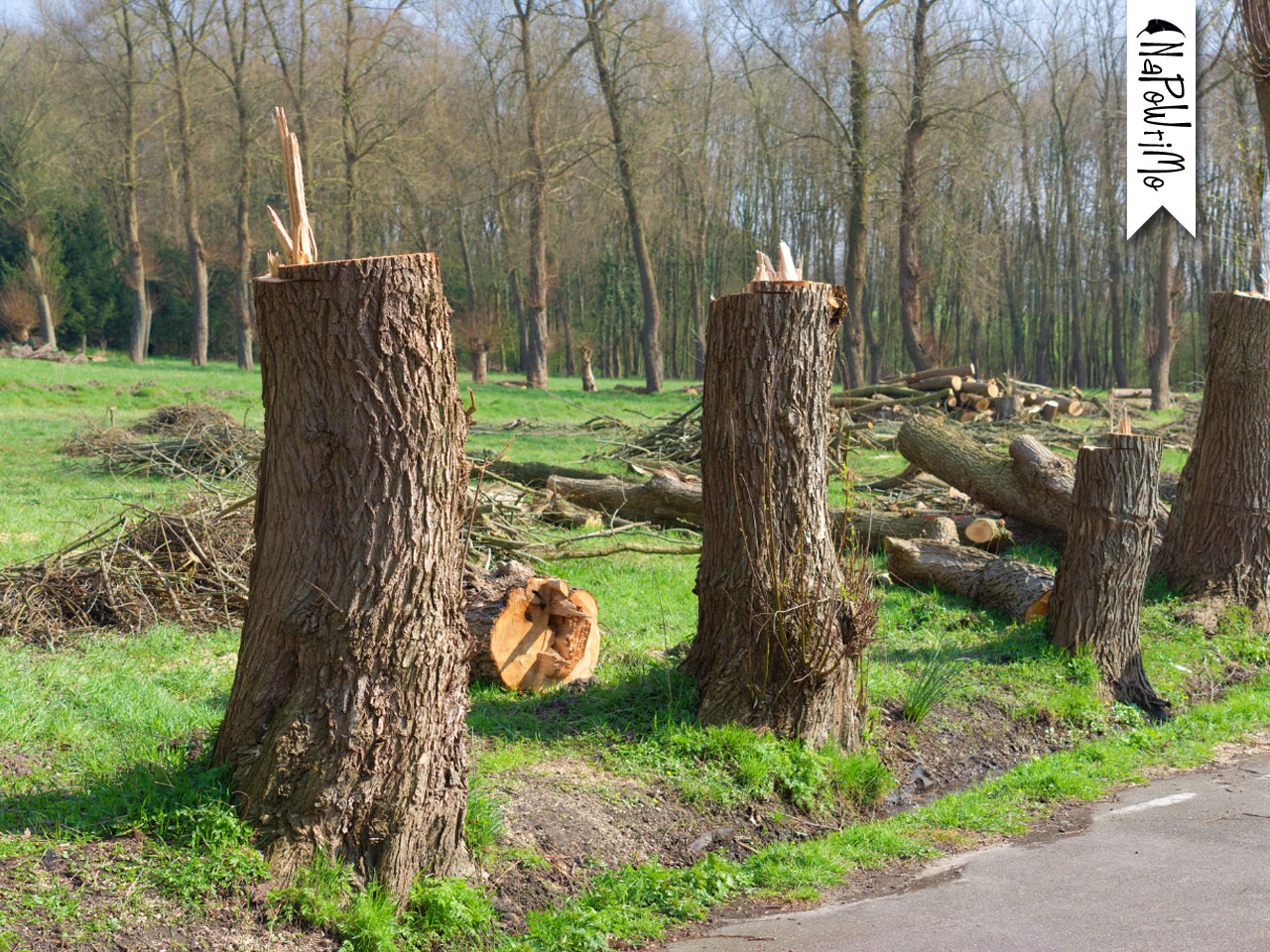
All along the highway a brutal massacre agony and destruction jagged edges claw the sky not even the grace of a clean cut no time to spare for the scream of chain saws the equal labor-to-labor dignity of tree felling the man-versus-nature earth shaking victory (the silent apologies) we are now machine-efficient cost-effective and ruthless with stands of trees laid bare twisted to their breaking point ripped and torn delimbed, stripped, shredded sun burning shaded places raw spaces for the taking
Somewhere in the ebb (of the work day) and flow (of the springtime woods) a page turned and laid itself gently across the path like a vignette filter on this enchanting afternoon and there beneath my feet…
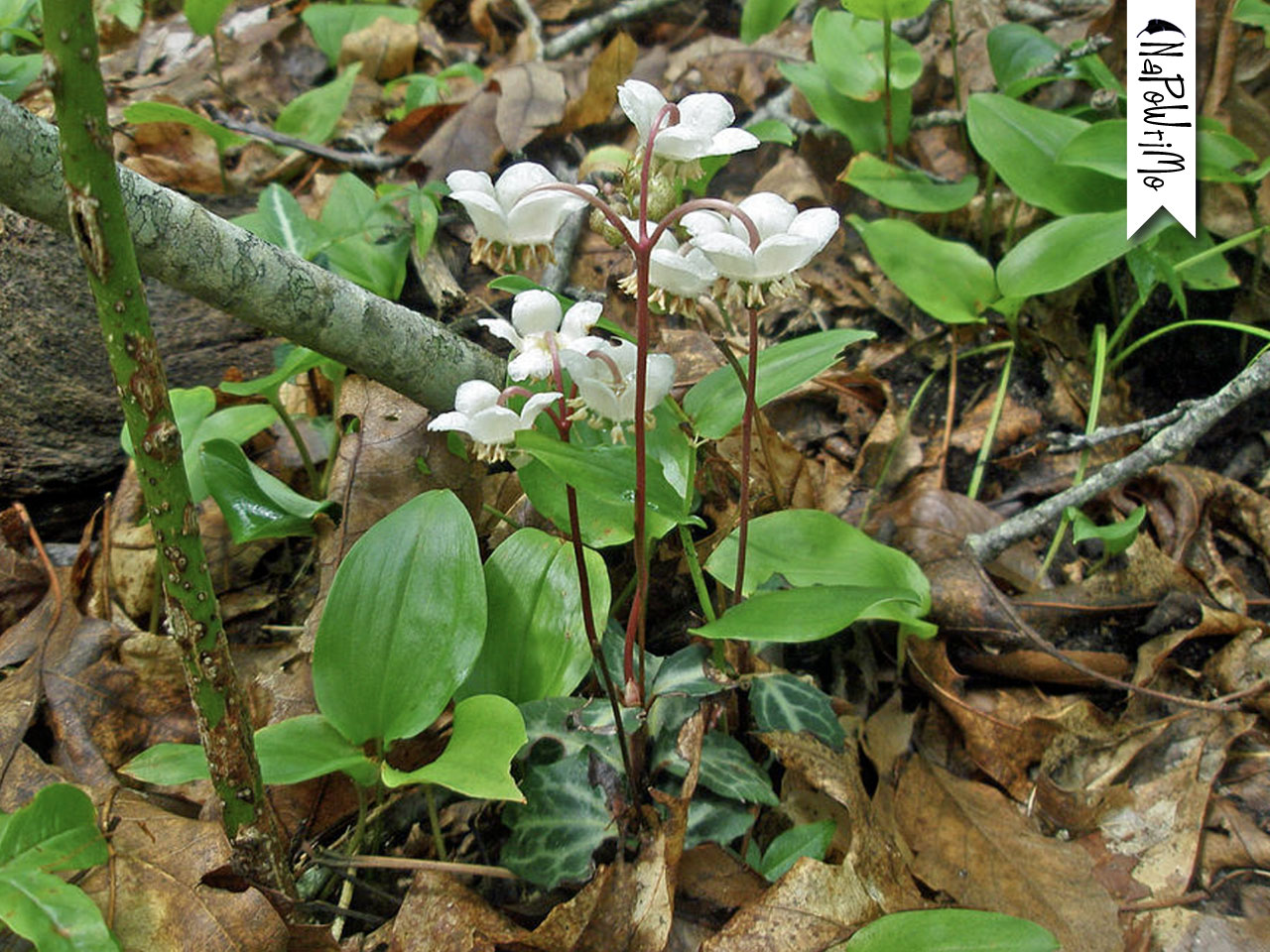
A single spotted wintergreen rises up from the ground…Spotted wintergreens are the flowers that grow from longing.
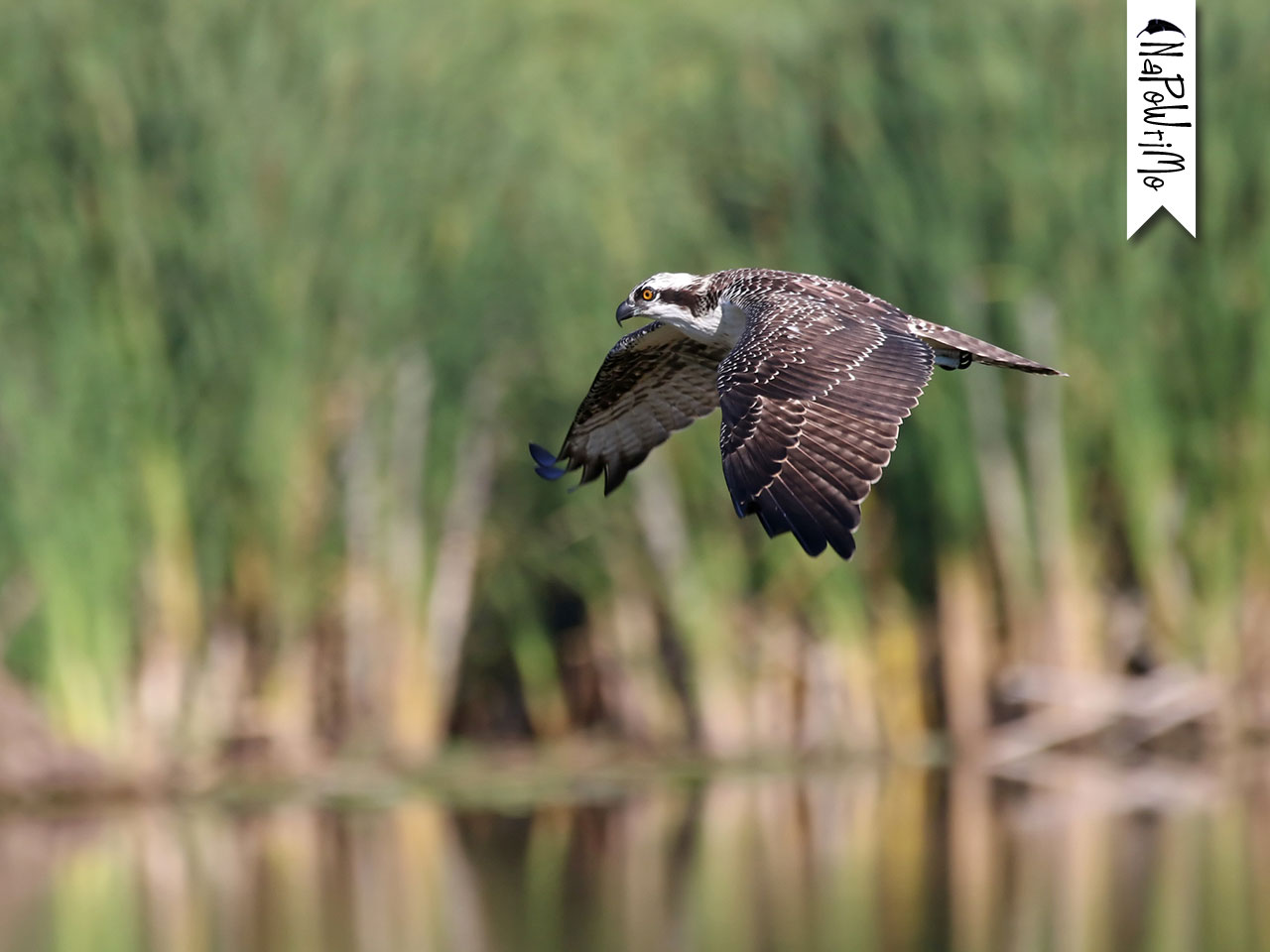
The sun has warmed the alcove of cedar, so I sit for a while to consider the flowers, the swan, the osprey, the character who calls to me from across the pond who? who?
He turns and stops, his head tilted towards the ground. He stands there for several seconds, staring at the spotted wintergreen…
Am I dreaming? Then he carefully pushes his hands into the soil next to it and a cardinal flower punches through the surface…Cardinal flowers grow from frustration.
Perhaps dreaming or remembering? Surely there is magic about, even the Owl agrees watching now from above, as I sigh and adjust and…
Kneel beside the cardinal flower and touch the Earth, a purple cone flower rises to greet me.…the perfect flower for apologies.
We add to our conversation, wildflowers taking over the dirt…and so much spotted wintergreen, longing everywhere…
We see each other. I think we always have.
How long did I sleep? I don’t recall. Time stood still there by the pond beneath the trees that whispered and sang and soothed us — the Owl and I — for a moment or hours or maybe perhaps a lifetime.
A new flower punctuates the end of our conversation – a single iris to say he loves me.
A shadow crosses my path and I am at once only that over which the heron has flown — of no other consequence — with only a regiment of lilies to bear witness how small am I to his eye? I wonder as I step across a stream apologizing to the startled swans and bowing to the osprey watching warily; there’s a blush in the tree tops and across my humbled face the all of us in awe of this magnificent spring day.
the Mystic says to reenvision my life story to purge the inessential elements and exorcise old ghosts this, just days before the Healer reminds me that old stories are just old stories are just old stories
old stories that say “we don’t have room for you” right now, anymore, again “for reasons of space and other limitations that have nothing to do with your merits” nothing to do with you right now, anymore, again “but thank you for your interest”
so when a friend says she is taking the YES steps all I can see is the surgically precise removal of my bloodied ego, its clots and cartilage forming bitter words on a page that I’ll turn into kindling soon, remind myself that forgiveness and an open heart (healing and self-love) sometimes mean putting down those old stories and walking away leaving them to fend for themselves deep in the dark woods of the past
their smoldering incense wrapping around my wicked incantations while I dance in the freedom of letting go…YES!
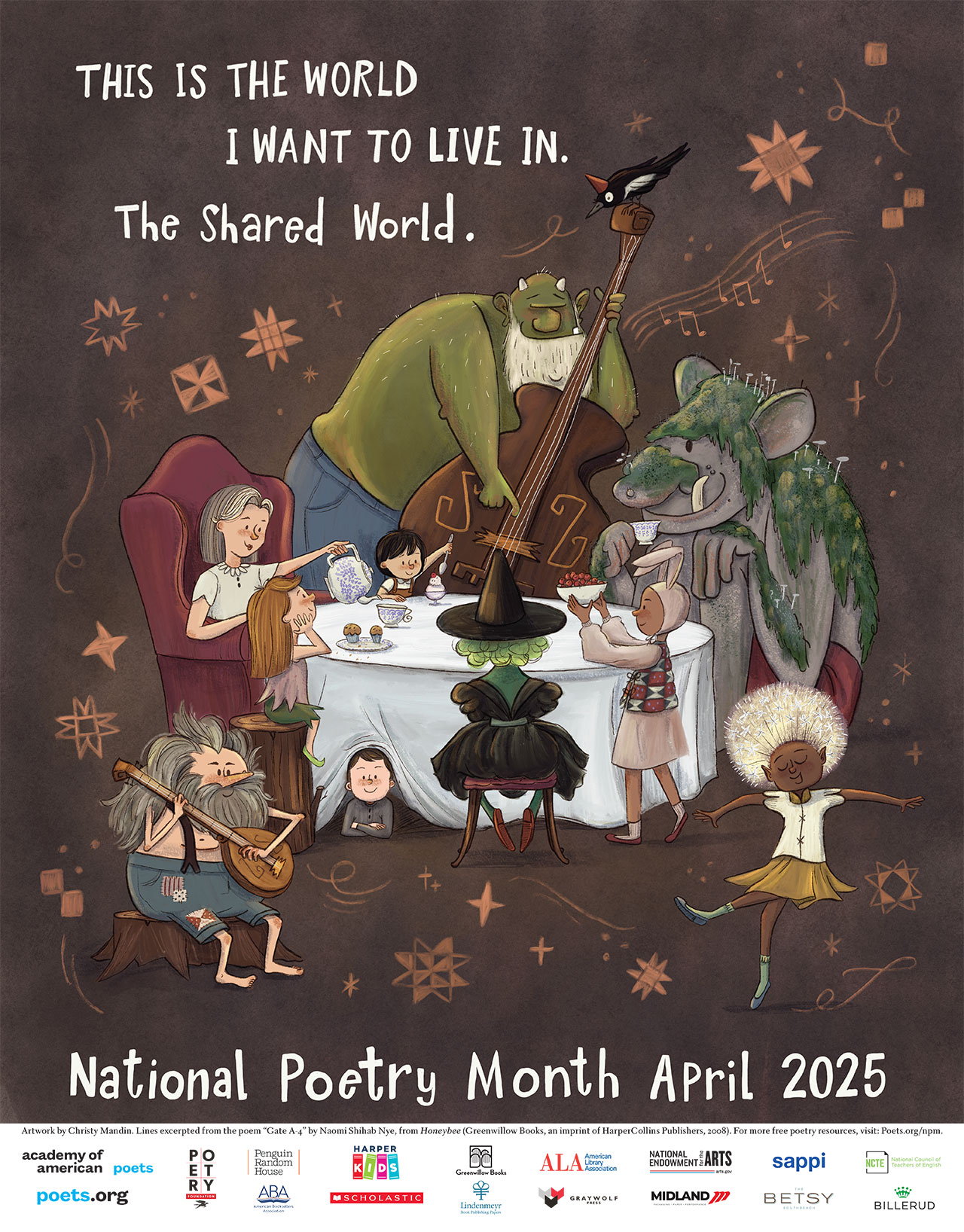
“Launched by the Academy of American Poets in April 1996, National Poetry Month is a special occasion that celebrates poets’ integral role in our culture and that poetry matters. Over the years, it has become the largest literary celebration in the world, with tens of millions of readers, students, K–12 teachers, librarians, booksellers, literary events curators, publishers, families, and — of course — poets, marking poetry’s important place in our lives.”
My favorite way to celebrate is to join with the thousands of poets participating in NaPoWriMo — NATIONAL POETRY WRITING MONTH —in which we write a poem a day for the month of April.
While NaPoWriMo is celebrating 22 years this year, I’m happy to say this will be my 11th year attempting to write 30 poems in 30 days! Here we go!
twice today we passed each other and twice today that friction of energy and chemistry and memory tugged at the the solid yellow line like the force between silver magnets so we each turned bullet-time freeze frame slow motion twice today a sideswipe glance the closest we’ve been in years
It’s been three months since the last issue of Creatively Speaking and Wow! OK, how ’bout them Eagles?
It’s been a pretty intense few months, and if you’re anything like me, it’s been hard to look away, right? And maybe you’re feeling a little over-stimulated, a little off-focus. Some of us are leaning into the dark side more often and feeling anxious, irritable, or depressed.
There’s a reason for this, and it might not be exactly what you think. The current chaotic state of affairs is asking us to be more alert, to pay more attention to what’s happening in the world. That alone is enough to kick in our fight-or-flight response. Then add in a layer of technology — constantly checking headlines, reading to stay informed, scrolling social media, keeping engaged with each other on our devices — and we’re literally flooding our system with both adrenaline and dopamine.
We are JACKED UP — can you feel it?
For me, it’s taking the shape of being a little attention-deficity, not super creative, tired, and a bit obsessed with Tony’s Chocolonely milk chocolate bars.
I’ve been thinking a lot about this lately. Particularly as it applies to dopamine, because the original inspiration for this newsletter was a video called Choose Real Dopamine:
Dopamine is a neurotransmitter, or chemical messenger, that regulates pleasure, motivation, and reward in the brain. It’s sometimes called the feel-good hormone, and it gets released when we do things we need to survive, like eat, drink, compete, and reproduce.
Our brains are hard-wired to seek out behaviors that release dopamine into our reward system, and with the right amount in our bodies, we can feel happy, motivated, alert, and focused. But when our dopamine levels are off-balance, our bodies start to struggle.
Ivette Lampl, M.S., LPC-S, LMFT-S write more about this in “The Effect of Cell Phones on Dopamine in the Brain”:
“The brain is wired to function like this: put in effort – achieve reward. Cook up a tasty snack? Enjoy the yummy treat. Hike up a steep hill? Take in the scenic view from the top. Effort – Reward….
Technology has allowed us to eliminate the effort part of the Effort – Reward cycle. No need to cook a meal – just have it delivered! No need to drive around town looking for the perfect dress for an upcoming event. Just open your favorite shopping app and several options can be at your front door by morning.
Now add in a layer of dopamine hits that we get from our minute-by-minute interactions with our devices. Likes, comments, notifications, messages – all of these are tiny doses of dopamine that we ingest all day long. When the brain senses that there is an abundance of pleasure without the effort/challenge to offset it, it decides that there is too much dopamine and it needs to produce less. And without the brain’s production of dopamine, we begin to seek out more dopamine from external sources, and this cycle continues.
Think of it like this. Let’s say you’ve gone on a long walk on a hot day, and you treat yourself to a scoop of ice cream. Amazing! The brain receives a dose of dopamine and all is well. Now let’s say you really enjoyed that ice cream, so the next day you help yourself to a large scoop while watching TV. No problem. But the next day, you crave ice cream so you eat it directly from the carton. By the end of the week, you’re eating a pint every day…[and] The ice cream is no longer pleasurable….”
You know as well as I do that it’s hard to put the phone down, to ignore the dings and buzzes from our various devices, to turn off notifications or gasp! turn off the phone itself. And it’s hard to recognize when our reward system is no longer enjoying our efforts.
Apparently, this attachment to our devices is something we’re all curious about. Do an internet search for “ways to reduce phone usage” and you’ll find pages and pages of results! Here are some of the top suggestions:
• turn off notifications • put the phone on silent • turn on airplane mode • put your device in another room • set time limits for when you use the device. • consider doing a digital detox • create a Dopamine Menu for alternative activities • go outside and look up
Mine includes things like taking a walk in the woods, gathering things to donate to the thrift shop, watching a favorite old movie, meeting a friend for lunch, and working on my writing.
Now, you may ask what all of this has to do with Creatively Speaking, right? Well, I don’t know about you, but I find that there is a direct correlation between how much time I spend on my devices and how much time I allow for my creative work. When I’ve turned off my phone or given myself a digital detox day, I sleep better, get more things accomplished, and have an expanse of open space in my brain to contemplate things like a new poem, my next book, and other creative considerations.
Our technology is not going anywhere, so it’s on us to find a good balance between on and off, between all-consuming and moderation.
Wishing you balance, real dopamine, and a rewarding amount of ice cream.
Happy Spring!
Love, Jen ❤️
Creative Inspo
I was inspired by a DIY video to make this cell phone cubby for my phone. It hangs on the wall in my kitchen — ironically where the old corded landline used to hang. Before dinner, I put the phone on Airplane Mode and hide it away and out of reach. It’s not foolproof — I check it a few times before I go to bed — but it does keep me from going down the scrolling rabbit hole. Since I’ve been using the cubby, I notice I am more relaxed at the end of the day, I spend more time writing, reading, and making art, and I definitely get a better night’s sleep!
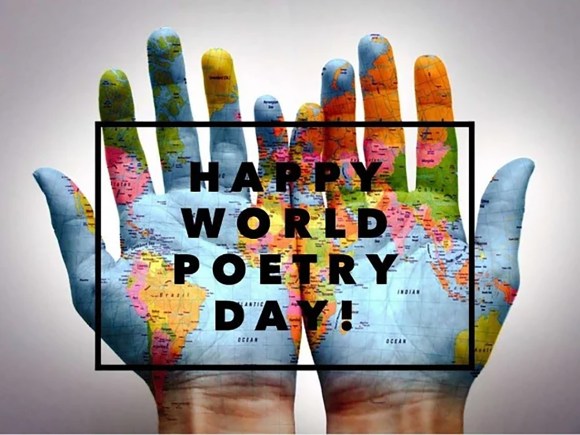
Practiced throughout history – in every culture and on every continent – poetry speaks to our common humanity and our shared values, transforming the simplest of poems into a powerful catalyst for dialogue and peace.
Held every year on March 21, World Poetry Day celebrates one of humanity’s most treasured forms of cultural and linguistic expression and identity.
UNESCO first adopted March 21 as World Poetry Day during its 30th General Conference in Paris in 1999, with the aim of supporting linguistic diversity through poetic expression and increasing the opportunity for endangered languages to be heard. World Poetry Day is the occasion to honor poets, revive oral traditions of poetry recitals, promote the reading, writing and teaching of poetry, foster the convergence between poetry and other arts such as theatre, dance, music and painting, and raise the visibility of poetry in the media. As poetry continues to bring people together across continents, all are invited to join in.
UNESCO, the United Nations Educational, Scientific and Cultural Organization, is a specialized agency dedicated to strengthening our shared humanity through the promotion of education, science, culture, and communication. For more information, see www.unesco.org.
The man protecting Pi sits in the last cell down a dark hall, bent in consternation over a paint palette, its colored stripes a child’s keyboard xylophone petals coded to remember the whole of it all
next to him in a cell so close they hear each other’s considerations like dreams, a teacher traces fine connected filigrees on the wall and hums a song he almost remembers about stars and sheep and something called an alphabet he thinks, but is not sure words are not his charge
words belong to the woman down the hall who lives in a room of books stacked floor to ceiling their faded covers and cracked spines are her dominion into which she gets lost for days or weeks, leaves them all — the scientist, the teacher, the healer, the artist, the poet — waiting to hear how it ends, wondering if it all comes full circle.
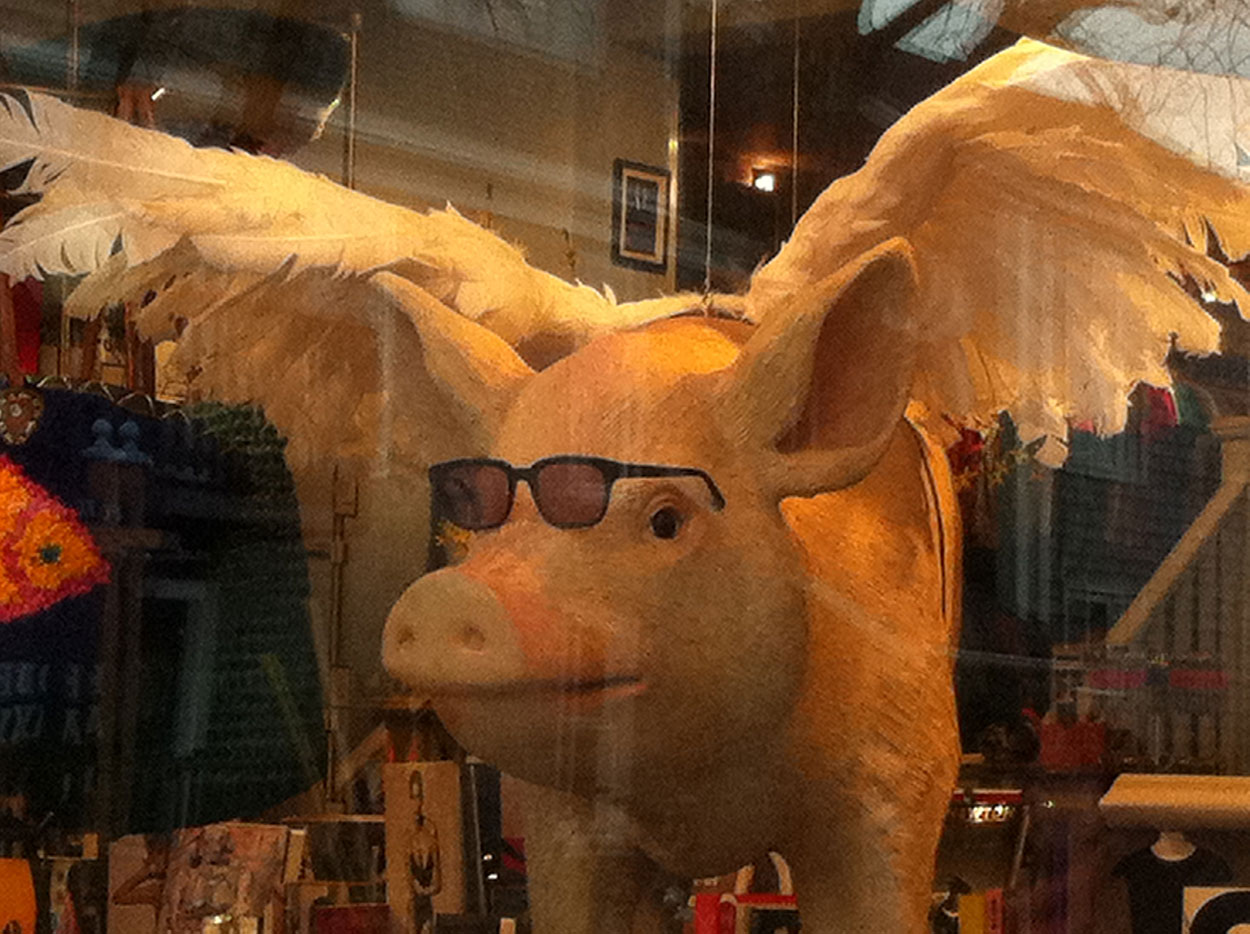
The time has come, the Walrus said, to talk of many things: of shoes and ships and sealing-wax, of cabbages and kings, and why the sea is boiling hot, and whether pigs have wings.
Random Acts of Writing began as a WordPress blog 15 years ago today! Since then, it has meandered through themes and genres as adventurously as Alice wanders through Wonderland.
The “Walrus and the Carpenter” quote above (from Through the Looking-Glass, and What Alice Found There) is not too far off really. I talk about a lot of things here on this blog. After all, it says so right in the title: Random.
On the pages of our current blog, and in the archive site RandomActs10, you’ll find creative efforts like poetry, essay, photography, flash fiction, and mixed-media collage. Topics range from nature and the environment, to travel and food, and creativity and spirituality.
I talk a lot about books — because I love books, and I also write them. Every now and then I wander into current events, but mostly I try to find connections between this and that, that and this, you and me.
I have been blessed to have readers like you — some of whom have been following along from the very beginning. I hope you’ll all continue on the adventure!